
Blue Lagoon National Park
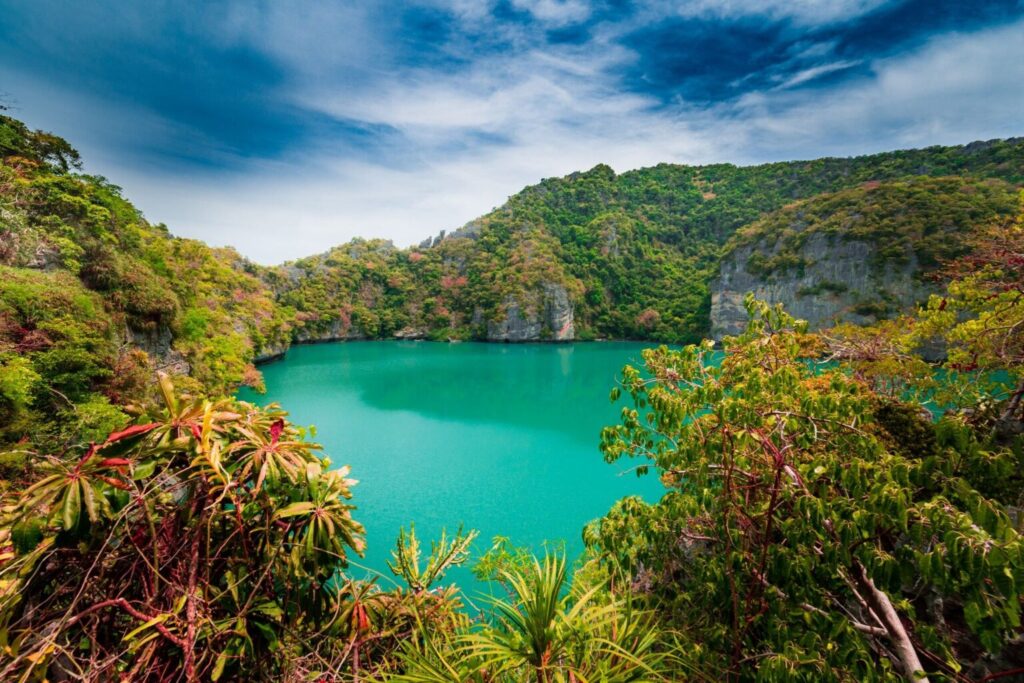
Blue Lagoon National Park – Zambia’s Hidden Wetland Paradise and Stronghold of the Kafue Lechwe
Located just 120 kilometers west of Lusaka on the vast Kafue Flats, Blue Lagoon National Park is one of Zambia’s most overlooked natural treasures — a serene wilderness of shimmering floodplains, palm-dotted savannas, and untouched miombo woodland. Covering approximately 500 square kilometers, this remarkable park protects one of the most productive wetland ecosystems in southern Africa. As part of the internationally recognized Kafue Flats Ramsar Site, Blue Lagoon National Park is a sanctuary for rare antelopes, exceptional birdlife, and seasonal lagoons that transform dramatically with each passing month. For travelers seeking raw, authentic African nature just two hours from the capital, this is one of Zambia’s greatest hidden gems.
Overview and Location
Blue Lagoon National Park lies in Zambia’s Central Province and is one of the most accessible wildlife parks in the country, requiring only a short two-hour drive from Lusaka. The park was officially established in 1976 (with earlier protection initiatives beginning in the 1970s) to preserve the ecologically sensitive Kafue Flats and their unique assemblage of semi-aquatic wildlife. Before becoming a national park, the area served as a ranching estate and later fell under the jurisdiction of the Ministry of Defence, resulting in decades of limited public access. Today, with careful management and improving infrastructure, Blue Lagoon is reclaiming its place as an essential nature destination in Zambia.
The park’s significance extends far beyond its borders. As part of the Kafue Flats — a floodplain stretching between Itezhi-Tezhi Dam and Kafue town — Blue Lagoon contributes to one of the most important wetland systems in Africa, vital for migratory birds, specialized flora, and endemic species.
Landscape and Ecosystems
Blue Lagoon National Park is defined by the dramatic seasonal flooding of the Kafue Flats. During the rainy season (December to April), floodwaters rise and spread across the plains, creating a breathtaking landscape of shallow lakes, glittering water channels, and lush green grasses. This “wet-season transformation” is one of the park’s most remarkable features and draws thousands of waterbirds from across the continent.
As the waters recede from May to October, wide grazing areas emerge. The dry plains support herds of antelope, and predators become easier to spot. The floodplain vegetation — dominated by grasses and aquatic plants — provides a vital food source for the Kafue lechwe, which survive only in this region.
Away from the wetlands, the park transitions into miombo woodland dominated by Brachystegia and Julbernardia trees. These woodlands support sitatunga, reedbuck, warthogs, and numerous dryland birds. Termite mounds rise like natural sculptures across the landscape, while palm clusters and shallow ponds add further ecological diversity.
Wildlife in Blue Lagoon National Park
While Blue Lagoon is not focused on Big Five tourism, it offers an intimate, peaceful wildlife experience and protects species found nowhere else in the world.
Kafue Lechwe – The Iconic Wetland Antelope
Blue Lagoon National Park is one of the strongholds of the Kafue lechwe (Kobus leche kafuensis), a semi-aquatic antelope endemic to the Kafue Flats and considered one of Zambia’s most important conservation priorities. Hundreds — sometimes thousands — gather in shallow water during the wet season. Their chestnut coats and elegant horns are among the most defining images of the Kafue Flats ecosystem.
Other Mammals
The park is also home to:
Sitatunga hidden in dense swamp vegetation
Plains zebra grazing on dry grasslands
Oribi and reedbuck along wetland edges
Warthogs in open plains
Hippos in deeper channels during the wet season
Side-striped jackals patrolling the woodland areas
Because Blue Lagoon is quiet and uncrowded, wildlife sightings feel exclusive and deeply personal.
Spectacular Birdlife – 400+ Species Recorded
Birding is one of the main reasons travelers visit Blue Lagoon. The park forms part of the rich Kafue Flats Important Bird Area, with over 400 bird species recorded. Seasonal floods attract large gatherings of waterbirds and migratory species from within Africa and beyond.
Key species include:
Wattled crane (one of Africa’s rarest cranes)
African openbill
Saddle-billed stork
Pink-backed pelican
Black heron
Denham’s bustard
Jacanas walking delicately over floating plants
African fish eagle surveying from tall branches
During peak flooding, flocks of geese, ducks, and waders create one of the most vibrant birding spectacles in Zambia.
Reptiles and Smaller Species
The park’s wetlands support frogs, toads, and a variety of insects that thrive after rains. Monitor lizards, skinks, and harmless snakes are commonly sighted. These species play crucial roles in wetland food webs and contribute to the park’s ecological balance.
Top Activities and Things to Do
Blue Lagoon National Park offers meaningful nature experiences for travelers seeking tranquility, wildlife diversity, and photographic beauty. Despite its remote feel, the park is accessible and perfect for low-impact tourism.
1. Game Drives Across Wetlands and Woodlands
Open floodplains make for excellent wildlife visibility. Game drives provide outstanding sightings of Kafue lechwe, zebra, and reedbuck. The best viewing occurs during the dry season when animals gather around shrinking water sources.
2. World-Class Birdwatching
Blue Lagoon is one of Zambia’s premier birdwatching destinations. Elevated hides allow birders to observe flocks at close range, and the wet season brings an abundance of species, including rarities like wattled cranes.
3. Lagoon and Floodplain Photography
From sunrise reflections to dramatic storm clouds rolling over the plains, Blue Lagoon is a dream for photographers. The flooded flats create mirror-like landscapes unmatched anywhere else in the region.
4. Guided Walks and Nature Trails
Walking safaris along the floodplain edge offer close encounters with small mammals, insects, plants, and birdlife. Guides explain the delicate interactions that sustain this seasonal ecosystem.
5. Cultural Visits to Local Communities
Communities surrounding the Kafue Flats have farmed, fished, and lived alongside the wetlands for generations. Cultural tours highlight traditional fishing methods, crafts, and local life closely connected to the floodplain.
Accommodation and Visitor Facilities
Tourism infrastructure remains intentionally limited to preserve the park’s pristine character. The main accommodation is the rustic Blue Lagoon Lodge — a converted colonial-era farmhouse offering simple but comfortable lodging with views overlooking the plains. Nearby community-run guesthouses and small lodges outside the park provide additional options.
Inside the park, visitors will find basic picnic areas, rest spots, shaded viewpoints, and limited facilities. Travelers must bring their own supplies, especially in the wet season.
Best Time to Visit Blue Lagoon National Park
Each season offers distinct advantages:
December to April (Wet Season):
The floodplain fills with water, creating breathtaking scenery and exceptional birdwatching. Migrant species arrive in vast numbers, and photography conditions are stunning. However, some roads may require a 4×4.
May to October (Dry Season):
Wildlife viewing is at its best as plains dry out and animals congregate around shrinking water sources. Road access is easier, temperatures are cooler, and visibility improves across the grasslands.
How to Get There
The park is accessed via Mumbwa Road from Lusaka. The final stretch passes through rural communities before reaching the park gate. While regular vehicles can access the park in the dry season, a 4×4 vehicle is recommended during the rainy months.
Visitors can drive independently, hire a local guide, or book private transfers/tours from Lusaka.
Conservation, Challenges, and Community Involvement
Blue Lagoon plays a crucial role in protecting the Kafue Flats ecosystem — a region facing threats from altered flooding regimes, upstream dams, irrigation systems, and climate variability. Conservation initiatives focus on safeguarding the Kafue lechwe, restoring degraded floodplains, and monitoring waterbird populations.
Local communities are integral to conservation success. Many participate in sustainable fishing programs, anti-poaching patrols, and ecological research. Community involvement ensures that the benefits of the park extend to nearby villages while encouraging responsible stewardship of the wetlands.
Practical Travel Tips
- Bring binoculars for birdwatching.
- Use a 4×4 vehicle in the rainy season.
- Carry sun protection, water, and snacks.
- Visit early morning or late afternoon for the best sightings.
- Do not attempt to drive across flooded areas.
- Respect bird nesting areas and wetland boundaries.
Why Visit Blue Lagoon National Park?
Blue Lagoon National Park is one of Zambia’s most peaceful, scenic, and ecologically fascinating destinations. With its vast floodplains, rare Kafue lechwe, exceptional birdlife, and year-round photographic opportunities, the park offers a quiet and deeply rewarding safari experience — far from crowds and mass tourism. Its proximity to Lusaka makes it ideal for weekend getaways, birding expeditions, and eco-conscious travelers seeking something uniquely Zambian.
Conclusion
As part of the Ramsar-listed Kafue Flats, Blue Lagoon National Park protects one of Africa’s most important wetland ecosystems. Its rich birdlife, endemic antelopes, seasonal beauty, and authentic wilderness atmosphere make it a must-visit destination for nature lovers. Whether exploring on a day trip or staying longer to immerse yourself in its tranquility, z offers a powerful connection to Zambia’s natural heritage and a rare look at one of southern Africa’s most dynamic ecosystems.