
Banhine National Park
Banhine National Park – Mozambique’s Remote Wetland Wilderness
Banhine National Park is one of Mozambique’s most remote and least disturbed national parks, a vast wetland wilderness in southern Gaza Province. Forming an important part of the Greater Limpopo Transfrontier Conservation Area, Banhine protects crucial seasonal wetlands, grasslands, and palm-dotted savannas that support a unique mix of wildlife and birds. This is not a busy big-game park, but a quiet, authentic wilderness where visitors experience space, silence, and the slow rhythm of nature far from mainstream tourism.
Overview and Location
Banhine National Park lies in southern Mozambique, northeast of Limpopo National Park and relatively close to the Limpopo River. The park covers around 7,000 km² and sits within the Limpopo River Basin, making it an important water catchment area. It is administered as part of the Greater Limpopo Transfrontier Conservation Area, which connects protected areas in Mozambique, South Africa, and Zimbabwe. Due to its isolation and minimal infrastructure, Banhine remains one of the most untouched landscapes in southern Africa.
Key Facts and Figures
- Country: Mozambique
- Province: Gaza Province
- Size: Approximately 7,000 km²
- Established: Originally declared in 1973; later redefined and incorporated into the Greater Limpopo Transfrontier Conservation Area in the 2000s
- Main Habitats: Seasonal wetlands, floodplains, grassland, sandveld woodland, palm savanna
- Known For: Wetland birdlife, seasonal pans, remote wilderness, rewilding efforts
- Best Time to Visit: May to October (dry season)
History and Conservation Significance
Banhine was first proclaimed as a hunting reserve in the 20th century and later upgraded to a national park in 1973. Following years of conflict and limited management, wildlife populations declined and human settlement increased within its boundaries. In the early 2000s, Banhine was included in the Greater Limpopo Transfrontier Conservation Area, which placed renewed focus on habitat restoration, community partnerships, and wildlife recovery.
In recent years, the park has been part of rewilding initiatives, with wildlife translocations bringing in antelope and other species from healthier populations in the region. These efforts aim to restore Banhine as a functional link in the broader ecological network connecting Limpopo National Park, Kruger National Park, and other protected areas across international borders.
Geography, Hydrology and Ecosystems
The defining feature of Banhine National Park is its network of seasonal wetlands and pans. During the rainy season, shallow depressions fill with water to form temporary lakes, marshes, and flooded grasslands. In the dry season, these same areas become cracked earth, dusty flats, and salt pans, giving the park a completely different appearance.
The climate is semi-arid, with hot summers and cooler, dry winters. Average annual rainfall is relatively low, but when rain does come, much of it collects in ancient drainage channels and shallow basins. These wetlands act as natural sponges, regulating water flow and providing breeding grounds for aquatic life and birds. Away from the floodplains, the park transitions into:
- Sandveld woodland – dominated by mopane, acacia, and combretum species
- Grassland and savanna – with tall grasses that support grazing wildlife
- Palm savanna – dotted with ilala palms that add character to the landscape
Climate and Best Time to Visit Banhine National Park
Banhine has a warm to hot climate with a distinct wet and dry season:
- Wet season (November to April): Hot and humid, with thunderstorms and variable flooding of the pans. Daytime temperatures often exceed 30°C. This is the best period for wetland birdlife and lush scenery, but road access can be difficult.
- Dry season (May to October): Cooler, with clear skies and lower humidity. Daytime temperatures generally range between 20–30°C, with cooler nights. Roads are more accessible and wildlife is easier to locate around remaining water sources.
For most visitors, the dry season from May to October is the most practical time to visit Banhine National Park. Specialist birdwatchers, however, often plan trips around the wet season when water levels are high and migratory birds arrive in their thousands.
Wildlife and Biodiversity
Banhine is not known for dense concentrations of classic big game, but its biodiversity is rich and recovering. It is especially important for wetland birds and species adapted to seasonal water and drought cycles.
Mammals
Due to past hunting and conflict, many large mammals were heavily reduced, but populations are slowly recovering through natural recolonisation and reintroduction. Visitors may see:
- Oribi and other small antelope on open grasslands
- Reedbuck and duiker near wetter areas
- Steenbok, impala, and kudu in woodland zones
- Warthog and bushpig in both dry bush and wetter patches
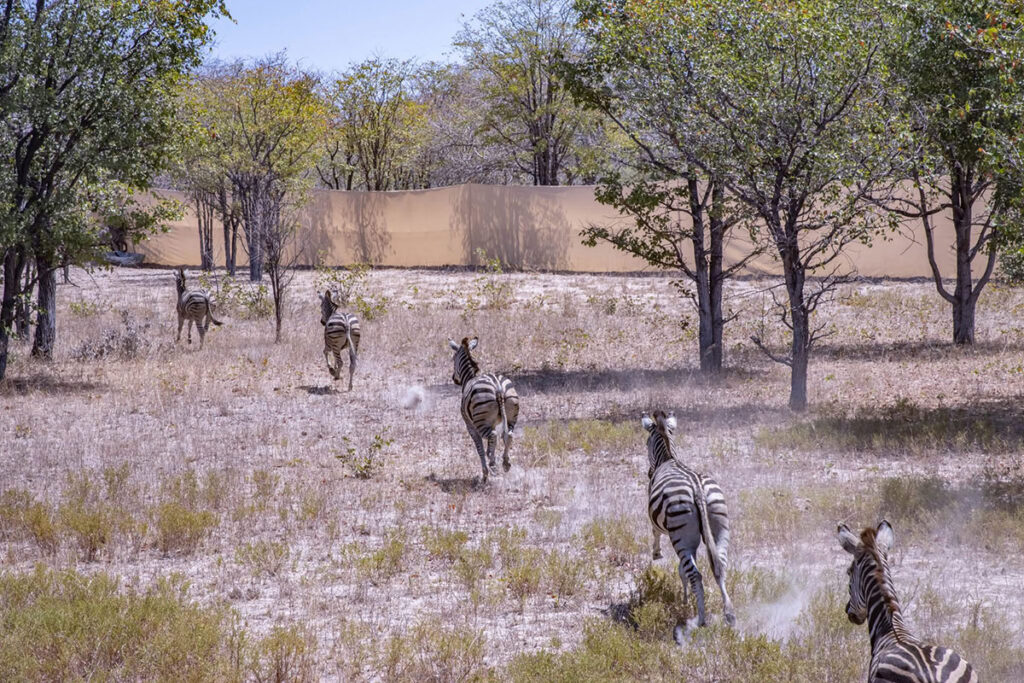
- Occasional zebra, wildebeest, or other plains game moving through the landscape
Predators such as jackals, servals, and caracals occur in low densities. As connectivity with other regional parks improves, there is growing potential for more frequent sightings of larger predators and wide-ranging species like African wild dogs.
Birdlife
Birdlife is the highlight of Banhine National Park. The seasonal wetlands, grasslands, and pans support an impressive diversity of waterbirds, raptors, and savanna species. Over 300 bird species have been recorded, making it a prime destination for keen birders.
Key birds to look out for include:
- Wattled cranes in wet grasslands
- Storks, herons, and egrets feeding in shallow pans
- Flamingos (in years of good flooding)
- White-faced and fulvous whistling ducks
- Openbill storks and African spoonbills
- Raptors such as martial eagles and bateleurs soaring above the plains
Fish, Reptiles and Amphibians
Banhine’s wetlands are particularly fascinating from an ecological perspective. Fish species such as African lungfish and other hardy species survive in temporary pools and mud during the dry season, then thrive in the flooded pans after the rains. Frogs and toads emerge in huge numbers during the wet season, attracting storks and herons.
Reptiles such as tortoises, lizards, and snakes inhabit the drier parts of the park, while aquatic species make use of the temporary water bodies. For nature lovers, these adaptations to extreme seasonal variation are one of Banhine’s most interesting features.
Main Attractions and Things to Do in Banhine National Park
Banhine is a park for explorers who appreciate subtle, raw wilderness rather than luxury lodges and crowded game drives. Activities tend to be simple and close to nature.
1. Game Drives in a True Wilderness
Self-drive or guided game drives provide the best way to explore Banhine’s wide spaces. The experience here is more about immersion than ticking off big five sightings. You may drive for an hour without seeing another vehicle, stopping to observe antelope, birds, or distant herds making their way to water.
2. Wetland and Pan Exploration
During and shortly after the rains, the floodplains and pans become the heart of the park. Exploring these areas reveals flocks of waterbirds, breeding activity, and dynamic changes in water levels. This seasonal transformation is one of the unique attractions of Banhine National Park.
3. Birdwatching Safaris
Serious birdwatchers will find Banhine especially rewarding. From waders along muddy edges to large cranes and pelicans, the diversity can be remarkable in good rainfall years. Bringing a spotting scope or long lens for photography is highly recommended.
4. Guided Walks and Nature Interpretation
In areas where it is safe and permitted, guided walks with rangers or local guides offer a closer look at plants, animal tracks, and smaller creatures that might be missed from a vehicle. These walks are also an excellent opportunity to learn about traditional knowledge of the landscape.
5. Community and Cultural Visits
Villages surrounding the park are home to communities who have lived with the seasonal cycles of drought and flood for generations. Cultural experiences can include visits to local homesteads, traditional food tasting, and discussions on how conservation and community development are being balanced in this remote region.
Suggested Itineraries
3-Day Banhine Explorer
- Day 1: Arrive in the region (often via Chokwe or Massingir), enter the park, set up camp or check in at a basic lodge, and enjoy an afternoon drive to nearby pans.
- Day 2: Full day exploring different parts of the park – morning birding at wetlands, midday rest at camp, afternoon drive to observe antelope and sunset over the plains.
- Day 3: Short morning drive or walk, then exit the park and connect onward to Limpopo National Park or another regional destination.
6-Day Greater Limpopo Circuit
- Days 1–2: Explore Limpopo National Park or Kruger National Park.
- Days 3–4: Drive to Banhine, focus on wetland and birding experiences.
- Days 5–6: Continue to Zinave National Park or other parts of the transfrontier system for broader wildlife viewing.
Getting There, Roads and Access
Reaching Banhine requires preparation and a reliable 4×4 vehicle. Roads are mostly unpaved, with sandy stretches, corrugations, and flooded sections in the wet season. Fuel stations, mechanics, and shops are limited, so visitors should carry extra fuel, water, and essential supplies.
Access is usually via rural roads from towns like Chigubo, Chokwe, or Massingir. Because road conditions and routes can change, it is advisable to seek current local guidance or travel with an experienced guide or operator familiar with the park and surroundings.
Park Fees, Permits and Regulations
Banhine National Park charges conservation and entry fees which may vary for citizens, residents, and international visitors. Fees are typically paid at designated entry points or administrative offices. Wild camping or overnight stays usually require advance permission or booking. Visitors should always:
- Check the latest fee structure and payment methods before arrival
- Register at park offices or with rangers when entering and exiting
- Follow all park regulations regarding off-road driving, camping, and wildlife interaction
Accommodation and Camping
Tourist accommodation inside Banhine is basic and limited. Options may include:
- Simple campsites with minimal facilities
- Rustic chalets or park houses near headquarters (where available)
- Wild camping in designated areas with prior permission
Many visitors choose to stay in accommodation outside the park boundaries and enter for day visits. Because facilities are sparse, Banhine is best suited to self-sufficient travelers who are comfortable with remote, low-impact camping and have their own equipment.
Photography Tips
Banhine is ideal for photographers who love big open spaces, skies, and subtle scenes rather than dense wildlife clusters. To make the most of your visit:
- Use early morning and late afternoon light for warm tones and long shadows on the plains.
- Bring a telephoto lens (300–400mm or more) for bird and distant wildlife photography.
- Consider a wide-angle lens for capturing dramatic skies, storm clouds, and vast wetlands during the rainy season.
- Protect your gear against dust in the dry season and moisture in the wet season.
Health, Safety and Practical Advice
Banhine’s remoteness is part of its appeal, but it also means visitors must take extra care:
- Health: The region lies in a malaria area, so prophylaxis and mosquito protection are recommended. Carry a basic first-aid kit and any personal medications.
- Safety: Always inform someone of your route and expected return. Travel with at least one other vehicle if possible, especially in the wet season.
- Supplies: Bring sufficient fuel, drinking water, food, and spare tyres. Services within and around the park are minimal.
- Navigation: Use updated maps or GPS and be prepared for unmarked tracks.
Conservation Challenges and Rewilding Efforts
Banhine faces typical challenges of remote protected areas: human-wildlife conflict, occasional poaching, pressure from livestock grazing, and climate variability affecting water availability. However, recent years have seen encouraging progress.
As part of the Greater Limpopo Transfrontier Conservation Area, Banhine benefits from regional collaboration, wildlife translocation programs, community engagement, and increased ranger support. The long-term vision is to re-establish healthy wildlife populations, maintain functional wetlands, and ensure that local communities benefit from conservation through sustainable livelihoods and eco-tourism opportunities.
Why Visit Banhine National Park
Banhine National Park is a destination for travelers who want to experience Africa at its most raw and untouched. It offers:
- True solitude and silence away from crowded safari circuits
- Fascinating seasonal wetlands and unique ecological adaptations
- Outstanding birdwatching opportunities in good rainfall years
- A chance to witness a park in the process of ecological recovery and rewilding
Conclusion
Banhine National Park may not be as famous as other African reserves, but its value lies in its wildness, space, and ecological importance. As part of the Greater Limpopo Transfrontier Conservation Area, it plays a key role in protecting migratory routes, wetland systems, and fragile species in southern Mozambique. For those willing to travel off the beaten path, Banhine offers an authentic, powerful encounter with a landscape that is still shaping its own conservation story.