Kavango–Zambezi Transfrontier Conservation Area
Kavango–Zambezi Transfrontier Conservation Area – The World’s Largest Conservation Landscape Connecting Five Nations, Africa’s Biggest Elephant Population, The Okavango Delta, Chobe River, Zambezi Wetlands, and Victoria Falls
The Kavango–Zambezi Transfrontier Conservation Area (KAZA TFCA) is the single largest conservation landscape on Earth—an extraordinary multi-country wilderness spanning approximately 520,000 km² across Angola, Botswana, Namibia, Zambia, and Zimbabwe. More expansive than France and nearly twice the size of the United Kingdom, this transboundary ecological giant encompasses some of Africa’s most legendary destinations, including the Okavango Delta, Chobe National Park, the vast Zambezi and Kwando river systems, Caprivi/Zambezi Region wetlands, Kafue National Park, Hwange National Park, and the iconic Victoria Falls—one of the Seven Natural Wonders of the World.
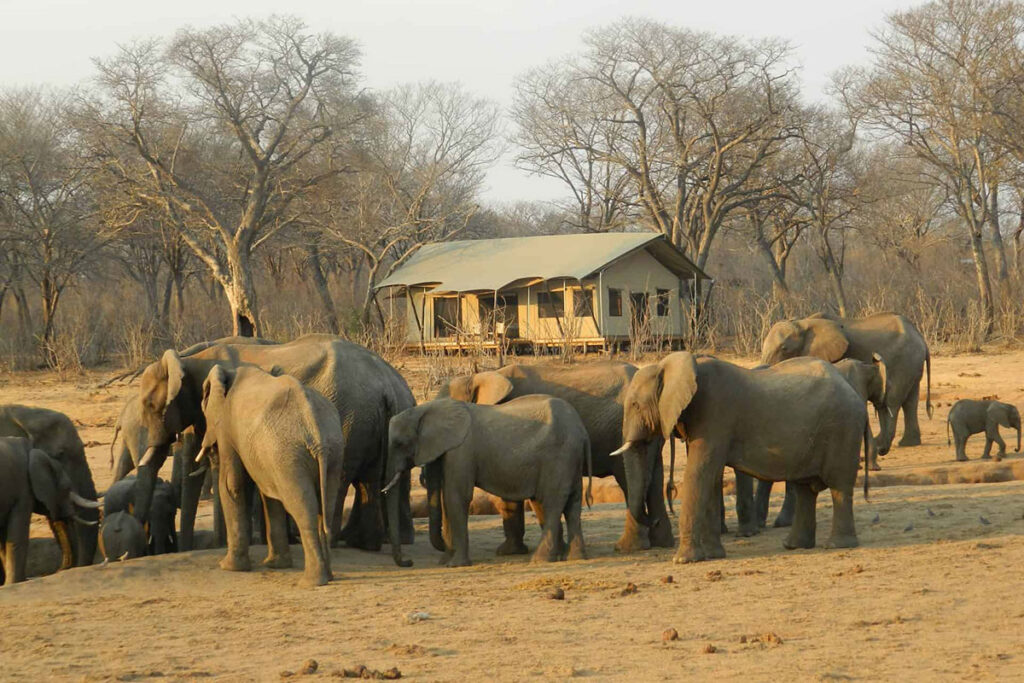
KAZA’s significance extends far beyond its immense size. It preserves the world’s largest remaining population of African elephants—estimated at more than 250,000—along with thriving populations of lions, cheetahs, leopards, African wild dogs, buffalo, hippos, aquatic birds, migratory species, and hundreds of thousands of herbivores that move across ancient migration routes. The landscape is a living laboratory of ecological processes, hydrological cycles, and seasonal flood dynamics that sustain one of the most diverse wildlife communities on the African continent.
For visitors, the Kavango–Zambezi TFCA provides an unmatched safari experience spanning multiple ecosystems—from swampy deltas and palm-dotted islands to deep river channels, floodplains, forests, grasslands, mopane woodlands, and dramatic river gorges. For scientists, conservationists, and communities, KAZA represents an ambitious and pioneering approach to cross-border environmental management, climate resilience, cultural preservation, and responsible tourism development.
Overview of the Kavango–Zambezi Transfrontier Conservation Area
The Kavango–Zambezi TFCA was formally established in 2011 as part of an innovative regional initiative aimed at restoring historic wildlife migratory pathways that had been blocked for decades by political borders, fences, human settlements, and conflict. By integrating protected areas, community conservancies, and forest reserves across five countries, KAZA creates a seamless ecological corridor where wildlife can move freely for feeding, breeding, dispersal, and climate adaptation.
What truly distinguishes KAZA is its integrative philosophy: conservation is linked directly to sustainable development, cultural heritage, and community benefits. Local communities participate actively in decision-making processes through conservancy models, anti-poaching patrols, eco-tourism partnerships, wildlife monitoring, and community forestry programs. This ensures that conservation outcomes uplift livelihoods and that wildlife becomes a shared, valuable asset rather than a source of conflict.
Location and Size
KAZA covers a vast region defined by the Kavango and Zambezi River basins, stretching across:
- Angola – providing the essential watersheds that feed the Okavango Delta and sustaining headwaters of major river systems.
- Botswana – home to the Okavango Delta, Chobe National Park, and the Kalahari’s northern ecosystems.
- Namibia – the Caprivi (Zambezi) Region acts as a crucial wildlife corridor connecting four countries.
- Zambia – includes Kafue National Park, Sioma Ngwezi National Park, and the Victoria Falls region.
- Zimbabwe – home to Hwange National Park, the Zambezi Valley ecosystems, Lake Kariba, and Mana Pools.
This gigantic ecological network links more than 36 national parks, wildlife reserves, communal conservancies, and protected forests—forming the largest contiguous wildlife conservation system ever established.
Geography and Geology
The geography of KAZA is extraordinarily varied, shaped by ancient tectonic forces, volcanic activity, extensive river erosion, and aeolian sand deposits. Its landscapes include:
- Deltaic wetlands: The Okavango Delta is the world’s largest inland delta, a UNESCO World Heritage Site, and one of the most complex freshwater ecosystems globally.
- River valleys and gorges: The Zambezi River carves dramatic cliffs, including the famous Batoka Gorge below Victoria Falls.
- Kalahari sands: Red, nutrient-poor sands dominate vast stretches of Botswana and Namibia, creating specialized ecosystems.
- Miombo highlands: Characteristic of Zambia and Angola, forming high-biodiversity woodlands.
- Alluvial floodplains: Seasonal grasslands that become wildlife hotspots during the rainy season.
These geological elements underpin diverse soils, hydrological functions, and vegetation systems essential to sustaining wildlife populations year-round.
Climate
KAZA’s climate varies from semi-arid in the west to humid subtropical in the east. It experiences a predictable seasonal cycle that shapes wildlife behavior, plant growth, and hydrological systems.
- Rainy season (November–April): Rivers swell, floodplains fill, vegetation flourishes, and migratory birds arrive in huge numbers.
- Dry season (May–October): Temperatures drop, grasses thin out, and wildlife congregates intensely around rivers, waterholes, and wetlands.
- Peak visibility period: July–October offers exceptional wildlife viewing as water sources shrink.
The annual flood of the Okavango Delta—originating from rains in Angola months earlier—is a globally renowned natural phenomenon that transforms the delta into an oasis of life during Botswana’s dry season.
Hydrology and Rivers
Water is the defining lifeline of the Kavango–Zambezi ecosystem. The TFCA protects the hydrological integrity of four major river systems:
- Okavango River: Feeding the delta, supporting fish, hippos, crocodiles, and floodplain herbivores.
- Kwando–Linyanti–Chobe System: Creating vital wetland habitats and supporting the world’s largest elephant herds.
- Zambezi River: The fourth-longest river in Africa, sustaining wetlands, fishing communities, and Victoria Falls.
- Kafue River: Nourishing Zambia’s vast Kafue Flats and national park ecosystems.
Countless seasonal pans, marshes, lagoons, and oxbow lakes create additional aquatic habitats essential for bird breeding, amphibian reproduction, and nutrient cycling.
Ecosystems and Habitats
KAZA’s ecosystem diversity is among the richest in the world, supporting everything from wetland specialists to desert-adapted mammals.
- Floodplains & marshlands – sustaining hippos, lechwe, sitatunga, and migratory birds.
- Savanna grasslands – home to zebras, wildebeest, buffalo, and predators.
- Riverine forests – providing cover for leopards, elephants, primates, and rare birds.
- Woodlands – dominated by miombo and mopane species supporting browsers and numerous insect species.
- Swamps & lagoons – ideal for crocodiles, amphibians, and fish populations.
The complex ecological interactions across these habitats create a resilient system capable of supporting megafauna and high biodiversity.
Vegetation
Vegetation in KAZA includes some of the most characteristic plant communities of southern Africa.
- Mopane trees – providing essential foliage for elephants and other browsers.
- Miombo woodlands – high in biodiversity and crucial for nutrient cycling.
- Papyrus & reeds – dominant in wetland zones, crucial for water filtration and habitat creation.
- Acacia woodlands – home to diverse pollinators, birds, and mammals.
- Palm savannas – including the iconic fan palms of the Okavango.
This vegetation supports a complex network of herbivores and creates microhabitats for insects, reptiles, and birds.
Wildlife of the Kavango–Zambezi TFCA
Mammals
KAZA is a global stronghold for large African mammals. The free movement of animals across borders is essential for maintaining ecological balance and genetic diversity.
- Elephants: Over 250,000 individuals—Earth’s largest remaining population.
- Lions: Thriving populations in Hwange, Chobe, and Kafue.
- Leopards: Widespread across riverine forests and woodlands.
- Cheetahs & wild dogs: Depending on large, connected hunting ranges.
- Hippos & buffalo concentrated along river systems.
- Antelopes: Sable, roan, sitatunga, red lechwe, kudu, waterbuck, and many more.
Birds
KAZA is one of the most important birding regions in Africa, with more than 600 species recorded. Wetlands, floodplains, and riverbanks provide habitats for:
- Fish eagles and other raptors.
- Storks, herons, and egrets in wetland areas.
- Carmine bee-eaters nesting in riverbanks.
- African skimmers along sandy river channels.
- Flamingos on shallow pans.
Reptiles, Amphibians, and Insects
- Nile crocodiles thriving in large river systems.
- Monitor lizards and various snakes.
- Frogs that explode in numbers after seasonal rains.
- Insects such as dragonflies, beetles, butterflies, termites, and aquatic invertebrates.
Unique Features of the Kavango–Zambezi TFCA
KAZA is unparalleled among global conservation areas due to several extraordinary features:
- The largest transfrontier conservation area in the world.
- Home to the world’s largest population of African elephants.
- Includes iconic UNESCO World Heritage Sites.
- Restores ancient wildlife migration corridors.
- Integrates cultural, ecological, and economic management.
Its size and ecological diversity make KAZA a global model for cross-border conservation and sustainable tourism.
Cultural and Indigenous Communities
Various indigenous and local communities—including the San/Basarwa, Subiya, Lozi, Hambukushu, Tonga, Mbukushu, Herero, and Shona peoples—live in and around KAZA. Their traditions, cosmology, and deep knowledge of natural landscapes form an essential part of the region’s identity.
Cultural activities for visitors include:
- Traditional music and dance ceremonies.
- Village guided tours and homestays.
- Craft markets featuring beadwork, baskets, and carvings.
- Animal tracking demonstrations by San guides.
Conservation Importance
KAZA plays a pivotal role in the global conservation landscape:
- Protects biodiversity hotspots and endangered species.
- Maintains continent-scale wildlife migration routes.
- Strengthens climate-change resilience across southern Africa.
- Generates income for communities through sustainable tourism.
- Supports carbon sequestration and watershed protection.
Threats and Challenges
Despite its vastness and protection framework, KAZA faces several conservation challenges:
- Poaching and illegal wildlife trade.
- Human–wildlife conflict in agricultural areas.
- Habitat fragmentation from development.
- Climate-induced droughts impacting freshwater systems.
- Cross-border coordination complexities.
Research and Monitoring
The TFCA hosts some of Africa’s most advanced conservation research efforts:
- GPS satellite tracking of elephants, lions, and wild dogs.
- Wetland and floodplain hydrological modeling.
- Vegetation mapping and fire ecology studies.
- Large carnivore population genetics.
- Community-based conservation assessments.
Tourism Activities
KAZA offers an unmatched range of safari and adventure activities due to its diverse ecosystems:
- Big Five game drives in Chobe, Hwange, Kafue, and Sioma Ngwezi.
- Mokoro canoe trips in the Okavango Delta’s meandering channels.
- Boat cruises on the Chobe and Zambezi Rivers.
- Victoria Falls experiences including helicopter flights and rafting.
- Walking safaris through open savannas and woodland landscapes.
- Birdwatching expeditions targeting rare wetland and woodland species.
Access and Getting There
KAZA is accessible through several international gateways, making multi-country trips highly feasible:
- Victoria Falls Airport (Zimbabwe)
- Kasane Airport (Botswana)
- Livingstone Airport (Zambia)
- Katima Mulilo (Namibia’s Zambezi Region)
- Menongue Airport (Angola)
Permits, Fees, and Park Rules
Regulations differ across countries, but KAZA promotes harmonized tourism access. The KAZA UniVisa currently allows seamless tourist movement between Zimbabwe and Zambia, with future regional expansion anticipated.
- Respect wildlife and do not approach animals on foot unless guided.
- Follow park-specific rules when crossing borders.
- No off-road driving unless explicitly permitted.
- Support community-operated tourism enterprises.
Accommodation
KAZA offers diverse accommodation options across its many parks, ranging from ultra-luxury lodges to affordable community camps.
- Luxury safari lodges: In the Okavango Delta, Chobe Riverfront, Victoria Falls, and Hwange.
- Mid-range camps: Along the Chobe, Zambezi, Kafue, and Kwando Rivers.
- Community-run campsites: Providing authentic cultural immersion.
- Remote wilderness camps: In Zambia and Angola for adventurous travelers.
Best Time to Visit
The ideal time for wildlife viewing is during the dry season (May–October) when animals cluster around major rivers and waterholes. The wet season (November–April) offers lush green scenery, migratory birds, dramatic skies, and vibrant floodplains—perfect for photographers.
Why the Kavango–Zambezi Transfrontier Conservation Area Is Unique
KAZA is unique because it represents the future of conservation: a landscape-scale approach that transcends borders, empowers communities, preserves cultural identity, protects endangered wildlife, and supports sustainable tourism across five nations. Its combination of vast ecosystems, spectacular wildlife migrations, world-famous attractions, and rich human heritage makes it one of the most extraordinary natural destinations on Earth.
For travelers yearning for immersive, diverse, and boundary-pushing safari experiences—whether drifting in a mokoro through the Okavango Delta, watching elephants cross the Chobe River at sunset, or feeling the spray of Victoria Falls—KAZA delivers Africa at its wildest, grandest, and most unforgettable.