
Liuwa Plain National Park
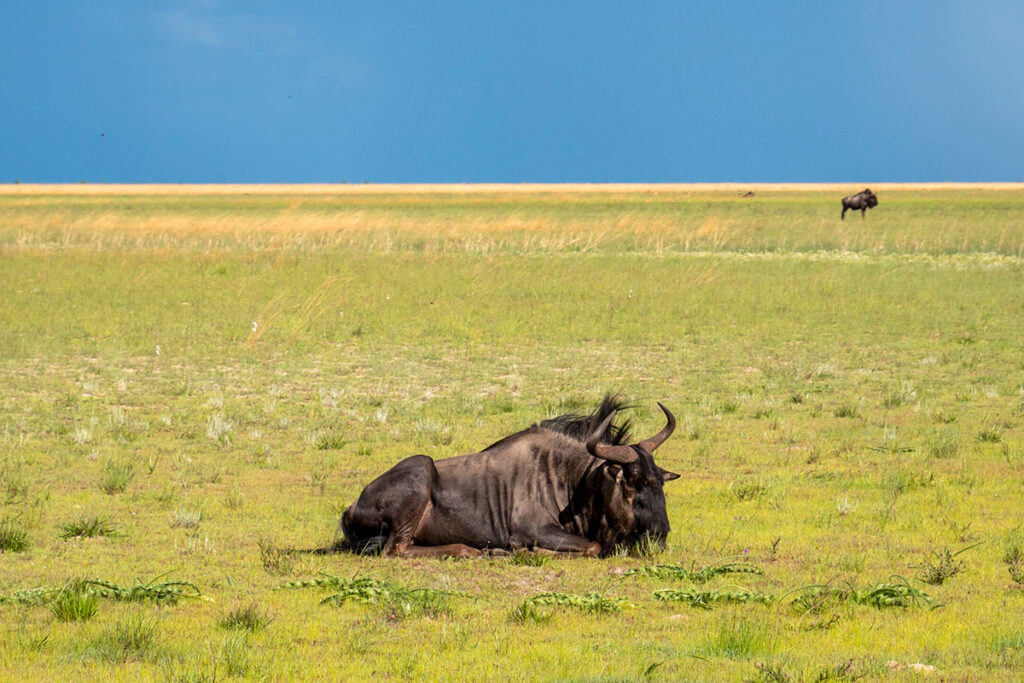
Liuwa Plain National Park – Zambia’s Untouched Wilderness of Endless Grasslands, Wildebeest Migration, Hyenas, Lions, and Spectacular Wetland Ecosystems
Liuwa Plain National Park is one of Africa’s most pristine and least disturbed ecosystems—a remote paradise of sweeping grasslands, vast floodplains, and shimmering wetlands that stretch endlessly across Zambia’s Western Province. Known for its solitude, immense skies, and extraordinary seasonal transformations, Liuwa is one of the continent’s hidden conservation treasures. Spanning approximately 3,369 km², it is home to Africa’s second-largest wildebeest migration, some of the continent’s largest hyena clans, recovering lion populations, and vibrant birdlife attracted by nutrient-rich floodwaters.
What sets Liuwa apart from nearly every other safari destination in Africa is its complete immersion in wilderness. There are no crowds, no fences, and no permanent lodges dominating the landscape—just a vast, uninterrupted ecosystem pulsing with the rhythms of nature. Managed through a unique partnership between African Parks, the Barotse Royal Establishment, and the Zambian government, the park represents one of Africa’s most powerful success stories of community-led conservation and ecosystem restoration.
Overview of Liuwa Plain National Park
Liuwa has a conservation history unlike any other African park. For centuries, the Lozi people—led by the Barotse Royal Establishment—designated the area as a royal hunting ground, implementing traditional restrictions and ecological stewardship practices long before modern conservation began. This deep-rooted cultural protection enabled Liuwa to retain much of its wildlife even through turbulent historical periods.
Today, Liuwa Plain is celebrated as an example of what visionary conservation can achieve. Wildlife has rebounded dramatically thanks to anti-poaching operations, ecological monitoring, and the reintroduction of lions after the lonely years of “Lady Liuwa,” a globally renowned lioness who lived alone for over a decade. Her story helped shine international attention on the importance of wildlife restoration in the region. The park now showcases healthy herbivore populations, thriving predators, and one of Africa’s most dramatic seasonal migrations.
Location and Size
Situated near the Angolan border in Zambia’s far west, Liuwa Plain National Park lies within the expansive Barotse Floodplain ecosystem—a dynamic hydrological landscape fed by the upper Zambezi River system. Its remote location makes it one of Zambia’s most exclusive safari destinations, accessible by rugged 4×4 routes and small aircraft.
The park covers an impressive 3,369 km² of open plains that appear to merge seamlessly with the sky. The sheer size of this wilderness, combined with its minimal human footprint, creates an experience of unparalleled freedom and space. Views stretch for miles in every direction, giving visitors the sensation of stepping into a timeless, limitless African frontier.
Geography and Geology
Liuwa’s geography is dominated by expansive grasslands interspersed with shallow depressions, ancient dune ridges, and seasonal wetlands created by flooding patterns connected to the Zambezi River. Its plains are so flat and expansive that clouds reflect on the water during the rainy season, creating mirror-like landscapes that are among the most photogenic in Africa.
Geological features include sandy Kalahari substrates, clay-rich soils in flood-prone basins, and sedimentary deposits carried from Angola during annual flood pulses. These geological variations give rise to different grass species, wildflower blooms, and the distribution of nutrient-rich grazing zones essential for migratory herbivores. Termite mounds, some centuries old, serve as mini-ecosystems that elevate vegetation above flood levels and act as lookout points for predators.
Climate
Liuwa’s climate is defined by three major seasons, each profoundly shaping wildlife behavior, vegetation cycles, and the overall safari experience:
- Wet Season (November–April): Torrential rains arrive, flooding vast sections of the plain. This season brings an explosion of life—frogs emerge, fish spread across the plains, insects swarm, and migratory birds descend in enormous flocks. Wildflowers bloom brightly, turning Liuwa into a painter’s palette.
- Dry Season (May–August): Cooler temperatures and retreating floodwaters create open grazing fields, concentrating wildlife around remaining water sources and making game viewing excellent.
- Hot Season (September–October): Rising heat builds atmospheric tension, producing dramatic thunderstorms that signify the start of the wildebeest migration.
These climatic rhythms define the landscape, turning Liuwa into a dynamic ecosystem where no two months look alike.
Hydrology and Water Systems
Hydrology is the heartbeat of Liuwa Plain National Park. Seasonal floodwaters from the upper Zambezi and Angolan highlands transform the landscape each year, replenishing lakes, pans, channels, and marshes. The region’s wetlands play a critical ecological role by nurturing fish populations, sustaining amphibians, and creating prime feeding grounds for birds and herbivores.
During peak flooding, wildlife congregates on naturally raised ridges and termite mounds, forming dramatic scenes ideal for wildlife photography. As waters recede, nutrient-rich soils support the growth of grasses that fuel the massive herbivore migrations for which the park is famous. This hydrological cycle maintains one of Africa’s healthiest and most productive grassland ecosystems.
Ecosystems and Habitats
Liuwa Plain National Park is a mosaic of ecosystems shaped by water, fire, and herbivore movements. Its primary habitats include:
- Floodplain grasslands that dominate the landscape and provide essential grazing for wildebeest and zebra.
- Seasonal wetlands filled with fish, amphibians, and large populations of waterbirds.
- Termite mound woodlands featuring shrubs and small trees used by herbivores for shade and feeding.
- Riparian corridors supporting dense vegetation and shelter for predators.
- Kalahari sand ridges where drought-resistant plants flourish.
These habitats form one of Africa’s most intact grassland ecosystems, supporting species at every trophic level and enabling the park’s dramatic wildlife events.
Vegetation
Liuwa’s vegetation is a rich tapestry of grasses adapted to seasonal flooding, drought cycles, and fire ecology. Dominant grasses include Panicum maximum, Eragrostis species, and Setaria sphacelata—all highly nutritious and favored by herbivores. These grasses regenerate rapidly, creating a constant food source for migratory species.
During the rainy season, Liuwa erupts into vast fields of wildflowers such as lilies, Hibiscus species, and colorful composites that attract pollinators. Wetland areas support papyrus, reeds, and sedges, which stabilize soil, store water, and provide habitat for amphibians and birds. Vegetation around termite mounds is particularly lush, offering microhabitats critical for herbivores and smaller mammals.
Wildlife of Liuwa Plain National Park
The Wildebeest Migration
Liuwa Plain hosts Africa’s second-largest wildebeest migration, a spectacular event where over 30,000 blue wildebeest move across the plains following the rains. This migration, though smaller than the Serengeti’s famous herds, is far more intimate and authentic—often experienced without another vehicle in sight. Zebra, oribi, and tiang join the movement, creating dramatic scenes as predators follow closely behind.
The Hyena Stronghold
Liuwa is home to some of the largest and most socially complex spotted hyena clans in Africa. These clans can exceed 40 individuals and dominate the predator hierarchy. Their vocalizations echo across the plains at night, creating a haunting yet exhilarating wilderness atmosphere. Observing their interactions offers deep insight into cooperative hunting, clan politics, and one of Africa’s most misunderstood species.
Lions and Other Predators
Liuwa’s lion population, once nearly extinct, has been revived through African Parks’ reintroduction program. The famous lone lioness, Lady Liuwa, lived for years without pride mates and became a symbol of resilience and the global effort to restore Liuwa’s lions. Today, lions are breeding successfully, restoring ecological balance.
Other predators include:
- Cheetahs thriving on the open plains.
- Servals and African wildcats hunting rodents.
- Jackals scavenging and hunting small prey.
- Caracals occasionally seen in mixed habitats.
Other Mammals
The park supports a range of herbivores that benefit from nutrient-rich grasses and restored security. Key species include:
- Zebra, often migrating with wildebeest.
- Oribi and lechwe thriving in floodplain zones.
- Reedbuck, duikers, and steenbok inhabiting drier ridges.
- Warthogs and bush pigs flourishing in diverse habitats.
As conservation continues, populations of buffalo and other larger herbivores are gradually returning to healthier numbers.
Birds
Liuwa Plain is one of Zambia’s top birding destinations with over 330 recorded species, particularly during the wet season when floodwaters attract massive flocks. Notable species include:
- Wattled cranes—one of Africa’s largest populations.
- Slaty egrets found in shallow wetlands.
- Denham’s bustards roaming open plains.
- African skimmers along major water channels.
- Crowned cranes feeding on wetland insects.
The combination of seasonal wetlands, grassy plains, and riparian habitats creates ideal nesting and feeding conditions for a wide range of avian species.
Reptiles, Amphibians, and Insects
Reptiles include Nile monitors, African pythons, cobras, and several lizard species. Amphibians flourish during the wet season when breeding activity peaks and frog choruses fill the night air. Insects—including dragonflies, butterflies, beetles, and termites—are abundant and play essential ecological roles in nutrient cycling and food chains.
Unique Features of Liuwa Plain National Park
- Home to Africa’s second-largest wildebeest migration
- Massive, socially complex hyena clans
- Historical cultural protection by the Lozi people
- Stunning wildflower blooms during the rains
- Exceptional photographic opportunities with dramatic skies and vast horizons
- Minimal tourism pressure, offering unmatched exclusivity
Cultural and Indigenous Communities
Liuwa Plain is deeply tied to the cultural heritage of the Lozi people. The Barotse Royal Establishment has long overseen the land through traditional governance systems that emphasize sustainability, respect for wildlife, and seasonal land-use practices. This unique form of co-management is a model for community-based conservation.
Local communities are actively involved in anti-poaching teams, eco-tourism roles, conservation education, and sustainable fishing. Cultural tours provide opportunities for visitors to learn about traditional music, food, fishing techniques, and the annual Kuomboka Ceremony—a famous Lozi event symbolizing migration with the floods.
Conservation Importance
Liuwa Plain plays a critical role in preserving Southern Africa’s grassland ecosystems. African Parks’ involvement has transformed the park into a global conservation success, with achievements including:
- Reintroduction and recovery of lions
- Protection of wildebeest migration routes
- Expansion of hyena populations
- Restoration of floodplain ecosystems
- Strong community partnerships that ensure long-term sustainability
The park safeguards critical breeding grounds for birds, supports healthy predator-prey dynamics, and contributes significantly to regional ecological stability.
Threats and Challenges
- Poaching pressures along migration corridors
- Illegal fishing and wetland degradation
- Human–wildlife conflict outside park boundaries
- Climate-related fluctuations in rainfall and flooding
- Encroachment in buffer zones
Targeted conservation strategies, increased ranger patrols, and deeper community involvement continue to strengthen the resilience of the park’s wildlife populations.
Research and Monitoring
Liuwa Plain is a center for long-term ecological research. Scientists study:
- wildebeest migration patterns
- hyena social structures
- lion genetics and reintroduction success
- grassland fire ecology
- wetland hydrology and waterbird conservation
Advanced tools such as satellite tracking, drone surveys, camera traps, and population modeling provide vital insights for adaptive management.
Tourism Activities
- Wildebeest migration safaris offering raw, uncrowded wildlife encounters
- Predator tracking focused on hyenas and lions
- Birdwatching tours during peak wet seasons
- Scenic photography expeditions capturing dramatic landscapes
- Walking safaris guided by expert rangers
- Cultural visits to Lozi communities
With extremely low visitor numbers, safari experiences are exclusive, immersive, and personalized—ideal for high-end travelers, photographers, and private groups.
Access and Getting There
Accessing Liuwa Plain is an adventure in itself. Most visitors travel from Mongu to Kalabo, then cross the Zambezi floodplain to reach the park via 4×4 vehicles. During the rainy season, roads can flood, making travel more challenging and adventurous.
For a smoother journey, charter flights can land near the park, providing convenient access to King Lewanika Lodge and key safari areas.
Permits, Fees, and Park Rules
Visitors must secure:
- entry permits
- camping permits
- vehicle fees
- activity permits for guided safaris or cultural tours
Park rules emphasize wildlife safety, responsible tourism, waste management, and respect for local customs and landscapes.
Accommodation
Liuwa Plain offers a small but exceptional range of accommodation options that prioritize exclusivity and environmental sustainability:
- King Lewanika Lodge – Zambia’s first and only Relais & Châteaux property, offering luxury tented villas overlooking vast plains.
- Seasonal safari camps operated during migration periods.
- Self-drive campsites for adventurous travelers with 4×4 vehicles.
Accommodation in Liuwa blends unparalleled comfort with intimate wildlife experiences, often with views of wildebeest herds, hyenas, or dramatic storms sweeping across the plains.
Best Time to Visit
The best time to visit Liuwa Plain depends on the experience desired:
- Wildebeest migration: November–December
- Birdwatching and wildflowers: January–April
- General game viewing: May–August
- Photography: November–April when dramatic storms and floods transform the landscape
Why Liuwa Plain National Park Is Unique
Liuwa Plain National Park stands out as one of Africa’s most extraordinary and untouched wilderness areas. It combines breathtaking grasslands, a world-class migration, thriving predator populations, and centuries-old cultural heritage into a single landscape. With minimal tourism pressure and immense ecological value, Liuwa offers a safari experience found nowhere else on the continent—wild, intimate, authentic, and profoundly moving.
For travelers seeking Africa at its most natural and unfiltered, Liuwa Plain National Park remains one of the continent’s last great wilderness frontiers and an essential destination for wildlife purists, photographers, and conservation-minded adventurers.