
Lower Zambezi National Park
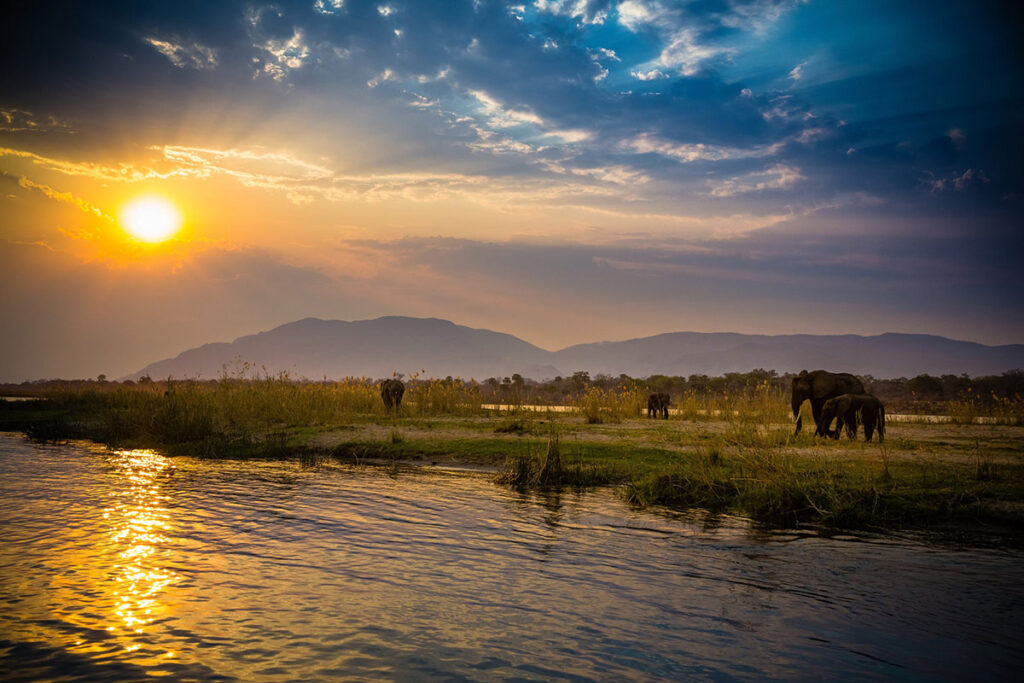
Lower Zambezi National Park, Zambia
Lower Zambezi National Park is one of Africa’s most breathtaking river-based safari destinations, stretching across 4,092 km² of pristine wilderness along the mighty Zambezi River in south-eastern Zambia. Known for its dramatic scenery, thriving wildlife populations and exclusive low-impact tourism model, the park offers a unique blend of land and water safaris that few destinations in Africa can match. With huge elephant herds, large buffalo groups, prolific hippo pods, powerful predators and over 400 bird species, Lower Zambezi is a paradise for wildlife lovers, photographers, adventure travelers and luxury safari enthusiasts alike. Facing Zimbabwe’s Mana Pools National Park, it forms one of Africa’s most important transboundary ecosystems, ensuring continuous wildlife movement and rich biodiversity on both sides of the Zambezi River.
Overview – Why Lower Zambezi is One of Africa’s Top Safaris
Lower Zambezi National Park has rapidly gained recognition as one of Africa’s premier safari destinations due to its outstanding combination of wildlife density, scenic beauty and immersive activities. Unlike busier parks, Lower Zambezi is intentionally developed for low visitor numbers, creating a sense of privacy and exclusivity. Canoe safaris along the river channels, motorboat cruises through quiet lagoons, walking safaris guided by expert rangers and classic 4×4 game drives offer a safari experience that is both varied and deeply engaging. With its calm channels, winterthorn forests, sandy riverbanks and the dramatic backdrop of the Zambezi escarpment, the park provides one of the most visually stunning safari landscapes in southern Africa.
Location, Size and Key Facts
Lower Zambezi National Park lies along the northern bank of the middle Zambezi River in Lusaka Province, roughly 150–200 km from the capital. The park is part of a massive wilderness stretch that includes Game Management Areas such as Chiawa and Rufunsa and connects directly with Mana Pools National Park in Zimbabwe across the river. This makes the region one of the largest unfenced wildlife landscapes in Africa, offering animals complete freedom of movement between river, woodland, plains and escarpment.
- Country: Zambia
- Province: Lusaka Province
- Total Area: 4,092 km² (1,580 square miles)
- Coordinates: Approx. 15.08° S, 29.61° E
- Altitude: 350 m at the valley floor to 1,400–1,500 m on the Zambezi Escarpment
- Established: 1983
- Adjacent Protected Areas: Mana Pools National Park (Zimbabwe), Chiawa GMA, Rufunsa GMA
- Main Safari Zones: Zambezi Riverfront, Floodplains, Inland Woodlands, Escarpment Foothills
This strategic location ensures a thriving, healthy ecosystem with continuous wildlife movement. For visitors, it means exceptional sightings and the opportunity to explore a landscape shaped by one of the world’s greatest rivers.
Geography and Landscapes
The geography of Lower Zambezi National Park is a beautifully layered system of environments. Starting in the north, the Zambezi escarpment rises steeply, covered in miombo woodland and rocky outcrops. This elevated landscape provides cooler temperatures and sweeping views of the valley below. Moving southward, the land descends through mopane woodland, acacia thickets, combretum forest and open savannas until it reaches the vast, fertile floodplain of the Zambezi River.
The floodplain is one of the park’s most iconic features—wide open spaces dotted with majestic winterthorn trees, nutrient-rich soils and countless grazing herbivores. The Zambezi River itself forms the southern boundary of the park and creates a mosaic of habitats: deep main channels, quiet lagoons, reed-fringed side channels, seasonal sandbanks and lush riverine forests. This diversity makes the park exceptionally photogenic, offering endless opportunities for landscape and wildlife photography.
Climate of Lower Zambezi National Park
The park experiences a tropical climate with distinct wet and dry seasons that greatly influence wildlife movements and visitor activities. Understanding the climate helps travelers choose the best time to visit based on their safari interests.
- Rainy Season (November–March): High temperatures, dramatic thunderstorms and lush green landscapes dominate this period. Wildlife is more dispersed but scenery is spectacular, and birding is at its absolute peak.
- Shoulder Season (April–May): The rains subside, skies clear and temperatures cool. Vegetation is still green but visibility improves, making this one of the most balanced times for both scenery and wildlife.
- Dry Season (June–October): This is the best period for wildlife viewing. The bush thins out, water sources shrink and animals congregate along the river. September and October are extremely productive but can be very hot.
Rainfall averages between 550–750 mm annually, with almost all of it falling in the wet season. The escarpment is cooler and more temperate, while the valley floor can reach high temperatures in late dry season.
Hydrology and the Importance of the Zambezi River
The Zambezi River is the heart and lifeblood of the Lower Zambezi ecosystem. As the river flows past the park, it divides into multiple channels and creates a complex network of wetlands, lagoons, sandbanks and islands. These water systems support enormous numbers of hippos, crocodiles, fish and waterbirds. During the dry season, almost all animals—elephants, buffaloes, antelope and predators—gravitate toward the river for water, making the riverfront the prime game-viewing zone.
Seasonal streams from the escarpment also play an important role, feeding temporary pans and grasslands that sustain wildlife early in the dry season before eventually drying up. These hydrological dynamics create a highly productive ecosystem where the interplay of water, soil and vegetation shapes the distribution of wildlife year-round.
Ecosystems and Habitat Diversity
Lower Zambezi National Park boasts an impressive variety of ecosystems, each supporting unique plant and animal communities. This habitat diversity is one of the main reasons the park supports such high wildlife density and biodiversity.
- Miombo Woodland: Found on the escarpment, this habitat is important for woodland birds, primates and browsers.
- Mopane Woodland: A key dry-season food source for elephants, kudu and other browsers.
- Acacia and Winterthorn Woodland: Supports numerous herbivores and offers prime predator hunting grounds.
- Riverine Forest: Dense, shady forests along the riverbank provide refuge for leopards, elephants and birdlife.
- Alluvial Floodplains: Rich grazing areas that attract buffalo, waterbuck, impala and predators.
- Lagoons and Wetlands: Home to hippos, crocodiles, fish species and prolific aquatic birdlife.
Vegetation and Flora
The flora of Lower Zambezi includes a mix of upland and lowland vegetation, each adapted to different soil types and moisture conditions. Key species include:
- Faidherbia albida: Producing nutritious pods in the dry season, essential for elephants and buffalo.
- Mopane Trees: Dominant in the valley, providing browse for a wide range of herbivores.
- Brachystegia and Julbernardia: Typical miombo species found on the escarpment.
- Kigelia africana (Sausage Tree): Known for its huge fruits and bright flowers, favored by birds, bats and browsers.
- Papyrus and Reeds: Supporting aquatic birds and stabilizing water channels.
Wildlife of Lower Zambezi National Park
Lower Zambezi is one of Zambia’s most wildlife-rich parks, offering exceptional sightings of large mammals, predators and birdlife. The park’s proximity to the river ensures reliable water sources, creating some of the most consistent wildlife encounters in southern Africa.
Mammals
The park is best known for its elephants—seen daily in large herds. Buffalo populations are strong, forming impressive herds that roam the floodplain. Hippos are abundant in every channel, and large Nile crocodiles bask on the sandy banks. Antelope species are plentiful, including waterbuck, impala, puku, kudu and bushbuck.
Predators are also well represented. Lions are often seen hunting on the floodplains or resting under winterthorn trees. Leopards thrive in woodland and riverine habitats, making Lower Zambezi one of the best leopard-viewing locations in Zambia. African wild dogs occur in small packs, while spotted hyenas are active throughout the valley.
Birdlife
With more than 400 recorded species, Lower Zambezi is a paradise for birdwatchers. Riverine forests host iconic species such as the African fish eagle, Goliath heron and trumpeter hornbill. The sandbanks attract African skimmers (seasonally), bee-eater colonies and kingfishers. The escarpment and woodlands host a wide range of raptors, rollers, starlings, orioles and woodpeckers. Migratory birds arrive from November, making the green season the most diverse period for birding.
Reptiles, Amphibians and Insects
Nile crocodiles are abundant along the river, while large lizards, geckos and several snake species inhabit the woodlands. Amphibian activity intensifies during the rainy season, when frogs and toads appear in large numbers. Insects are prolific: butterflies, dragonflies, beetles, ants and termites form the base of many food webs and contribute significantly to pollination and nutrient cycling.
Unique Features of Lower Zambezi National Park
Lower Zambezi stands out for its exceptional mix of land and water-based safari experiences. Canoe safaris allow visitors to glide silently past hippos, elephants and waterbirds at eye level—a rare and exhilarating experience. Boat cruises provide unmatched photo opportunities of animals drinking at the river’s edge. Walking safaris bring guests closer to the smaller details of the bush, and the absence of mass tourism ensures tranquil and uncrowded wildlife encounters. The park’s transboundary landscape with Mana Pools enhances its ecological value and scenic drama.
Cultural and Indigenous Communities
The Chiawa and Rufunsa communities have lived alongside the Zambezi River for generations. Their livelihoods traditionally revolve around fishing, agriculture and the sustainable use of natural resources. Today, many community members work in safari camps, participate in conservation programs and contribute to local tourism initiatives. Community-run projects support education, healthcare and anti-poaching efforts, strengthening the connection between local people and the long-term protection of the park.
Conservation Importance
Lower Zambezi National Park plays a critical role in protecting the mid-Zambezi Valley ecosystem. It supports major elephant and buffalo populations, secures essential predator habitats and protects riverine forests and wetlands that are crucial for biodiversity. Its connection to Mana Pools across the river creates one of Africa’s largest and most intact wildlife corridors, vital for genetic exchange and migratory movements. Conservation organizations and government agencies work tirelessly to combat poaching, mitigate human-wildlife conflict and preserve the integrity of this globally important ecosystem.
Threats and Conservation Challenges
- Poaching: Although reduced in recent years, poaching remains a threat and constant monitoring is essential.
- Mining Pressure: Proposed mining projects near or inside the park raise concerns about habitat destruction and pollution.
- Illegal Fishing and Resource Use: Unregulated fishing can reduce fish populations and harm aquatic ecosystems.
- Climate Change: Altered rainfall patterns and rising temperatures pose long-term risks to habitats and wildlife.
- Human–Wildlife Conflict: Crop damage and livestock predation create tensions with surrounding communities.
Research and Monitoring
Conservation organizations conduct a variety of research programs in the park, including tracking elephant movements with satellite collars, conducting aerial wildlife surveys, monitoring lion and wild dog populations, and collecting anti-poaching data. These efforts guide decision-making and ensure that conservation strategies adapt to changing conditions. Lodges also contribute by recording wildlife sightings, supporting ecological studies and participating in community-led conservation projects.
Safari Activities in Lower Zambezi
- 4×4 Game Drives: Explore floodplains, woodlands and inland valleys with experienced guides.
- Canoe Safaris: One of Africa’s best canoeing destinations, offering close encounters with hippos, elephants and waterbirds.
- Boat Cruises: Perfect for photography, sunset views and wildlife along the river.
- Walking Safaris: Discover tracks, plants, insects and birdlife up close with armed guides.
- Tiger Fishing: Catch-and-release fishing for the powerful tigerfish.
- Night Drives: Spot nocturnal species such as civets, genets, porcupines and hunting leopards.
How to Get to Lower Zambezi National Park
- By Air: Short flights from Lusaka to Jeki or Royal airstrips offer the fastest access.
- By Road: 4×4 routes are available via Chirundu, though challenging in rainy months.
- By Boat: Many lodges offer scenic river transfers from nearby launch points.
Park Fees and Visiting Rules
Visitors pay daily park entry fees, vehicle fees (if self-driving) and optionally fishing permits. Rules include respecting wildlife, staying within designated routes, avoiding off-road driving, and following fishing regulations. Drones require special permits. Always verify current tariff rates with Zambia Tourism or your lodge.
Accommodation in Lower Zambezi National Park
- Luxury Tented Camps: Offering riverfront suites with private decks and premium services.
- Classic Bush Camps: Focused on walking, canoeing and a traditional safari atmosphere.
- GMA Lodges: Excellent wildlife viewing with access to the national park.
- Community Camp Partnerships: Supporting conservation and local development.
Camp numbers are limited and demand is high, especially between July and October. Advance reservations are strongly recommended.
Best Time to Visit Lower Zambezi National Park
- June–August: Pleasant temperatures, excellent game viewing and ideal water levels.
- September–October: Peak wildlife concentration; hot but extraordinarily productive for sightings.
- November–March: The green season offers lush scenery, dramatic skies and exceptional birding.
Why Lower Zambezi National Park Is a Must-Visit Safari Destination
Lower Zambezi National Park delivers one of Africa’s most immersive, varied and memorable safari experiences. With its dramatic landscapes, diverse wildlife, world-class guiding and unique river-based activities, it combines adventure, luxury and wilderness in perfect harmony. Whether gliding past elephants on a canoe, watching lions stalk the floodplains or photographing sunset over the Zambezi River, every moment feels timeless. For travelers seeking a truly exceptional African safari, Lower Zambezi stands as one of the continent’s finest destinations.