
Lwiro Primate Rehabilitation Center
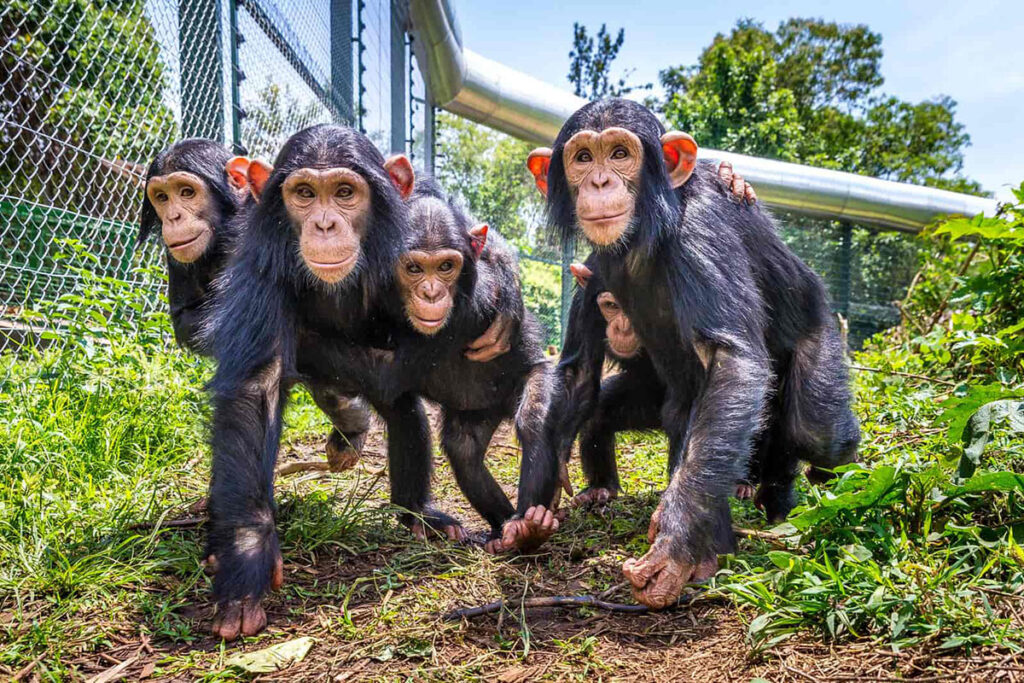
Lwiro Primate Rehabilitation Center – A Complete Guide to Primate Rescue, Wildlife Conservation, Rehabilitation and Ethical Tourism in the Democratic Republic of Congo
The Lwiro Primate Rehabilitation Center (CRPL) stands as one of Africa’s most important and impactful primate sanctuaries. Located in the highlands of South Kivu in the eastern Democratic Republic of Congo, just 50 km from Bukavu and bordering Kahuzi-Biega National Park, Lwiro plays a crucial role in protecting endangered primates affected by poaching, bushmeat hunting, habitat loss and illegal wildlife trafficking. Founded in 2002, the sanctuary has grown into a world-class operation providing long-term care for more than 200 primates. Through rescue, veterinary treatment, rehabilitation, scientific research, community involvement and tourism education, Lwiro has become a symbol of hope and resilience for one of the world’s most threatened ecosystems.
Overview – A Sanctuary at the Heart of a Biodiversity Hotspot
Lwiro Primate Rehabilitation Center is uniquely positioned in one of Earth’s most biodiverse regions, the Congo Basin. Its proximity to Kahuzi-Biega National Park—a UNESCO World Heritage Site known for Grauer’s gorillas and rich montane forests—makes it a strategic center for wildlife rescue. The cool, stable high-altitude climate (1,700–1,900 meters) supports rapid recovery for traumatized primates. Lwiro’s mission goes beyond immediate rescue: the sanctuary operates as a refuge, educational center, research platform and conservation pillar. Its experienced caregivers, veterinarians, conservationists and community educators work tirelessly to protect primates while strengthening local support for wildlife conservation.
History of the Lwiro Primate Rehabilitation Center
The history of Lwiro is rooted in crisis response. During periods of conflict in the early 2000s, poaching surged and illegal wildlife trafficking intensified. Chimpanzees and monkeys were targeted for the bushmeat trade, leaving countless infants orphaned. The Congolese Institute for Nature Conservation (ICCN), along with international partners, recognized the urgent need to provide care for confiscated primates. Lwiro was formally established in 2002 within the grounds of the Lwiro Scientific Research Center, one of Central Africa’s oldest research institutions. Over time, what began as an emergency rescue operation expanded into a sophisticated rehabilitation and conservation center with advanced veterinary facilities, species-specific enclosures, behavioral rehabilitation programs and extensive community outreach.
Geography and Surrounding Environment
Lwiro’s location in the fertile highlands of South Kivu positions it at the transition between montane forests and tropical rainforest ecosystems. These landscapes are rich in biodiversity, volcanic soils and dense vegetation that support numerous primate species. The sanctuary’s environment closely resembles the forests where orphaned chimpanzees and monkeys originate, allowing them to recover in a landscape that feels familiar. Its proximity to Kahuzi-Biega National Park—one of the last strongholds of Grauer’s gorillas—creates a powerful ecological corridor that supports regional conservation efforts. The sanctuary’s position within a research campus enhances its capacity for scientific study, making Lwiro a unique blend of conservation and research infrastructure.
Climate and Its Importance to Rehabilitation
The climate around Lwiro is cool and mild due to its high elevation. Temperatures remain moderate, which helps ease stress for newly rescued primates recovering from injury or trauma. Rains are plentiful from September to May, nourishing the vegetation in and around enclosures and providing natural enrichment. The dry season, from June to August, offers bright skies and cooler temperatures ideal for both animal health and visitor access. This consistent climate helps stabilize primates emotionally and physically, especially infants who require controlled temperatures and supportive environments to recover from malnutrition and dehydration.
The Rescue and Rehabilitation Process – A Lifeline for Orphaned Primates
Every primate arriving at Lwiro has survived extreme hardship. Many were confiscated from traffickers who intended to sell them on the illegal pet market. Others were rescued after their families were killed for bushmeat. The rehabilitation process at Lwiro is meticulous, compassionate and guided by international standards for primate welfare. It consists of several critical stages designed to rebuild trust, restore health and reestablish natural behaviors.
- Confiscation and Transport: ICCN officers rescue primates during anti-poaching and anti-trafficking operations. Lwiro prepares emergency transport and immediate care.
- Quarantine: All new arrivals undergo strict quarantine, where veterinarians perform full health assessments, disease testing and immediate treatment for injuries.
- Veterinary Rehabilitation: Specialists treat malnutrition, dehydration, broken bones, infections and parasitic illnesses—common conditions in confiscated infants.
- Emotional Recovery: Orphaned primates often experience profound trauma. Caregivers provide emotional comfort, feeding support and constant reassurance.
- Social Integration: Once stable, primates gradually join carefully selected social groups where they learn communication skills, grooming behaviors and social dynamics.
- Long-Term Sanctuary Care: Due to insecurity and habitat degradation, most primates cannot safely return to the wild. Lwiro offers lifelong protection in large, naturalistic enclosures.
This holistic approach ensures that rescued primates regain strength, confidence and natural behaviors while living in groups that resemble their wild social structures.
Wildlife at Lwiro Primate Rehabilitation Center
The sanctuary hosts one of the most diverse primate populations of any rehabilitation center in Africa. Each species represents a distinct part of Congo’s ecological heritage and faces its own set of conservation challenges. Lwiro’s work supports the survival of these species and preserves their unique behaviors, genetics and social structures.
Chimpanzees
The center is home to more than 100 eastern chimpanzees (Pan troglodytes schweinfurthii). These highly intelligent and socially complex primates often arrive as infants in severe distress. Lwiro provides specialized care, including specialized milk formulas, physical therapy, enrichment tools, climbing structures and group integration. Chimpanzees form deep bonds within their new families, practicing vocal communication, grooming, play and conflict resolution. Because release opportunities are extremely limited in eastern Congo, Lwiro serves as a permanent sanctuary, ensuring rescued chimps enjoy safety, stability and meaningful social lives.
Monkey Species
More than a dozen monkey species find refuge at Lwiro, including endangered and endemic species. These monkeys come from forests across eastern DR Congo and are often rescued as infants after their mothers were killed. Each species has unique behavioral needs, making the sanctuary’s work highly specialized and dynamic.
- Blue monkeys
- Red-tailed monkeys
- De Brazza’s monkeys
- Grey-cheeked mangabeys
- Black-and-white colobus monkeys
- Vervet monkeys
- Olive baboons
- L’Hoest’s monkeys
These species differ in social structures, feeding habits, temperament and natural habitat preferences. Lwiro creates species-specific enclosures and diets to accommodate their distinct ecological needs.
Additional Wildlife
On occasion, Lwiro temporarily houses other wildlife species confiscated from traffickers, such as parrots, small mammals and rare birds. These animals stay briefly before being transferred to specialized centers, demonstrating Lwiro’s wider role in combatting wildlife crime.
Unique Features That Make Lwiro Exceptional
Lwiro’s uniqueness stems from its combination of rehabilitation capacity, scientific research infrastructure and community integration. It is one of the few primate sanctuaries in Africa situated inside a research institution, giving it unparalleled access to scientific expertise. The sanctuary’s altitude creates an environment that matches natural primate habitats, supporting psychological recovery. Its scale—housing more than 200 primates—makes it one of the largest primate sanctuaries on the continent, enabling large social groups, naturalistic behaviors and complex enrichment programs.
Community Partnerships and Local Engagement
The success of Lwiro is deeply tied to the support of surrounding communities. Local residents are employed as caregivers, technicians, builders, educators and security personnel. This employment reduces dependence on poaching, charcoal production or forest encroachment. Education programs in schools teach thousands of children each year about primate conservation, ecological balance and the dangers of wildlife trafficking. Community outreach builds pride in local biodiversity and fosters long-term conservation stewardship.
Conservation Importance
Lwiro plays a pivotal role in protecting endangered primates of the Congo Basin. Without a sanctuary, law enforcement agencies would struggle to confiscate trafficked animals, as they would have nowhere to place them. By providing a safe haven, Lwiro directly strengthens anti-poaching operations, reduces the incentive for wildlife trafficking and protects the genetic diversity of multiple primate species. The sanctuary also supports scientific studies, ecological monitoring and conservation planning in Kahuzi-Biega National Park—one of the last remaining refuges of the critically endangered Grauer’s gorilla.
Threats Facing Primates in Eastern DR Congo
- Bushmeat hunting: A major driver of primate population decline.
- Illegal pet trade: Infants captured alive after their families are killed.
- Habitat destruction: Driven by mining, agriculture, logging and charcoal production.
- Armed conflict: Insecurity weakens conservation law enforcement.
- Disease transmission: Captive trafficking conditions spread pathogens.
Research and Scientific Collaboration
Lwiro collaborates with scientists worldwide to advance knowledge on primate care, nutrition, behavior and rehabilitation success. Studies conducted at the sanctuary contribute to global understanding of Great Ape welfare and support conservation strategies across Central Africa. Lwiro also assists with wildlife monitoring programs in Kahuzi-Biega National Park, helping track the health and numbers of endangered species.
Tourism, Educational Visits and Ethical Experiences
Visitors to Lwiro receive guided tours that are both educational and ethically responsible. These visits allow guests to observe primates in naturalistic enclosures, learn the animals’ rescue stories and understand the threats facing Congo’s wildlife today. Tourism income helps fund food, medicine, staffing and rescue operations. Tours emphasize conservation values, responsible wildlife viewing and the importance of supporting legal, sustainable practices.
How to Get to Lwiro
- By Air: Fly into Kamembe International Airport (Rwanda), cross into Bukavu, then continue to Lwiro.
- By Road: A scenic 50 km drive from Bukavu; 4×4 recommended during rainy months.
- Combined Experiences: Many visitors combine Lwiro with gorilla trekking in Kahuzi-Biega National Park.
Visitor Guidelines
- No touching or feeding primates.
- Keep voices low and movements calm.
- Photography must follow staff instructions.
- No food near enclosures.
- Always follow conservation and hygiene protocols.
Accommodation Options Near Lwiro
Guests can stay in Bukavu’s hotels, lakeside lodges, midrange guesthouses or eco-lodges near Kahuzi-Biega National Park. Many accommodations offer guided tours, transportation and combined primate conservation itineraries. Community-run lodges also provide authentic cultural experiences while supporting local livelihoods.
Best Time to Visit
- June–September: Cool, dry and ideal for sanctuary visits and gorilla trekking.
- December–February: Warm, pleasant and suitable for travel.
- March–May: Rainy but green and scenic, though roads may be challenging.
Why Lwiro Primate Rehabilitation Center Is Special
Lwiro Primate Rehabilitation Center is far more than a sanctuary—it is a lifeline for Congo’s most vulnerable wildlife and a beacon of hope for conservationists worldwide. Through rescue, rehabilitation, scientific research and community education, Lwiro protects endangered primates and strengthens conservation in one of the richest ecosystems on Earth. For visitors, Lwiro offers a deeply meaningful conservation experience. For the primates, it is a place of healing, safety and dignity. And for the Democratic Republic of Congo, it stands as a symbol of resilience, environmental protection and global conservation leadership.