
Manovo-Gounda St. Floris National Park
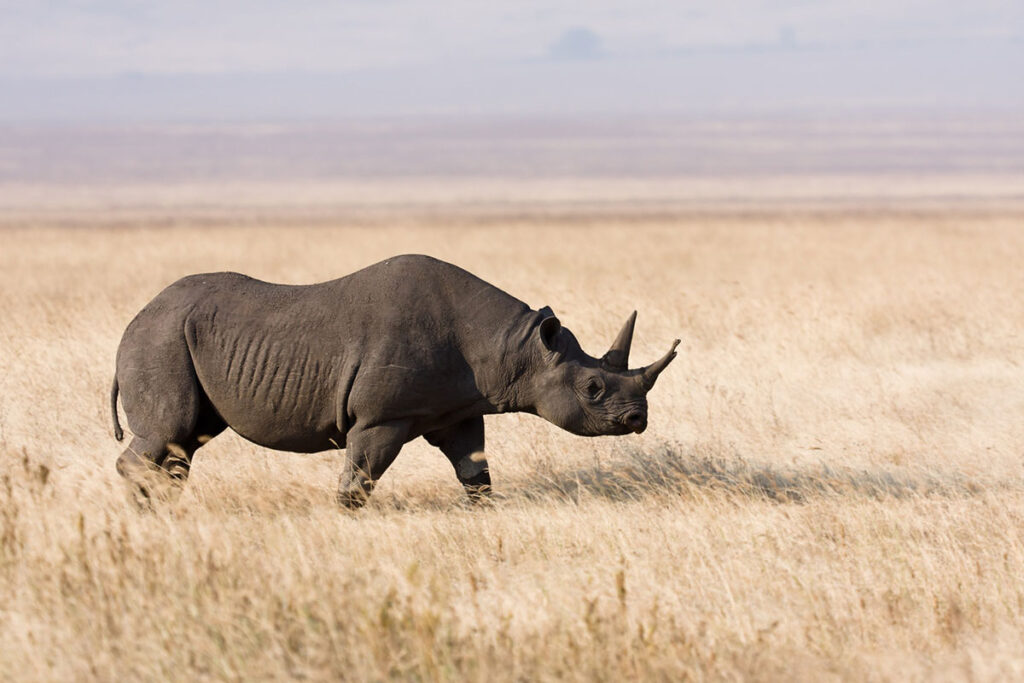
Manovo-Gounda St. Floris National Park Central African Republic – UNESCO World Heritage Savanna Wilderness, Wildlife Recovery, Floodplains, and Remote African Safaris
Manovo-Gounda St. Floris National Park is one of Africa’s most extraordinary and ecologically significant wilderness areas. This remarkable UNESCO World Heritage Site spans approximately seventeen thousand four hundred square kilometers of untouched savanna, river valleys, floodplains, gallery forests, and rugged escarpments. Located in the northeastern region of the Central African Republic, the park forms one of the largest and most intact protected ecosystems in Central Africa. For travellers searching for Manovo-Gounda St. Floris National Park safaris, Central African Republic wildlife destinations, or authentic UNESCO natural heritage wilderness experiences in Africa, this park stands out as a destination of global ecological importance.
Despite challenges caused by poaching, habitat pressure, and regional insecurity, Manovo-Gounda St. Floris National Park remains one of the continent’s greatest opportunities for ecological restoration. Its diverse landscapes once supported some of the largest wildlife concentrations in Central Africa, including elephants, lions, cheetahs, buffalo, black rhinoceroses, and vast herds of antelope. With its immense scale, pristine habitats, and rare wetland systems, the park is considered one of the most strategically important conservation areas in Africa today.
Overview – Why Manovo-Gounda St. Floris National Park Is Ecologically Irreplaceable
Manovo-Gounda St. Floris National Park is ecologically irreplaceable because it combines vast savanna plains, seasonal floodplains, riverine forests, and mountainous landscapes within a single protected area. Established in 1979, this enormous national park once supported some of the most impressive wildlife concentrations in Central Africa. Elephants roamed freely across the open plains, lions patrolled the river valleys, and black rhinoceroses grazed in the lush floodplain meadows. Rare antelope species thrived in the wide grasslands, while countless bird species gathered in extraordinary numbers along the wetlands, oxbow lakes, and marshy river systems.
The park earned its UNESCO World Heritage status for hosting what was considered the greatest variety of large mammals in the Central African region at the time of its inscription. Although wildlife populations have declined over recent decades, the core ecosystems remain remarkably intact, offering the foundation for long-term ecological recovery. Conservation scientists regard Manovo-Gounda St. Floris National Park as one of the most important natural laboratories in Africa for studying savanna ecology, climate patterns, wetland hydrology, migration routes, and the impacts of human pressure on large protected landscapes.
Because of its immense size, ecological diversity, and remote wilderness quality, the park presents a rare opportunity to restore not just individual species but an entire functioning savanna ecosystem. With strengthened management, anti-poaching initiatives, improved security, and local community involvement, Manovo-Gounda St. Floris National Park has the potential to once again support thriving wildlife populations and develop sustainable, conservation-based tourism in the years to come.
Location and Size – Where Manovo-Gounda St. Floris National Park Is Found
Manovo-Gounda St. Floris National Park is located in the far northeastern corner of the Central African Republic, forming part of one of the most remote and least-disturbed wilderness regions in Central Africa. The park borders the Republic of Chad to the north and the Republic of Sudan to the east, positioning it within a vast transboundary savanna and wetland ecosystem that is ecologically connected to several major wildlife corridors of the Sahel and Central African savannas.
Covering an enormous area of approximately 17,400 square kilometers, Manovo-Gounda St. Floris is the largest national park in the Central African Republic and one of the most extensive protected savanna landscapes in Africa. Its size allows it to preserve entire ecological systems—including floodplains, seasonal rivers, gallery forests, wooded savannas and mountain foothills—making it a critical refuge for wildlife that has disappeared from many other parts of the region.
The park forms the southern section of a greater conservation complex that includes Bamingui-Bangoran National Park and several adjacent reserves. Together, these protected areas create one of the continent’s most significant continuous savanna ecosystems, stretching across immense plains, the Gounda and Koumbala river basins, and marshlands that support both resident and migratory wildlife. This vast landscape once rivaled East Africa’s Serengeti ecosystem in terms of wildlife abundance and openness.
Access to Manovo-Gounda St. Floris National Park remains extremely limited due to its isolation and the lack of developed infrastructure. Reaching the park typically requires charter flights, specialized overland expeditions, or entry as part of guided conservation and research missions. While tourism is currently minimal, the park’s unrivaled landscapes and ecological importance mean that, with improved conservation and regional stability, it has the potential to become one of Africa’s most exclusive and unforgettable wilderness safari destinations.
Geography and Landscapes – A Dramatic African Wilderness
The geography of Manovo-Gounda St. Floris National Park is one of its most captivating features. The northern and central portions of the park consist of wide, open savanna plains where tall grasses dominate the landscape. These grasslands historically supported enormous herds of kob antelope, hartebeest, buffalo, and other grazing mammals that once moved across the plains in their thousands.
During the rainy season, the plains transform into emerald-green meadows dotted with seasonal pools that attract birds, amphibians, and mammals. During the dry season, the grasslands become golden and sparse, concentrating wildlife along the river systems where water remains available. This natural seasonal rhythm created some of the most dramatic wildlife spectacles in Central Africa.
The southern region of the park is completely different in character. Here rises the Bongo Massif, a dramatic sandstone mountain range covered in dense vegetation and steep cliffs. This rugged topography offers cooler temperatures, highland forests, and unique habitats not found elsewhere in the park. The escarpment also creates spectacular viewpoints from which visitors can overlook the vast plains stretching out to the horizon.
The combination of savanna, wetland, and mountainous terrain gives the park exceptional landscape diversity, making it a fascinating destination for nature photographers, researchers, and future eco-tourists.
Climate – Seasonal Cycles That Shape the Ecology
The climate of Manovo-Gounda St. Floris National Park follows a tropical savanna pattern with two dominant seasons: a long dry season and a long rainy season. The dry season extends from November through April. During this time, rainfall is minimal, temperatures rise steadily, and many seasonal rivers shrink into shallow channels. Wildlife becomes highly dependent on the remaining water sources, making river valleys and floodplain edges the most active wildlife zones.
The rainy season runs from May through October. This period brings heavy rainfall, replenishing rivers, filling seasonal marshes, and transforming the plains into a lush, green landscape. Vegetation grows rapidly, food becomes abundant, and many animals breed during this time. Bird activity reaches its peak as migratory species and waterbirds flock to the wetlands.
Although the rainy season provides stunning scenery, the increased rainfall also makes travel extremely difficult. Roads turn to mud, rivers overflow their banks, and floodplains become impassable. For ecological research, however, the rainy season is a vital time to study water flow, vegetation cycles, and wildlife reproduction patterns.
Hydrology – Rivers and Wetlands That Sustain Life
Hydrology is one of the most important ecological components of Manovo-Gounda St. Floris National Park. The park is dominated by the Manovo, Gounda, and Koumbala Rivers, which feed an intricate network of seasonal wetlands, oxbow lakes, and floodplains. These waterways support a rich variety of life, from fish and amphibians to large mammals and birds.
During the rainy season, the rivers swell and spread into expansive wetlands that form one of the most productive freshwater ecosystems in the region. These marshes and floodplains attract hippos, antelope, crocodiles, and spectacular concentrations of birds. They also supply essential water and nutrients to plant communities throughout the park.
Even during the dry season, the deeper sections of the rivers continue to provide water for wildlife, making these river corridors vital to the park’s survival. Hydrological patterns also shape migration routes and seasonal movements of animals, making the rivers essential for long-term conservation planning.
Ecosystems and Habitats – A Rich Tapestry of Life
Manovo-Gounda St. Floris National Park contains one of the most diverse collections of ecosystems in the region. These include:
- Open savanna grasslands that support grazing herbivores and predators.
- Wooded savannas with acacia and Terminalia species, providing shade and food.
- Gallery forests lining the rivers, home to primates, birds, and amphibians.
- Wetlands and seasonal floodplains with rich aquatic life and migratory birds.
- Sandstone mountains and escarpments offering unique flora and cooler forest habitats.
This combination of habitats creates high ecological complexity and makes the park suitable for a broad range of species. It is this diversity that gives the park its global conservation value.
Vegetation – The Foundation of the Ecosystem
The vegetation of Manovo-Gounda St. Floris National Park varies widely across the landscape. The grasslands support tall grasses such as Hyparrhenia and Vetiveria species, which provide food for herbivores and nesting sites for many birds. In the wooded savannas, acacia trees, thorny shrubs, and drought-resistant hardwoods dominate the landscape.
Riverine forests along the major rivers are among the most biologically diverse areas in the park. They contain fruit-bearing trees, thick undergrowth, and moist soils that sustain amphibians, reptiles, and birds. These forests serve as refuges during the hot dry season and play an essential role in stabilizing riverbanks and maintaining water quality.
The floodplains are dominated by aquatic grasses, reeds, and papyrus. These plants support fish populations, filter sediments, and sustain wetland food chains from insects all the way up to large mammals. Throughout the park, vegetation patterns shift with the seasons, creating a dynamic environment that supports a rich web of life.
Wildlife of Manovo-Gounda St. Floris National Park
Although wildlife numbers have declined due to human pressures, Manovo-Gounda St. Floris National Park holds enormous potential for recovery. With the implementation of effective conservation measures, the park could once again support large populations of the species it was historically known for.
Mammals
Historically, the park supported:
- African elephants that moved across the plains and river valleys.
- Black rhinoceroses, which once lived in the savanna but are now locally extinct.
- Lions, leopards, and cheetahs that thrived as apex predators.
- Buffalo, hartebeest, kob, and waterbuck that grazed in large herds.
- Hippopotamuses and Nile crocodiles that lived in the rivers and wetlands.
While some species remain present in reduced numbers, conservationists are working toward long-term recovery strategies that could restore wildlife populations to sustainable levels. The size and habitat diversity of the park make it ideal for future reintroduction efforts and natural recolonization.
Birds
The park is internationally recognized for its birdlife. Floodplains attract large numbers of storks, herons, cranes, waders, and migratory species. Raptors such as eagles, vultures, and hawks patrol the savanna. With its river systems, wetlands, and grasslands, the park offers one of the most important bird habitats in the Central African region.
Reptiles and Amphibians
The rivers and wetlands support a thriving community of reptiles and amphibians, including Nile crocodiles, turtles, lizards, frogs, and toads. These species form a crucial part of the park’s food web. Their presence indicates healthy river and wetland systems, which are essential for ecological stability.
What Makes Manovo-Gounda St. Floris National Park Unique?
- It is the largest national park in the Central African Republic.
- It is a UNESCO World Heritage Site with outstanding global ecological importance.
- It protects one of Africa’s most extensive savanna-floodplain ecosystems.
- It has exceptional potential for wildlife reintroduction and ecological restoration.
- It offers dramatic landscapes, from wide grasslands to towering sandstone mountains.
Local Communities and Cultural Context
Communities living around Manovo-Gounda St. Floris National Park rely on fishing, herding, and small-scale agriculture. Their cooperation and involvement are vital to conservation success. Sustainable tourism, community conservation programs, and benefit-sharing initiatives can support local livelihoods while protecting natural resources.
Conservation Challenges
Major challenges facing the park include:
- Poaching and illegal wildlife trade
- Unregulated grazing by livestock
- Illegal mining and resource extraction
- Limited funding for park management
- Regional insecurity that restricts access
Despite these obstacles, international conservation organizations and government partners recognize the park as a priority for ecological restoration. Long-term strategies are being developed to strengthen law enforcement, engage local communities, and improve scientific monitoring.
Research and Monitoring
Research in Manovo-Gounda St. Floris National Park includes wildlife surveys, vegetation mapping, hydrological studies, and climate monitoring. These studies help guide decisions on species reintroduction, anti-poaching operations, and ecosystem management. Because the park is so large and diverse, it offers unique opportunities for studying savanna ecology on a landscape scale.
Future Safari Tourism Potential
Although tourism is currently limited due to access restrictions, the park has the potential to become one of Africa’s most exclusive wilderness destinations. Its vast savannas, dramatic scenery, and ecological richness make it ideal for future eco-tourism lodges, photographic safaris, guided expeditions, and birdwatching tours. With restored wildlife populations and improved security, Manovo-Gounda St. Floris could offer an unparalleled wilderness experience for travellers seeking remote and authentic African adventures.
Best Time to Visit Manovo-Gounda St. Floris National Park
- November to April: Dry season, best wildlife viewing, clear skies, and easier travel conditions.
- May to October: Rainy season, lush scenery, excellent birdlife, but challenging road access.
Why Manovo-Gounda St. Floris National Park Deserves Global Conservation Support
Manovo-Gounda St. Floris National Park is one of the last large-scale opportunities to restore a complete African savanna ecosystem. Its immense size, ecological diversity, and unique wilderness landscapes make it a flagship project for conservation in Central Africa. With long-term protection, strengthened partnerships, and community involvement, the park could once again become a thriving sanctuary for wildlife and one of the most extraordinary wilderness destinations in Africa.