
Mashatu Game Reserve
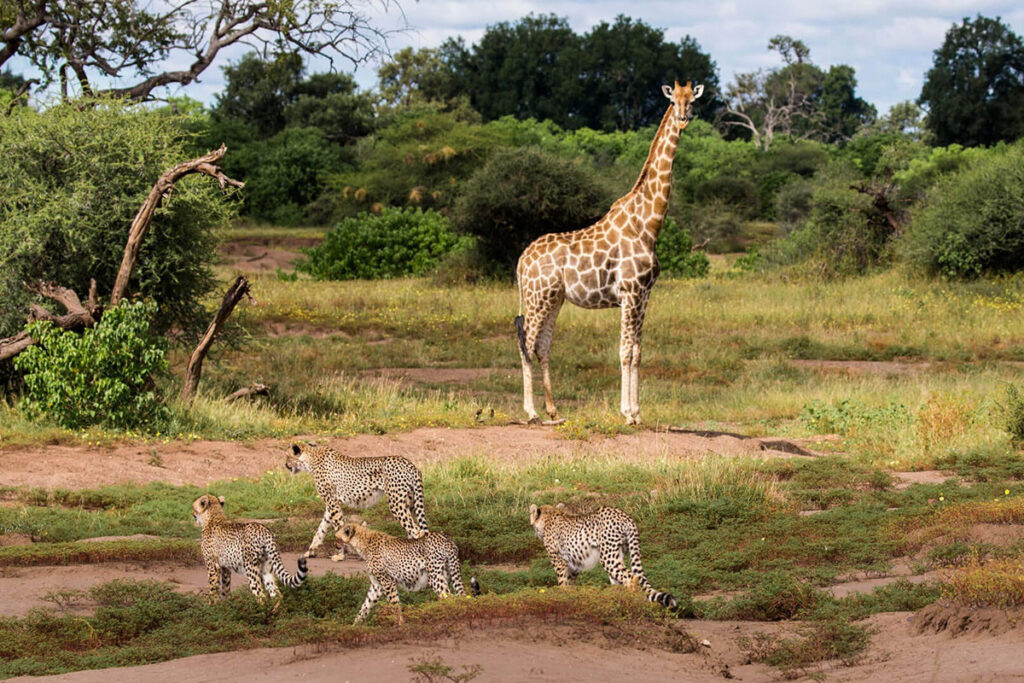
Mashatu Game Reserve, Botswana – Land of the Giants, Big Cats, Elephant Herds, Photographic Hides and Adventure Safaris in the Northern Tuli Game Reserve
Mashatu Game Reserve Botswana – Land of the Giants, Big Cats, Elephant Herds, Photographic Hides and Adventure Safaris in the Northern Tuli Game Reserve is one of Southern Africa’s most exciting private safari destinations. Set in Botswana’s remote eastern corner, where the Limpopo and Shashe Rivers meet and the borders of Botswana, South Africa and Zimbabwe converge, Mashatu protects a vast tract of wild savanna, rugged sandstone ridges and lush riverine forest. The reserve is especially famous for its enormous elephant herds, prolific predators and world-class photographic hides sunk at water level. For travelers searching for Mashatu Game Reserve safaris, private Botswana safari holidays and uncrowded big cat destinations, Mashatu is a premier choice.
Often called the “Land of the Giants” thanks to its massive elephants, towering baobabs, giant Mashatu (nyala berry) trees, eland and giraffe, Mashatu Game Reserve offers a truly wild safari atmosphere with far fewer vehicles than in many better-known reserves. Guests enjoy flexible, activity-rich itineraries that can include traditional game drives, guided walking safaris, mountain bike safaris and time in specialist photographic hides. When you combine this diversity of experiences with easy access from South Africa and a strong conservation ethos, it is easy to see why Mashatu features so highly in carefully planned Botswana safari itineraries.
Overview of Mashatu Game Reserve
Mashatu Game Reserve forms part of the larger Northern Tuli Game Reserve, one of Southern Africa’s largest contiguous private conservation areas. Covering around 42,000 hectares (approximately 420 km²) of protected wilderness, Mashatu sits at the heart of a cross-border wildlife landscape that includes South Africa’s Mapungubwe National Park and Zimbabwe’s Tuli Safari Area. With no internal fences, this transfrontier setting allows animals to move naturally across the landscape, maintaining healthy populations and natural migration routes.
Within its borders, Mashatu Game Reserve Botswana conserves large populations of elephants, lions, leopards, cheetahs, hyenas, giraffes, eland, zebra, wildebeest and a wealth of smaller mammals and antelope species. The reserve is run as a non-consumptive, photographic destination – there is no trophy hunting – and tourism revenue directly supports conservation management, anti-poaching operations and local employment. This model has helped establish Mashatu as one of the most reliable and rewarding places in Botswana for year-round big game viewing.
Location and Size – Where Is Mashatu Game Reserve?
Mashatu Game Reserve is located in Botswana’s eastern Tuli Block, a narrow strip of private and communal land along the country’s border with South Africa and Zimbabwe. The reserve lies at the confluence of the Limpopo and Shashe Rivers, a scenic, ecologically important area that acts as a natural gateway between three countries. This strategic position makes Mashatu part of a broader transfrontier conservation area and an important wildlife corridor for elephants and other wide-ranging species.
The reserve’s 42,000 hectares protect an impressive mix of classic African savanna, riverine woodland and rocky hills within the wider Northern Tuli Game Reserve. Although it is smaller than Botswana’s vast public parks such as the Okavango Delta or Chobe National Park, Mashatu’s size is ideal for intensive, high-quality game viewing. Guides know the terrain intimately and can quickly reach key wildlife hotspots, which is especially valuable for photographers and serious wildlife enthusiasts who want to maximize sightings during a short stay.
Geography and Landscapes of Mashatu
The landscapes of Mashatu Game Reserve Botswana are some of the most distinctive in Southern Africa. Broad, open plains and semi-arid savanna are broken by rugged sandstone ridges, rocky koppies and towering cliff faces. These dramatic landforms create natural viewpoints and predator lookouts, as well as spectacular backdrops for sunrise and sunset photography when the rocks and grasslands glow in warm, golden light.
Along the Limpopo and Shashe Rivers, lush riverine forests dominated by Mashatu, ana and fig trees offer cool refuge for elephants, baboons, leopards and a wide array of birdlife. Seasonal sand rivers and dry channels dissect the reserve, flowing only after summer rains but acting as wildlife highways year-round. Scattered across the plains, ancient baobab trees and lone camelthorn trees stand as iconic silhouettes, giving Mashatu that timeless “old Africa” atmosphere that many safari travelers dream about.
Climate – Weather in Mashatu Game Reserve
Mashatu lies in a semi-arid savanna zone with two main seasons: a hot, wet summer and a cooler, dry winter. Understanding the climate helps visitors choose the best time to visit Mashatu Game Reserve for their interests.
From roughly November to March, summer brings high daytime temperatures that can reach the mid-30s °C, as well as short, intense afternoon thunderstorms. This is the green season, when the bush transforms from dusty browns to lush greens. Many herbivores give birth, birdlife is at its most active and colorful, and dramatic cloud formations create superb photographic conditions. This period is ideal for travelers who enjoy fewer vehicles, rich colors and don’t mind the heat or occasional storms.
From May to August, winter is generally dry and mild, with warm sunny days and cool or cold nights. This is considered the classic dry-season safari period. Vegetation thins out, visibility improves and animals concentrate around rivers and waterholes, making game viewing particularly productive. The shoulder months of April, September and October often offer a balance between green and dry-season benefits, although October can become very hot before the first summer rains.
Hydrology – Rivers, Pans and Waterholes
Water shapes life in Mashatu. The Limpopo River, one of Southern Africa’s great rivers, runs along part of the reserve’s southern boundary, while the Shashe River adds further complexity to the system. These river corridors support dense belts of riverine forest and provide perennial or near-perennial water sources that attract elephants, antelope, predators and birds throughout the year.
During the summer rainy season, smaller tributaries and normally dry channels come briefly to life, filling natural pans and man-made waterholes. As the dry season progresses, many of these ephemeral sources fade, making the remaining waterholes and pumped pans critical gathering points for wildlife. Several of these waterholes are overlooked by sunken photographic hides, where guests can sit at eye level as elephants, giraffes, big cats and smaller mammals come to drink – one of the most unique experiences on a Mashatu photographic safari.
Ecosystems and Habitats in Mashatu Game Reserve
Despite its relatively compact area, Mashatu Game Reserve Botswana protects a rich mosaic of savanna ecosystems. This variety of habitats supports high wildlife densities and allows guests to experience very different environments on a single game drive.
- Open savanna and grassland plains: Wide views and good visibility make these plains ideal for viewing large herds of zebra, wildebeest, impala and eland, as well as the lions, cheetahs and leopards that hunt them.
- Riverine forest: Along the Limpopo and Shashe rivers, dense belts of Mashatu, ana and fig trees provide shade, food and cover for elephants, baboons, leopards, bushbuck and rich birdlife.
- Rocky hills and sandstone ridges: Elevated areas offer den sites for leopards and hyenas, plus perfect perches for eagles and vultures.
- Acacia and mopane woodland: Browsers such as giraffe, kudu and elephants favor these woodlands, especially in the dry months.
- Seasonal pans and marshes: After rain, low-lying areas hold water for weeks or months, attracting herbivores and a variety of waterbirds.
Because these habitats lie close together, game drives are exceptionally varied. In just a few hours, you might track cheetah across the plains, watch elephants feeding in the riverine forest and end with sundowners on a rocky ridge overlooking the sprawling Tuli landscape.
Vegetation – Mashatu Trees, Baobabs and Savannah Flora
Vegetation in Mashatu is dominated by classic southern African savanna flora. Along dry riverbeds and major watercourses, the iconic Mashatu tree (nyala berry) forms broad, shady canopies. These trees are a key food source for elephants, monkeys and birds, and they give the reserve its name. Together with towering ana trees and stately fig trees, they create a lush riverine belt that contrasts beautifully with the more open plains.
Away from the rivers, mopane woodland, acacia thickets and mixed bushveld support grazers and browsers, while open grasslands provide prime habitat for plains game. Scattered across these areas, ancient baobabs with their massive trunks and sculpted branches add a dramatic, almost mythical quality to the scenery. In the rainy season, grasses and wildflowers carpet the ground; in the dry season, pale grasses and bare branches give Mashatu a golden, timeless look that photographers love.
Wildlife of Mashatu Game Reserve
Wildlife is the main reason guests visit Mashatu Game Reserve Botswana, and the reserve is renowned for the consistency and quality of its sightings. Limited vehicle numbers and the absence of hunting mean animals are generally relaxed around game-drive vehicles, which is ideal for photography and extended observation.
Elephants and the “Land of the Giants”
Mashatu is especially famous for its elephants and fully earns its “Land of the Giants” nickname. The reserve hosts one of the largest elephant concentrations on private land in Southern Africa, with breeding herds frequently seen along rivers and at waterholes. These elephants are known for their impressive tusks and large body size, making them some of the most photogenic elephants in Botswana.
The “giants” of Mashatu also include tall giraffes, heavyweight eland antelope, enormous baobabs and the broad Mashatu trees themselves. Watching a line of elephants reflected in a waterhole from inside a sunken hide, or seeing a giraffe framed against a glowing baobab at sunset, are quintessential Mashatu moments that many photographers travel specifically to capture.
Predators – Lions, Leopards and Cheetahs
Predators are a major highlight of any Mashatu Game Reserve safari. Lions are resident and regularly encountered, often resting in the shade of riverine trees by day or patrolling open plains in the cooler hours. The reserve also has a strong reputation for leopards, thanks to a healthy population and ideal habitat of rocky hills, drainage lines and dense trees that provide hunting cover and den sites.
Cheetahs are another star attraction, using the open plains for high-speed chases after impala and other medium-sized antelope. Spotted hyenas are commonly seen and heard, particularly at night, and smaller carnivores such as black-backed jackal, bat-eared fox and, with luck, caracal or aardwolf add to the variety. Night drives increase the chances of spotting these more elusive predators and offer a very different view of Mashatu’s nocturnal wildlife.
Plains Game and Smaller Mammals
Mashatu’s open plains and woodlands are home to large numbers of zebra, blue wildebeest, impala, eland, kudu, waterbuck and other antelope species. This rich prey base supports the reserve’s lions, leopards and cheetahs and makes for action-packed game drives. Giraffes are common and often seen browsing under Mashatu trees or outlined on the skyline.
Smaller mammals such as warthogs, baboons, vervet monkeys, scrub hares and mongooses provide constant interest between big-game sightings. For keen naturalists, the chance of seeing secretive species such as honey badger, aardvark or porcupine on night drives is an added bonus that can make a Mashatu safari feel even more special and wild.
Birdlife
Birdwatching in Mashatu Game Reserve is excellent thanks to its combination of riverine forest, cliffs, open savanna and seasonal wetlands. Raptors and vultures are frequently seen circling above rocky ridges, while kingfishers, bee-eaters, hornbills and rollers bring splashes of color to riverbanks and plains.
In the rainy season, seasonal pans and pools attract storks, herons, egrets and other waterbirds. Ostrich, kori bustard and other large terrestrial species roam the grasslands, while smaller birds such as larks, pipits and cisticolas forage in more open areas. For birders planning a Botswana birding tour, Mashatu offers a rich complement of savanna and riverine species in a compact, easily explored area.
Unique Features That Make Mashatu Stand Out
Several distinctive features make Mashatu Game Reserve Botswana stand out among Southern Africa’s many safari destinations:
- Land of the Giants: A unique mix of giant elephants, towering baobabs, huge Mashatu trees, eland and giraffe in one striking landscape.
- Exceptional predator viewing: Reliable sightings of lion, leopard and cheetah with relatively low vehicle density compared to busier public parks.
- World-class photographic hides: Expertly designed underground hides at key waterholes, giving photographers eye-level angles on elephants and other wildlife.
- Multi-activity safaris: Options for day and night game drives, guided walks, mountain bike safaris and sometimes horseback riding depending on the operator.
- Transfrontier setting: Unfenced boundaries with neighboring conservation areas in South Africa and Zimbabwe, creating a larger eco-region and critical wildlife corridor.
Cultural and Historical Context
While Mashatu is primarily known for its wildlife, it lies within a region rich in cultural and archaeological significance. The broader Tuli and Mapungubwe area has yielded important archaeological sites, including evidence of early farming communities and the famed Mapungubwe Kingdom, one of Southern Africa’s earliest complex societies.
Rock engravings, ancient settlements and artifacts in the wider landscape tell the story of people who have lived along the Limpopo River for centuries. Many Mashatu safari itineraries combine wildlife viewing with visits to Mapungubwe National Park on the South African side, offering guests a deeper understanding of the region’s human as well as natural history.
Conservation Importance of Mashatu Game Reserve
As a large, privately managed reserve embedded in a cross-border conservation area, Mashatu Game Reserve Botswana plays a vital role in protecting both wildlife and habitats in the eastern Kalahari–Limpopo region. It safeguards a key section of the Limpopo River corridor, which elephants and other wide-ranging species depend on for movement between Botswana, South Africa and Zimbabwe.
By focusing on photographic tourism rather than hunting, Mashatu generates sustainable income to fund anti-poaching patrols, habitat management, research and community engagement. The reserve also creates jobs and training opportunities for people from surrounding communities, helping to link conservation success with local economic benefits. Choosing a Mashatu safari is therefore not only a world-class travel experience, but also a direct contribution to long-term wildlife protection.
Tourism Activities in Mashatu Game Reserve
Mashatu is one of Botswana’s best reserves for active, varied safari experiences. Most guests stay at least three nights to enjoy a full range of activities and to make the most of the reserve’s diverse habitats and wildlife.
- Guided game drives: Morning and afternoon or evening drives in open 4×4 vehicles are the core activity, offering the best chance to see elephants, big cats and general game.
- Night drives: After-dark excursions reveal nocturnal predators and lesser-seen species such as civets, genets, porcupines and sometimes aardvarks or honey badgers.
- Walking safaris: Guided bush walks focus on tracks, signs, plants and smaller creatures, offering a slower, more intimate connection with the environment.
- Photographic hides: Sunken hides at key waterholes provide extraordinary, eye-level photographic opportunities with elephants, antelope and birds.
- Mountain bike safaris: Guided rides allow adventurous guests to experience the landscape in a more active, immersive way.
- Birding excursions: Tailored outings focus on riverine forests, cliffs and pans to maximize the variety of species seen.
The flexibility of activities in Mashatu means you can design a safari that matches your interests – whether you prioritize predator viewing, elephants, photography, birding or simply a more adventurous, active style of African safari.
Access – How to Get to Mashatu Game Reserve
Despite its remote feel, Mashatu Game Reserve Botswana is relatively easy to combine with other Southern African highlights. Many travelers approach via South Africa, using Johannesburg or Polokwane as gateways before crossing into Botswana.
Common access options include road transfers from South Africa through border posts such as Pont Drift, where guests cross via a vehicle bridge or, in some seasons, a cable car over the Limpopo River. Scheduled or chartered light aircraft flights may also be arranged to airstrips serving Mashatu, linking from Johannesburg, Polokwane or Maun. In most cases, lodges and specialist tour operators coordinate all transfers, making Mashatu safari packages straightforward to arrange as part of a longer Botswana or Southern Africa itinerary.
Permits, Fees and Responsible Travel
Because Mashatu Game Reserve is a private concession, self-drive access and camping inside the reserve are not allowed. Visitors stay at one of several lodges, tented camps or exclusive-use safari homes, with conservation levies and park fees typically included in the nightly rate. These fees support on-the-ground conservation work and community projects, so every stay has a positive impact.
To help keep Mashatu wild and healthy, guests should:
- Follow their guide’s instructions and respect all reserve rules.
- Remain seated and quiet during sightings to avoid disturbing wildlife.
- Never feed or attempt to lure animals with food or sounds.
- Dispose of all waste properly and avoid single-use plastics where possible.
- Choose lodges and operators with clear, transparent conservation commitments.
Accommodation – Where to Stay in Mashatu Game Reserve
Accommodation in Mashatu Game Reserve Botswana is designed for comfort, privacy and immersive wildlife experiences. Most properties cater to mid- to high-end safari travelers, with a strong emphasis on personalized service and top-quality guiding.
- Flagship safari lodges: Comfortable, stylish lodges with spacious suites or chalets, swimming pools, lounges, bars and dining areas overlooking waterholes, riverbeds or open plains.
- Tented camps: Smaller, more intimate camps featuring classic canvas tents with en-suite facilities and a closer-to-nature atmosphere.
- Exclusive-use villas and homes: Ideal for families, groups of friends and photographic tours seeking privacy, flexible schedules and dedicated guides and vehicles.
Most stays in Mashatu are fully inclusive of accommodation, meals, selected drinks, scheduled activities and conservation levies. Because space is limited and demand is high in the dry season and peak holiday periods, it is wise to book Mashatu safari lodges well in advance, especially if you want guaranteed access to photographic hides or private guiding.
Best Time to Visit Mashatu Game Reserve
Mashatu Game Reserve is a genuine year-round destination, but different seasons offer different highlights. Choosing the best time to visit Mashatu depends on whether you prioritize predator action, elephant concentrations, green landscapes or birding.
- May to October (dry season): Generally regarded as the prime game-viewing period. Vegetation is sparse, animals crowd around remaining water sources, and predator sightings are excellent. Days are warm, nights can be cold, and visibility is superb for photography.
- November to March (green season): Hotter and more humid with afternoon thunderstorms. The bush turns lush and green, many animals give birth and birding is outstanding. This period is ideal for visitors who enjoy dramatic skies, rich color and fewer vehicles.
- April and November (shoulder months): Transitional months that often offer a blend of green-season beauty and dry-season visibility, sometimes with more attractive rates and fewer guests.
For most first-time visitors focused on big cats and elephants, the core dry months from June to September offer the most predictable, concentrated game viewing. Repeat guests and dedicated photographers often return in the green season to enjoy vibrant landscapes, baby animals and a quieter atmosphere.
Why Mashatu Game Reserve Is a Must-Visit Safari Destination
Mashatu Game Reserve Botswana – Land of the Giants is a must-visit for travelers who want big-game drama, beautiful landscapes and flexible activities in a private, uncrowded setting. In just a few days, you can photograph elephants at eye level from a hide, follow leopards through rocky outcrops, watch lions roaring in the dusk, and cycle between baobab-dotted hills under an enormous African sky.
For anyone searching for exclusive Botswana safaris, big cat photo safaris or multi-activity private reserves in Southern Africa, Mashatu offers a powerful combination of wilderness, comfort and conservation impact. It is a destination that rewards repeat visits and leaves guests with unforgettable memories of the giants, golden plains and star-filled night skies of Botswana’s remarkable Northern Tuli Game Reserve.