
Bwabwata National Park
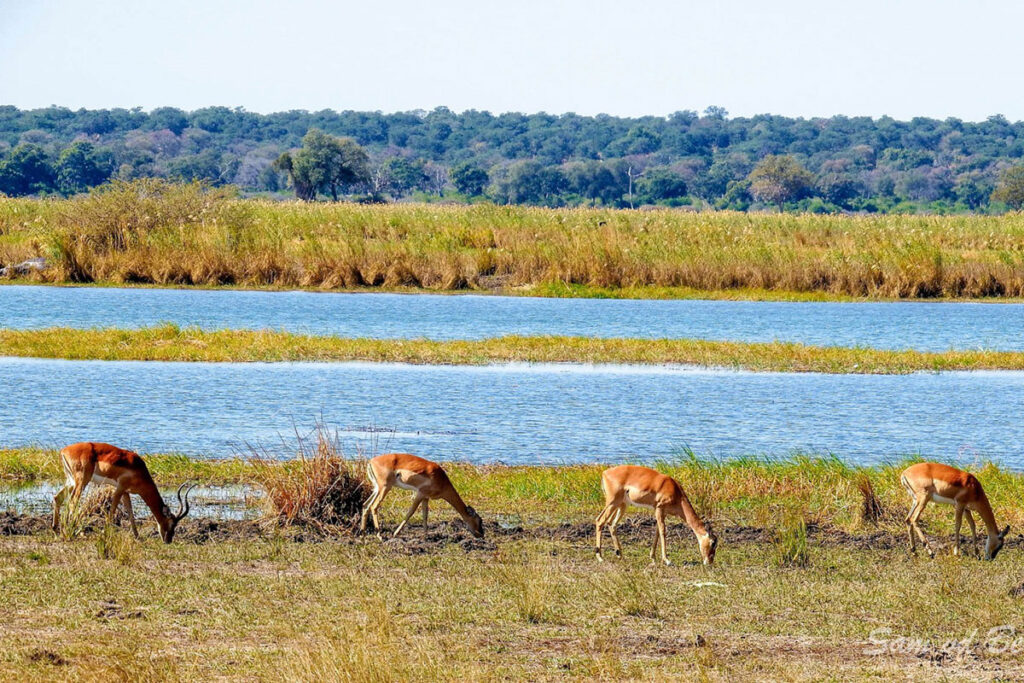
Bwabwata National Park – Namibia’s Living Wildlife Corridor Connecting Rivers, Cultures, Elephants, and the Heart of KAZA
Bwabwata National Park, located in northeastern Namibia, is one of Southern Africa’s most extraordinary protected areas—a vast, multi-use conservation landscape where wildlife and people coexist in harmony. Spanning 6,274 km² across the entire Caprivi Strip, the park forms a critical ecological artery linking Angola, Botswana, Zambia, and Namibia. It is the beating heart of the Kavango–Zambezi Transfrontier Conservation Area (KAZA), the world’s largest terrestrial conservation system stretching over 520,000 km².
What truly sets Bwabwata apart is its identity as a “living park”—a place where thriving communities, ancient cultural traditions, massive herds of elephants, woodland antelope, rare birds, and powerful river systems all interact within the same landscape. Unlike traditional parks where human presence is restricted, Bwabwata embraces people as guardians of the land. The result is a pioneering conservation model where ecological health, cultural heritage, and sustainable development advance together.
Overview and Location
Bwabwata National Park occupies the long, narrow stretch of land known as the Caprivi Strip, an ecological bridge that connects multiple African biomes. Its western boundary starts at the Okavango River, which flows south into Botswana to feed the Okavango Delta, while its eastern boundary ends at the Kwando River, which flows toward the Linyanti-Savuti-Chobe system. This positioning transforms the park into a vital passageway for wildlife—including elephants, lions, and buffalo—moving between some of Africa’s most iconic wilderness areas.
Accessibility is surprisingly easy. The paved B8 Trans-Caprivi Highway cuts through the park, allowing travelers to move effortlessly between Divundu, Kongola, Rundu, and Katima Mulilo. Despite this convenience, Bwabwata remains wild and sparsely populated, thanks to strict conservation rules that protect sensitive zones along the rivers and woodlands.
Park Zoning – A Unique Model of People and Wildlife Coexistence
Bwabwata is divided into three major zones, each with a different conservation purpose. This zoning framework is one of the most advanced on the continent and ensures that biodiversity and human well-being support each other.
- Mahango Core Area – A strictly protected zone famous for its dense wildlife, wetlands, and forest galleries. It hosts large herds of antelope, predators, and over 400 bird species, making it one of Namibia’s premier game-viewing destinations.
- Buffalo Core Area – A vast wilderness of savannahs, tall grasslands, and ancient dunes where towering elephant herds, buffalo, roan, and sable roam freely. This is the best region for big-game enthusiasts seeking off-the-beaten-path safari experiences.
- Multiple-Use Area – Home to the Khwe San and other communities who practice regulated agriculture, fishing, and plant harvesting. This area is managed under a community-based conservation model where residents have recognized rights and responsibilities.
This integrated approach allows Bwabwata to protect biodiversity while supporting traditional livelihoods, making it a global showcase for community-driven conservation success.
Landscape, Ecosystems, and Climate
Bwabwata’s ecological variety is exceptional. The park lies atop ancient Kalahari sand dunes, giving the terrain a rolling, undulating structure that supports rich woodlands and seasonal grasslands. Along the rivers, dense riparian forests shelter an abundance of wildlife, from elephants and leopards to monkeys and colorful bird species.
The Kwando River floodplain is one of Namibia’s most impressive wetland systems, featuring oxbow lakes, reed-lined marshes, and deep-water channels that attract hippos, sitatunga, red lechwe, and rare wetland birds. During the rainy season (December–March), the floodplains fill dramatically, creating a vibrant green landscape teeming with life. The dry season (May–October) concentrates wildlife around permanent rivers, producing spectacular game-viewing opportunities.
Flora and Botanical Diversity
Bwabwata’s flora reflects the rich botanical heritage of the Zambezi region. The park’s woodlands are dominated by majestic Zambezi teak (Baikiaea plurijuga) forests—some of the last remaining in southern Africa. These trees are treasured for their hardwood and ecological importance.
In addition to teak woodlands, Bwabwata hosts:
- Kiaat (Pterocarpus angolensis) – valued for medicinal bark and quality timber
- Burkea africana woodlands – crucial for antelope browsing
- Marula, jackalberry, mopane, and sausage trees
- Papyrus, water lilies, reeds along river systems
These plant communities not only provide food and shelter for wildlife but also support the cultural and medicinal practices of local communities, especially the Khwe San.
Wildlife in Bwabwata National Park
Because of its strategic location within KAZA, Bwabwata supports one of southern Africa’s most impressive wildlife assemblages. Species migrate freely across borders, ensuring healthy gene flow and diverse populations.
Major Mammal Species
- Elephants – one of Africa’s largest transboundary populations
- Buffalo – huge herds in Buffalo Core Area
- Lions – often following buffalo and zebra
- Leopards – thriving in wooded riverine habitats
- Wild dogs – seen occasionally in hunting packs
- Hippos in all major river systems
- Crocodiles along Okavango and Kwando rivers
- Giraffes – small but increasing presence
- Roan and sable antelopes – flagship species of Bwabwata
- Red lechwe – thriving around Mahango floodplains
- Sitatunga antelope – swamp specialists, often seen in reedbeds
- Wildebeest, tsessebe, kudu, reedbuck, waterbuck
The combination of wetlands, woodlands, floodplains, and dunes creates an ideal habitat for both large herbivores and predators, offering balanced ecosystems and excellent safari experiences.
Elephant Migration – One of the Most Important in Africa
Bwabwata sits at the center of an enormous elephant migration corridor that stretches from Angola through Namibia and into Botswana. During peak dry season, thousands of elephants travel through the park in family groups, young males, and large breeding herds. This migration sustains key ecological processes such as seed dispersal, woodland thinning, and nutrient cycling.
Because elephants rely heavily on river systems and woodland habitats, Bwabwata’s intact ecosystems are essential to their long-term survival and genetic diversity.
Smaller Mammals and Rare Predators
In addition to big predators, Bwabwata supports rare or elusive species such as:
- Brown hyena – a shy scavenger of dry woodland habitats
- Honey badger
- Bat-eared fox
- Genets and civets
These small predators play key roles in insect control, rodent population balance, and scavenging cycles that keep ecosystems healthy.
Birdlife – One of Southern Africa’s Top Birding Sites
With more than 430 recorded bird species, Bwabwata is a paradise for ornithologists. Waterbirds thrive along the rivers, while woodland species fill the broad-leaf forests.
Special species include:
- Pel’s fishing owl – a sought-after rarity
- Slaty egret
- Wattled cranes
- African broadbill
- Long-toed lapwing
- Gorgeous bushshrike
- Carmine bee-eaters nesting in colonies along the riverbanks
- Kingfishers, rollers, sandgrouse, skimmers, raptors
During the wet season, migratory birds arrive from Europe, Russia, and Central Asia, transforming Bwabwata into one of the most vibrant birding destinations in Namibia.
Rivers, Floodplains, and Aquatic Life
The Okavango River and Kwando River define Bwabwata’s ecological identity. These rivers form lifelines that sustain permanent wetlands, oxbow lakes, and floodplains. The Kwando in particular creates dramatic wildlife concentrations when water levels rise.
Fish species include:
- Tigerfish – popular for sport fishing
- African pike
- Bream (tilapia)
- Catfish
- Freshwater crustaceans and crabs
Aquatic wildlife supports dozens of fish-eating birds, crocodiles, otters, and hippos, forming highly productive ecosystems.
Fire Ecology – A Landscape Shaped by Ancient Knowledge
Fire plays a vital and natural role in Bwabwata’s ecosystem. The park uses controlled burns—in collaboration with Khwe San knowledge—to:
- Clear old vegetation and stimulate grass growth
- Recycle nutrients into the soil
- Prevent destructive wildfires late in the dry season
- Create habitat mosaics that increase biodiversity
This method, practiced for centuries by local communities, maintains the health and diversity of woodlands and savannahs.
Cultural Communities and Traditional Knowledge
The Khwe San people bring extraordinary cultural depth to Bwabwata. Their ancient tracking skills, storytelling, spiritual rituals, and ecological wisdom form an integral part of the park’s character. Khwe elders train younger generations in:
- Reading animal tracks and signs
- Harvesting medicinal plants
- Traditional bow-and-arrow crafting
- Fire making and land stewardship
Community-based tourism provides economic opportunities, supports education, and preserves cultural traditions.
Conservation and the Role of KAZA
Bwabwata is a cornerstone of the KAZA Transfrontier Conservation Area, linking major ecosystems across five countries. Wildlife moves freely between:
- Okavango Delta (Botswana)
- Luiana and Mavinga Parks (Angola)
- Sioma Ngwezi National Park (Zambia)
- Chobe National Park (Botswana)
This cross-border connectivity ensures long-term wildlife survival, especially for elephants, buffalo, and large carnivores. Conservation programs focus on anti-poaching patrols, community engagement, wetland protection, and climate-resilient resource management.
Top Activities and Experiences
1. Game Drives
Mahango and Buffalo core areas offer phenomenal wildlife viewing—especially early morning and late afternoon. Elephants crossing the river, buffalo grazing in tall grass, and predators ambushing prey form some of the most memorable safari scenes in Namibia.
2. Boat Safaris
Boat safaris on the Okavango and Kwando rivers provide intimate encounters with hippos, crocodiles, waterbirds, and breathtaking river scenery. These experiences often include sightings of rare wetland species that are harder to spot on land.
3. Guided Walks with Khwe Trackers
Walking safaris offer deep immersion into Bwabwata’s landscapes. Khwe guides teach ancient tracking techniques, edible plant identification, traditional survival methods, and stories passed down through generations.
4. Birdwatching
Bwabwata is one of Namibia’s top birding destinations, with countless forest, wetland, and savannah species easily observed year-round.
5. Fishing (regulated)
Anglers can target tigerfish, bream, and catfish in designated areas, often guided by local experts who understand the river systems.
Accommodation and Tourism Development
Accommodation choices near and around Bwabwata include:
- Luxury riverside lodges along the Okavango and Kwando
- Community-run campsites supporting local livelihoods
- Eco-lodges in Mahango and Buffalo core area surroundings
- Nearby lodges in Divundu, Kongola, and Mbambi
Future tourism projects aim to add new viewpoints, river hides, birding routes, and community conservancies, further enriching visitor experiences.
Best Time to Visit
Dry Season (May–October)
Wildlife gathers around rivers, offering exceptional game viewing and predator activity. Elephant migrations peak during these months.
Wet Season (November–April)
Birding is at its best, landscapes are lush, and floodplain wildlife thrives. Ideal for photography, cultural visits, and boat safaris.
How to Get There
- By road via the paved B8 Trans-Caprivi Highway from Rundu or Katima Mulilo
- Access through Mahango or Buffalo gate checkpoints
- Nearby airports: Rundu, Katima Mulilo, and Kasane (Botswana)
Visitor Safety & Health
- Take malaria prophylaxis—risk is moderate to high in wet months
- Exercise caution near rivers (crocodiles & hippos)
- Use 4×4 vehicles during rainy season
- Follow park rules about staying inside vehicles in wildlife zones
Why Visit Bwabwata National Park?
Bwabwata is where wildlife migration, community culture, and powerful river systems meet in a single landscape. Its peaceful atmosphere, ecological richness, and cultural authenticity make it one of Namibia’s most meaningful safari destinations. Whether you’re seeking elephants in motion, rare birds, traditional knowledge, or endless wilderness, Bwabwata offers a safari experience unlike any other.
Conclusion
Bwabwata National Park stands as a groundbreaking example of conservation that includes people at its core. It is a sanctuary for wildlife, a cultural homeland, and a key link in one of Africa’s most important ecological networks. For travelers who appreciate both nature and culture, Bwabwata promises a deeply rewarding and unforgettable journey into Namibia’s wild heart.