
Burigi–Chato National Park
Burigi–Chato National Park – Tanzania’s Newest Safari Frontier of Lakes, Savannahs, Wetlands, and Rare Wildlife
Burigi–Chato National Park, established in 2019, is Tanzania’s newest and one of the most ecologically varied national parks. Covering approximately 4,707 square kilometers, the park showcases a rare combination of vast freshwater lakes, endless golden savannahs, dramatic volcanic ridges, lush papyrus wetlands, miombo forests, acacia plains, and scattered palm thickets. Its position at the interface of East African savannah and the Lake Victoria Basin makes it a powerful ecological bridge supporting species from multiple biomes. The park remains largely uncommercialized and crowd-free, offering an authentic wilderness experience reminiscent of Tanzania’s early safari years.
Burigi–Chato was created by merging the former Burigi, Biharamulo, and Kimisi Game Reserves in a national conservation upgrade that expanded Tanzania’s protected areas to unprecedented levels. This transformation aimed to restore wildlife movement corridors lost to earlier poaching pressures, secure wetland ecosystems around Lake Burigi, and create new nature-based tourism opportunities in Tanzania’s northwest. Today, Burigi–Chato stands as a flagship achievement of Tanzania’s modern conservation era—wild, quiet, and biologically extraordinary.
Overview and Location
Situated between Lake Victoria and the Rwanda–Tanzania border, Burigi–Chato occupies a strategic position in an ecological zone shared by both savannah and wetland species. Its central feature, Lake Burigi, stretches for nearly 40 kilometers and forms the life-source of the park, feeding a network of swamps, marshes, and seasonal channels that sustain wildlife throughout the year. The surrounding terrain shifts dramatically from lakeshore forests to open plains, wooded savannahs, and rolling volcanic hills, creating a landscape that changes every few kilometers.
The park is accessible via Chato Airport, which serves both local and international travelers, making Burigi–Chato one of the easiest new parks to reach. Additional access comes from Muleba, Biharamulo, Bukoba, and Karagwe—towns closely linked to cultural communities like the Haya and Sukuma, whose livelihoods have long been intertwined with lake and grassland systems. Because Burigi–Chato lies away from Tanzania’s mainstream northern safari circuit, it offers the rare charm of silence, solitude, and uninterrupted encounters with wildlife.
Landscape, Ecosystems, and Climate
The landscape of Burigi–Chato is incredibly varied, shaped by ancient volcanic forces and hydrological systems connected to Lake Victoria. Visitors journey through contrasting ecosystems: extensive savannah plains where herds of zebras and topis graze; wetlands and papyrus marshes where sitatungas hide; rugged volcanic ridges that offer sweeping vistas; and thick miombo forests filled with medicinal plants, primates, and seasonal flowering trees. This ecological diversity ensures year-round wildlife activity and a wide range of safari experiences—from game drives and birding to walking safaris and boat excursions.
The climate is characterized by warm days, mild nights, and two rainy seasons (March–May and November). During the dry months (June–October), animals concentrate around water sources, making the park one of the best wildlife-viewing destinations near Lake Victoria. In the wet season, the scenery transforms into lush green landscapes, filled with migratory birds, amphibian chorus calls, and vibrant flowering plants.
Flora and Botanical Richness
Burigi–Chato’s vegetation is a rich mosaic reflecting both East African savannah and Central African wetland influences. Miombo woodlands dominate much of the higher ground, featuring Brachystegia and Julbernardia trees that produce valuable leaves and seeds for browsers, while offering shade to antelopes and primates. Along rivers and lakeshores, riparian forests thrive with tall fig trees, sycamores, and Albizia species that provide fruits for monkeys, birds, and small mammals.
The park’s wetlands are especially important—they produce vast papyrus beds, reeds, water lilies, and aquatic grasses that support one of Tanzania’s healthiest populations of sitatunga antelope. These plant communities are also essential for millions of migratory birds that depend on Burigi–Chato as a seasonal feeding and resting point.
Wildlife of Burigi–Chato National Park
Burigi–Chato National Park hosts a remarkable variety of wildlife thanks to its blend of wetlands, savannahs, and forest ecosystems. Unlike Tanzania’s crowded northern parks, Burigi–Chato’s wildlife behaves naturally—offering intimate and undisturbed sightings of rare antelope species, elephants, predators, and aquatic animals. The large open plains attract herds of topi, zebra, and buffalo, while wooded areas shelter roan antelope, sable antelope, and eland.
Major Mammal Species
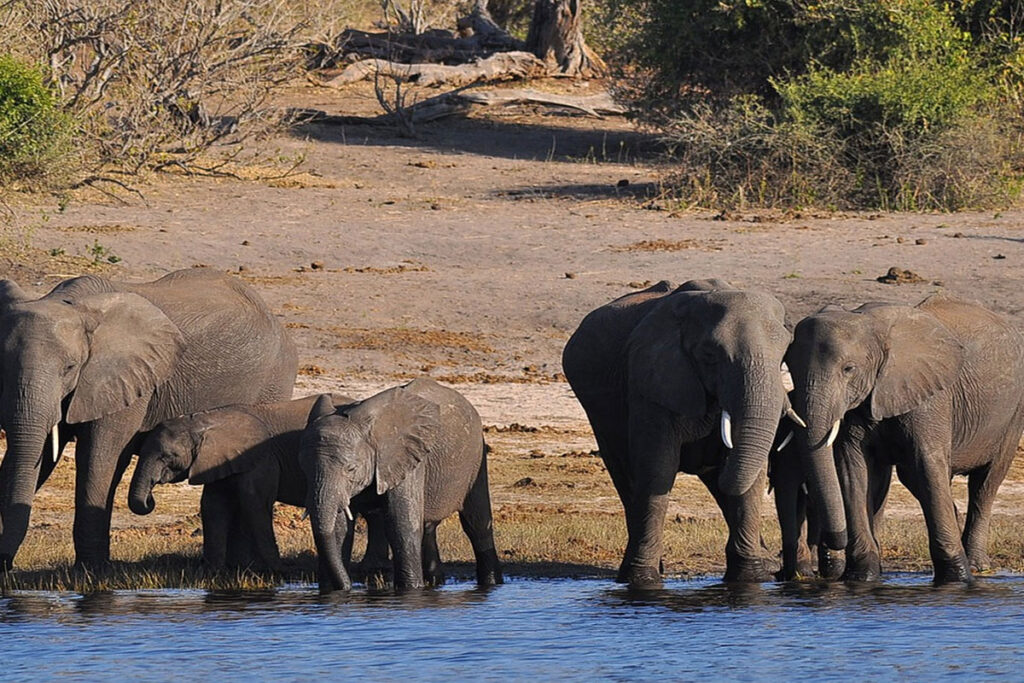
The park’s megafauna include elephants, lions, leopards, and buffalo, all of which roam freely across open spaces and woodland corridors. Elephants follow seasonal migration routes between Tanzania and Rwanda, using wetlands for drinking and mud baths. Lions hunt across the plains in small prides, focusing on zebra and topi. Roan and sable antelopes—rare and declining in many African parks—find refuge in Burigi–Chato’s intact savannahs.
Rare and Special Species
Burigi–Chato protects important populations of rare species that thrive in undisturbed savannahs and wetlands. The sitatunga antelope, adapted to life in thick papyrus swamps, is one of the park’s signature animals. These shy antelopes have elongated hooves allowing them to walk through deep marshes, and Burigi–Chato is one of the few destinations in East Africa where sightings are reliably possible. Other special species include caracals, servals, side-striped jackals, and elands.
Wildlife Reintroductions
In recent years, TANAPA has embarked on ambitious wildlife reintroduction programs to restore the ecological balance of Burigi–Chato. Giraffes were reintroduced first, successfully adapting to the acacia-dotted plains. Impalas and elands have also been re-established to revive grazing diversity. Long-term plans aim to reintroduce black rhinos and potentially expand corridors for wildebeest and hartebeest, further strengthening the ecosystem.
Aquatic Wildlife and Reptiles
Lake Burigi is a thriving aquatic ecosystem supporting:
- Nile perch – important for both ecology and fishing culture
- Tilapia species
- Catfish and mudfish
- Freshwater crustaceans
Reptiles flourish in the lakes and swamps, including large Nile crocodiles, monitor lizards, pythons, geckos, and a diverse array of frogs and tree frogs. The presence of amphibians enriches the food chain and signals the health of wetland ecosystems.
Birdlife – One of Tanzania’s Hidden Birding Gems
Birdwatching is exceptional in Burigi–Chato. With more than 300 recorded species, the park is a haven for both resident and migratory birds. The papyrus swamps are home to rare species such as the shoebill stork and papyrus gonolek. During the migration seasons, thousands of Palearctic birds arrive from Europe and Asia, turning the wetlands into vibrant feeding grounds. Sandy shores, rocky outcrops, and acacia trees create habitat niches for kingfishers, eagles, storks, bee-eaters, and numerous smaller species.
The Lakes and Wetlands – Heart of the Ecosystem
At the center of the park lies Lake Burigi, a serene and scenic waterbody beloved for its dramatic sunsets, vibrant birdlife, and tranquil atmosphere. The lake is essential for wildlife survival during the dry season, attracting elephants, buffalo, hippos, reedbuck, waterbuck, and a stunning array of birds. Its papyrus-lined shores are perfect for sitatunga antelope, while hippo pods rest in the deeper waters.
Surrounding wetlands create some of Tanzania’s most valuable aquatic habitats. These zones help regulate water levels, support rare plants, and sustain fishing communities that live outside the park boundaries. The variety of shorelines—from rocky beaches to reed-filled inlets—makes Lake Burigi a dream location for nature photographers.
Cultural Communities Around Burigi–Chato
The region surrounding the park is home to culturally rich communities including the Haya, Sukuma, and Kinyarwanda-speaking groups. These communities engage in fishing, cattle keeping, banana farming, and traditional crafts. Their deep understanding of the landscape makes them essential partners in conservation outreach and tourism development. Fishing villages around Lake Burigi offer cultural experiences, storytelling, music, and insights into local traditions.
Park Management, Infrastructure, and Road Conditions
Burigi–Chato is managed by TANAPA, which continues to invest in infrastructure, conservation, and community benefits. Over 120 km of internal roads have been upgraded, ranger posts expanded, and new areas designated for tourism development. The park is still in its growth phase, meaning many areas remain wild and untouched—a major attraction for adventure-focused travelers.
Most roads are accessible during the dry season using a 4×4 vehicle. However, during the rainy months, black cotton soils become slippery and flooded, requiring experienced drivers and proper equipment. TANAPA is currently improving drainage systems, signage, and access routes to enhance visitor safety and comfort.
Top Attractions and Activities
1. Game Drives
The park’s savannah plains, lake edges, and woodland corridors offer excellent game-viewing opportunities. Sightings may include elephants, lions, roan antelopes, zebras, waterbucks, buffalo, and numerous bird species. The open landscapes make wildlife photography particularly rewarding.
2. Boat Safaris on Lake Burigi
Boat safaris are a highlight of Burigi–Chato, offering close encounters with hippos, crocodiles, waterbirds, and beautiful lakeside scenery. The calm waters of Lake Burigi create perfect reflections at sunrise and sunset, enhancing photographic opportunities.
3. Birdwatching
With its wide variety of habitats, Burigi–Chato is ideal for birdwatchers. From shoebill sightings to flocks of pelicans, storks, and herons, the park provides world-class birding experiences.
4. Walking Safaris
Guided walking safaris offer intimate experiences with the park’s ecosystem—revealing butterflies, primates, insects, reptiles, and medicinal plants that are often missed during game drives.
5. Scenic Viewpoints
The volcanic hills overlooking Lake Burigi offer unforgettable panoramic views of savannahs, wetlands, and forested ridges. These hills are excellent for sunrise and sunset photography.
Accommodation and Camping
As a relatively new national park, Burigi–Chato’s accommodation options are still developing. Current options include:
- TANAPA public campsites along Lake Burigi
- Tented camps under development near the lake
- Hotels and lodges in Chato, Muleba, and Biharamulo
Future plans include luxury eco-lodges, permanent tented camps, birding lodges, and boat safari stations—all aimed at positioning Burigi–Chato as a major tourism destination.
Best Time to Visit
The dry season (June–October) offers the best wildlife viewing as animals gather around water sources.
The green season (November–May) is ideal for birding, photography, and lush landscape scenery.
How to Get There
- Chato Airport – direct flights from Dar es Salaam and Mwanza
- Road transfers via Muleba, Bukoba, Biharamulo, and Karagwe
- Self-drive access using 4×4 vehicles
Visitor Safety, Health & Regulations
Visitors should take the following precautions:
- Malaria prophylaxis is strongly recommended.
- Avoid swimming in lake areas due to crocodile presence and bilharzia risk.
- Drones require prior permission from TANAPA.
- Walking safaris must be accompanied by armed TANAPA rangers.
- Fishing requires official permits and is restricted to specific zones.
Conservation Priorities and Challenges
Despite its beauty, Burigi–Chato faces threats including illegal bushmeat hunting, overfishing in unregulated community areas, human–elephant conflict, and invasive wetland plants. TANAPA’s expanded patrols, community engagement programs, and wildlife reintroductions have significantly improved conservation outcomes. Continued partnerships with local communities remain key to the park’s long-term ecological health.
Future Potential
Burigi–Chato’s future is bright. Plans include eco-lodges overlooking the lake, specialized birding circuits, new boat safari routes, and integrated tourism circuits linking Burigi–Chato with Rubondo Island National Park and the Lake Victoria wetlands. These developments will elevate Burigi–Chato to one of Tanzania’s most exciting and diverse nature destinations.
Why Visit Burigi–Chato National Park?
Burigi–Chato offers a rare blend of landscapes—sprawling grasslands, pristine wetlands, deep-blue lakes, volcanic hills, and wildlife-rich woodlands. Visitors enjoy uncrowded game drives, world-class birding, immersive boat safaris, and breathtaking scenery. Its quiet wilderness and unique biodiversity make it an ideal destination for travelers seeking authentic, off-the-beaten-path African adventures.
Conclusion
Burigi–Chato National Park stands as a shining example of Tanzania’s visionary conservation strategy. With its diverse habitats, rare wildlife, cultural richness, and rapidly growing tourism potential, it represents one of the most exciting and beautiful new safari destinations in East Africa. For travelers seeking untouched wilderness, Burigi–Chato is a true hidden gem awaiting discovery.