
Luambe National Park
Luambe National Park, Zambia – Remote Luangwa Valley Safari, Wildlife and Conservation Travel Guide
Luambe National Park is one of Zambia’s most remote and least-explored national parks, lying deep in the Luangwa Valley between the more famous South Luangwa and North Luangwa National Parks. Covering approximately 254 square kilometres and originally declared in 1938, this small but biodiverse park offers an old-style, uncrowded safari experience that is increasingly hard to find in Africa. Set along the eastern bank of the Luangwa River in Eastern Province, Luambe combines classic river scenery, open floodplains, mopane woodland and rich wildlife in a compact, conservation-focused destination.
For safari travellers searching for an off-the-beaten-track Luangwa Valley safari, Luambe National Park is an ideal choice. The park offers game drives, walking safaris, exceptional birdwatching and intimate wildlife encounters with very few other vehicles around. Its recovering mammal populations, strong community partnerships and active research programmes mean that every visit supports conservation work and helps secure one of Africa’s last truly wild river systems for the future.
Location, Geography and Key Facts
Luambe National Park is located in Lumezi District of Eastern Province, Zambia. It occupies a narrow stretch of land along the eastern bank of the Luangwa River, more or less halfway between South Luangwa National Park in the south and North Luangwa National Park in the north. This strategic position makes Luambe a crucial ecological bridge and migration corridor for elephants, carnivores and many other species moving through the wider Luangwa landscape.
Geographic Position in the Luangwa Valley
The park lies within the Luangwa Rift, a branch of the East African Rift system. The Luangwa River meanders in broad loops along Luambe’s western boundary, creating sandbanks, oxbow lakes and fertile floodplains. The park’s central coordinates fall roughly around 12 degrees 30 minutes south and 32 degrees 20 minutes east. To the east, the park rises gradually towards the escarpment that frames the Luangwa Valley, giving visitors sweeping views over the river and plains in some areas.
Altitude, Landscape and Terrain
Most of Luambe National Park lies on the valley floor at elevations between about 500 and 710 metres above sea level. This altitude range creates a hot, lowland environment that is ideal for floodplain and mopane woodland ecosystems. The terrain is generally gentle and undulating, which is perfect for game drives and walking safaris, but it is sculpted every year by the seasonal flooding of the Luangwa and its tributaries.
- Wide river channels with sandy beaches and mud banks that attract hippos, crocodiles and waterbirds
- Floodplains and dambos that green up after the rains and later concentrate grazing mammals as they dry
- Cathedral mopane woodlands with tall, straight trunks forming airy “hall-like” spaces
- Miombo and mixed woodland on slightly higher, sandier ground further from the river
- Open grasslands such as Chipuka Plains, providing classic safari scenery dotted with scattered trees
Luambe National Park – Key Facts Summary
- Country: Zambia
- Province: Eastern Province
- District: Lumezi District
- Approximate area: 254 square kilometres
- Year established: 1938 (one of Zambia’s oldest protected areas)
- Altitude range: About 500 to 710 metres above sea level
- Main habitats: Mopane woodland, riverine forest, miombo woodland, grasslands, floodplains and seasonal wetlands
- Role: Ecological corridor between South Luangwa and North Luangwa National Parks
Climate of Luambe National Park
Luambe National Park has a hot tropical climate typical of the lower Luangwa Valley. Temperatures are high for most of the year and the park experiences a single, well-defined rainy season. This climate shapes the entire ecosystem, from vegetation growth and river levels to animal movements and the timing of safari activities.
- Hot and wet season from November to April, with heavy rains and high humidity
- Cooler and dry season from May to August, with clear skies and pleasant daytime temperatures
- Hot and dry season from September to October, with very high daytime temperatures and dusty conditions
Annual rainfall generally falls between about 700 and 950 millimetres, with almost all rain arriving between November and April. During this time the Luangwa River rises, floodplains are inundated, and many of the dirt roads in and around the park become difficult or impossible to use. As the dry season progresses, surface water recedes and wildlife concentrates around the river, lagoons and remaining pans, creating excellent game viewing conditions.
Hydrology – The Luangwa River and Wetlands
The hydrology of Luambe National Park is dominated by the Luangwa River, one of Africa’s last largely free-flowing major rivers. Flowing along the park’s western edge, the Luangwa shapes the land, deposits rich sediments, cuts new channels and leaves behind oxbow lakes that slowly evolve into permanent or seasonal lagoons. This constant reshaping of the floodplain creates diverse wetland habitats that are vital for both wildlife and local communities downstream.
Within the park, several seasonal tributaries and drainage lines feed into the Luangwa. During the rainy season, streams and dambos fill with water, forming shallow pools and marshes. As the dry season progresses, these pools shrink but remain crucial sources of water and grazing. Large lagoons and pans such as those near the Chipuka area retain water well into the dry season, attracting hippos, crocodiles, elephants, buffalo and a huge variety of waterbirds. For visitors, these lagoons become focal points for game drives and birdwatching.
Ecosystems and Vegetation of Luambe
Although Luambe is relatively small, it protects a rich variety of ecosystems. This diversity is one of the park’s great strengths and a major reason why it is so important for conservation and ecological research. The main vegetation types and habitats in Luambe include riverine forest, mopane woodland, miombo woodland, grasslands, thickets and seasonal wetlands.
Riverine Forest and Gallery Woodland
Along the Luangwa River, tall riverine forests form shady corridors of life. These gallery woodlands consist of large trees with deep roots that stabilise the riverbanks and provide nesting and roosting sites for many bird species. Monkeys move through the canopy, elephants feed on leaves and bark, and leopards often use these areas as hunting grounds. For visitors, the riverine forest is a scenic highlight, especially at sunrise and sunset when the light filters through the trees and reflects off the water.
Mopane Woodland and Cathedral Mopane
Mopane woodland is the dominant habitat across much of Luambe’s interior. In some areas, mopane trees grow tall and straight, forming what is often called cathedral mopane, where tree trunks resemble the columns of a natural cathedral. These woodlands provide shade, browse and habitat for a wide range of animals. Elephants feed on mopane leaves and bark, impala and kudu browse in the understory, and various birds and insects rely on mopane for food and shelter. Mopane woodland is also important for soil conservation and nutrient cycling.
Grasslands, Plains and Dambos
Seasonal grasslands and open plains, particularly around Chipuka, are key grazing areas for large herbivores. During and after the rains, these plains become lush and green, attracting zebra, buffalo and antelope. As the dry season progresses, grasses dry out, but the last pockets of green attract concentrated numbers of grazing animals, which in turn attract predators. Dambos, which are shallow, seasonally waterlogged depressions, add further habitat variation and support many amphibians and invertebrates.
Miombo and Mixed Woodland
In addition to mopane, Luambe contains patches of miombo woodland and mixed combretum-acacia woodland on slightly higher ground. These areas harbour different plant and animal communities, including specialised bird species, smaller antelope and diverse insect life. The presence of both mopane and miombo within a small park increases the overall biodiversity and scientific value of Luambe.
Wildlife of Luambe National Park
Luambe’s wildlife story is one of decline and recovery. Heavy poaching and poor protection in past decades severely reduced elephant, buffalo and large carnivore numbers. However, concerted conservation efforts, improved ranger presence and responsible lodge operations have allowed wildlife to rebound. Today the park supports impressive biodiversity and offers authentic, low-impact safari experiences.
Mammals
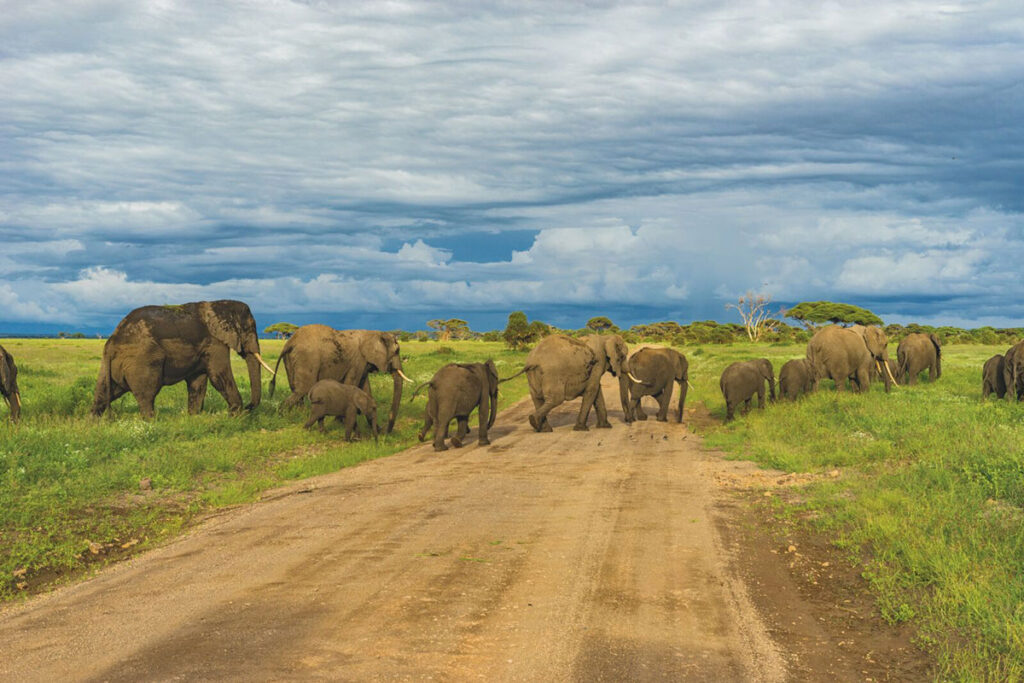
The wider Luambe landscape is home to an estimated 150 or more mammal species, including a full range of large herbivores, carnivores and smaller mammals. Elephant herds move through the park using Luambe as a corridor between larger protected areas. Buffalo gather in sizeable groups on the plains and along the river. Hippos are especially abundant, with large pods wallowing in the river and lagoons, their calls a constant soundtrack at night.
- Elephants, buffalo and hippos frequently seen along the river
- Zebra and various antelope such as puku, impala, waterbuck, kudu, eland, roan and sable
- Lions and leopards as main large predators, with spotted hyenas as important scavengers
- African wild dogs occasionally moving through as part of larger Luangwa packs
- Warthogs, bushpigs, bushbuck, duikers and many smaller mammals in thickets and woodland
While densities may not yet match those of South Luangwa, sightings in Luambe feel genuinely wild and unscripted. Fewer vehicles mean more time at each sighting and more natural animal behaviour, which is especially appreciated by experienced safari travellers and wildlife photographers.
Birdlife
Luambe is a top-class birding destination. Over 400 bird species have been recorded in and around the park, making it a rewarding place to visit at any time of year. The mix of riverine forest, floodplains, woodlands and wetlands supports a wide variety of birds from tiny sunbirds to large raptors and waterbirds.
- Breeding colonies of southern carmine bee-eaters along riverbanks
- Pel’s fishing owl and other nocturnal species in riverine forest
- Fish eagles, martial eagles and bateleurs soaring above the river and plains
- Storks, herons, egrets and African skimmers around lagoons and sandbanks
- Rollers, kingfishers, hornbills and weavers in woodland and forest edges
Birdwatchers can expect excellent photographic opportunities, especially in the dry season when waterbirds gather around shrinking water sources and canopy foliage is thinner.
Reptiles, Amphibians and Fish
Reptiles are well represented in Luambe. Nile crocodiles bask on sandbanks and patrol the deep pools of the Luangwa and its side channels. Nile monitor lizards are commonly seen both along the river and in the woodlands. Various snakes, including pythons and cobras, occur in the park, although they are rarely seen by casual visitors.
Amphibians take advantage of the rainy season, when seasonal pools and pans provide breeding sites. Frogs and toads create an impressive chorus on rainy evenings, attracting predators and adding to the overall sense of wilderness. The Luangwa River and associated lagoons also support a range of fish species that are important for crocodiles, fish-eating birds and communities living downstream of the park.
Insects and Other Invertebrates
Insects and other invertebrates play a crucial ecological role in Luambe. Butterflies and dragonflies are especially visible in wetter months, adding colour to riverbanks and grassy areas. Ants, termites, beetles and other invertebrates drive decomposition and nutrient cycling, supporting soil health and plant growth. Research into tsetse fly distribution and disease vectors in the broader Luangwa Valley has also highlighted Luambe as an important study area for understanding wildlife and livestock health.
Cultural and Indigenous Communities Around Luambe
Although there are currently no permanent villages inside Luambe National Park, the area has a long human history. Former settlements such as Kapeta and Chakolwa once existed within what is now the park boundary. When Luambe was formally protected, households were relocated to areas outside the park, especially into surrounding chiefdoms. These historic village sites remain important cultural reference points and could form the basis for heritage trails and cultural interpretation in future.
Today, communities around Luambe fall under chiefdoms such as Mwanya, Mwasemphangwe and Chitungulu. People living in these areas rely on small-scale agriculture, fishing, livestock and seasonal employment. Community-based natural resource management projects, including tourism partnerships and sustainable forestry initiatives, aim to create economic incentives that support both local livelihoods and wildlife conservation. Cultural visits from the park give travellers the chance to see village life, learn about local traditions and understand the challenges and opportunities of living next to a wildlife-rich national park.
Conservation Importance of Luambe National Park
Luambe National Park holds conservation value that far exceeds its modest size. As a core section of the Luangwa River corridor, it maintains habitat connectivity between North Luangwa and South Luangwa. This connectivity is essential for wide-ranging species such as elephants, lions, wild dogs and large herbivores that move across large landscapes in search of food, water and breeding opportunities.
By protecting floodplain, woodland and wetland ecosystems, Luambe also safeguards important ecosystem services. These include flood regulation, groundwater recharge, carbon storage and the maintenance of biodiversity that underpins tourism, fisheries and local agriculture. For conservationists and scientists, Luambe is a valuable case study for understanding how small, well-protected areas can support large-scale ecological processes when they are linked to wider conservation landscapes.
Threats and Conservation Challenges
Despite recent progress, Luambe still faces a number of threats and challenges that require sustained attention and funding. Poaching remains a concern, especially snaring for bushmeat and occasional targeting of large mammals. Rangers and conservation partners work continuously to remove snares, increase patrol coverage and build relationships with local communities to reduce illegal hunting.
- Poaching and illegal snaring of wildlife for bushmeat and trade
- Human wildlife conflict when elephants or other animals raid crops and damage property
- Habitat pressure from agricultural expansion, unsustainable wood harvesting and charcoal production in surrounding areas
- Climate-related risks including more variable rainfall patterns and potential changes in flood regimes
- Limited operational budgets due to low tourism numbers compared to larger, well-known parks
Addressing these challenges requires integrated approaches that combine strong law enforcement, community engagement, sustainable tourism and long-term financial support for park management and research.
Research and Monitoring Programmes
Luambe has become an important research and monitoring site within the Luangwa Valley. Detailed surveys and baseline studies on vegetation, mammals, birds, reptiles and amphibians have created a strong foundation for long-term ecological monitoring. Researchers use camera traps, aerial surveys, transect counts and other scientific methods to track how wildlife populations respond to improved protection and changing environmental conditions.
Ongoing research themes in and around Luambe include large carnivore ecology, small mammal populations, bird diversity, tsetse fly distribution, disease ecology and hydrological dynamics of the floodplain. These studies not only guide conservation decisions in the park but also contribute to wider scientific understanding of savanna and riverine ecosystems across southern Africa. For visitors interested in conservation science, Luambe offers a rare opportunity to see a park where research is actively shaping on-the-ground management.
Tourism Activities and Safari Experiences
Tourism in Luambe National Park is deliberately small-scale and low-impact. Rather than large lodges and busy circuits, the park offers a more intimate, immersive experience where guests can feel truly connected to the landscape. This approach helps maintain the park’s wilderness character and ensures that tourism supports, rather than overwhelms, conservation goals.
- Guided game drives at first light and late afternoon, exploring riverbanks, lagoons and woodland habitats
- Walking safaris with experienced guides and armed scouts, focusing on tracking, plants, birds and animal behaviour
- Birdwatching excursions targeting riverine, woodland and wetland specialists
- Photography safaris tailored to small groups seeking uncrowded sightings and flexible schedules
- Cultural visits to nearby villages and community projects supporting conservation and education
- Wilderness camping experiences for self-drive travellers where regulations allow
The low visitor numbers mean you are unlikely to see many other vehicles, even in the main wildlife areas. This creates a calm, unhurried atmosphere where sightings are more about quality than quantity and where you can spend time observing animal behaviour without disturbance.
Access and How to Get to Luambe National Park
Reaching Luambe is part of the adventure and contributes to the park’s remote feel. Most international visitors fly into Lusaka or Mfuwe and then connect to the park by road or charter flight. Self-drive travellers can access Luambe using 4×4 vehicles, but they must be prepared for rough roads and basic conditions.
- By air to Mfuwe, followed by a road transfer through the Nsefu sector of South Luangwa
- By road from Mfuwe using a 4×4 track along the Luangwa River to Luambe’s southern entrance
- By road from Lundazi using a dirt road that approaches the park from the north
- By road from Chipata via rural roads that connect into the Luangwa Valley network
Access is highly seasonal. During the rainy months, many routes become difficult or impossible to pass, so most visitors come between June and October. When planning a trip, it is essential to coordinate with your lodge or tour operator to confirm current road conditions and travel options.
Park Fees, Permits and Regulations
Visitors to Luambe National Park pay park entry fees similar to those in other Zambian national parks. Fees may differ depending on nationality and residency, and separate charges may apply for camping, guided walks or night drives. All visitors must follow park regulations designed to protect wildlife and ensure safety.
- Stay on designated roads and tracks during game drives
- Do not disturb, feed or harass wildlife
- Do not collect plants, rocks, bones or any natural objects
- Only walk in the bush with licensed guides and armed scouts
- Respect quiet hours around camp and minimize light and noise pollution
Tour operators and camps in the park help visitors comply with these rules and can provide up to date information on fees and regulations before you travel.
Accommodation in and Around Luambe National Park
Accommodation in Luambe is limited, which helps maintain its exclusive and wilderness-focused atmosphere. The main option inside the park is a small, owner-managed camp on the banks of the Luangwa River. This camp typically offers spacious, en-suite safari tents with views over the river and nearby hippo pools.
- Small, intimate camp inside the park with tented accommodation and river views
- Fully catered stays with guided activities included in safari packages
- Simple camping options for fully equipped self-drive travellers where permitted
- Wide choice of lodges and camps in South Luangwa for combined itineraries
Because capacity is low, it is advisable to book well in advance, especially for the peak dry season months. Many guests choose to combine a stay in Luambe with several nights in South Luangwa or North Luangwa, creating a diverse Luangwa Valley safari circuit.
Best Time to Visit Luambe National Park
The best time to visit Luambe National Park is during the dry season, when roads are accessible and wildlife is easier to see. The choice between early, mid and late dry season depends on your preferences for temperature, scenery and wildlife density.
- June and July: Cooler temperatures, greenish landscapes, good general game viewing and excellent walking conditions
- August and September: Classic safari months with sparse vegetation, concentrated wildlife at remaining water sources and comfortable mornings and evenings
- October: Extremely hot but often outstanding game viewing, as animals gather tightly around shrinking waterholes and river pools
- November to April: Wet season, lush scenery and superb birding, but limited or no practical access for standard safari tourism
For most visitors, August and September offer the best balance of comfortable weather, good road conditions and exceptional wildlife viewing. Photographers may enjoy both early dry season for green backdrops and late dry season for dramatic dust, light and animal concentrations.
Why Luambe National Park Is Uniquehttps://en.wikipedia.org/wiki/Luambe_National_Park
Luambe National Park stands out as one of Africa’s most authentic, low-impact safari destinations. It delivers the atmosphere of the old Luangwa Valley, with wild landscapes, minimal infrastructure and genuine solitude. While it does not yet have the wildlife densities of larger, more famous parks, it offers something increasingly rare: space, silence and the feeling of being far from the modern world.
- True wilderness experience with very few visitors and little vehicle traffic
- High biodiversity in a small area, with a rich mix of habitats and species
- Key ecological corridor linking major national parks in the Luangwa Valley
- Active conservation and research programmes that visitors indirectly support
- Deep cultural history and strong ties with surrounding communities
For travellers who value wilderness, conservation and meaningful connections with nature over luxury and crowds, Luambe National Park is a remarkable choice. A safari here not only provides memorable wildlife sightings and photographic opportunities, but also contributes to the long-term protection of one of Africa’s last great natural river systems.