
Madikwe Game Reserve
Madikwe Game Reserve, South Africa – Malaria-Free Big Five Safaris, Wildlife, Conservation and In-Depth Travel Guide
Madikwe Game Reserve is one of South Africa’s most celebrated wildlife destinations, offering a rare blend of pristine wilderness, exceptional animal sightings, exclusive lodge-based safaris and a surrounding community that actively benefits from the reserve’s success. Situated in the North West Province along the Botswana border, this 75,000-hectare protected area is a shining example of ecological restoration and responsible tourism. Once degraded farmland, Madikwe has been transformed into a thriving ecosystem where lions roar across moonlit plains, elephants visit waterholes throughout the day, and the endangered African wild dog thrives in a secure, carefully managed environment.
The reserve stands apart for several reasons: it is malaria-free, making it ideal for families and travellers seeking health-safe wildlife experiences; it hosts an unusually diverse mix of species due to its location in a transition zone between the bushveld and the Kalahari; and it maintains a low visitor density through its exclusive lodge system, ensuring quiet, intimate wildlife encounters. For travellers planning a Big Five safari close to Johannesburg, Madikwe is one of South Africa’s finest and most rewarding destinations.
Location and Geography
Madikwe Game Reserve lies in the north-western reaches of South Africa, forming a natural ecological corridor with Botswana’s conservation areas. Its strategic location places it within easy reach of Johannesburg and Pretoria, while still offering a remote, untouched wilderness atmosphere. The reserve spans a rugged landscape shaped over millennia by geological uplift, erosion and seasonal river flow, resulting in a tapestry of plains, hills, valleys and woodlands.
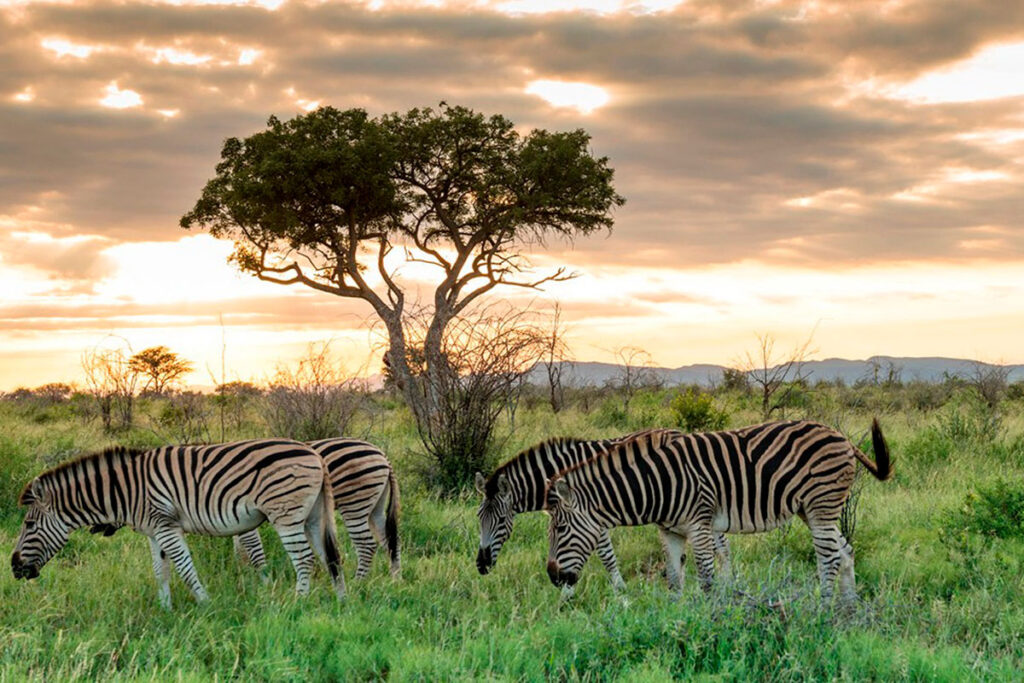
A key geographical feature of Madikwe is its varied topography. Long ridges and weathered inselbergs rise from gently rolling plains, creating natural lookouts and photographic viewpoints. Between the hills, shallow valleys open into wide grassland systems where herds of zebra, wildebeest and antelope graze. These grasslands are flanked by combretum and acacia woodlands that offer shade and shelter for browsers like giraffe and kudu. The reserve’s varied terrain greatly enhances wildlife densities by providing habitats for both open-plains species and more secretive woodland dwellers.
Size, Altitude and Regional Context
Covering approximately 75,000 hectares (or about 750 square kilometres), Madikwe is one of South Africa’s largest game reserves. Its altitude—ranging between roughly 1,000 and 1,300 metres above sea level—creates a cooler, more comfortable climate than low-lying areas, particularly in winter. This higher elevation also plays a major role in the reserve’s malaria-free status, which has become one of its defining advantages.
The reserve sits within a transitional ecological zone, meaning that species typically associated with the wetter bushveld coexist with those adapted to the drier Kalahari. This blending of habitats is rare and provides visitors with a wildlife experience that is both diverse and visually distinctive, offering a much richer species mix than many similar-sized reserves in southern Africa.
Climate
Madikwe’s climate is characterised by warm summers, cool winters and seasonal rains. This weather pattern creates two distinct safari seasons, each offering unique advantages for wildlife viewing and photography. The rainy season (October to April) transforms the reserve into a green and flourishing landscape, while the dry season (May to September) delivers the classic “golden” safari environment with sparse vegetation and animals congregating around water sources.
- Rainy Season: Thunderstorms typically build in the late afternoon, offering dramatic skies and crystal-clear air after rainfall. With abundant food available, herbivores calve during these months, making it an excellent time to see newborn antelope, zebra and wildebeest. Birdlife is at its peak, with migrants arriving from Europe, Asia and other parts of Africa.
- Dry Season: The bush becomes increasingly open, making wildlife easier to spot. Temperatures are pleasant during the day, and animals frequently gather at waterholes, providing excellent game viewing from both vehicles and lodge decks.
This dual-season pattern ensures that no matter when you visit, Madikwe offers remarkable wildlife encounters, stunning scenery and comfortable conditions for outdoor exploration.
Hydrology – Rivers, Pans and Waterholes
Madikwe’s semi-arid environment makes water an essential part of its ecological functioning. The reserve is shaped by the Marico (Madikwe) River system and a network of ephemeral streams that flow during heavy rains. Although these rivers are not perennial, they influence soil moisture, vegetation patterns and the placement of dams and waterholes throughout the reserve.
In addition to natural pans and seasonal catchments, Madikwe maintains an extensive system of pumped waterholes to support wildlife during dry periods. These water points play a central role in daily animal movements. At dawn, elephants often arrive in family groups to drink and bathe. By mid-morning, giraffes gather to splay their long legs and delicately lower their heads to the water. In the evening, predators such as lions and hyenas patrol the fringes, hoping to ambush prey.
For visitors, these waterholes provide some of the most rewarding wildlife moments of any safari. Many lodges are built overlooking active water points, allowing guests to witness wildlife interactions throughout the day without leaving camp.
Ecosystems and Vegetation
Madikwe’s ecosystems are among the most diverse in South Africa due to its position between the Kalahari’s arid environments and the richer bushveld biome. This unique combination results in a patchwork of habitats that support a broad range of species.
Key Vegetation Zones
- Mixed Bushveld: Found across much of the reserve, with acacia, combretum and terminalia trees offering ideal cover for leopards and browsing species.
- Kalahari Thornveld: Dominated by camelthorn trees and hardy shrubs, this vegetation supports arid-adapted species rarely seen elsewhere in the province.
- Sweet Grassveld: Nutrient-rich grasses that hold their value deep into the dry season, attracting grazers such as zebra, wildebeest and tsessebe.
- Riverine Woodland: Dense corridors of trees along drainage lines, providing shade, fruit and shelter for monkeys, birds and smaller carnivores.
Because these habitats interlock closely, game drives feel dynamic and varied. One minute you may be watching elephants in thick woodland; the next, you emerge onto an open plain where cheetahs scan for prey. This ecological complexity is a major factor behind Madikwe’s exceptional wildlife viewing.
Wildlife of Madikwe Game Reserve
Madikwe is one of the few reserves in South Africa where visitors can see both the Big Five and rare species such as African wild dogs and brown hyenas. Its wildlife history is particularly compelling due to the success of Operation Phoenix, an immense wildlife relocation project that reintroduced thousands of animals to the reserve during the 1990s.
Mammals
Today, Madikwe is home to more than 60 large mammal species. Elephant sightings are frequent, often involving large breeding herds. Lions are well established, with several prides occupying different territories across the reserve. African wild dogs are one of Madikwe’s most celebrated species; sightings of these highly social, efficient predators are often a trip highlight. Cheetahs favour the open plains, while leopards patrol rocky outcrops and dense riverine corridors.
- Big Five: Lion, leopard, elephant, buffalo, black rhino and white rhino
- Large Predators: African wild dog, cheetah, spotted hyena, brown hyena
- Plains Game: Zebra, giraffe, impala, kudu, wildebeest, hartebeest, eland and tsessebe
- Arid Species: Gemsbok and springbok, making the reserve unique in the region
Night drives often reveal shy and fascinating smaller creatures such as servals, civets, porcupines, aardwolves and bat-eared foxes.
Birds
With more than 350 species recorded, Madikwe is a paradise for birdwatchers. The varied habitats offer opportunities to spot raptors soaring overhead, colourful woodland birds flitting through trees and waterbirds hunting along dam edges.
- Martial, tawny and fish eagles
- Secretarybirds striding across open plains
- Rollers, bee-eaters and kingfishers
- Storks, spoonbills and herons near wetlands
- Summer migrants from November to April
In the green season, birdlife reaches its peak as breeding plumage, nesting activity and migratory arrivals fill the reserve with activity.
Reptiles, Amphibians and Insects
Although often overshadowed by larger animals, reptiles and amphibians play an essential role in ecosystem health. Visitors may encounter rock agamas sunning themselves on boulders, terrapins basking at waterholes or colourful frogs calling after rain. Insects—especially butterflies, beetles and dragonflies—add seasonal beauty and support the reserve’s food chains and pollination networks.
Unique Features of Madikwe
Madikwe stands out from other reserves due to its unique blend of ecological diversity, malaria-free status, exclusive lodge model and strong conservation ethos. Its landscapes combine arid and savanna elements, offering wildlife encounters rarely seen together elsewhere. The lack of self-drive access ensures a tranquil safari experience, and vehicle numbers at sightings are limited to protect animals from stress and avoid overcrowding.
Cultural and Community Connections
The reserve lies in an area traditionally inhabited by Tswana-speaking communities, and local involvement has been central to Madikwe’s success. Through lodge partnerships, employment, training and revenue-sharing agreements, the reserve generates meaningful benefits for families living nearby. Cultural experiences—such as village visits, traditional performances and craft markets—allow visitors to engage respectfully with the region’s living heritage.
Conservation Importance
Madikwe is important for conserving threatened species such as African wild dogs, cheetahs and both black and white rhinos. Its location near the Botswana border helps maintain regional biodiversity, and its success as a restored ecosystem demonstrates the potential of transforming degraded land into thriving wildlife habitat. The reserve also plays a role in landscape connectivity, supporting long-term wildlife movement corridors.
Threats and Management Challenges
- Poaching threats, particularly to rhinos
- Impact of rising elephant numbers on vegetation structure
- Water scarcity during drought years
- Limitations created by fencing and restricted animal dispersal
Conservation teams actively monitor wildlife populations, adjust management strategies and implement anti-poaching measures to address these challenges. Ongoing research helps guide decisions on vegetation control, animal translocation and habitat restoration.
Research and Monitoring
Madikwe is a living laboratory for ecological research. Scientists and wildlife managers conduct long-term studies on predator behaviour, herbivore dynamics, vegetation changes, bird populations and the success of reintroduced species. Monitoring programs help the reserve maintain healthy genetic diversity and respond proactively to ecological shifts.
Some lodges participate in data-gathering efforts and share conservation insights with guests through talks and guided bush walks, helping travellers appreciate the work that goes into maintaining a functioning wilderness.
Tourism Activities
All activities in Madikwe are led by expert guides, ensuring informative, safe and environmentally responsible experiences. The absence of self-drive tourism contributes to low-impact operations and high-quality sightings.
- Morning and afternoon guided game drives
- Night drives for nocturnal species
- Guided bush walks focusing on tracks, plants and smaller wildlife
- Birdwatching outings
- Children’s nature programs
- Photography hides at waterholes
- Spa treatments and wellness activities at select lodges
Access – How to Get There
- By road: About 3.5 to 4.5 hours from Johannesburg or Pretoria with transfers available.
- By air: Scheduled and charter flights land on airstrips within the reserve.
- From Botswana: Easy access from Gaborone due to proximity to the border.
Travellers should confirm gate times and recommended routes with their lodge to ensure smooth entry.
Permits, Fees and Regulations
Conservation levies apply and usually appear in nightly lodge rates. These fees support anti-poaching teams, ecological monitoring and community-benefit programs. Regulations include staying in vehicles unless instructed by guides, respecting wildlife distances, and refraining from off-road driving without permission. Drones and feeding wildlife are strictly prohibited.
Accommodation
Madikwe offers an impressive range of accommodation, from intimate boutique lodges to spacious family-friendly camps and exclusive-use villas. All properties are located within the reserve, offering unobstructed access to wildlife and the natural landscape.
- Luxury lodges with private plunge pools and elevated decks
- Family lodges with child-friendly facilities and programmes
- Community-owned establishments supporting local development
- Exclusive-use safari houses ideal for private groups
Due to limited lodge capacity and high demand during peak seasons, early booking is recommended. Many properties specialise in fine dining, tailored safaris and exceptional hospitality, making Madikwe ideal for romantic getaways, family holidays or multi-generational trips.
Best Time to Visit
- May–September: Prime wildlife viewing, with animals concentrated at water sources, clear skies and excellent visibility.
- October–November: Hot weather but dramatic sightings, especially around drying pans and dams.
- December–April: Green season with lush vegetation, baby animals and vibrant birdlife.
Madikwe’s malaria-free status offers greater flexibility, allowing travellers to plan trips based on personal preferences rather than health considerations.
Why Madikwe Game Reserve Is Unique
Madikwe Game Reserve stands out as an exceptional destination due to its thriving wildlife populations, diverse landscapes, exclusive safari experience and community-driven conservation model. Its mix of Kalahari and bushveld species is rare, and its history as a restored ecosystem makes every sighting even more meaningful. Visitors enjoy peaceful game drives, luxurious lodges, powerful wildlife encounters and the knowledge that their stay contributes directly to conservation and local livelihoods.
For families, couples, wildlife photographers and nature lovers seeking a memorable Big Five safari near Johannesburg, Madikwe offers an unmatched combination of authenticity, comfort and wilderness charm.