
Mago National Park
Mago National Park, Ethiopia – Wildlife, Tribes, Landscapes, Omo Valley Safaris and Complete Travel Guide
Mago National Park is one of Ethiopia’s most remarkable wilderness regions, offering an extraordinary blend of wildlife, sweeping savanna landscapes and deep cultural heritage. Established in 1979 and covering about 2,162 km², the park forms part of the wider Omo River Basin and sits at the heart of the world-famous Omo Valley. Mago is one of the few places in Africa where natural ecosystems and ancient pastoralist cultures coexist in a largely untouched environment. Its open plains, thick acacia woodlands, riverine forests and seasonal floodplains provide habitat for elephants, buffalo, antelopes, primates and more than 300 species of birds, while its proximity to the Mursi, Kwegu, Ari, Bodi, Hamar and Karo communities makes it an important cultural destination as well.
Despite its remote location and limited tourism infrastructure, Mago National Park offers a strong sense of authenticity that is increasingly rare in modern protected areas. Wildlife sightings feel wild and unscripted, the landscapes stretch endlessly without disturbance, and cultural encounters with local communities—when handled respectfully—offer insight into traditions that have been practiced for centuries. For travellers seeking raw, unfiltered exploration, Mago is one of Ethiopia’s most rewarding and fascinating national parks.
Location and Geography
Mago National Park lies in southwestern Ethiopia within the Southern Nations, Nationalities and Peoples’ Region (SNNPR). The park is located about 30 km southwest of Jinka, the main town and gateway to the Omo Valley. It is bordered by the Mago River to the west and surrounded by a mosaic of savanna, forest, floodplain and bushland ecosystems. Mago sits within the southern extension of the East African Rift Valley, a region shaped by tectonic forces, volcanic history and shifting river systems.
The park’s landscape is defined by rolling plains, gently rising hills, rugged escarpments and wide stretches of acacia woodland. Open grasslands provide expansive views and ideal grazing habitat, while dense riverine forests along the Mago River create shaded corridors rich with plant and animal life. Seasonal wetlands appear during the rains, attracting birds and amphibians and adding to the region’s ecological complexity.
Size, Coordinates and Elevation
- Area: Approximately 2,162 km²
- Coordinates: Around 5°30′–6°20′ N and 36°20′–36°40′ E
- Elevation: Ranges from 450 to 1,600 metres above sea level
This broad elevation range produces microclimates that support diverse vegetation types. Higher areas offer cooler temperatures and woodlands, while lower plains are dominated by grasslands and scrub. Because the park straddles a major ecological transition zone, it hosts species associated with both semi-arid lowlands and more temperate highlands.
Geology and Soils
Mago National Park lies within the Rift Valley system and is underlain by volcanic and sedimentary formations. Basalt, volcanic ash deposits, and alluvial soils from the Mago River contribute to varied soil types that support different plant communities. Nutrient-rich alluvial soils along riverbanks nurture lush riverine vegetation, while sandy and clay soils on the plains favour grasses, acacia species and shrubs adapted to semi-arid conditions.
These geological and soil differences create habitat diversity that directly influences wildlife distribution. Grazers favour nutrient-rich floodplains, browsers occupy bushland and woodland zones, and predators move between these habitats following prey availability.
Climate
Mago National Park experiences a tropical semi-arid climate with distinct rainy and dry seasons. The seasonal rainfall patterns shape vegetation growth, wildlife movement and local community activities.
- Main Rainy Season: March to May
- Short Rains: October to November
- Dry Season: December to February and June to September
Temperatures typically range from 25°C to 35°C, though certain low-lying areas can feel hotter. During the rainy season the landscapes become green and vibrant, attracting large numbers of grazers and supporting breeding periods for several species. In the dry season, animals concentrate around permanent rivers and waterholes, and visibility improves as grasses recede.
Hydrology – Rivers and Water Sources
The hydrological system of Mago National Park is dominated by the Mago River and its seasonal tributaries. These waterways are lifelines for wildlife, providing year-round access to drinking water even when the plains dry out. Seasonal wetlands and floodplains become active during the rains, sustaining amphibians, birds and aquatic invertebrates.
Water availability strongly influences wildlife movements. Elephants and buffalo migrate between riverine areas and savanna plains depending on the season. Riverbanks also serve as important corridors for primates, bushbuck and leopards. The Mago River system contributes to downstream ecosystems and supports both wildlife and Omo Valley communities living along river margins.
Ecosystems and Vegetation
Mago contains a rich mix of vegetation types that reflect the ecological diversity of the Omo Valley. From tall grass savanna to thick acacia woodland and fertile riverine forests, the park’s ecosystems offer habitat to a wide range of species.
Main Vegetation Zones
- Savanna Grasslands: Wide-open plains dominated by Themeda triandra, Hyparrhenia species and scattered acacia trees. These areas support buffalo, elephant, hartebeest and other grazers.
- Acacia Woodlands: Dominated by Acacia tortilis, Acacia seyal and Balanites aegyptiaca, offering shade and food for browsing species including kudu and giraffe.
- Riverine Forests: Dense canopies of Ficus sycomorus, Tamarindus indica, Terminalia brownie and doum palms (Hyphaene thebaica) near water sources.
- Scrublands and Bush Thickets: Commiphora and Grewia species dominate semi-arid areas preferred by warthogs and smaller carnivores.
This mosaic of environments fosters high plant diversity, forming the foundation of Mago’s wildlife richness. Seasonal changes also dramatically alter vegetation structure, influencing wildlife visibility and distribution.
Wildlife of Mago National Park
Mago’s wildlife represents one of Ethiopia’s most diverse savanna ecosystems. Wildlife densities are not as high as in East Africa’s major safari destinations, but the experience is wild, raw and authentic, with many species behaving naturally due to low visitor presence.
Mammals
While exact population numbers are limited due to infrequent surveys, long-term monitoring shows stable herbivore communities and a modest but resilient predator presence. Key mammals include:
- African elephant (small, seasonally moving populations)
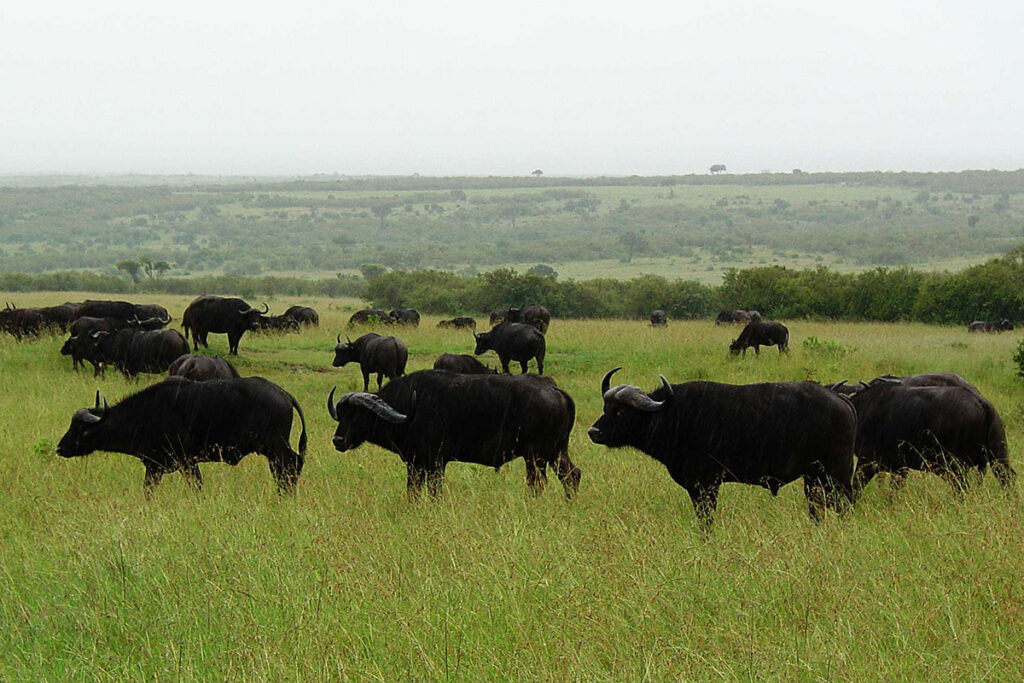
- Cape buffalo (commonly seen near rivers and floodplains)
- Eland, the largest antelope species
- Lesser and greater kudu
- Tiang, hartebeest and waterbuck
- Bushbuck and duiker in woodland zones
- Warthogs and bushpigs
- Primates including baboons, vervet monkeys and colobus monkeys in some areas
- Predators such as lion, leopard, spotted hyena, striped hyena and caracal (rarely seen but confirmed)
The diversity of antelope species is particularly notable, shaped by the park’s varied ecosystems. Elephants and buffalo are often found around water sources, while predators typically remain elusive due to dense vegetation and low tourist traffic.
Birds
More than 300 bird species have been documented in Mago, making it one of Ethiopia’s important bird areas. The combination of savanna, forest, floodplain and riverine habitats supports both regional specialties and migratory species.
- Hornbills, turacos, bee-eaters and rollers
- Marabou storks, saddle-billed storks and herons
- African fish eagle, martial eagle and other raptors
- Francolins, bustards, guineafowl and ground hornbills
- Jacanas, kingfishers and other waterbirds
The wet season brings an explosion of birdlife as migrants arrive and breeding activity peaks.
Reptiles, Amphibians and Insects
Mago is home to numerous reptiles including tortoises, agama lizards, geckos and several snake species. Amphibians thrive in wetlands during the rainy season, adding to the acoustic landscape with their calls. Insects, particularly butterflies, beetles, ants and dragonflies, are essential components of the park’s ecological balance and are abundant in wet months.
Unique Features and Cultural Heritage
Mago National Park is globally recognised for its cultural significance as much as its biodiversity. It serves as home or grazing ground for several Omo Valley communities, including the Mursi, Kwegu (Me’enik), Bodi (Me’en), Ari, Hamar and Karo peoples. These groups maintain age-old traditions including pastoralism, body painting, scarification, lip-plate customs (among Mursi women) and ancestral rituals.
Because these communities depend on seasonal resource availability, they move with livestock across parts of the park, creating a dynamic relationship with the landscape. Cultural visits—when conducted respectfully—offer invaluable insight into one of Africa’s most diverse cultural regions.
Visitor Etiquette With Mursi and Other Groups
- Always seek consent before taking photographs.
- Follow guidance from local interpreters or community elders.
- Avoid intrusive behaviour or entering private spaces uninvited.
- Engage respectfully and avoid reinforcing stereotypes.
Responsible engagement helps preserve cultural dignity and supports long-term community involvement in conservation.
Conservation Importance
Mago National Park plays a critical role in preserving the biodiversity of the Omo River ecosystem. It protects essential habitats for savanna and woodland species, provides wildlife corridors connecting to Omo National Park and surrounding community lands, and safeguards watersheds that support both wildlife and pastoralist communities.
The park falls under the management of the Ethiopian Wildlife Conservation Authority (EWCA), which oversees anti-poaching patrols, wildlife monitoring, research programs and community engagement initiatives. Efforts are ongoing to improve ranger training, strengthen ecological connectivity and reduce human–wildlife conflicts.
Threats and Environmental Pressures
- Encroachment by livestock and shifting agriculture
- Poaching for bushmeat and occasional ivory hunting
- Climate variability impacting water availability
- Road access challenges limiting effective patrols
- Growing pressure on grazing lands due to population changes
These pressures highlight the importance of continued investment in conservation, community partnerships, sustainable tourism and long-term ecosystem restoration.
Research and Monitoring
Mago is an important site for biological and anthropological research. Studies focus on elephant movement patterns, antelope population trends, vegetation mapping, avian diversity, and community-based conservation strategies. The Omo Valley’s cultural diversity also attracts anthropologists studying traditional lifestyles, conflict resolution, migration, and the role of ritual in pastoralist societies.
Regular wildlife monitoring helps identify population changes, habitat pressures and conservation needs, contributing to more informed management decisions.
Tourism Activities
Tourism in Mago remains low-impact and adventurous, appealing to travellers seeking authentic, uncrowded experiences. Activities include:
- Guided game drives across savanna and woodland landscapes
- Cultural visits to Mursi, Ari, Bodi or Kwegu communities
- Birdwatching along the Mago River and wetlands
- Walking excursions with scouts in safe areas
- Landscape and cultural photography
Photography Highlights
- Riverside dawn light over acacia trees
- Mursi ceremonies and traditional body adornments
- Elephants or buffalo at river crossings
- Vast savanna panoramas
- Colourful birdlife during breeding season
Access – How to Get There
- By Road: Access from Jinka (30 km). Roads become challenging during rainy seasons and require a strong 4×4 vehicle.
- By Air: Jinka Airport receives flights from Addis Ababa, reducing travel time significantly.
- By Guided Expedition: Most travellers visit as part of an organised Omo Valley safari with experienced local guides.
Fuel stations, mechanical services and shops are limited, so proper preparation is essential. Local guides are strongly recommended for route navigation, cultural interactions and wildlife safety.
Permits, Fees and Regulations
- Park entry fees apply and can be arranged through tour operators or at entry gates.
- Guides or scouts may be required in certain areas.
- Drone use is restricted without special permits.
- Visitors must follow cultural etiquette when visiting local communities.
These rules help protect both wildlife and the rights of indigenous communities sharing the landscape with the park.
Accommodation Options
Mago National Park is remote, and accommodation within the park is limited. Most travellers stay in or near Jinka and visit the park on day trips or multi-day excursions.
- Simple campsites inside the park
- Government rest camps (availability may vary)
- Hotels, guesthouses and eco-lodges in Jinka
- Community-run camping options near tribal settlements
Travelling with a reputable operator ensures better logistics, camping support and culturally respectful interactions with Omo Valley communities.
Best Time to Visit
- December–March: Excellent wildlife visibility and drier conditions.
- June–September: Dry season with easier road travel.
- March–May: Wet season; landscapes are lush but access becomes challenging.
Road conditions vary greatly by season, so visitors should plan accordingly and remain flexible when travelling in remote areas.
Why Mago National Park Is Unique
Mago National Park stands out as a rare destination where wildlife, landscape and culture merge into one cohesive and extraordinary experience. It preserves vast, unspoiled savannas and dense riverine forests while also protecting the cultural identity of some of Africa’s most distinctive indigenous groups. The park’s remote setting, diverse wildlife, dramatic scenery and deep cultural ties offer a powerful sense of authenticity that few destinations can match.
For travellers seeking off-the-beaten-path exploration in Ethiopia—where nature and tradition still thrive in harmony—Mago National Park offers an unforgettable journey into the heart of the Omo Valley.