
Bamingui-Bangoran National Park
Bamingui-Bangoran National Park – A Hidden Gem of Central African Wilderness
In the far north of the Central African Republic, where endless savannas meet gallery forests and winding rivers, lies Bamingui-Bangoran National Park—a vast, untamed landscape that embodies the heart of wild Africa. Covering approximately 11,000 square kilometers, this national park forms part of the Bamingui-Bangoran–Manovo-Gounda–St. Floris Biosphere Reserve, one of Central Africa’s most significant UNESCO-recognized conservation areas. It is a region of ecological richness, cultural resilience, and hope for wildlife recovery after decades of isolation.
Key Facts and Figures
- Location: Bamingui-Bangoran Prefecture, northern Central African Republic (north of N’Délé, near the Chad border).
- Established: 1993 as part of the larger Bamingui-Bangoran and Manovo-Gounda-St. Floris Biosphere Reserve.
- Size: About 11,000 km² (over 4,200 square miles).
- Altitude: 400–500 meters above sea level.
- Main Habitats: Sudanian and Guinean savanna woodlands, floodplains, termite-mound grasslands, and riverine forest galleries.
- Main Rivers: The Bamingui and Bangoran Rivers, vital tributaries of the Chari Basin.
- Key Species: African elephants, lions, leopards, buffaloes, roan antelopes, African wild dogs, hippos, crocodiles, and over 300 bird species.
- Climate: Tropical savanna climate – dry season (Nov–Mar) and wet season (Apr–Oct).
- Best Time to Visit: November to March for dry-season game viewing and easier road access.
Geography and Ecosystem
The park stretches across a plateau of gently rolling grasslands punctuated by scattered granite outcrops and fertile valleys carved by the Bamingui and Bangoran Rivers. These two waterways form the park’s ecological lifelines, feeding a mosaic of wetlands, oxbow lakes, and floodplains that sustain wildlife even through the dry months. To the north, the landscape transitions into thorny acacia scrub, while the southern and central zones are dominated by tall Isoberlinia and Combretum woodlands interspersed with open savanna.
Bamingui-Bangoran’s ecosystems link the Central African savanna to the Sahel and the forest belt further south, forming a crucial corridor for migrating elephants, antelopes, and predators. Together with Manovo-Gounda St. Floris National Park to the east, it represents one of Africa’s largest contiguous wilderness areas, now recognized by UNESCO as part of a transboundary biosphere reserve.
Wildlife and Biodiversity
The park shelters a diversity of wildlife characteristic of both the forest and savanna biomes. Although many populations declined during past years of conflict, ongoing conservation efforts have led to signs of recovery, especially for elephants, kob antelopes, and large carnivores.
Mammals
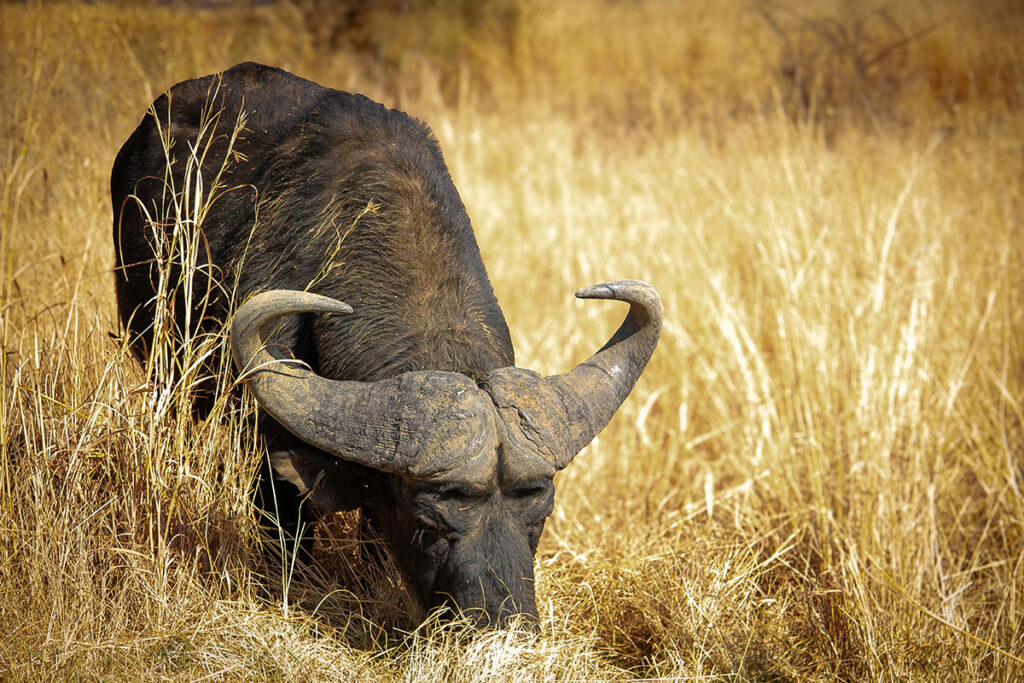
Iconic species such as the African elephant, lion, leopard, cheetah, and African wild dog roam the park’s plains and gallery forests. Herds of buffaloes, roan antelopes, hartebeests, and bushbucks graze near the river systems, while hippos and crocodiles inhabit the calmer reaches of the Bamingui River. Smaller species such as warthogs, aardvarks, civets, and porcupines are also commonly observed on night drives.
Birdlife
Over 300 bird species have been recorded, making Bamingui-Bangoran a paradise for birdwatchers. Look out for red-faced lovebirds, giant eagle owls, African fish eagles, bee-eaters, hornbills, and secretary birds. Wetland areas host pelicans, herons, and African jacanas, while the surrounding grasslands attract bustards and ground hornbills. Migratory species arrive between November and April, adding even more diversity to the skies.
Flora and Vegetation Zones
The park lies within the Sudan–Guinea transition zone, offering a rich mixture of vegetation types. The northern sector features dry thorny acacia bushlands; the central core holds Isoberlinia–Combretum woodland and tall grasses; and the river valleys are lined with evergreen galleries dominated by Khaya senegalensis, Ficus, and Diospyros species. Seasonal wetlands fill with lilies and reeds, supporting amphibians and aquatic birds. This varied vegetation provides year-round habitat for wildlife and scenic diversity for visitors.
Conservation and Management
Bamingui-Bangoran faced decades of instability and poaching that depleted wildlife populations. Since 2018, the ECOFAUNE+ program—funded by the European Union and implemented by the Wildlife Conservation Society (WCS)—has begun restoring the park’s integrity. Ranger patrols have been re-established, new observation posts rebuilt, and local eco-guards trained in anti-poaching operations. Drone monitoring and community partnerships have further enhanced protection of elephants and other large mammals.
The park now forms part of a regional wildlife corridor linking Zakouma National Park in Chad and the Chinko Nature Reserve in eastern CAR. This connectivity allows wildlife migration across Central Africa’s northern savannas and contributes to cross-border biodiversity resilience. The government and conservation partners continue to promote eco-tourism as a sustainable alternative for local livelihoods, ensuring that communities benefit from conservation rather than suffer from it.
Cultural and Historical Significance
The Bamingui and Bangoran regions have long been inhabited by the Banda and Sara peoples, who maintain deep ties to the land through pastoralism, honey gathering, and small-scale farming. Visitors can learn about traditional knowledge of wildlife tracking, herbal medicine, and seasonal resource use. Historical trade routes once linked the old colonial outpost of N’Délé to the Lake Chad basin, and remnants of French-era stone stations can still be found along the park’s edges.
Main Attractions and Things to Do
1. Wildlife Safaris and Dry-Season Game Drives
The dry season (November–March) offers the best opportunities to view wildlife as herds congregate near rivers and waterholes. Guided 4×4 safaris reveal elephants, buffaloes, and antelopes moving across open plains. With minimal tourism, the experience feels like stepping into a forgotten corner of Africa where nature still reigns supreme.
2. Birdwatching Expeditions
Bird enthusiasts will find the Bamingui and Bangoran rivers ideal for photography and observation. The best times are early morning and late afternoon when flocks of herons, storks, and raptors take to the air. Professional guides or local eco-guards can help spot rarities such as the Egyptian plover or Abyssinian ground hornbill.
3. Cultural Visits and Village Walks
Spend time in nearby Banda and Sara communities to learn about traditional life in northern CAR. Local guides offer interpretive tours focusing on food preparation, cattle herding, weaving, and storytelling. Supporting these experiences helps communities benefit from conservation efforts while keeping cultural heritage alive.
4. River and Forest Walks
Guided nature walks along the Bamingui River reveal lush vegetation, monkeys, and abundant birdlife. In the cooler hours, it’s possible to follow animal tracks along the sandbanks or explore small oxbow lakes that attract wildlife during the dry months.
5. Camping and Star-Gazing
With virtually no light pollution, nights in Bamingui-Bangoran are extraordinary. Campers can sleep under brilliant skies, listening to distant calls of nightjars and hyenas. Basic designated campsites near ranger posts offer rustic yet safe overnight options for adventurous travellers.
6. Photography Expeditions
The park’s scenery—baobab silhouettes, elephants framed by dusty sunsets, and reflections on calm rivers—offers exceptional photo opportunities. Drone and landscape photographers often focus on the wide floodplains at dawn when golden light bathes the savanna.
Getting There and Accessibility
Bamingui-Bangoran is remote, and reaching it requires planning. The nearest major town is N’Délé, about 80 km south of the park boundary. Visitors typically travel by 4×4 from Bangui (a journey of around two days) or from Chad’s southern towns such as Sarh or Moundou. Roads are rough and best navigated in the dry season. Access permits are required and can be arranged through the Ministry of Water, Forests, Hunting and Fisheries or WCS offices in Bangui or N’Délé. Travellers should always be accompanied by authorized rangers for safety.
Accommodation and Visitor Facilities
Facilities within the park remain basic but improving. Rehabilitated ranger stations at Bamingui and Bangoran posts occasionally host researchers and visitors. Simple eco-campsites and mobile safari setups are being developed with community participation along the rivers. In N’Délé, modest guesthouses and mission lodges offer clean accommodation, food, and logistical support. Travellers should bring essential supplies, water filters, and solar power sources, as electricity is limited.
Climate and Best Time to Visit
The park has a warm tropical savanna climate with an average annual temperature of 26–32°C. Rain falls mostly between May and October, bringing lush vegetation and full rivers, but some roads become impassable. From November to March, the dry season clears the skies and concentrates wildlife around water sources—making it the best time for safaris, camping, and photography.
Community and Conservation Initiatives
Local people play a central role in Bamingui-Bangoran’s renewal. Under the ECOFAUNE+ project, more than 100 local eco-guards and community members have been trained in wildlife monitoring, beekeeping, and sustainable fishing. Education programs in schools emphasize the value of protecting wildlife and managing natural resources responsibly. These joint efforts ensure that conservation brings tangible benefits, strengthening peace and economic stability in the region.
Visitor Tips
- Travel with a 4×4 vehicle equipped for remote terrain and bring extra fuel.
- Hire official guides or eco-guards for navigation and safety.
- Carry adequate food, water, and camping supplies—services are minimal inside the park.
- Respect local customs and avoid disturbing wildlife.
- Check current travel advisories and obtain park permits before visiting.
Why Visit Bamingui-Bangoran National Park
Visiting Bamingui-Bangoran is more than a safari—it’s a journey into Africa’s last great frontiers. Here, the silence of the savanna is broken only by birdsong and rustling grass, and encounters with wildlife feel personal and profound. It’s a destination for explorers, photographers, conservationists, and anyone seeking authenticity in nature’s purest form.
Conclusion
Bamingui-Bangoran National Park stands as a symbol of hope for Central African conservation. Its sweeping savannas, tranquil rivers, and recovering wildlife populations tell a story of resilience and renewal. With growing protection and responsible tourism, this remote UNESCO Biosphere Reserve could once again shine as one of Africa’s most remarkable natural sanctuaries—where people and wildlife share a common future under the vast Central African sky.