
Banco National Park
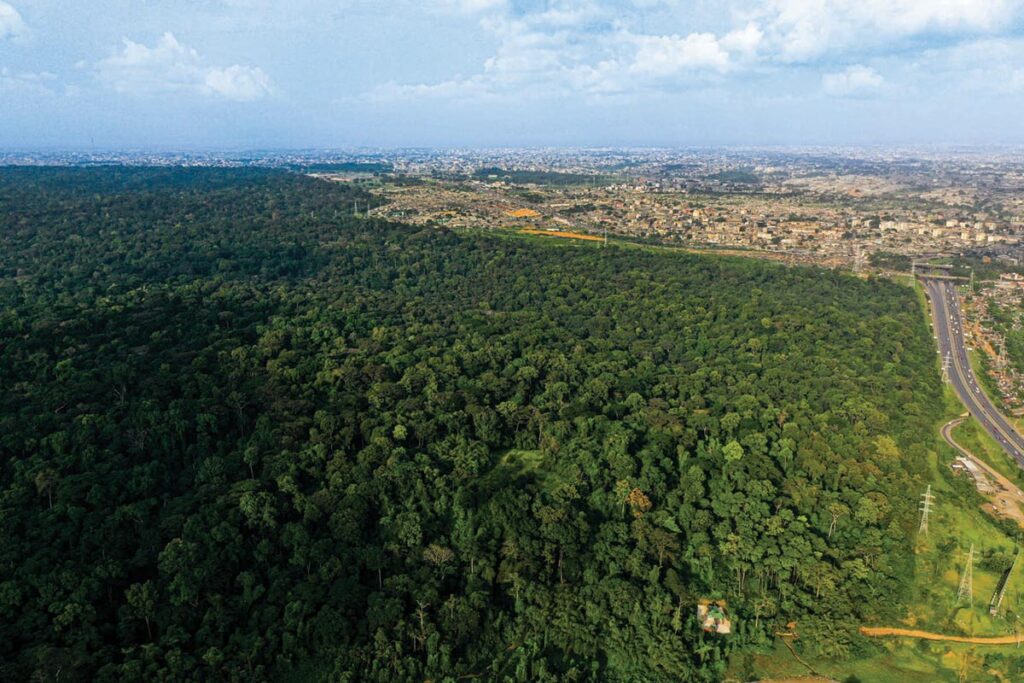
Banco National Park – Abidjan’s Urban Rainforest and Biodiversity Haven
Banco National Park is one of the most extraordinary green sanctuaries in West Africa — a lush tropical rainforest right in the middle of Abidjan, Côte d’Ivoire’s largest city. Covering about 35 square kilometers, this park serves as a vital refuge for biodiversity, a natural air purifier, and a living classroom for urban conservation. Known as the “green lung of Abidjan,” Banco National Park combines ecological importance, cultural heritage, and easy accessibility, making it one of the best nature destinations to visit in Côte d’Ivoire.
Key Facts and Figures
- Location: Northwest of Abidjan, spanning the districts of Abobo, Yopougon, Adjamé, and Attécoubé.
- Established: 1953 as a National Park, after being a forest reserve since 1926.
- Area: 34.7 km² (approximately 3,470 hectares).
- Elevation: 50–120 meters above sea level.
- Primary Ecosystem: Lowland tropical rainforest with rivers, wetlands, and secondary forest patches.
- Main Species: Mona monkeys, duikers, forest antelopes, hornbills, sunbirds, butterflies, and over 590 plant species.
- Management: Office Ivoirien des Parcs et Réserves (OIPR).
- Best Time to Visit: November to March during the dry season for easy hiking and clear views.
History and Significance
The forest that would become Banco National Park was first recognized for its importance in 1926 when it was designated a forest station. In 1953, it was officially gazetted as a national park to preserve one of the last remnants of primary tropical rainforest within Abidjan. Today, it stands as a UNESCO-recognized urban conservation model and is often compared to Rio de Janeiro’s Tijuca Forest for being a true rainforest within a bustling metropolis.
Banco plays a dual role — as a sanctuary for wildlife and as an ecological service provider. The park’s underground aquifers supply nearly 40% of Abidjan’s drinking water, making its protection vital for both biodiversity and human life. It is also a natural air filter, cooling the city’s temperature and absorbing approximately 35,000 tons of CO₂ each year.
Landscape and Ecosystem
Banco National Park’s landscape is dominated by dense, evergreen rainforest interspersed with streams, small hills, and open clearings. The park’s core forest zone of about 600 hectares contains giant trees such as mahogany, iroko, afzelia, and ceiba, many over 200 years old. The canopy rises more than 40 meters high, supporting countless vines, orchids, and ferns.
The forest’s hydrological network includes the Gbangbo River and several streams that feed into the city’s aquifers. These water sources regulate Abidjan’s climate and prevent flooding, showcasing the critical relationship between nature and the urban environment.
Flora and Fauna in Banco National Park
Despite its proximity to the city, Banco harbors a surprising range of wildlife, offering an accessible glimpse into Côte d’Ivoire’s natural heritage.
Mammals and Primates
The forest shelters small mammals like bushbucks, brush-tailed porcupines, and several duiker species. The playful Mona monkey is commonly seen in the treetops, while black-and-white colobus and Campbell’s monkeys inhabit the deeper forest zones. There have been sporadic reports of chimpanzees in the park’s most secluded areas, though sightings are extremely rare and unconfirmed in recent years.
Birdlife
Birdwatchers can expect over 200 recorded bird species in Banco, including the white-breasted guinea fowl, hornbills, turacos, sunbirds, and bee-eaters. The forest canopy comes alive with calls at dawn and dusk, making early mornings perfect for birding and photography.
Insects and Reptiles
Banco is a paradise for entomologists, with hundreds of butterfly species, dragonflies, and beetles. Reptiles such as forest geckos, monitor lizards, and harmless snakes thrive in the humid environment. The forest’s invertebrate diversity is a key indicator of its healthy ecosystem.
Main Attractions and Things to Do in Banco National Park
Banco offers a rare chance to experience the peace of a rainforest just minutes from Abidjan’s busy streets. Whether you’re a nature lover, photographer, or family traveler, the park has a variety of attractions and activities:
- Nature Walks and Hiking: Over 80 kilometers of well-maintained trails allow visitors to explore the park’s flora and fauna. Trails like the Arboretum Loop and the River Walk are ideal for beginners and families, while more advanced hikers can venture deeper into the forest for solitude and bird calls.
- The Arboretum: Established in 1953, this botanical garden inside the park showcases more than 800 plant species from Africa, Asia, and South America. It’s an open-air classroom for students, researchers, and eco-tourists interested in tropical botany.
- Wildlife Observation: The park’s wildlife may be shy, but patient visitors can spot monkeys, duikers, and a variety of birds. Early mornings (6–9 a.m.) are the best for wildlife activity.
- Picnic and Relaxation Areas: Shaded spots and benches are available near the park entrance and along main paths, offering peaceful settings for family outings or relaxation amid nature.
- Eco-Education and Research Visits: Banco partners with schools and universities to promote environmental education. Visitors can learn about forest ecosystems, water management, and conservation through guided tours or ranger talks.
- Photography: The mix of light, texture, and color in Banco makes it a favorite spot for photographers. Capture towering trees, wildlife, or the interplay of sunbeams filtering through the misty canopy.
Visitor Facilities and Access
The main entrance to Banco National Park is located along the Autoroute du Nord near Attécoubé, only about 15–20 minutes from central Abidjan. Visitors can reach it easily by taxi, private car, or organized eco-tours. The park is open daily from 8:00 a.m. to 5:00 p.m..
Facilities include:
- Visitor center with park information and guides.
- Restrooms and designated picnic zones.
- Security patrols ensuring a safe environment.
- Guided walking tours in French and English.
Entrance fees are affordable — around 5,000–7,000 CFA francs (approx. USD 8–12) for foreign visitors. Hiring a local guide is highly recommended for safety and interpretation.
Best Time to Visit Banco National Park
The park is open all year, but the dry season (November to March) offers the best conditions for walking and wildlife viewing. During the wet season (April to October), the forest is lush and vibrant, perfect for photography but with muddier trails. Temperatures range from 25°C to 31°C year-round, with humidity levels high — typical of a tropical rainforest climate.
Conservation and Management
Banco National Park is managed by the Office Ivoirien des Parcs et Réserves (OIPR), with support from the Ivorian government and international conservation organizations. Recent efforts include the construction of a protective wall around the park’s perimeter to combat encroachment and illegal logging.
Partnerships with the United Nations Environment Programme (UNEP) and UNESCO’s Urban Biodiversity Initiative highlight Banco as a model for integrating nature into city planning. Ongoing projects focus on reforestation, pollution control, and youth-led environmental education.
Community and Education
Local communities around Yopougon and Abobo are actively involved in park conservation. Programs led by OIPR train young people in forest monitoring, tree planting, and sustainable livelihoods. School children often visit for eco-education trips, fostering a new generation of conservation-minded citizens.
Nearby Attractions
- Abidjan Zoo: A small but informative zoo showcasing West African wildlife, located only 20 minutes away.
- Plateau District: The city’s cultural and business center, with museums, markets, and colonial architecture.
- Ebrié Lagoon Cruises: Boat rides through the city’s scenic waterways and mangrove fringes.
Challenges and Future Outlook
Despite its importance, Banco faces challenges from illegal logging, waste dumping, and rapid urbanization. However, the Ivorian government’s “Vision 2030 Green Abidjan” plan prioritizes the park’s protection and aims to transform it into a leading site for urban eco-tourism and environmental education in Africa.
Why Visit Banco National Park?
Banco National Park is a living reminder that even the busiest cities need nature. It offers serenity, learning, and adventure within minutes of downtown Abidjan. Whether you’re walking among ancient trees, photographing colorful birds, or simply breathing in clean forest air, Banco reconnects you to the heart of the natural world — right in the middle of the city.
Conclusion
As one of Africa’s last remaining urban rainforests, Banco National Park is more than just a park — it’s a symbol of coexistence between modern life and the natural environment. Its towering trees, rare wildlife, and clean air make it indispensable to Abidjan’s identity and sustainability. Visiting Banco is not just a nature outing — it’s a journey into the soul of West Africa’s green future.