
Akanda National Park
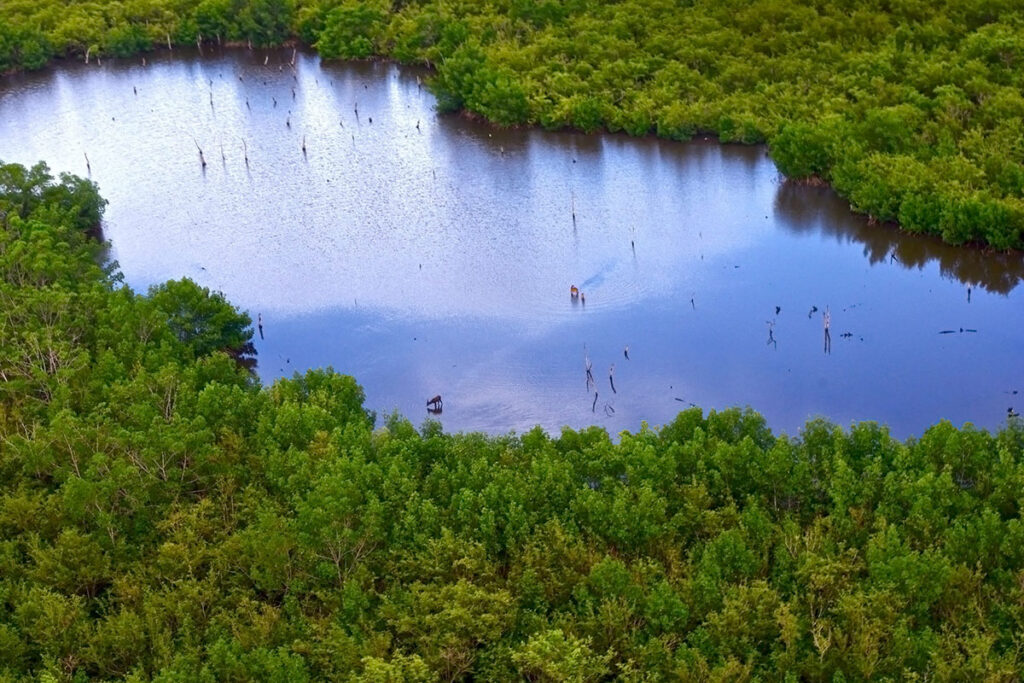
Akanda National Park – Gabon’s Coastal Mangrove Paradise Near Libreville
Akanda National Park is one of Gabon’s most breathtaking coastal reserves, a sanctuary where dense mangrove forests meet the Atlantic Ocean just north of Libreville. Covering more than 540 square kilometers, it protects some of Central Africa’s most vital wetlands and serves as a key resting and breeding site for migratory birds. With its tranquil waterways, nesting turtles, and abundant marine life, Akanda offers a serene eco-adventure only a short distance from Gabon’s bustling capital.
Key Facts and Figures
- Location: Estuaire Province, northeast of Libreville, Gabon.
- Established: 2002 as part of Gabon’s National Parks Network.
- Size: Approximately 540 km² (54,000 hectares).
- Habitats: Mangrove forests, tidal flats, beaches, lagoons, and coastal evergreen forest.
- Recognition: Ramsar Site (Wetland of International Importance) since 2007.
- Main Species: Green and leatherback turtles, West African manatee, bottlenose dolphins, flamingos, and African fish eagles.
- Best Time to Visit: June to September (dry season) for pleasant weather and ideal wildlife viewing conditions.
Overview and Geography
Located just 30 to 45 minutes north of Libreville, Akanda National Park lies along the shores of Mondah and Corisco Bays. Its landscape is dominated by expansive mangrove forests, tidal creeks, mudflats, and shallow lagoons. Inland areas host lush evergreen forests filled with orchids, raffia palms, and ferns. The mangroves act as natural shields, protecting coastal villages from erosion and storms while providing essential breeding grounds for fish and crustaceans.
Biodiversity and Wildlife
Akanda’s biodiversity is extraordinary, especially for a park so close to an urban area. The park is home to a rich mix of marine, bird, and forest species, making it one of Gabon’s most ecologically diverse regions.
Marine and Coastal Wildlife
The park’s beaches are crucial nesting grounds for green and leatherback sea turtles, which come ashore between November and March to lay eggs. Offshore, visitors can spot bottlenose dolphins, Atlantic humpback dolphins, and the gentle West African manatee. The mangrove channels teem with fish, crustaceans, and mollusks, supporting both wildlife and local fishing communities.
Birdlife
Akanda is one of Central Africa’s most important bird habitats, hosting over 200 bird species. Between October and April, migratory flocks from Europe and Asia — including flamingos, pelicans, whimbrels, and terns — fill the skies and tidal flats. Resident species such as African fish eagles, kingfishers, and malachite sunbirds can be seen year-round. For birdwatchers, this is one of Gabon’s finest destinations.
Flora
The park’s mangrove vegetation is dominated by Rhizophora racemosa, Avicennia germinans, and Laguncularia racemosa. These species help stabilize coastlines and provide oxygen-rich habitats for countless marine organisms. Inland forests flourish with orchids, lianas, and medicinal plants that local communities have used for generations.
Main Attractions and Things to Do in Akanda National Park
Akanda National Park offers a peaceful yet immersive wildlife and coastal experience that blends adventure, conservation, and cultural discovery. Whether you’re exploring its mangrove labyrinths, watching dolphins in the bay, or birding along the tidal flats, Akanda provides one of the most rewarding eco-tourism experiences in Gabon. Below are the park’s top attractions and activities you shouldn’t miss.
1. Mangrove Boat Safaris
Embark on a guided boat or canoe safari through Akanda’s maze of mangrove channels. Expert local guides navigate the tranquil waterways lined with arching roots, where you can spot mudskippers, crabs, herons, and even the elusive West African manatee. Early morning or sunset trips are especially scenic, with birds calling across the shimmering water.
2. Birdwatching Excursions
Akanda is a paradise for birdwatchers. During migration season (October–March), thousands of flamingos, spoonbills, and whimbrels gather in the tidal flats. Guided birding tours provide excellent photography opportunities and insight into the park’s role as a crucial stopover on the East Atlantic Flyway.
3. Turtle Nesting and Beach Walks
Between November and March, visitors can witness sea turtles coming ashore to nest under the moonlight. Guided night walks with rangers offer a rare and moving look at this natural spectacle. By day, stroll along the beaches of Mondah Bay for scenic views, shell collecting, and relaxation.
4. Eco-Cruises and Dolphin Watching
Join a boat tour from Libreville or the nearby fishing villages for a chance to see bottlenose and Atlantic humpback dolphins gliding through the waves. These eco-cruises also allow visitors to explore hidden inlets, mangrove islands, and serene lagoons ideal for photography and bird spotting.
5. Forest Trails and Nature Walks
Beyond the mangroves, Akanda’s inland forest offers gentle nature walks led by rangers. Visitors can explore native vegetation, orchids, and medicinal plants while listening to birds and observing monkeys or butterflies. It’s a wonderful way to appreciate Gabon’s coastal biodiversity on foot.
6. Community and Cultural Visits
Visit traditional fishing villages such as Cap Estérias or Avorbam to learn about local livelihoods and cultural heritage. Experience artisanal fishing, taste freshly caught seafood, and discover how communities work with park authorities to promote sustainable tourism and mangrove conservation.
7. Kayaking and Paddle Adventures
For active travelers, kayaking through Akanda’s mangrove channels offers a more personal way to connect with nature. Paddle through calm lagoons surrounded by mangrove tunnels, watching birds swoop overhead and crabs scuttle along the roots. Kayak tours can be arranged with certified local guides.
8. Conservation and Educational Tours
Join eco-education programs led by the National Parks Agency (ANPN) or NGOs such as WWF. These guided experiences explain mangrove ecology, climate resilience, and Gabon’s conservation initiatives. Visitors can also participate in mangrove reforestation projects and awareness campaigns supporting local communities.
9. Nature Photography
Akanda’s calm waters, reflective light, and rich wildlife make it a dream location for photographers. Capture close-ups of kingfishers, wide-angle shots of flamingo flocks, or dramatic sunset silhouettes of the mangrove skyline. Drone use is restricted but can be authorized for professional projects.
10. Relaxation and Picnics by the Bay
Several viewpoints along Mondah Bay are perfect for picnics and relaxation. Pack lunch and enjoy panoramic views as fishing boats drift by and seabirds soar overhead. The peaceful atmosphere offers a welcome escape from city life, just 45 minutes from Libreville.
11. Combination Tours with Nearby Parks
Many travelers combine Akanda with a visit to Pongara National Park across the estuary, known for forest elephants and turtle nesting beaches. Tour operators in Libreville offer combined day or weekend packages, creating a balanced experience of forest, coast, and marine wildlife.
Best Time to Visit
The dry season (June–September) is the best time to visit Akanda for clear skies, easier access, and boat excursions. The wet season (October–May) brings lush vegetation and migratory birds but can make some areas muddy or inaccessible. Temperatures remain warm year-round, averaging 25°C–31°C, with refreshing coastal breezes.
Getting There and Entry Permits
Akanda National Park is about 30–45 minutes north of Libreville via the road leading toward Cap Estérias. Visitors can hire a private car, join an organized tour, or arrange transport through the Agence Nationale des Parcs Nationaux (ANPN). Entry permits are required and can be obtained from ANPN offices in Libreville. Park fees typically range from XAF 5,000–10,000 (USD 8–15), with guided tours and boat excursions available for an additional charge.
Accommodation and Facilities
While there are no lodges inside the park, visitors can stay in nearby Libreville at hotels such as Radisson Blu Okoume Palace, Nomad Suites Residence, or Le Méridien Re-Ndama. Some eco-tour operators also offer overnight camping options near the bay with prior authorization. Basic picnic areas and designated viewpoints are available for day visitors.
Conservation and Community Involvement
Akanda plays a key role in protecting Gabon’s mangrove belt, which covers nearly 20% of the country’s coastline. The park’s Ramsar Site status emphasizes its global ecological value, particularly for migratory bird conservation. Local communities actively participate in eco-tourism, sustainable fishing, and mangrove reforestation programs supported by the National Parks Agency and environmental NGOs. These efforts ensure that Akanda remains both a thriving habitat and a source of livelihood for future generations.
Nearby Attractions
- Pongara National Park: Located across the estuary, known for turtles and forest elephants.
- Raponda Walker Arboretum: A protected forest near Libreville offering scenic trails and birdwatching.
- Libreville City Tour: Visit the National Museum, local craft markets, and seaside restaurants for a mix of culture and cuisine.
Why Visit Akanda National Park
Akanda National Park is one of Gabon’s most accessible yet least crowded eco-destinations. It offers a rare blend of marine, forest, and wetland experiences — all within a short drive from Libreville. For birdwatchers, photographers, and anyone passionate about conservation, Akanda provides a unique opportunity to explore an untouched corner of West Africa’s coastal wilderness while supporting sustainable tourism.
Conclusion
Akanda National Park stands as a living testament to Gabon’s commitment to environmental preservation. Its mangroves, wildlife, and coastal communities form an intricate ecosystem where land and sea coexist in harmony. A day in Akanda is more than just an excursion — it’s a journey through nature’s resilience, cultural pride, and the beauty of Gabon’s wild Atlantic shores.