
Bandingilo National Park
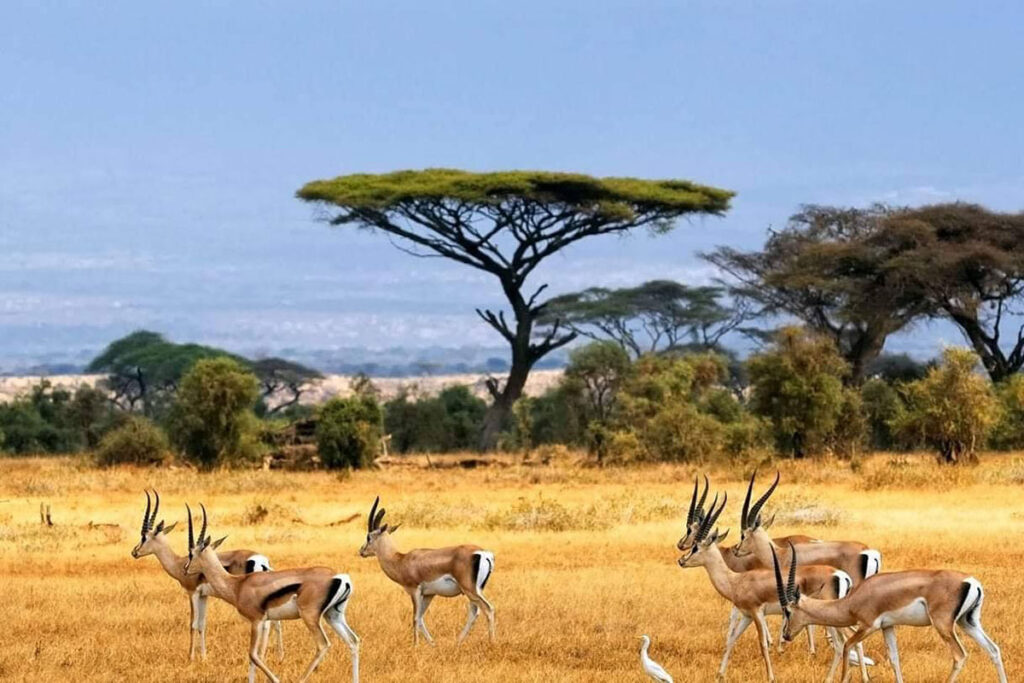
Bandingilo National Park – South Sudan’s Untamed Frontier of Migration and Wilderness
Located in the Equatoria region of South Sudan, Bandingilo National Park is a vast wilderness of golden grasslands, seasonal wetlands, acacia woodlands, and rolling hills. It lies east of Juba and forms part of a massive transboundary ecosystem that supports one of the largest animal migrations on Earth. With few tourists, minimal infrastructure, and an untouched natural environment, Bandingilo offers one of Africa’s purest wilderness experiences — ideal for adventurers seeking authenticity and solitude.
Key Facts and Figures
- Location: Central and Eastern Equatoria States, South Sudan, east of Juba.
- Established: 1992 (some sources cite 1986) as a national park.
- Size: Approximately 10,000 km² within protected boundaries; the larger ecosystem covers about 37,500 km².
- Altitude: Between 100–400 meters above sea level, with scenic Bandingilo Hills offering elevated views.
- Main Habitats: Floodplain grasslands, seasonal marshes, acacia woodland, and riverine forest corridors.
- Main Species: White-eared kob, tiang, Mongalla gazelle, elephants, giraffes, lions, and numerous bird species.
- Climate: Tropical Sudanian climate with a dry season from November to March and rains between May and October.
- Best Time to Visit: December to March for the dry season and easier access; May to October for lush scenery and birdlife.
Geography, Hydrology, and Ecosystem
Bandingilo lies in a transition zone between the White Nile floodplains and South Sudan’s drier interior savannas. The park’s ecosystem includes riverine forests, grasslands, and rolling hills that rise gently above vast plains. Several seasonal streams and wetlands drain into the Sobat River, feeding the White Nile and connecting Bandingilo to the Sudd Wetlands — one of the world’s largest inland water systems.
During the wet season, the park transforms into a lush landscape dotted with shallow lakes and swampy basins that attract breeding birds and grazing mammals. As the dry season sets in, wildlife migrates toward permanent water sources, creating dramatic concentrations of animals around marshes and waterholes. This dynamic interplay of wet and dry cycles sustains the region’s biodiversity and drives its famed wildlife migrations.
Flora and Vegetation
The park’s vegetation is dominated by tall grasses such as Hyparrhenia and Sporobolus, with tree species like Acacia seyal, Balanites aegyptiaca, and Combretum scattered across the plains. In wetter zones, Borassus palms and riparian forests flourish along the waterways. This mosaic of vegetation supports a rich variety of grazing and browsing animals and plays a vital role in maintaining the ecological balance of the region.
Wildlife Highlights
The Great Antelope Migration
Bandingilo National Park forms part of the Boma–Bandingilo migratory ecosystem, home to one of the world’s largest overland wildlife migrations. Every year, millions of white-eared kob, tiang antelope, Mongalla gazelle, and reedbuck traverse the park in search of water and fresh pastures. Aerial surveys in 2024 confirmed that over six million animals move across this landscape — a spectacle that rivals or exceeds the Serengeti migration in scale.
Large Mammals and Predators
Beyond the antelopes, Bandingilo is home to elephants, buffaloes, Nubian giraffes, lions, leopards, spotted hyenas, and African wild dogs. The region’s remoteness and sparse human presence have allowed large mammals to persist relatively undisturbed. Predators follow the migrating herds, offering visitors a chance to witness raw predator–prey interactions in an untouched environment.
Birdlife
Over 300 bird species have been recorded in Bandingilo, making it one of South Sudan’s most rewarding birding destinations. During the rainy season, vast numbers of waterfowl and migratory birds gather around floodplains. Notable species include storks, pelicans, herons, and raptors such as fish eagles and harriers. The combination of open grasslands, wetlands, and woodlands provides diverse habitats for resident and migratory species alike.
Main Attractions and Things to Do
1. Witness the Great Migration
The highlight of any visit to Bandingilo is witnessing the seasonal migration of millions of antelope. Visitors can see enormous herds stretching to the horizon, followed by predators and scavengers in an epic natural drama. Early morning and late afternoon are the best times for photography and wildlife viewing.
2. Game Drives and Wildlife Viewing
Guided 4×4 safaris across the park’s plains and woodland edges reveal elephants, giraffes, antelopes, and the occasional predator. Because the park remains largely undeveloped, every game drive feels like an expedition into truly wild territory. The open terrain offers panoramic views and uninterrupted encounters with nature.
3. Birdwatching
Bird enthusiasts will find Bandingilo a paradise of diversity. Explore the wetlands during the rainy season to spot waterfowl, waders, and flocks of migratory species. The mix of grassland and woodland also attracts hornbills, rollers, bee-eaters, and other colorful birds throughout the year.
4. Cultural Encounters
The park’s surrounding areas are home to the Dinka, Bari, and Murle peoples, whose pastoral lifestyles are deeply tied to the rhythms of the land. Cultural tours offer opportunities to learn about traditional cattle herding, music, and community conservation. These interactions promote mutual understanding and provide local communities with economic benefits from tourism.
5. Photography and Wilderness Camping
For photographers, Bandingilo is a dream — golden grasslands, huge skies, and endless herds of wildlife. The Bandingilo Hills provide sweeping viewpoints at sunrise and sunset, perfect for landscape photography. Wilderness camping under the stars adds to the adventure, with the sounds of distant antelopes and nocturnal animals surrounding you.
6. Conservation and Research Experiences
Bandingilo offers unique opportunities for conservation-focused travelers. The park is managed under a partnership between the Government of South Sudan and African Parks, aiming to restore wildlife populations, improve law enforcement, and involve local communities in sustainable tourism. Visitors may observe ranger patrols, wildlife monitoring, and anti-poaching efforts in action.
Accommodation and Visitor Facilities
Tourism facilities in Bandingilo remain limited. Most visitors use mobile tented camps or stay in Juba, about 85 kilometers away, before driving into the park. Safari operators arrange guided expeditions, complete with supplies and field staff. This remoteness ensures an authentic, crowd-free experience in one of Africa’s least explored protected areas.
Getting There and Accessibility
The park is accessed from Juba by 4×4 vehicle via unpaved roads, which can take 4–6 hours depending on conditions. During the wet season, travel becomes difficult, so visitors should plan accordingly. Charter flights can also be arranged to nearby airstrips for quicker access. All travelers should arrange park permits and guides through the South Sudan Wildlife Service or authorized tour operators.
Best Time to Visit
The dry season (December–March) is best for wildlife viewing and accessibility. During this period, animals gather around permanent water sources, making sightings easier. The wet season (May–October) brings lush vegetation, migratory birds, and dramatic skies — ideal for photography, though travel is more challenging.
Conservation and Community Involvement
In 2022, African Parks signed a ten-year agreement with the South Sudanese government to manage Bandingilo and neighboring Boma National Park. Their efforts include anti-poaching patrols, community education, wildlife monitoring, and rebuilding infrastructure. The initiative aims to create long-term benefits for local communities through employment, education, and sustainable tourism while protecting one of Africa’s last intact migration ecosystems.
Safety and Responsible Travel
- Visitors must obtain visas and park entry permits in advance.
- Travel with licensed guides and reputable operators familiar with local logistics.
- Carry sufficient supplies, water, and spare fuel, as services are limited.
- Respect cultural norms — always ask permission before photographing local people.
- Check current travel advisories before departure and coordinate with local authorities for safety updates.
Why Visit Bandingilo National Park
Bandingilo is more than a safari destination — it’s one of the last frontiers of true wilderness in Africa. Here, time slows, nature reigns, and wildlife migrations unfold as they have for millennia. For travelers who crave raw beauty, solitude, and unfiltered encounters with nature, Bandingilo offers an experience unlike any other.
Conclusion
Bandingilo National Park stands as a symbol of ecological resilience and renewal. Its vast landscapes, teeming wildlife, and resilient communities embody the future of conservation in South Sudan. Whether you come to witness the great migration, photograph untouched scenery, or connect with cultures living in harmony with the wild, Bandingilo promises an unforgettable adventure into Africa’s untamed heart.