
Bicuar National Park
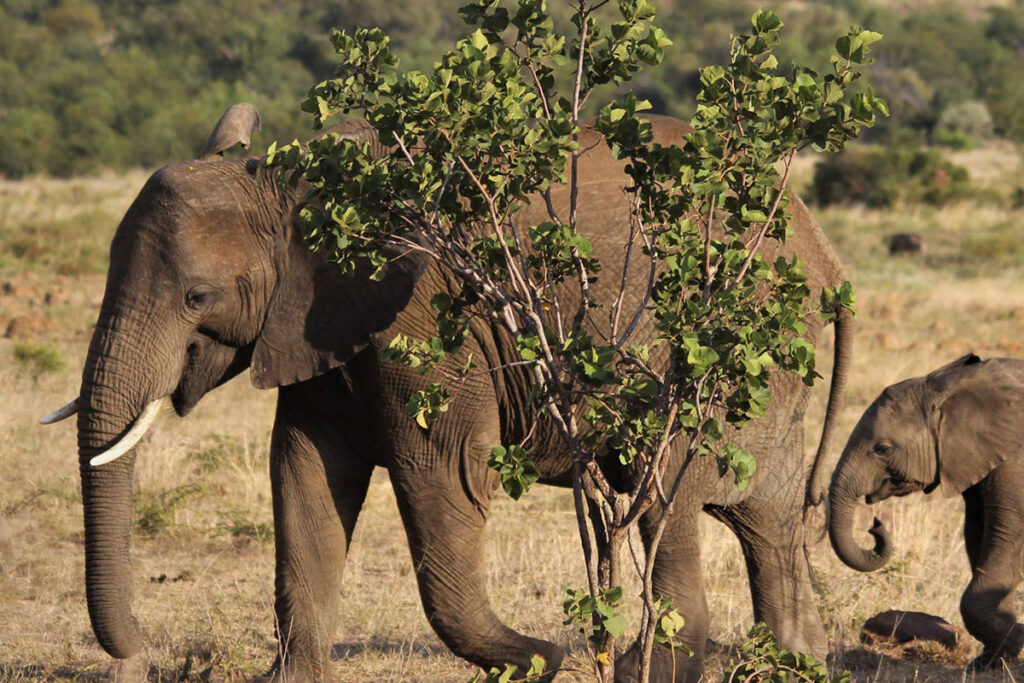
Bicuar National Park – A Detailed Guide to Angola’s Untouched Miombo Wilderness
Overview and Location
Bicuar National Park is one of Angola’s largest and most ecologically valuable protected areas, covering an expansive 7,900 km² of pristine miombo woodland, mopane forest, open savanna, and seasonal wetlands. Situated in Huíla Province about 120 km southeast of Lubango, the park occupies a strategic ecological zone within the Cunene River Basin. Its position makes it a critical wildlife corridor for large mammals, woodland birds, and dryland species moving across southwestern Angola.
Because of its remoteness, Bicuar National Park remains one of Africa’s least disturbed wilderness areas. During Angola’s civil war, the region was spared large-scale human settlement and commercial agriculture, preserving habitats that have disappeared elsewhere. Today, Bicuar is increasingly recognised as one of Angola’s most promising conservation areas — a place where wildlife is steadily returning, ecological processes remain intact, and visitors can explore an authentic African wilderness that feels frozen in time.
For conservationists, field researchers, and adventurous safari travellers, Bicuar National Park offers something few destinations in southern Africa still can: vast, unspoiled landscapes, zero crowds, and a rare glimpse into Angola’s ecological recovery story.
Key Facts and Figures
- Country: Angola
- Province: Huíla Province
- Area: Approximately 7,900 km²
- Ecosystems: Miombo woodland, mopane woodland, savanna grassland, seasonal wetlands
- Altitude: 1,150–1,500 meters above sea level
- Established: Became a national park in the 1960s (previously a hunting reserve)
- Main Access Point: Lubango
- Known For: Roan and sable antelope, African wild dog, elephant recolonization, miombo birdlife
- Best Time to Visit: June to October (dry season)
- Conservation Status: Recovering post-conflict ecosystem
Landscape, Ecosystem, and Climate
Bicuar National Park stretches across the elevated Huíla Plateau, a landscape shaped by rolling hills, ancient plains, and nutrient-rich red soils typical of Angola’s southern highlands. The park’s defining feature is its extensive miombo woodland — a globally important ecosystem covering millions of square kilometres across southern Africa. Miombo trees such as Brachystegia, Julbernardia, and Isoberlinia form high, spreading canopies that support thousands of insect species, seed-eating birds, and woodland antelope.
Miombo woodlands are known for their fire-adapted ecology and seasonal leaf shedding, which fuels nutrient cycling and enriches the forest floor. In Bicuar, these woodlands are in remarkably good condition, providing vital habitat for sable antelope, roan antelope, bushbuck, and several specialized bird species.
In drier sections of the park, mopane woodland becomes dominant. Mopane trees thrive in harsh, arid environments and are a critical food source for elephants, kudu, and mopane-dependent insects. Mopane forests are especially valuable during the dry season, when other vegetation becomes scarce.
Bicuar National Park also contains open savannas and seasonal wetlands. After heavy rains, shallow pans transform into vibrant ecosystems that attract storks, herons, amphibians, reedbuck, and other wetland specialists. These temporary waterbodies play a major role in wildlife distribution and breeding cycles.
Climate
The park experiences a tropical semi-arid climate with two main seasons:
- Wet Season (November–April): Characterised by afternoon thunderstorms, lush green vegetation, booming insect populations, and abundant water sources.
- Dry Season (May–October): Cooler temperatures, clear skies, limited surface water, and excellent game viewing conditions.
With altitudes between 1,150 and 1,500 meters, Bicuar enjoys cooler nights and more comfortable daytime temperatures than Angola’s lowland regions, making it ideal for extended fieldwork and wilderness exploration.
Wildlife in Bicuar National Park
Bicuar’s wildlife story is one of remarkable resilience. During Angola’s civil war, many species declined dramatically, yet the park’s size and isolation allowed key populations to survive. Today, wildlife is slowly but consistently returning, and Bicuar is becoming one of the most important ecological recovery zones in southwestern Angola.
Mammals
The park is especially important for woodland and savanna antelope. Species known to inhabit Bicuar include:
- Roan antelope (Hippotragus equinus)
- Sable antelope (Hippotragus niger)
- Greater kudu
- Impala
- Waterbuck
- Reedbuck
- Oribi
- Plains zebra
- Wildebeest
- Warthog
- African buffalo (recovering)
- Elephants (slow recolonization)
Large predator sightings include:
- Leopard
- Spotted hyena
- Serval
- Black-backed jackal
- African wild dog (regionally significant population)
The presence of African wild dogs is particularly important; this endangered species requires large, connected territories, and Bicuar has become one of their safe movement zones in Angola.
Birdlife
Bicuar National Park is a leading birdwatching destination in Angola. Miombo and mopane woodlands support a rich array of species, some of which are difficult to find elsewhere in the region.
- Miombo rock thrush
- Rufous-bellied tit
- Brown-necked parrot
- Lilac-breasted roller
- Swallow-tailed bee-eater
- Ground hornbill
- Ostrich (savanna zones)
- Martial eagle
- Bateleur eagle
- Tawny eagle
- Saddle-billed stork (wet years)
Reptiles and Amphibians
- Monitor lizards
- Agama lizards
- Pythons and other snakes
- Geckos
- Tree frogs and toads (mass breeding during wet season)
Main Attractions and Things to Do in Bicuar National Park
Bicuar National Park offers a unique wilderness experience centred on solitude, natural beauty, and ecological authenticity. Unlike commercial safari destinations, activities in Bicuar revolve around raw landscapes, seasonal wildlife movements, and immersive nature exploration. The park’s untouched terrain makes it ideal for travellers seeking quiet, off-the-beaten-path adventures in Angola’s miombo woodlands.
1. Game Drives Through Miombo and Mopane Landscapes
Game drives are the best way to explore Bicuar National Park’s vast habitats. Visitors can travel through miles of untouched miombo woodland, mopane forests, and open savanna plains while searching for roan antelope, sable antelope, kudu, warthogs, and zebras. Predator sightings, including leopards and hyenas, are possible in early morning and late afternoon. Because Bicuar has almost no tourist traffic, game drives feel truly wild — often without encountering another vehicle the entire day.
During the dry season, animals concentrate around remaining water sources, making sightings more predictable. The red soils, golden grasslands, and distant blue hills of the Huíla Plateau provide a striking backdrop for photography and wildlife viewing.
2. Birdwatching in One of Angola’s Best Miombo Regions
Bicuar is considered one of the top birding destinations in southwestern Angola. The park’s mosaic of miombo woodland, grassland, and seasonal wetlands attracts an impressive range of birdlife, from colourful bee-eaters to powerful eagles. Birdwatchers can spot miombo rock thrush, rufous-bellied tit, brown-necked parrots, lilac-breasted rollers, hornbills, and ground-nesting species.
Raptors such as martial eagles, bateleurs, and tawny eagles are commonly seen soaring above open plains. After the rains, temporary pans attract waterbirds including herons, storks, and waders. Because Bicuar receives few visitors, birds are less habituated to disturbance, making the park ideal for patient bird photographers and ornithologists.
3. Wet Season Exploration of Seasonal Pans and Wetlands
From November to April, the park transforms as rains fill shallow depressions and pans across the landscape. These seasonal wetlands become hotspots for wildlife, attracting reedbuck, waterbuck, wading birds, amphibians, and countless insects. For nature enthusiasts, exploring the park in the wet season reveals amphibian breeding events, vibrant green vegetation, and dramatic afternoon thunderstorms rolling across the Huíla Plateau.
Temporary wetlands also play a vital ecological role, influencing wildlife movement and providing critical water sources in an otherwise semi-arid region. Visiting these pans allows travellers to witness one of Bicuar’s most important seasonal cycles.
4. Landscape and Wilderness Photography
With its wide-open horizons, ancient miombo trees, rugged hills, and striking colours, Bicuar National Park is a dream for photographers. The dry season offers dusty golden tones and crystal-clear sunsets, while the wet season brings lush green vegetation and dramatic storm skies. The park’s lack of development — no fences, lodges, or crowds — means photographers can capture the essence of pure African wilderness.
Early morning light filtering through miombo trees, wildlife gathering near pans, and panoramic views of the Huíla Plateau are among the most rewarding photography subjects in the park.
5. Guided Nature Walks (With Permission)
Where permitted, guided walks with rangers or local experts offer a deep, immersive look into Bicuar’s ecosystems. These walks allow visitors to observe plants, insects, animal tracks, and smaller wildlife that might be missed on game drives. Guides share knowledge about traditional plant uses, predator behaviour, and miombo woodland ecology.
Because Bicuar is a remote wilderness, guided walks provide a safe and informative way to connect with nature on foot while respecting park protocols and wildlife safety.
6. Exploring Miombo Ecology and Learning About Conservation
Bicuar National Park offers valuable learning experiences for researchers, students, and ecotourists. Visitors interested in ecology and conservation can study miombo forest dynamics, fire-adapted vegetation, seasonal water cycles, and post-conflict wildlife recovery. The park is increasingly used as a field site for ecological monitoring and biodiversity studies.
Conservation-focused travellers can also meet local ranger teams, learn about anti-poaching challenges, and understand the park’s role in rewilding southern Angola’s landscapes.
7. Cultural Visits to Surrounding Communities
The villages surrounding Bicuar provide insight into traditional life in Angola’s Huíla Province. Community visits offer opportunities to learn about local agriculture, pastoralism, traditional medicine, and sustainable resource use. These interactions highlight the connection between rural communities and the park, and how community-led conservation initiatives contribute to wildlife protection.
Visitors can also learn about local crafts, foods, and cultural practices that have shaped life around Bicuar for generations.
Accommodation and Facilities
Bicuar National Park is not yet developed for mainstream tourism, which preserves its untouched character. Facilities are minimal.
- Inside the Park: Basic ranger stations and simple camping areas (with permission).
- Nearby Lubango: Hotels, guesthouses, and lodges suitable for safari staging.
- Self-Sufficient Camping: Travellers must bring food, water, tents, fuel, and recovery gear.
Best Time to Visit
The best time to visit Bicuar National Park is during the dry season from June to October, when vegetation thins and wildlife becomes easier to spot.
- Dry Season: Ideal for game viewing, photography, and longer drives.
- Wet Season: Best for birdwatching and exploring wetlands, though roads may be muddy.
How to Get There
- By Air: Flights to Lubango Airport from Luanda and other major Angolan cities.
- By Road: A reliable 4×4 is essential due to off-road terrain and limited infrastructure.
- With Tour Operators: Specialist safari companies organise guided trips into Bicuar.
Conservation, Challenges, and Community Involvement
Bicuar National Park represents one of Angola’s best opportunities for long-term wildlife recovery. Its large size, intact habitats, and low human pressure make it a strong candidate for rewilding efforts, especially for elephants, buffalo, and large predators. However, challenges remain.
- Illegal hunting and bushmeat poaching
- Pangolin trafficking
- Livestock grazing near park edges
- Lack of funding for ranger patrols
- Road degradation limiting access and monitoring
Community involvement is growing, with local residents participating in ranger work, tourism development, and environmental education. As ecotourism expands, Bicuar has the potential to generate sustainable income for surrounding communities while protecting its natural resources.
Practical Travel Tips
- Travel with a 4×4 and carry extra fuel.
- Bring your own water, food, recovery equipment, and spare tyres.
- Use offline maps or GPS since mobile network coverage is limited.
- Carry a first-aid kit and malaria prophylaxis.
- Check park entry requirements and conditions in advance.
- Consider hiring an experienced guide or operator for navigation and safety.
Why Visit Bicuar National Park?
Bicuar National Park is one of Angola’s last untouched wilderness areas — a place where miombo woodlands stretch for kilometres, wildlife returns slowly and naturally, and the silence of true wilderness is ever-present. Unlike many safari destinations, Bicuar offers a rare sense of solitude and authenticity. For birdwatchers, overlanders, conservationists, and serious nature travellers, Bicuar delivers a powerful and inspiring experience.
Conclusion
Bicuar National Park is a cornerstone of Angola’s conservation future. Its vast landscapes, diverse ecosystems, and recovering wildlife populations make it one of the most exciting emerging safari destinations in southern Africa. As Angola continues rebuilding its protected areas, Bicuar stands out as a symbol of resilience and ecological potential. For travellers seeking raw, meaningful, and genuinely wild experiences, Bicuar National Park offers an unforgettable journey into the heart of southwestern Angola.