
Cameia National Park
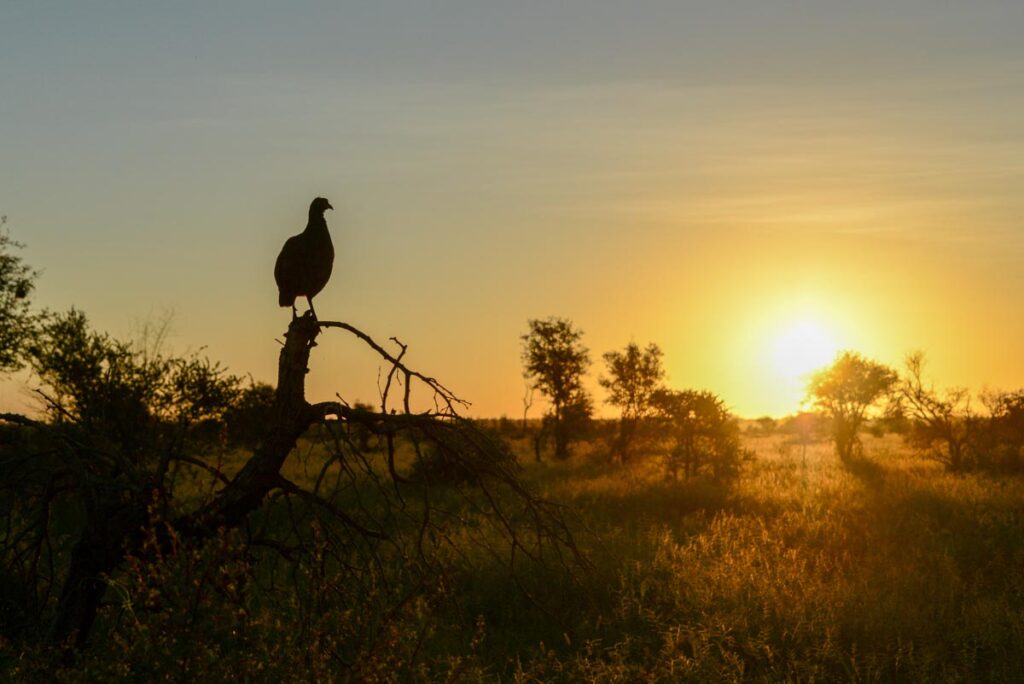
Cameia National Park – Angola’s Untouched Floodplain Wilderness, Wetland Haven, and a Critical Stronghold for the Zambezi–Okavango Basin
Cameia National Park, located in eastern Angola’s Moxico Province, is one of the country’s largest and most ecologically significant protected areas. Spanning a vast 14,450 km², the park safeguards one of southern Africa’s most important wetland and floodplain systems—an immense landscape where water, grasslands, and woodlands merge into a living mosaic of biodiversity. Cameia’s intact ecosystem forms a delicately balanced hydrological system that feeds two of Africa’s greatest rivers, holds immense ecological value for the wider region, and protects landscapes that have remained virtually unchanged for centuries. Its remoteness, minimal development, and near-absence of infrastructure make it one of the last truly wild frontier parks in Africa.
Despite the devastating impacts of Angola’s prolonged civil war, which decimated wildlife populations and disrupted conservation work for decades, Cameia remains a powerful symbol of ecological resilience. Its floodplains, papyrus marshes, and miombo woodlands still harbor important wildlife populations and continue to support intricate natural processes essential to regional water security. Today, Cameia stands at the heart of Angola’s conservation renaissance, representing one of the country’s most promising landscapes for ecological restoration, scientific research, community-based conservation, and long-term environmental recovery.
Overview and Location
Cameia National Park lies east of Luena, the capital of Moxico Province, in a region known for its abundant rainfall, extensive floodplain systems, and low population density. The park’s location places it within the upper Zambezi Basin, close to the headwaters that supply water to the Okavango Delta—one of the planet’s most celebrated wetland ecosystems. Its borders extend north toward the Democratic Republic of Congo, creating a transboundary ecological landscape that historically supported massive seasonal wildlife migrations and facilitated the movement of waterbirds and grazing animals across wetland corridors.
The park’s unique position in the Angolan interior amplifies its ecological importance. While much of southern Africa’s wetlands are threatened by agriculture, dams, and human settlement, Cameia retains a remarkably intact wetland structure. This makes it one of the most critical natural water-storage regions feeding the wider Zambezi–Okavango system, regulating water flow, buffering communities against climate extremes, and supporting biodiversity across thousands of kilometers.
Landscape, Ecosystems, and Climate
Cameia’s landscapes are dominated by a dramatic seasonal cycle in which water transforms the environment each year. During the rainy months, floodwaters expand across the plains, creating shallow lakes, temporary rivers, and expansive wetlands alive with fish, frogs, and aquatic insects. These flooded areas become breeding grounds for countless bird species and support the nutrient-rich processes that sustain the park’s entire ecological web. In contrast, the dry season exposes nutrient-rich soils, leaving behind golden grasslands and isolated wetlands where wildlife congregates in search of water.
This ever-changing landscape includes vast sedge-dominated marshes, papyrus swamps, miombo woodland “islands,” and raised termite mounds that support unique flora and fauna. These ancient termite structures can rise several meters above the plains and often provide the only dry ground during peak flooding, acting as refuges for mammals, birds, reptiles, and insects. Cameia’s climate—marked by heavy summer thunderstorms and long, dry winters—further shapes the behaviour of wildlife, the growth cycles of plants, and the hydrology of the floodplain system.
Flora and Vegetation
The vegetation of Cameia National Park reflects centuries of adaptation to seasonal flooding. In the wet months, the plains become blanketed in lush aquatic grasses that support grazing herbivores, while sedges and papyrus stabilize wetland soils and provide breeding habitat for cranes and jacanas. Miombo woodlands, characterized by Brachystegia and Julbernardia species, dominate the dry plateaus and are vital for woodland birds, pollinating insects, and small mammals.
Termite mounds—often 3 to 5 meters tall—create elevated microhabitats where shrubs, wild fruits, medicinal plants, and small trees thrive. These mounds are ecological hotspots, offering shade, nesting sites, erosion control, and nutrient-rich soils that support unique plant communities not found elsewhere in the floodplain. Local communities rely on wetland vegetation for weaving baskets, crafting fishing traps, producing medicines, and constructing traditional structures—highlighting the deep cultural connection between people and the land.
Wildlife in Cameia National Park
Before the civil war, Cameia supported robust populations of large mammals, with historical records noting tens of thousands of lechwe, puku, reedbuck, and oribi grazing the seasonal floodplains. Predators such as lion, leopard, and hyena were common, following migratory herds across the plains. Elephants and buffalo moved through Cameia seasonally, while sable and roan antelope thrived along the woodland edges. This abundance made Cameia one of the richest lowland wildlife ecosystems in central Angola.
Although wildlife populations collapsed during Angola’s 27-year conflict due to poaching, landmines, and displacement, the park still retains important species concentrations. Sitatunga—Africa’s most elusive wetland antelope—survives in papyrus swamps, while reedbuck and oribi occupy the floodplain margins. Duiker species, bushbuck, mongooses, porcupines, and other small mammals continue to play an ecological role in woodland zones. Scientific surveys from 2015–2023 indicate that many habitats remain suitable for reintroductions, positioning Cameia as a future stronghold for species restoration similar to Mozambique’s Gorongosa National Park.
Birdlife – One of Southern Africa’s Most Important Wetland Refuges
Cameia is a vital sanctuary for wetland birds and a critical node along African migratory flyways. Each rainy season transforms the floodplains into expansive feeding and breeding grounds, attracting thousands of birds from across Africa and even as far as Europe and Asia. The park is one of the most important breeding sites in Angola for the globally endangered Wattled crane, whose presence signals the ecological health of the wetland system.
Palearctic migrants such as sandpipers, greenshanks, and whiskered terns arrive from Eurasia, while intra-African migrants—including openbill storks, African skimmers, and jacanas—move across the Zambezi corridor. Reedbeds at peak flood host large colonies of weavers, bishops, and herons, turning Cameia into a vibrant and noisy breeding metropolis. The diversity and density of wetland birds highlight the park’s critical importance for continental avian conservation.
Fish and Aquatic Life
Cameia’s aquatic ecosystems are driven by seasonal flooding. When the rains arrive, water spreads across the plains, allowing fish such as tilapia, barbel, and cyprinids to migrate and spawn in shallow waters. These spawning events trigger a feeding explosion for birds, crocodiles, and aquatic mammals. Lungfish, likely present in isolated pools, survive dry spells by burrowing into mud and breathing air—an adaptation perfectly suited to Cameia’s seasonal cycles.
As waters recede, fish become trapped in shrinking pools, creating critical dry-season feeding opportunities for birds of prey, herons, and crocodiles. These dynamic aquatic processes form the backbone of Cameia’s wetland ecology and sustain the broader floodplain food web.
Hydrology and Ecological Importance
Hydrologically, Cameia is one of the most important wetlands feeding the Okavango Delta and Zambezi River. Rainfall absorbed by its floodplains slowly releases downstream, stabilizing river flows and reducing flood risks during peak rains. This natural “water storage” effect acts like a giant hydrological sponge, helping regulate climate, reduce drought impacts, and support agriculture and wildlife far beyond Angola’s borders.
By protecting Cameia, Angola helps safeguard the water systems that support Botswana’s Okavango Delta, Namibia’s Kavango region, and Zambia’s western floodplains—demonstrating Cameia’s continental conservation significance.
Local Communities and Cultural Connections
Cameia’s surrounding communities, primarily the Chokwe and Luvale peoples, have shaped and been shaped by the floodplain ecosystem for generations. Their livelihoods—based on small-scale agriculture, fishing, cattle grazing, and foraging—are synchronized with the seasons. Traditional fishing traps made from reeds, floodplain farming beds crafted by hand, and seasonal movements of livestock reflect deep ecological knowledge of wetland rhythms.
Many communities rely on wetland plants for medicinal purposes, harvesting herbs that grow only during the rainy season. There is growing interest in integrating these communities into conservation programs, such as community conservancies, co-managed fishing areas, cultural-guided tourism, and future wildlife monitoring initiatives.
Scientific Research and Conservation Partnerships
Cameia has become a region of increasing scientific interest due to its hydrological importance and largely unstudied biodiversity. Organizations such as the National Geographic Okavango Wilderness Project and the Wild Bird Trust have conducted multi-year expeditions to document species, water flow patterns, and floodplain ecology. Their findings highlight Cameia as a crucial corridor within the Zambezi–Okavango system and a high-priority site for wetland conservation.
Research teams have documented rare frogs, newly recorded bird species for Angola, and previously unmapped wetlands. These discoveries are reshaping regional conservation strategies and laying the groundwork for future wildlife reintroductions and sustainable tourism planning.
Conservation Challenges and Threats
Despite its intact landscapes, Cameia faces significant conservation pressures. Bushmeat poaching remains the biggest threat to large mammal recovery, while unregulated burning disrupts grassland regeneration and affects ground-nesting birds. Overfishing during spawning seasons reduces fish stocks critical for birds and local livelihoods. Climate change threatens to alter rainfall patterns, shrinking wetland habitats and shifting species distributions.
However, Cameia’s isolation has protected much of its habitat from agricultural expansion, logging, or large-scale development—offering a rare chance to restore an ecosystem before it becomes severely degraded. Conservationists widely recognize Cameia as one of the most promising landscapes in Angola for long-term ecological revival.
Tourism and Visiting Cameia National Park
Tourism in Cameia is minimal but deeply rewarding for those seeking raw wilderness and near-total solitude. Travelers who venture into the park experience vast open landscapes untouched by modernization, incredible birdlife during the wet season, and an authentic immersion into rural Angolan culture. The park offers opportunities for wetland birding, photographic expeditions, guided nature walks, and scientific tourism.
Infrastructure is basic, and roads often become waterlogged or impassable during heavy rains—making a reliable 4×4 vehicle essential. The dry season offers easier travel conditions, though lower water levels reduce aquatic wildlife density. As Angola invests in eco-tourism infrastructure and conservation, Cameia is expected to become a flagship destination for low-impact, conservation-oriented travel similar to other wetland parks in southern Africa.
Best Time to Visit Cameia National Park
The wet season (December–April) brings spectacular landscapes, high water levels, peak bird activity, and dramatic thunderstorms that breathe life into the park. This is the best time for birdwatching and photography, though accessibility may be challenging due to flooded roads. The dry season (May–October) offers easier travel, excellent visibility across the plains, and concentrated wildlife sightings around remaining pools.
How to Get There
Most visitors travel to Cameia via Luena, which serves as the gateway town with fuel, supplies, and accommodation. From there, gravel and dirt roads lead east toward the park’s boundary. Infrastructure development is ongoing, and travel should always be planned with local guidance. As stability improves across Angola, more routes and guided tours are expected to open.
Why Visit Cameia National Park?
Cameia offers a rare glimpse into a world shaped entirely by water, seasons, and wilderness. Its immense floodplains, untouched wetlands, and rich birdlife provide an experience that is timeless, peaceful, and deeply rewarding. Whether you are a researcher, a conservationist, a photographer, or an adventurer seeking Africa’s last remaining undiscovered wilderness, Cameia offers something profoundly unique—a raw and unfiltered connection to nature.
Conclusion
Cameia National Park stands as one of Angola’s most important conservation landscapes—a wetland ecosystem of extraordinary scale, hydrological significance, and ecological promise. As the country continues to rebuild its protected areas, Cameia represents a cornerstone for national environmental recovery, regional water security, and future ecotourism development. Its vast wetlands, cultural heritage, and potential for wildlife restoration make it a landscape of hope, resilience, and global conservation importance.