
Dinder National Park
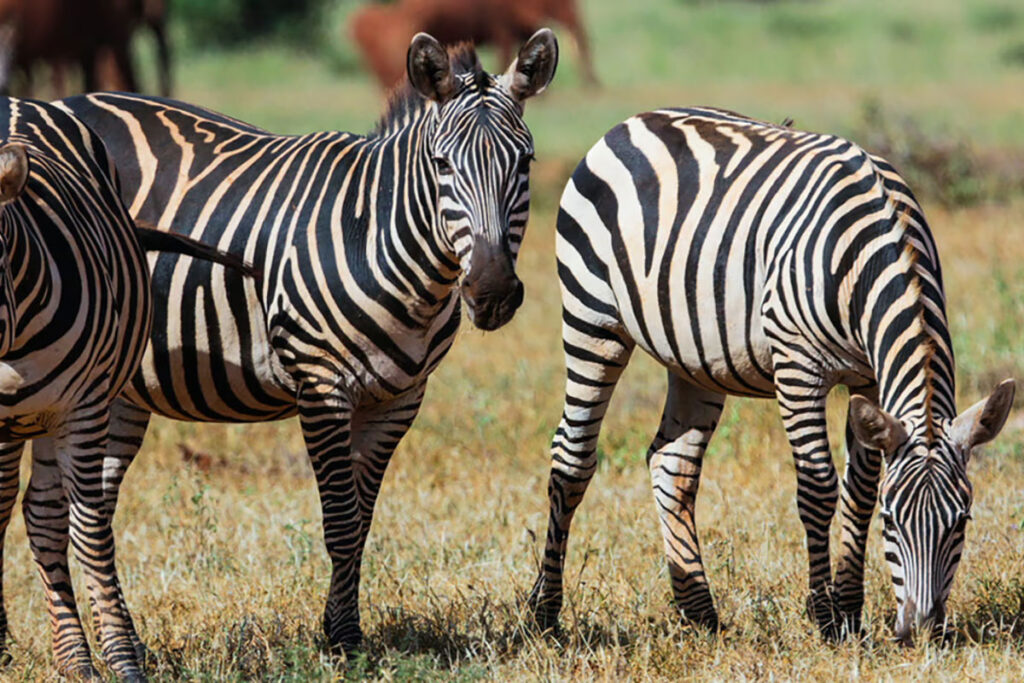
Dinder National Park – Sudan’s Largest Biosphere Reserve and a Critical Oasis of Biodiversity in the Blue Nile Basin
Dinder National Park is one of East Africa’s most ecologically important protected areas and Sudan’s flagship national park—a vast, seasonally dynamic wilderness where savannas, river floodplains, acacia woodlands, and lush wetlands converge to support some of the richest biodiversity in the Sudano-Sahel region. Located in southeastern Sudan along the Ethiopian border, the park spans an officially recognized 10,291 km², making it one of the largest protected areas in Northeast Africa. Its elevation ranges between 460 and 1,000 meters above sea level, a variation that contributes to the exceptional complexity of habitats found within its boundaries.
Situated at the ecological crossroads between the Ethiopian Highlands and the Sudan–Sahelian savanna, Dinder contains species and ecosystems that do not exist anywhere else in the country. This unique biogeographical position creates a sanctuary for mammals, migratory birds, amphibians, reptiles, and over 400 plant species. Established in 1935 under the Anglo-Egyptian Condominium and designated a UNESCO Biosphere Reserve in 1979 (reaffirmed in 1983), Dinder plays a critical role in safeguarding biodiversity, regulating the Blue Nile Basin’s hydrology, and supporting millions of people who depend on its ecological services.
Beyond its wildlife significance, Dinder’s wetlands, known as mayas, are vital natural reservoirs that sustain regional agriculture, groundwater recharge, soil fertility, and wildlife survival during the dry months. From its sweeping grasslands to its dense riverine forests, Dinder National Park stands today as a living testament to the ecological resilience of Sudan and a keystone of Africa’s environmental heritage.
Geography, Location, and Geological Origins
Dinder National Park lies approximately 400 km southeast of Khartoum and stretches along Sudan’s boundary with Ethiopia. The park forms part of the larger Blue Nile Basin, with its landscapes shaped over millions of years by sediment flows, river flooding cycles, and tectonic influences from the Ethiopian Highlands. The geological story of Dinder is written in its deep alluvial soils, ancient floodplains, and the interconnected network of river channels that continue to sculpt its terrain.
The region is characterized by expansive savanna plains, rolling woodlands, riverine forests, and scattered granite outcrops that rise gently above the landscape. These varied landforms create natural drainage patterns that feed the mayas—seasonal wetlands that are essential for wildlife survival. The diverse combination of soil types, water availability, and elevation gradients has produced one of the most ecologically varied protected areas in the Sudano-Sahel belt.
The Maya System – Dinder’s Unique Hydrological Engine
One of Dinder National Park’s most remarkable and defining features is its extensive network of seasonal wetlands known locally as “mayas.” These shallow depressions fill during the rainy season when the Dinder, Rahad, and Gelegu Rivers overflow their banks, spreading nutrient-rich water across the plains. As the floodwaters recede, the water collects in more than 40 major mayas and over 100 secondary depressions, creating a mosaic of aquatic habitats that remain long into the dry season thanks to clay-rich soils that retain moisture.
No two mayas are alike—each features its own combination of water depth, vegetation, soil type, and reed density. This variation supports different wildlife communities, from herds of buffalo and antelope to concentrations of birds, predators, amphibians, and aquatic life. During the dry season (November–May), when much of the park becomes parched, the mayas function as life-saving refuges where thousands of animals gather. Without these wetlands, Dinder could not sustain its large mammal populations or its diverse migratory bird species.
Key mayas include Maya Ras Amir, known for predator activity; Maya Mek, one of the largest and most reliable dry-season water sources; Maya Nimir, favored by antelope species; and Abu Ashar and Jebel Musa, which attract dense birdlife. These mayas form the heart of the visitor experience and are central to the ecological functioning of the entire park.
Vegetation Zones, Plant Diversity, and Seasonal Transformation
Dinder National Park supports a rich and varied flora of more than 400 documented plant species, distributed across distinct ecological zones influenced by rainfall, soil types, and hydrological patterns. The park’s vegetation can be divided into several major types:
- Acacia seyal–Balanites woodlands: Dominant across the park, providing critical browse for greater kudu and historically giraffes.
- Grassland plains: Tall savanna grasses such as Hyparrhenia and Andropogon flourish after the rains, offering abundant grazing.
- Riverine forests: Lining the Dinder and Rahad Rivers with species like sycamore fig, African mahogany, mimosa, and mango trees.
- Sedge and papyrus wetlands: Concentrated in the mayas, creating nesting habitats for waterbirds and breeding grounds for amphibians.
- Combretum and Boswellia shrublands: Found on drier plateaus and upland areas where soil is less fertile.
The seasonal transformation of Dinder is one of its most striking ecological features. From June to October, heavy rains transform the park into a green, vibrant landscape, with grasses reaching shoulder height and mayas brimming with water. During the dry season, the grasses turn golden, rivers shrink, and wildlife congregates in the remaining wetlands. These dramatic seasonal shifts create dynamic ecological processes that shape herbivore migrations, predator movements, and bird breeding cycles.
Climate and Seasonal Cycles
Dinder National Park experiences three distinct climatic phases that collectively shape the behavior of wildlife, vegetation growth, and hydrological processes:
- Rainy Season (June–October): Characterized by high humidity, frequent thunderstorms, swollen rivers, and lush vegetation. Temperatures range from 22°C to 32°C.
- Dry Season (November–May): Water recedes across most of the plains, concentrating wildlife around the rivers and mayas. This period delivers the best wildlife viewing but also temperatures that can exceed 40°C, especially in April and May.
- Harmattan Season (December–February): Cool, dry desert winds from the northeast bring fine Saharan dust, creating beautiful golden light but reduced visibility.
Annual rainfall averages 600–1,000 mm, though climate variability has resulted in more frequent droughts in recent years. These fluctuations directly influence maya water levels, vegetation productivity, and the survival rates of several key species.
Wildlife of Dinder National Park
Dinder National Park is home to a rich diversity of wildlife, representing a mix of East African savanna species and Sahelian fauna. The park’s documented biodiversity includes:
- 70+ mammal species
- 370+ bird species
- 32 reptile species
- 23 amphibian species
- 58 fish species
Mammals and Large Herbivores
Dinder’s mammal populations rely heavily on the seasonal availability of water and forage. Key species include:
- African buffalo—commonly seen around larger mayas.
- Greater kudu—thriving in wooded habitats.
- Bushbuck, waterbuck, reedbuck, oribi
- Warthog
- Roan antelope and Lelwel hartebeest
- Pale fox, Abyssinian hare, and small carnivores
- Olive baboon and vervet monkey
- Lions—most frequently seen near Maya Ras Amir and Maya Nimir.
- Leopard—secretive and more often detected in dense riverine forests.
- Spotted and striped hyena
- Caracal and serval
- Civet, aardvark, and porcupine
Historically, Dinder also supported populations of elephants, giraffes, topi, ostriches, and wild dogs, all of which have disappeared due to poaching and habitat loss. Conservationists hope that improved management could one day facilitate the return of some extirpated species.
Birdlife
With more than 370 bird species, Dinder National Park is one of Sudan’s most important bird conservation areas. It supports both resident and migratory birds, including trans-Saharan migrants and Palearctic species:
- Black crowned crane
- Saddle-billed stork and yellow-billed stork
- African openbill and Goliath heron
- African fish eagle
- White-faced whistling duck
- Senegal thick-knee
- Marabou stork
- Blue-breasted kingfisher
The mayas become especially important during the dry season, hosting massive gatherings of waterbirds, waders, and raptors. Migratory species arrive from Europe, Asia, and northern Africa, transforming the wetlands into internationally significant staging and breeding grounds.
Reptiles, Amphibians, and Fish
The rivers and wetlands of Dinder support a healthy population of reptiles and amphibians:
- Nile crocodile
- Nile monitor lizard
- African rock python
- Puff adder and spitting cobra
- Tree frogs, rain frogs, and toads
- Tilapia, catfish, African lungfish
Aquatic ecosystems play a crucial role in supporting fish populations that serve as an important food source for birds, mammals, and local communities along the park’s outskirts.
Transboundary Importance – The Dinder–Alatish Landscape
Dinder National Park forms a massive transboundary conservation area with Alatish National Park in Ethiopia. Together, these two protected areas cover over 14,000 km² of interconnected ecosystems, creating one of East Africa’s most significant wildlife corridors.
- Lions move between the two parks for dispersal and genetic exchange.
- Hartebeest, roan, and other antelope rely on cross-border migration routes.
- Bird migration is supported by shared wetland networks.
- Elephant historical ranges once extended across this landscape.
This ecological connectivity is vital in an era of climate change, ensuring that wildlife populations can move freely in search of water, food, and safe breeding grounds.
Cultural Heritage and Community Life
The regions surrounding Dinder National Park are home to long-established communities such as the Funj, Ingessana, and Arab pastoral groups. These communities possess deep knowledge of the land, seasonal cycles, wildlife behavior, and medicinal plants. Many of their traditions reflect centuries of coexistence with the ecosystem.
- Traditional wildlife tracking techniques.
- Herbal medicine based on riverine plant species.
- Seasonal fishing methods tied to flood cycles.
- Pastoral practices that follow grass growth and water availability.
Balancing conservation with community needs remains one of the key challenges—and opportunities—for the park’s sustainable future.
Threats and Conservation Challenges
Despite its ecological importance, Dinder National Park faces several significant threats:
- Poaching for bushmeat and illegal wildlife trade.
- Livestock encroachment degrading grasslands and competing with wildlife.
- Charcoal-driven deforestation around the park boundaries.
- Illegal agriculture encroaching on sensitive riverine zones.
- Climate-change-induced droughts reducing water retention in mayas.
- Dry-season wildfires from grazing practices.
- Hydrological threats from Ethiopian dams affecting river flow patterns.
Management efforts are led by the Sudan Wildlife Conservation General Administration (SWCGA), with support from UNESCO and regional conservation partners who help train rangers, monitor biodiversity, and engage communities in sustainable resource use.
Tourism, Safaris, and Visitor Experience
Tourism in Dinder is still emerging, offering travelers a rare chance to explore one of Africa’s least-disturbed wilderness landscapes. Pre-conflict visitor numbers ranged between 3,000 and 6,000 per year, making it an uncrowded, intimate destination ideal for adventurous travelers, birdwatchers, researchers, and photographers.
The main entry point is the Galegu Gate, accessible via the Sennar → Dinder Town route. A 4×4 vehicle is required due to the seasonal conditions of the tracks inside the park.
Top Activities
- Wildlife viewing around Maya Ras Amir, Maya Mek, and Maya Nimir.
- Birdwatching along wetlands and floodplains.
- Photography of riverine scenery and seasonal transformations.
- Guided nature walks with trained rangers.
- Cultural visits in surrounding villages.
Travel Requirements
- 4×4 vehicle required for all park access.
- Guides recommended for navigation and safety.
- Best time to visit: November to April.
Why Visit Dinder National Park?
Dinder National Park offers one of the most authentic and rewarding wilderness experiences in Africa. Its seasonal wetlands, sweeping grasslands, predator-rich mayas, migratory birds, and cultural heritage make it a destination of extraordinary ecological and scenic value. Dinder is a vital sanctuary for biodiversity along the Blue Nile Basin and a unique opportunity for travelers to experience an untouched Sudano-Sahelian ecosystem.
Conclusion
Dinder National Park remains a symbol of Sudan’s ecological resilience, cultural heritage, and environmental significance. With its vast wetlands, diverse savannas, transboundary wildlife corridors, and community partnerships, it is one of the continent’s most important protected areas. For nature lovers, safari enthusiasts, and conservation researchers alike, Dinder offers an unforgettable journey into one of Africa’s most fascinating and dynamic ecosystems.