
Deux Balés National Park
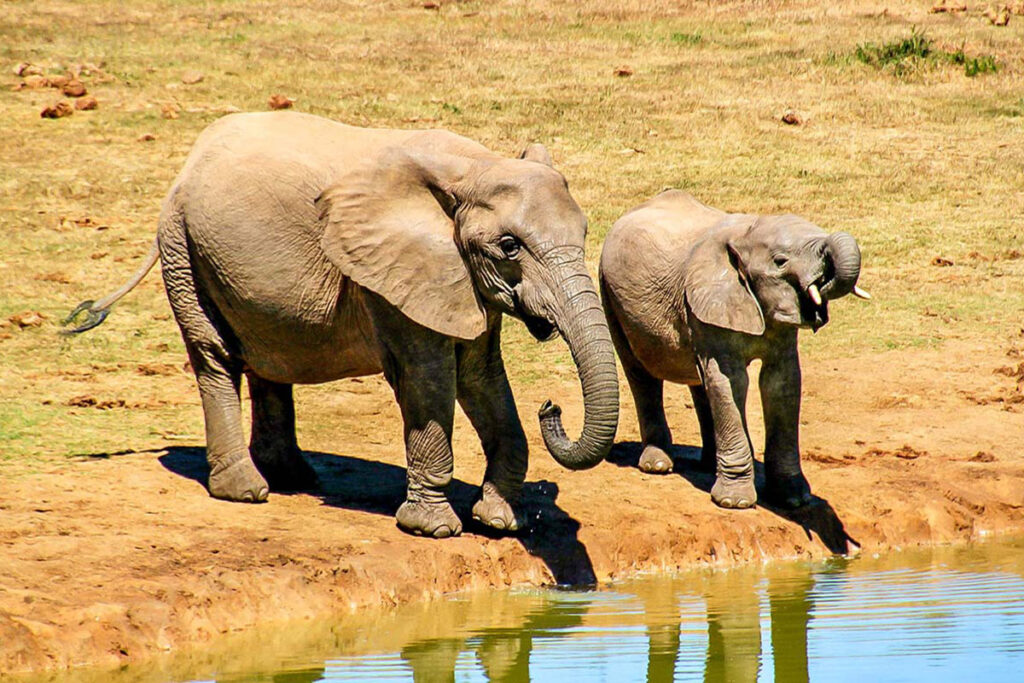
Deux Balés National Park – Burkina Faso’s Largest Elephant Refuge, Sahelian Biodiversity Haven, and a Hidden Gem of West African Wilderness
Deux Balés National Park, located in the heart of western Burkina Faso near the town of Boromo, is one of West Africa’s most ecologically important protected areas and a cornerstone of Burkina Faso’s conservation strategy. Covering approximately 560 km², the park protects some of the last intact woodlands and savannas of the Sudan–Guinean zone, a landscape where ancient Burkea africana trees stretch over the horizon and elephant herds follow migration paths that have existed for centuries. Though less known globally, Deux Balés is a vital stronghold for biodiversity and a living testimony to the resilience of Sahelian ecosystems.
The park plays a crucial role in the survival of West Africa’s elephants, whose populations have declined dramatically across the region. Deux Balés not only safeguards these elephants but also preserves functioning riparian forests, grasslands, granite inselbergs, and floodplains along the Mouhoun (Black Volta) River. For travelers who seek authenticity, untouched nature, and a connection to traditional West African landscapes, Deux Balés offers one of the region’s richest and most meaningful wildlife experiences.
Location, Ecology, and Landscape Overview
Situated between Boromo and Safané, the park is ideally positioned in a transitional ecological zone where Guinean moisture meets Sudanian dryness. This creates a highly diverse habitat matrix that supports wildlife adapted to both humid and arid conditions. The park is naturally divided into two major ecological blocks:
- Deux Balés Nord – Featuring open savannas, scattered granite domes, sandstone outcrops, and scenic grasslands that attract antelope, elephants, and woodland birds.
- Deux Balés Sud – Characterized by dense woodlands, lush riparian forests, seasonal wetlands, and the most important elephant feeding areas.
The landscape’s diversity is enhanced by the presence of the Mouhoun River, one of Burkina Faso’s largest and most ecologically valuable water systems. Its year-round water supply transforms parts of the park into critical dry-season refuges for wildlife.
Vegetation, Habitats, and Botanical Significance
Deux Balés National Park contains a high variety of vegetation types emblematic of Sahelian–Sudanian ecology. The dominant habitat is the Burkea–Isoberlinia savanna woodland, a forest type once widespread across West Africa but now reduced due to farming and logging. Within the park, these habitats remain largely intact and include:
- Burkea africana woodlands that provide shade, acorns, and browsing for elephants.
- Isoberlinia doka forest patches known for supporting antelope species.
- Combretum shrublands offering cover for jackals, warthogs, and ground birds.
- Baobabs, ancient trees critical for fruit, nesting cavities, and shade.
- Sacred shea trees (Vitellaria paradoxa), essential to local culture and economy.
- Riparian forests with figs, mahoganies, and lianas supporting hippos and primates.
Medicinal plants such as Kigelia africana, Securidaca longipedunculata, and Annona senegalensis are widely used by local communities for health remedies, showcasing the park’s ethnobotanical importance.
Climate, Seasons, and Wildlife Behavior
Deux Balés National Park lies within a tropical savanna climate with three highly distinct seasons that shape the behavior of wildlife:
- Dry season (November–April): Temperatures regularly exceed 38°C, vegetation becomes sparse, and animals congregate around permanent water sources along the Mouhoun River. This is the peak season for wildlife viewing.
- Rainy season (June–October): The park transforms into a lush green landscape of tall grasses, blooming flowers, and swollen rivers. Bird breeding peaks, amphibians become active, and elephants disperse deeper into the woodlands.
- Transition months (May & October): Early storms, fresh shoots of grass, and dramatic skies provide excellent photography conditions.
During the Harmattan, the seasonal desert wind blowing from the Sahara, visibility can become hazy but sunsets turn deep gold—ideal for Sahelian landscape photography.
Wildlife of Deux Balés National Park
Deux Balés is most famous for preserving one of the largest remaining elephant populations in West Africa. These elephants have adapted to Sahelian conditions, traveling vast distances in search of water and food. Their presence is essential for maintaining ecological processes such as seed dispersal and vegetation clearing.
Mammals
In addition to elephants, the park supports a diverse community of Sahelian and Sudanian mammals, including:
- Roan antelope – Once widespread across West Africa but now rare and of high conservation value.
- Kobus kob – Often seen grazing in grasslands and near water bodies.
- Oribi – A small antelope frequently sighted in open savannas.
- Patas monkey – A fast-running savanna primate.
- Olive baboon and vervet monkey – Common in riparian zones.
- Warthog, side-striped jackal, and honey badger.
Historically, predators such as African buffalo, lion, leopard, and hyena roamed freely across the region. While populations have declined, there are ongoing efforts to restore their ecological roles.
Birdlife
With over 200 recorded species, Deux Balés is a top birding destination in Burkina Faso. The varied habitats attract both resident and migratory birds such as:
- African fish eagle – Often seen perched along the river.
- Red-throated bee-eater – Nesting in riverbanks.
- Abyssinian roller – A colorful species common in woodlands.
- Yellow-billed stork and African jacana near wetlands.
- Grey hornbill and Senegal coucal.
The rainy season brings a surge of insect activity, drawing in flocks of insectivorous birds and increasing avian diversity dramatically.
Reptiles, Amphibians, and Insects
Deux Balés hosts a range of reptiles and amphibians that thrive in the Sahelian climate:
- Nile crocodiles – Most common in slow-moving sections of the Mouhoun River.
- Nile monitors – Often seen basking on riverbanks.
- Puff adders, spitting cobras, and sand boas.
- Tree frogs and rain frogs active during thunderstorms.
- Butterfly migrations after rainstorms.
Large termite mounds, common throughout the park, are vital to the ecosystem as they host reptiles, serve as lookout points for herbivores, and support nesting birds.
Rivers, Floodplains, and Aquatic Ecosystems
The Mouhoun (Black Volta) River is the beating heart of the park. It provides year-round water for elephants, hippos, crocodiles, and many bird species. The river creates:
- Seasonal floodplains rich in nutrients.
- Riparian forests used by primates and rare birds.
- Permanent pools attracting wildlife during the dry season.
- Nesting sites for herons, kingfishers, and bee-eaters.
These aquatic habitats also support fish species vital to local communities and contribute to regional food security.
Elephant Corridors and Migration Patterns
Deux Balés is a cornerstone of Burkina Faso’s elephant conservation strategy. Historically, elephants migrated between Deux Balés, Arly National Park, and even regions of Mali and Ghana. Although long-distance migrations have decreased due to development pressures, the park still protects crucial internal migration corridors where elephants rotate between feeding zones, water sources, and shade-providing forests.
Conservation initiatives focus on protecting these corridors from agricultural expansion, poaching, and habitat degradation.
Cultural Heritage and Local Communities
The region surrounding Deux Balés is home to diverse ethnic communities, including the Mossi, Bwa, Bwaba, and Fulani. Their traditional lives, rooted in agriculture, fishing, and pastoralism, intersect with the park’s ecosystems in meaningful ways:
- Sacred groves preserved by elders for rituals and biodiversity.
- Shea butter production, an important economic and cultural activity.
- Baobab fruit harvesting used for food and medicine.
- Traditional fishing practices passed down generations.
Successful conservation in Deux Balés depends heavily on community involvement, eco-education, and sustainable livelihood opportunities.
Tourism and Visitor Experience
1. Wildlife Viewing
The best wildlife viewing occurs during the dry season when elephants, antelope, and primates gather around shrinking water sources. The open savannas provide unobstructed views of animals moving across the landscape.
2. Birdwatching
Birdwatchers can enjoy exceptional sightings along the Mouhoun River, wetlands, and woodland edges, especially at dawn and dusk.
3. River Excursions
Trips along the river reveal hippos, waterbirds, and beautiful riparian forests. Sunset along the Mouhoun is one of the park’s most photogenic experiences.
4. Cultural Encounters
Visitors can explore nearby villages, learning about local crafts, traditional music, and agricultural practices that shape life around the park.
5. Photography
Deux Balés offers outstanding photography opportunities, from elephants silhouetted at sunset to baobab-studded vistas, river reflections, migratory birds, and Sahelian gold-haze light.
Threats and Conservation Challenges
Despite its importance, Deux Balés faces several threats:
- Poaching targeting elephants and antelope.
- Human-wildlife conflict due to expanding farmland.
- Illegal fishing and habitat destruction in river zones.
- Gold mining pressure in surrounding areas.
- Charcoal production contributing to woodland loss.
- Wildfires during the long dry season.
Ongoing partnerships with NGOs, local communities, and the Burkinabe government are essential for sustaining long-term conservation successes.
Best Time to Visit Deux Balés National Park
The most rewarding time to visit is during the dry season (December–April), when wildlife congregates around water sources and visibility is excellent.
The rainy season (June–October) offers lush landscapes and vibrant bird activity but may limit accessibility.
Practical Travel Tips
- Use a 4×4 vehicle, especially after rains.
- Bring sun protection, sufficient drinking water, and insect repellent.
- Hire a local guide for the best wildlife tracking and cultural experiences.
- Plan activities early in the morning or late afternoon.
Why Visit Deux Balés National Park?
Deux Balés National Park offers authentic West African wilderness, anchored by its elephant herds, rich birdlife, vibrant river ecosystems, and deeply rooted cultural traditions. For travelers seeking off-the-beaten-path adventure, ecological richness, and powerful conservation stories, Deux Balés remains one of Burkina Faso’s most compelling destinations.
Conclusion
Deux Balés National Park is a vital sanctuary for Sahelian wildlife and a living testament to the resilience of West Africa’s natural heritage. Its elephants, rivers, woodlands, cultural landscapes, and conservation initiatives place it among the region’s most important protected areas. Whether exploring for wildlife, culture, or landscape photography, Deux Balés offers a uniquely rewarding and meaningful travel experience in Burkina Faso.