
Hardap Recreation Resort
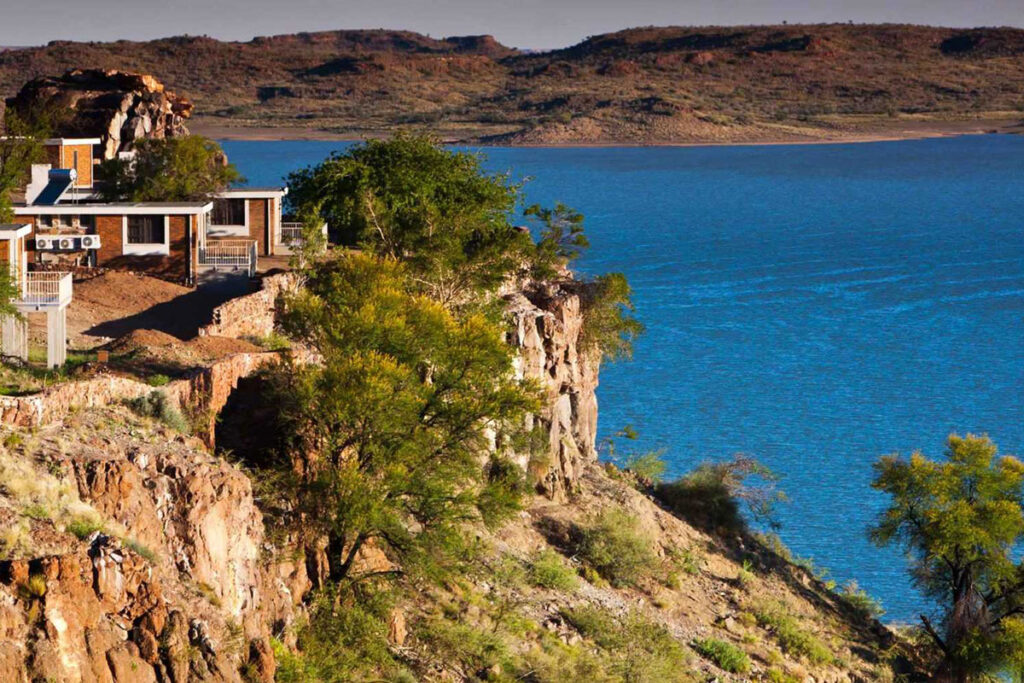
Hardap Recreation Resort – Namibia’s Premier Dam Oasis for Wildlife Viewing, Birdwatching, Family Getaways, and Scenic Relaxation Along the Hardap Dam
Hardap Recreation Resort is one of Namibia’s most accessible and family-friendly protected areas — a tranquil wilderness retreat located along the shores of the expansive Hardap Dam, just north of the town of Mariental. Known for its peaceful lakeside atmosphere, abundant birdlife, dramatic desert landscapes, and relaxed recreation opportunities, Hardap is a beloved destination for travelers seeking a calm yet scenic getaway within Namibia’s southern interior. The resort forms part of the Hardap Game Reserve, which covers around 25,000 hectares of semi-arid savanna and rolling hills overlooking the country’s largest dam.
This unique combination of water, wildlife, and desert scenery makes Hardap Recreation Resort an ideal destination for families, self-drive adventurers, photographers, birdwatchers, and anyone looking for a restorative break surrounded by nature. With its convenient location along Namibia’s main north–south travel route, Hardap is also a popular stopover for travelers en route to destinations such as Sossusvlei, Fish River Canyon, Windhoek, or Keetmanshoop.
Overview of Hardap Recreation Resort
Located on the eastern side of the Hardap Dam, the resort serves as both a recreational hub and a conservation area. Visitors can enjoy game drives, walking trails, birdwatching spots, picnic areas, fishing zones, and spectacular viewpoints overlooking the dam’s shimmering waters. The surrounding reserve protects a variety of wildlife, including antelope, black rhinos, jackals, and numerous small mammals adapted to the Kalahari Basin’s dry climate.
The area is managed by Namibia Wildlife Resorts (NWR) and has undergone improvements in recent years to enhance visitor facilities, accommodation quality, and environmental management. Hardap Recreation Resort plays an important role in promoting regional tourism, supporting conservation, and providing affordable outdoor experiences to both local and international visitors.
Location and Size
Hardap Recreation Resort is situated approximately 260 km south of Windhoek and 15 km northwest of Mariental, making it easily accessible via Namibia’s B1 highway. Its central position between major destinations makes it an ideal base for exploring the Hardap Region.
The Hardap Game Reserve covers roughly 25,000 hectares around the Hardap Dam. The dam itself — the largest in Namibia — stretches across the Fish River, creating a vast reservoir that supports wildlife, fish populations, and regional water supply.
Geography and Geology
Hardap Recreation Resort lies within the Kalahari Basin, characterized by gently rolling plains, red desert sands, rocky outcrops, and hardy shrubland vegetation. The Hardap Dam forms a wide, shimmering lake that winds between hills and cliffs, creating a unique freshwater ecosystem in a predominantly arid setting.
The region’s geology consists of ancient sedimentary rocks, calcrete formations, and wind-shaped sand deposits typical of southern Namibia’s semi-desert environments. The contrast between the blue waters of the reservoir and the red, ochre, and brown hues of the surrounding landforms creates stunning photo opportunities, especially at sunrise and sunset.
Climate
The Hardap area experiences a semi-arid climate with hot summers, mild winters, and low annual rainfall. Temperatures can exceed 35°C in the summer months (December to March), making early morning and late afternoon activities ideal for comfort and wildlife viewing.
Winters (June to August) are pleasantly cool, with crisp nights and warm, sunny days perfect for outdoor exploration. Occasional rain showers between November and April help replenish the dam and support seasonal plant growth, attracting birds and grazers to the lakeshore.
Hydrology and the Hardap Dam
Hardap Dam is the largest reservoir in Namibia, fed primarily by the Fish River and seasonal streams. Completed in the 1960s, the dam plays a crucial role in agriculture, regional water supply, and flood regulation. Its vast water body attracts fish, aquatic birds, and wildlife seeking water during the dry months.
The dam’s shoreline provides habitats for waterbirds, including herons, cormorants, and fish eagles, while the deeper waters support species such as tilapia and catfish. During wet years, the dam expands into a wide inland lake, creating temporary wetlands that boost biodiversity.
Ecosystems and Habitats
Hardap Recreation Resort protects a mosaic of ecosystems shaped by desert conditions, freshwater influences, and surrounding savanna plains. Key habitats include:
- Acacia and camelthorn savanna: Home to antelope, jackals, and ground-nesting birds.
- Lakeshore wetlands: Seasonal feeding grounds for herons, waders, ducks, and flamingos.
- Rocky outcrops: Habitat for dassies, reptiles, and nesting raptors.
- Bushveld thickets: Shelter for kudu, springbok, and smaller mammals.
- Aquatic ecosystems: Fish populations and aquatic insects supporting birdlife.
Vegetation
Vegetation in the Hardap area is dominated by drought-resistant plants adapted to sandy soils and limited moisture. Common species include camelthorn (Vachellia erioloba), shepherd’s trees, wild olive, buffalo thorn, and hardy grasses such as Stipagrostis.
Along the dam’s edge, reeds, sedges, and aquatic plants contribute to wetland productivity, offering food and nesting material for birds. Seasonal rains bring brief but vibrant bursts of wildflowers and green grasses, transforming the semi-desert into a colorful landscape.
Wildlife of Hardap Recreation Resort
Mammals
Although not a traditional “big game” park, Hardap Game Reserve supports a respectable range of mammals perfectly adapted to arid environments. Visitors may encounter:
- Kudu
- Oryx (gemsbok)
- Springbok
- Steenbok
- Hartmann’s mountain zebra
- Black-backed jackal
- Porcupine
- Warthog
- Baboon and vervet monkey
The reserve is also a sanctuary for the endangered black rhinoceros, although sightings are rare due to their secretive nature and vast roaming territories.
Birds
Hardap is a major birdwatching destination, especially for waterbirds and raptors. Over 200 bird species have been recorded in the area, making it a hotspot for both amateur and professional ornithologists.
- Fish eagle
- Goliath heron
- Great white pelican
- African jacana
- Yellow-billed stork
- Cormorants and darters
- Sacred ibis
- Flamingos (seasonal)
- Rock kestrel and pale chanting goshawk
The combination of open water, mudflats, and savanna vegetation supports an exceptional diversity of resident and migratory birds.
Reptiles, Amphibians, and Insects
Reptiles are common in the reserve, with species including geckos, skinks, agama lizards, tortoises, and several snake species such as puff adders and sand boas. Amphibians appear seasonally after rains, with frogs and toads breeding in shallow pools.
Insects, especially butterflies, dragonflies, beetles, and ants, play important ecological roles, supporting birdlife and soil health within the semi-arid landscape.
Unique Features of Hardap Recreation Resort
Hardap Recreation Resort stands out for its remarkable combination of a desert setting and a large freshwater lake — a rare feature in Namibia. The dam’s scenic viewpoints offer panoramic landscapes of water contrasting with ochre desert hills, while the quiet, uncrowded trails provide peaceful nature experiences.
- Hardap Dam Lookout: Stunning views ideal for sunrise and sunset photography.
- Lakeside Bird Hides: Excellent spots for observing waterbirds and raptors.
- Game Viewing Routes: Self-drive loops suitable for families and beginners.
- Quiet, uncrowded atmosphere: Perfect for relaxation and slow-paced wildlife encounters.
Cultural and Indigenous Communities
The region surrounding Hardap has been inhabited by Nama, Damara, and other semi-nomadic communities for centuries. These groups have traditionally relied on pastoralism, storytelling traditions, indigenous knowledge systems, and small-scale agriculture. Mariental, the nearest town, is a cultural blend of Namaheritage and modern Namibian life.
Local crafts, music, and cultural practices provide opportunities for visitors to learn about life in Namibia’s south-central region while supporting community-based tourism initiatives.
Conservation Importance
Hardap Recreation Resort contributes to wildlife conservation by protecting semi-arid habitats, safeguarding black rhino populations, and preserving one of Namibia’s most important freshwater ecosystems. Its wetlands support breeding sites for waterbirds, while its savanna habitats serve as crucial refuges for antelope species.
The dam also plays a central role in regional water management, supporting both agricultural development and ecological stability in the Hardap Region.
Threats and Challenges
Key conservation challenges include drought, fluctuating water levels in the dam, human–wildlife conflict, and pressures from agriculture and livestock farming around the reserve. Prolonged dry seasons can reduce waterbird populations and stress grazing wildlife.
Environmental monitoring, community engagement, and sustainable water management are essential in maintaining the ecological balance of the reserve.
Research and Monitoring
Ongoing wildlife monitoring programs focus on bird counts, black rhino conservation, water quality analysis, and vegetation trends in the semi-arid savanna. The dam serves as a natural laboratory for studying drought resilience, freshwater ecosystems, and desert biodiversity.
Partner organizations and researchers contribute to long-term conservation planning and ecological restoration projects.
Tourism Activities
Hardap Recreation Resort offers a wide range of activities suitable for families, solo travelers, and nature enthusiasts. The relaxed environment and scenic spaces encourage both adventure and peaceful reflection.
- Game drives: Explore wildlife-rich zones around the dam.
- Birdwatching: Excellent opportunities for both waterbirds and raptors.
- Fishing: Popular for species such as carp, tilapia, and catfish.
- Hiking and walking trails: Enjoy quiet footpaths with great lookout points.
- Photography: Landscapes, wildlife, sunsets, and starry skies.
- Family picnics: Relax in shaded picnic areas overlooking the reservoir.
Access and Getting There
Hardap Recreation Resort is easily reached via the B1 highway. Visitors can drive from:
- Windhoek – approximately 2.5 to 3 hours
- Keetmanshoop – approximately 2 hours
- Mariental – just 15 km away
Roads leading into the resort are well maintained, and most areas are accessible with a standard 2×4 vehicle.
Permits, Fees, and Park Rules
Park entry fees support conservation, staff operations, and infrastructure maintenance. Visitors must follow rules designed to protect wildlife and preserve the dam’s ecosystems.
- Do not disturb wildlife or birds.
- Fishing permitted only in designated areas.
- No off-road driving.
- Fires allowed only in marked braai areas.
- Littering and removal of natural materials are prohibited.
Accommodation
Hardap Recreation Resort offers comfortable and family-friendly accommodation managed by Namibia Wildlife Resorts. Options include:
- Self-catering chalets: Equipped with kitchens and lake views.
- Family units: Ideal for larger groups.
- Campsites: Grassy, shaded sites with braai facilities.
- Basic bungalows: Affordable options for budget travelers.
The resort also features a swimming pool, restaurant, shop, and conference facilities — ideal for weekends, workshops, or stopovers.
Best Time to Visit
The best time to visit Hardap Recreation Resort is during the cooler months from April to September, when mild temperatures and clear skies create ideal conditions for wildlife viewing, hiking, and photography.
Birdwatching peaks after the rainy season (February to May), when waterbirds congregate around the reservoir. Summer months offer vibrant landscapes but can be hot and dry.
Why Hardap Recreation Resort Is Unique
Hardap Recreation Resort is unique because it combines the serenity of Namibia’s largest dam with the rugged charm of the Kalahari Basin’s wildlife and desert landscapes. It is a place where families can relax, birdwatchers can thrive, photographers can capture dramatic panoramas, and nature lovers can unwind in peaceful surroundings.
Whether visited as a destination in itself or as a scenic stopover on a longer Namibian journey, Hardap Recreation Resort offers a refreshing oasis of water, wildlife, and tranquillity in the heart of southern Namibia — an unforgettable blend of desert quietude and lakeside beauty.