
Hell’s Gate National Park
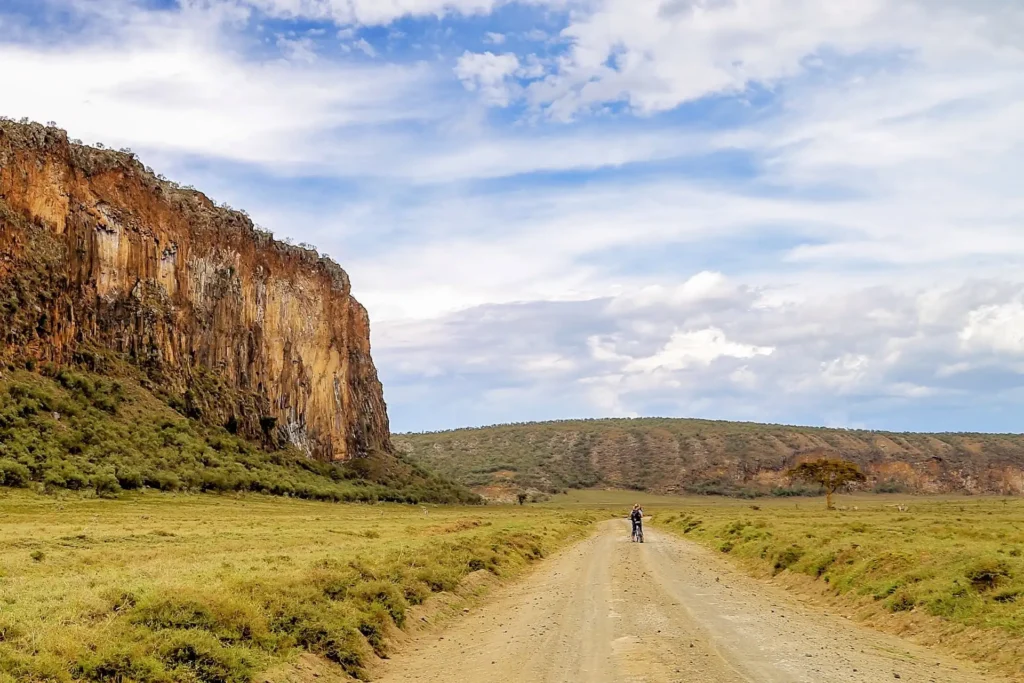
Hell’s Gate National Park – Kenya’s Majestic Gorge Landscapes, Towering Cliffs, Wildlife, Hot Springs, and the Heart of Adventure in the Great Rift Valley
Hell’s Gate National Park is one of Kenya’s most extraordinary natural wonders — a spectacular volcanic landscape carved by millions of years of geothermal activity, tectonic forces, and erosion. Located along the floor of the Great Rift Valley near Lake Naivasha, the park is famous for its towering basalt cliffs, rugged savanna plains, slot canyons, steaming hot springs, and iconic rock formations such as Fischer’s Tower and Central Tower. Unlike most African parks, Hell’s Gate offers a rare freedom for visitors to walk, cycle, and climb among wildlife, making it one of East Africa’s best adventure destinations. The park’s dramatic scenery inspired the setting of Disney’s *The Lion King*, and its gorges have served as filming locations for major documentaries and films about Africa’s geology.
Named in 1883 after explorers Thompson and Fisher encountered a narrow, steaming passage cut into the volcanic rock, Hell’s Gate remains a living testament to the powerful forces shaping the Rift Valley. Today it stands as a unique blend of geothermal landscapes, wildlife conservation, Maasai culture, and renewable energy. Its combination of breathtaking scenery, outdoor activities, wildlife encounters, and geological features makes it one of Kenya’s most distinctive and unforgettable national parks.
Overview of Hell’s Gate National Park
Established in 1984, Hell’s Gate National Park was created to protect the region’s remarkable volcanic features, wildlife habitats, and geothermal ecosystems while allowing visitors to experience nature in an active, immersive way. Despite its relatively small size of 68 square kilometers, the park holds exceptional biodiversity and geological significance. It forms part of the broader Naivasha ecosystem, linking to private conservancies, the Olkaria Geothermal Complex, and landscapes used by Maasai pastoral communities for centuries.
The park’s management focuses on balancing conservation with adventure tourism, ensuring the protection of sensitive habitats such as raptor nesting cliffs, geothermal zones, and gorge ecosystems. Its proximity to Nairobi and Naivasha has made it a popular destination for day trips, school excursions, hikers, cyclists, and climbing enthusiasts seeking a safe environment where human activity harmoniously coexists with wildlife.
Location and Size
Hell’s Gate National Park lies in Nakuru County, just south of Lake Naivasha and approximately 90 kilometers from Nairobi. Its central location in the Rift Valley places it among some of Kenya’s most significant geological formations and wildlife areas. The park’s 68 km² encompass towering cliffs, open grasslands, volcanic plugs, geothermal springs, obsidian fields, and deep gorges shaped over centuries by rainfall and geothermal pressure.
Its compact size allows visitors to explore the park thoroughly in a single day, but the richness of its landscapes and outdoor activities often inspires multi-day stays. The park is easily accessible from Elsa Gate or Ol Njorowa Gate, both connected by well-maintained roads leading into the heart of the Rift Valley.
Geography and Geology
Geology is the defining element of Hell’s Gate National Park. Positioned along the eastern arm of the Great Rift Valley — a massive tectonic trench stretching from Lebanon to Mozambique — the park is an open-air geological museum. The dramatic cliffs, volcanic plugs, lava formations, and geothermal features reveal the ancient story of Africa’s shifting crust.
Major geological features include:
- Fischer’s Tower: A striking volcanic plug formed when thick magma cooled and solidified inside a vent, later exposed as surrounding softer rock eroded away.
- Central Tower: Another massive volcanic plug surrounded by sheer walls and deep gorges.
- Obsidian caves and lava flows: Black volcanic glass and sharp, glittering rocks formed from rapid cooling of silica-rich lava.
- Deep gorges: Narrow, winding passages carved by seasonal flash floods, some displaying twisting walls, smooth water-carved surfaces, and geothermal streams.
- Fault lines and escarpments: Sheer cliffs created by the Rift Valley’s tectonic stretching and uplift.
These geological formations make Hell’s Gate one of the best places in East Africa for understanding volcanic activity, erosion processes, and the immense power of the Rift Valley’s shifting crust.
Climate
Hell’s Gate’s climate is semi-arid and strongly influenced by altitude and the Rift Valley’s unique topography. While days can become hot, especially in the gorge areas where heat accumulates, mornings and evenings are cool and refreshing. The moderate climate makes the park a year-round outdoor destination.
Seasonal patterns include:
- Dry Season (June–October): Ideal for trekking, cycling, wildlife viewing, and gorge exploration.
- Short Rains (October–December): Light rainfall enhances scenery but may cause temporary gorge closures.
- Long Rains (March–May): Heavy downpours can trigger flash floods in the gorges, requiring careful monitoring.
- Average temperatures: 20–30°C, with cooler nights due to elevation.
Because gorges can fill rapidly during rains, Kenya Wildlife Service frequently issues safety advisories in the wet season. Visitors are encouraged to explore the canyons only with trained guides during rainy periods.
Hydrology and Geothermal Features
Hydrology in Hell’s Gate is closely tied to its geothermal systems. Underground magma heats groundwater, pushing it upward through fractures in the rock to form hot springs, steam vents, and sulfur-emitting fumaroles that line the canyon floors and walls. These features create unique micro-ecosystems and contribute to the park’s otherworldly atmosphere.
Key hydrological and geothermal features include:
- Olkaria Geothermal Field: One of Africa’s largest geothermal energy sources, supplying clean electricity to Kenya’s national grid.
- Hot springs and geyser-like vents: Natural pools where scalding water rises to the surface, often surrounded by colorful mineral deposits.
- Geothermal rivers: Warm streams flowing through the gorge, supporting algae and specialized plants.
- Seasonal rivers: Flash-flood channels that carve and reshape the gorge system each year.
These geothermal forces continue to evolve the landscape, with steam vents and hot springs shifting over time in response to tectonic activity.
Ecosystems and Habitats
Despite being a volcanic and semi-arid landscape, Hell’s Gate National Park hosts a variety of ecosystems, from open savanna plains to cliffside niches and geothermal vegetation zones. These habitats collectively support a remarkable diversity of species.
- Grassland plains: Home to grazers such as zebra, gazelle, and eland.
- Acacia woodland: Providing shade and browse for herbivores and nesting spots for birds.
- Geothermal microhabitats: Supporting specialized mosses, grasses, and heat-resistant plants.
- Cliff ecosystems: Critical nesting areas for eagles, vultures, and swifts.
- Gorge ecosystems: Moist, shaded habitats for ferns, wildflowers, and small mammals.
Vegetation
Vegetation in Hell’s Gate reflects a blend of semi-arid savanna species and geothermal specialists. Plants have adapted to dry soils, strong sun, and seasonal flooding. The result is a resilient, hardy plant community that thrives in extreme conditions.
- Acacia xanthophloea (yellow fever tree)
- Red oat grass
- Lekona shrubs
- Aloe species and succulents
- Wildflowers blooming after seasonal rains
Plants near hot springs often display heat-tolerance traits, with thicker leaves and vibrant mineral-stained roots fed by geothermal water.
Wildlife of Hell’s Gate National Park
Mammals
While Hell’s Gate is not a traditional big-game park, it supports an important selection of mammals that thrive in open grasslands and rocky terrain. Its predator-free environment allows visitors to enjoy activities such as walking, cycling, and rock climbing safely.
- Zebra
- Giraffe (Rothschild’s)
- Eland
- Buffalo
- Warthog
- Thomson’s and Grant’s gazelle
- Impala and hartebeest
- Baboons and vervet monkeys
- Hyrax living in rocky crevices
Elusive predators like leopard and hyena are rarely seen, contributing to the park’s reputation as one of the safest places for on-foot wildlife exploration.
Birds
Hell’s Gate is one of Kenya’s premier raptor habitats. The cliffs provide nesting grounds for large birds of prey, making the park a must-visit destination for birdwatchers.
- Lammergeier (bearded vulture)
- Verreaux’s eagle
- Augur buzzard
- Peregrine falcon
- Egyptian vulture
- Secretary bird
- Ostrich
- Sunbirds, larks, hornbills, and starlings
Early mornings and late afternoons are the best times to observe raptors gliding along the cliffs.
Reptiles, Amphibians, and Insects
Warm rocks and dry grasslands make Hell’s Gate ideal for reptiles. Visitors often spot:
- Rock agamas
- Geckos
- Skinks
- Puff adders and harmless snakes
- Tortoises wandering near savanna paths
Seasonal pools attract amphibians after rains, while gorge ecosystems support butterflies, beetles, dragonflies, and pollinators that thrive near geothermal streams.
Unique Features of Hell’s Gate National Park
Hell’s Gate is unlike any other park in Africa. Its dramatic volcanic features, geothermal landscapes, and adventure-friendly atmosphere make it a standout destination. Its most unique characteristics include:
- Hell’s Gate Gorge: A stunning canyon with smooth water-carved walls, waterfalls, and hot streams.
- Fischer’s Tower: A legendary climbing spot with Maasai folklore saying it represents a girl turned to stone.
- Central Tower: A towering volcanic plug surrounded by deep fissures.
- Obsidian caves: Shimmering black volcanic glass dating back thousands of years.
- Geothermal features: Evaporative vents, fumaroles, and steam clouds rising from underground magma.
- The Lion King inspiration: Many landscapes resemble scenes from Disney’s iconic film.
Cultural and Indigenous Communities
The Maasai have lived around Hell’s Gate for centuries, maintaining deep cultural ties to the land. Traditional grazing routes, ceremonial sites, and ancient obsidian quarries reveal their long presence in the park’s landscape. Their pastoral lifestyle emphasizes harmony with nature — a philosophy reflected in sustainable livestock grazing and traditional ecological knowledge.
Visitors can explore Maasai villages (manyattas) around the park, participate in cultural demonstrations, learn about traditional medicine, and purchase beadwork that directly supports community livelihoods.
Conservation Importance
Hell’s Gate National Park plays a critical role in protecting iconic Rift Valley landscapes and safeguarding wildlife habitats. Its cliffs are essential for raptor nesting, while its grasslands support zebra, antelope, and giraffe populations. The park also acts as a vital wildlife corridor linking the Naivasha ecosystem with surrounding conservancies and Maasai land.
Conservation efforts focus on:
- Raptor conservation and nest monitoring
- Sustainable geothermal development practices
- Community-based conservation partnerships
- Flood and erosion control within the gorges
Threats and Challenges
Hell’s Gate faces several environmental pressures including:
- Geothermal development that must be carefully managed
- Flash floods causing erosion and gorge instability
- Human–wildlife conflict near settlement zones
- Plastic waste and unsustainable visitor behavior
- Overgrazing around park boundaries
Kenya Wildlife Service works closely with stakeholders to balance renewable energy, tourism, and wildlife conservation.
Research and Monitoring
Research in the park supports conservation and geothermal management. Key research themes include:
- Geothermal impacts on vegetation and wildlife
- Raptor breeding success and cliff ecology
- Hydrological and erosion dynamics in gorge systems
- Long-term wildlife population monitoring
- Sustainable tourism studies
Tourism Activities
Hell’s Gate is Kenya’s undisputed adventure hub. It is the only national park where visitors can walk freely among wildlife without vehicles. Popular activities include:
- Gorge hiking: Explore narrow canyon passages with waterfalls, hot streams, and sculpted rock walls.
- Cycling safaris: Ride alongside zebra, giraffe, and antelope on scenic gravel roads.
- Rock climbing: Fisher’s Tower and Central Tower are world-class climbing spots.
- Walking safaris: Safe and immersive wildlife experiences.
- Birdwatching: Great for spotting vultures, eagles, and cliff-dwelling species.
- Photography: Dramatic landscapes, geothermal vents, and wildlife encounters.
- Cultural experiences: Visit Maasai villages for music, dance, and storytelling.
Access and Getting There
Hell’s Gate is easily accessed from Nairobi via the Naivasha highway. Visitors enter through:
- Elsa Gate: Main entrance near Olkaria
- Ol Njorowa Gate: Near the gorge entrances
Internal roads are suitable for 2×4 vehicles and bicycles. Some gorge sections require guides for safety.
Permits, Fees, and Park Rules
Entry fees are paid to Kenya Wildlife Service. Additional fees apply for rock climbing and certain guided activities.
- Do not swim in geothermal streams
- Follow safety warnings during rains
- Do not disturb raptor nests
- Stay on designated trails in gorge zones
- Respect wildlife and maintain distance
Accommodation
Visitors can stay at:
- Lodges around Lake Naivasha
- Eco-camps and tented camps
- Self-catering properties
- Budget hostels
- Campsites inside the park
These accommodations offer panoramic views of Rift Valley cliffs and easy access to park activities.
Best Time to Visit
The best time to visit Hell’s Gate is during the dry seasons:
- January–March
- June–October
These months offer comfortable hiking, cycling, and climbing conditions. Rainy seasons may restrict gorge access due to flooding.
Why Hell’s Gate National Park Is Unique
Hell’s Gate National Park stands alone as one of Africa’s most adventurous, geologically fascinating, and visitor-friendly parks. Its blend of volcanic scenery, geothermal features, towering cliffs, wildlife, and cultural heritage creates an experience unmatched anywhere else on the continent. The freedom to walk, cycle, and climb among wildlife makes every visit feel intimate and exhilarating.
For travelers seeking a powerful combination of natural beauty, outdoor adventure, wildlife encounters, and rich Maasai culture, Hell’s Gate National Park is a true Rift Valley treasure — unforgettable, iconic, and endlessly inspiring.