
Khutse Game Reserve
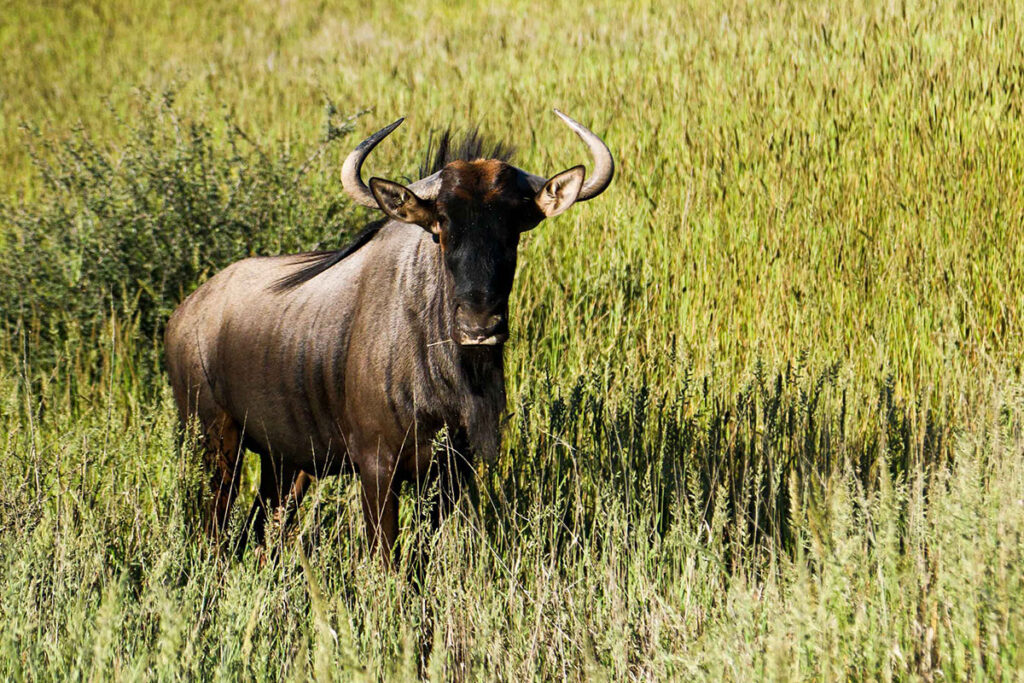
Khutse Game Reserve – Botswana’s Wild Kalahari Frontier of Ancient Salt Pans, Desert Wildlife, Endless Horizons, and Authentic Off-Grid Safari Exploration
Khutse Game Reserve is one of Botswana’s most captivating wilderness destinations — a vast, untouched extension of the Central Kalahari ecosystem where ancient salt pans, sweeping grasslands, camelthorn woodlands, and fossil riverbeds stretch across the horizon. Located roughly 240 km northwest of Gaborone, Khutse covers over 2,500 km² of pristine semi-arid terrain and forms the dramatic southern gateway to the immense Central Kalahari Game Reserve (CKGR). Together, the two reserves create one of Africa’s largest continuous conservation landscapes, home to desert lions, cheetahs, oryx, springbok, brown hyenas, and a wide variety of birds, reptiles, and insects specially adapted to the extreme Kalahari climate.
What makes Khutse Game Reserve truly extraordinary is its sense of isolation and raw natural beauty. There are no lodges inside the reserve, no commercial developments, and no fences separating Khutse from CKGR — just open wilderness as far as the eye can see. This gives travelers an authentic, frontier-style safari experience where the silence of the desert, star-filled nights, golden dunes, and wildlife encounters evoke the feeling of exploring Africa as it was centuries ago. For adventure seekers, self-drive travelers, photographers, birdwatchers, and desert enthusiasts, Khutse offers one of Botswana’s purest wilderness escapes.
Overview of Khutse Game Reserve
Khutse Game Reserve was proclaimed in 1971 to protect the unique dryland ecosystems of the southern Kalahari Basin and safeguard the desert-adapted wildlife that thrives here. The reserve’s name, “Khutse,” is derived from a traditional word meaning “kneel down to drink,” referring to the shallow natural water pans where humans and wildlife historically gathered to quench their thirst. These seasonal water sources remain central to the reserve’s ecological functioning today.
The reserve is managed by the Botswana Department of Wildlife and National Parks (DWNP), which maintains minimal infrastructure to preserve the area’s natural wilderness. Khutse is an essential part of Botswana’s national conservation strategy and plays a key role in supporting scientific research, cultural preservation, and the natural migration of wildlife between the southern and northern Kalahari. Its remote nature ensures low tourist numbers, which helps reduce environmental pressure and keeps the reserve one of the least disturbed ecosystems in southern Africa.
Location and Size
Khutse Game Reserve lies in the heart of southern Botswana, positioned within the Kweneng District and bordered by wide-open cattle ranches and remote Kalahari settlements. Despite being relatively accessible from Gaborone compared to CKGR, Khutse remains wild and isolated once inside the reserve. The gravel roads, sandy tracks, and long distances between campsites reinforce its status as one of Botswana’s most authentic wilderness areas.
Covering approximately 2,500 km², the reserve connects seamlessly to the Central Kalahari Game Reserve, creating a combined protected area of over 52,000 km² — larger than the entire country of Costa Rica. This vast, uninterrupted expanse of land allows desert-adapted predators, antelope herds, and migratory species to move naturally across an immense region free from human barriers.
Geography and Geology
Khutse is characterized by ancient geological formations shaped by wind, sand, and shifting climates over thousands of years. The reserve sits atop the deep Kalahari sand basin, which was once part of a giant inland lake system that covered much of southern Africa. As the climate dried, the lakes evaporated, leaving behind salt pans and mineral-rich depressions that still define the landscape.
- Ancient salt pans: Flat, white expanses that shimmer under the desert sun and fill with water during seasonal rains, attracting wildlife and migratory birds.
- Fossil river valleys: Evidence of long-dried river systems that once flowed across the Kalahari, now acting as wildlife corridors with denser vegetation.
- Sandy plains: Dominated by golden grasses, dwarf shrubs, and iconic camelthorn trees.
- Dune fields: Low, rolling dunes sculpted by winds over millennia.
These varied landforms make Khutse visually stunning, especially during sunrise and sunset when light dances across the pans and woodlands, creating dramatic contrasts and spectacular photographic opportunities.
Climate
The climate in Khutse Game Reserve is harsh yet fascinating, typical of the semi-arid Kalahari. High temperatures, seasonal rains, and long dry spells shape the ecology and determine wildlife movements throughout the year. Despite being called a desert, the Kalahari receives enough rain to support grasslands and scattered trees, making Khutse a productive ecosystem during the green season.
- Summer (November–March): Daytime temperatures often exceed 35°C. Short but intense thunderstorms bring new grass growth and fill the pans, triggering wildlife migrations.
- Winter (May–August): Cooler days and cold nights, sometimes dropping below freezing. The dry air creates exceptional visibility and brilliant night skies.
- Annual rainfall: Around 250–400 mm, mostly concentrated in late summer.
These seasonal variations create dramatic shifts in landscape color, wildlife patterns, and plant growth, making Khutse a dynamic year-round destination for nature lovers.
Hydrology and Water Systems
Although Khutse is a dryland ecosystem, its hydrology plays a crucial role in wildlife survival. Seasonal rainfall fills the reserve’s network of pans, creating temporary wetlands that attract herbivores, predators, and birds. During the dry season, artificial waterholes maintained by the DWNP serve as vital refuges for wildlife.
- Khutse Pan: One of the largest and most reliable water areas in the reserve.
- Molose Pan: A prime wildlife-viewing hotspot, especially during the dry season.
- Artificial boreholes: Support wildlife when natural pans dry up.
The availability of water strongly influences predator movements, herbivore concentrations, and the overall productivity of Khutse’s harsh desert environment.
Ecosystems and Habitats
Khutse encompasses the full range of classic Kalahari ecosystems. Despite its extreme environment, the reserve supports a surprising diversity of species thanks to its mosaic of habitats, each adapted to seasonal rainfall, soil type, and vegetation density.
- Grassland savannas: Ideal for grazing antelope and hunting predators.
- Acacia woodlands: Provide shade, food, and nesting sites for birds and mammals.
- Salt pans: Seasonal wetlands that become wildlife magnets after rain.
- Shrub thickets: Home to small mammals, reptiles, and birds.
- Dune savanna: Rich in grasses, insects, and small predators.
This ecological variety helps maintain genetic diversity and supports species adapted to the low-nutrient, semi-arid environment of the central Kalahari.
Vegetation
Vegetation in Khutse Game Reserve is a tapestry of drought-resistant plants that thrive in the Kalahari’s sandy soils. These plant communities play essential ecological roles, stabilizing dunes, providing forage, and supporting a complex web of herbivores, pollinators, and birds.
- Camelthorn trees (Acacia erioloba): Keystone species that offer shade, pods for herbivores, and nesting sites for raptors.
- Shepherd’s tree and blackthorn bushes: Common browse for giraffes and antelope.
- Deep-rooted grasses: Including Kalahari sour grass and white Buffalo grass.
- Wildflowers: Bloom in brilliant colors after seasonal rains, attracting butterflies and bees.
These plant communities help sustain the reserve’s wildlife through drought cycles and contribute to the beautiful seasonal transformations of the landscape.
Wildlife of Khutse Game Reserve
Mammals
Khutse is famous for its desert-adapted wildlife. While animal densities may be lower than in river-based reserves, sightings here feel wilder and more rewarding due to the untouched nature of the environment. Many species have evolved remarkable adaptations to survive extreme heat, scarce water, and seasonal changes.
- Springbok and gemsbok (oryx): Icons of the Kalahari, perfectly adapted to desert conditions.
- Wildebeest, red hartebeest, and eland: Seasonal grazers following fresh grass growth.
- Kalahari lions: Known for their impressive size and dark manes.
- Cheetahs: Thriving in the open habitat ideal for high-speed hunting.
- Brown hyenas: Elusive scavengers and one of the Kalahari’s rarest carnivores.
- Bat-eared foxes, jackals, aardwolves, and caracals: Representing the smaller predator guild.
Other mammals include steenbok, kudu, porcupines, honey badgers, African wildcats, and, on rare occasions, elephants moving across the Kalahari corridor.
Birds
Khutse is a superb destination for birdwatchers, particularly during the green season when migratory species arrive and desert birds begin nesting. The reserve’s combination of grassland, woodland, and pan habitats creates ideal conditions for both terrestrial and aerial species.
- Ostriches: Often seen in large groups.
- Kori bustards: The world’s heaviest flying birds and a Kalahari icon.
- Secretary birds: Elegant ground raptors hunting snakes and insects.
- Sandgrouse: Attract predators to waterholes during dawn and dusk.
- Eagles and vultures: Including tawny eagles, bateleurs, and white-backed vultures.
- Smaller species: Larks, pipits, shrikes, and hornbills.
After rains, pans attract flamingos, stilts, pelicans, and other waterbirds in surprising numbers.
Reptiles, Amphibians, and Insects
Khutse supports a large variety of reptiles and invertebrates — key indicators of ecosystem health. Warm temperatures and sandy soils create ideal habitats for cold-blooded animals.
- Kalahari tent tortoises: Miniature tortoises adapted to arid zones.
- Various lizards and geckos: Important for insect control.
- Snakes: Including puff adders, cobras, and pythons.
- Amphibians: Most active during the rains.
- Insects: Butterflies, beetles, termites, and ants drive essential ecological processes.
Unique Features of Khutse Game Reserve
Khutse is one of Botswana’s most unique safari destinations thanks to its raw wilderness and low tourism pressure. Key features include:
- Unfenced wilderness: Wildlife moves freely across thousands of kilometers.
- Authentic desert campsites: Offering total solitude and unforgettable starry nights.
- Seasonal pans: Dramatic wildlife hotspots during and after rains.
- Connection to CKGR: Making Khutse part of one of Africa’s largest protected ecosystems.
- Minimal development: Ensuring a pure, undisturbed safari experience.
Khutse’s authenticity makes it a dream destination for self-drive safari enthusiasts seeking true wilderness.
Cultural and Indigenous Communities
The Khutse region is traditionally inhabited by the Basarwa (San) people — considered one of the oldest cultural groups in southern Africa. Their intimate knowledge of the Kalahari landscape includes tracking wildlife, identifying medicinal plants, and surviving with minimal water. Their cultural heritage is deeply intertwined with the desert environment.
Eco-cultural tourism programs provide visitors with opportunities to learn traditional skills, support local livelihoods, and contribute to cultural preservation.
Conservation Importance
Khutse Game Reserve is vital to Botswana’s conservation strategy because it:
- Protects dryland ecosystems essential for biodiversity.
- Supports desert-adapted herbivores and predators.
- Maintains ecological corridors across the Kalahari.
- Preserves vegetation types vulnerable to overgrazing.
- Provides research opportunities in climate resilience and arid ecology.
Its role as a gateway to CKGR enhances genetic diversity and ecosystem stability across a massive landscape.
Threats and Challenges
Although remote, Khutse faces conservation challenges:
- Poaching: Especially targeting antelope and smaller mammals.
- Encroachment: Expansion of cattle ranches near reserve boundaries.
- Climate change: Rising temperatures and unpredictable rainfall affect water availability.
- Overgrazing: Livestock pressure on fragile vegetation.
Active conservation management and community engagement are crucial to sustaining the reserve’s ecological integrity.
Research and Monitoring
Khutse serves as a living laboratory for desert ecology research. Studies focus on:
- Predator and prey interactions in arid environments.
- Vegetation recovery after droughts.
- Desert adaptation among mammals and reptiles.
- Bird migration and breeding patterns in the Kalahari.
- Traditional ecological knowledge from Basarwa communities.
Tourism Activities
Khutse is a paradise for adventurous and self-sufficient travelers who enjoy exploring remote wilderness. Key activities include:
- Game drives: To Molose, Khutse, Mahurushele, and other wildlife-rich pans.
- Camping: At isolated campsites under a brilliant Milky Way.
- Birdwatching: Especially rewarding after rains.
- Photography: Capture vast landscapes, predators, and desert skies.
- Guided walks: Learn desert tracking and wildlife interpretation.
Access and Getting There
Khutse Game Reserve requires careful self-sufficient travel planning. Access is primarily via:
- Gaborone → Letlhakeng → Khutse: Approximately 240 km (4–5 hours).
- 4×4 vehicles only: Required for deep sand, dunes, and remote tracks.
Travelers must bring all supplies, including water, fuel, food, recovery gear, and spare tires, due to the reserve’s remoteness.
Permits, Fees, and Park Rules
Visitors must book campsites and obtain entry permits from the DWNP or designated booking operators. Essential rules include:
- No feeding or approaching wildlife.
- No driving on pans or off-road areas.
- No littering or disturbing vegetation.
- Fires only in designated areas.
- Total self-sufficiency required — no shops or fuel inside.
Accommodation
Khutse offers some of the most atmospheric wilderness campsites in Botswana. All campsites are unfenced, offering close wildlife encounters and unobstructed desert views.
- Khutse Campsites 1–6: Near Khutse Pan, ideal for early morning wildlife viewing.
- Molose Campsites: Famous for lion sightings near waterholes.
- Moreswe Campsites: Deep within the reserve for maximum isolation.
These sites provide fire pits and minimal facilities, emphasizing an authentic wilderness experience.
Best Time to Visit
Khutse Game Reserve can be visited year-round, but conditions vary dramatically by season:
- Dry season (May–October): Cooler temperatures, animals concentrated at waterholes.
- Green season (November–April): Lush landscapes, excellent birdlife, and dramatic cloud formations.
The rainy season also brings newborn animals, intense thunderstorms, and blooming vegetation that transforms the desert into a vibrant oasis.
Why Khutse Game Reserve Is Unique
Khutse is one of Africa’s last true wilderness frontiers — a place where silence rules, stars dominate the night sky, and wildlife roams across thousands of kilometers without fences. Its desert landscapes, wildlife-adapted ecosystems, cultural heritage, and connection to CKGR make it a standout destination for travelers who crave authentic, off-the-grid adventure.
For those seeking solitude, dramatic desert scenery, and a safari experience rooted in raw natural beauty, Khutse Game Reserve is one of Botswana’s most remarkable and unforgettable destinations.