
Kibira National Park
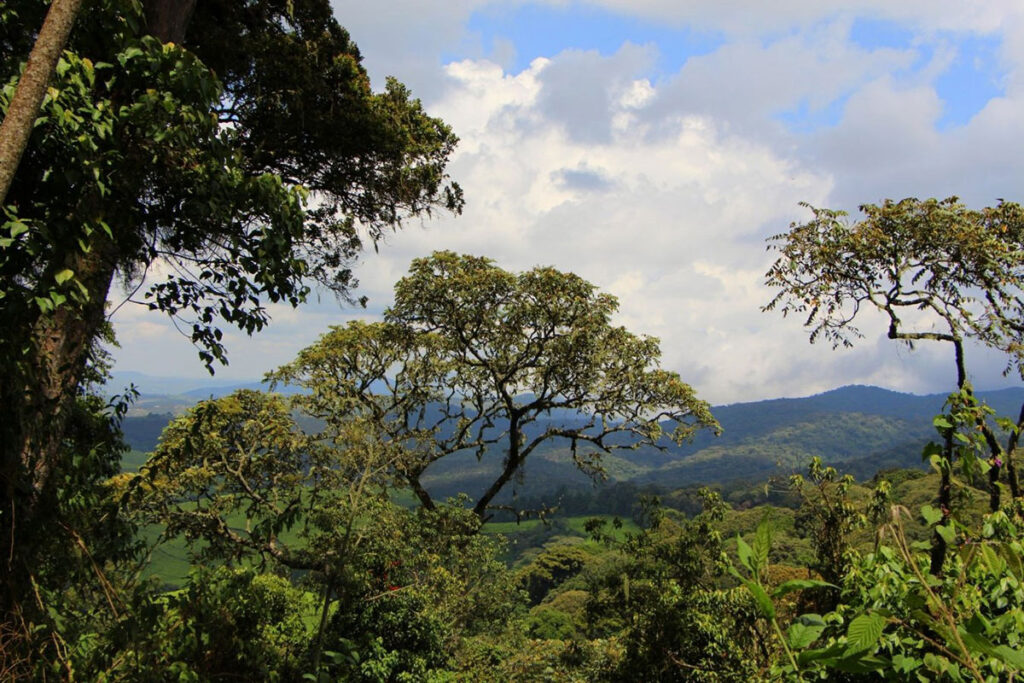
Kibira National Park – Burundi’s Pristine Montane Rainforest of Chimpanzees, Bamboo Forests, Misty Mountain Ecosystems, and Sacred Cultural Heritage
Kibira National Park is one of East Africa’s most enchanting and ecologically essential montane rainforests — a majestic sanctuary of cloud-kissed mountains, ancient bamboo groves, charismatic chimpanzees, spectacular birdlife, and deeply rooted cultural landscapes. Covering around 400 km² along the Congo–Nile Divide, this lush green kingdom forms the largest surviving tract of natural forest in Burundi and serves as the backbone of the country’s water supply, climate regulation, biodiversity protection, and cultural identity. Its mist-filled valleys, towering trees, and cool mountain air create a truly magical atmosphere that continues to captivate biologists, ecologists, primate researchers, conservationists, and nature-loving travelers from around the world.
Kibira is often described as “Burundi’s green heart,” not only because of its ecological richness, but also due to its immense cultural importance for indigenous forest communities such as the Batwa. The park forms a seamless ecological corridor with Rwanda’s Nyungwe National Park, creating one of Africa’s most continuous and biodiverse montane forest systems. This transboundary forest belt is indispensable for the survival of endangered species including chimpanzees and for maintaining the hydrological stability that supplies water and hydropower to millions of people in Burundi. Today, Kibira National Park stands as a symbol of resilience — a forest that has survived centuries of pressure and remains one of East Africa’s most extraordinary natural treasures.
Overview of Kibira National Park
Established in 1980, Kibira National Park was created to protect the last remnants of Burundi’s once-vast equatorial rainforest. Its strategic location along the mountainous northwest makes it a vital biodiversity hotspot, home to species that cannot survive in any other habitat in Burundi. Kibira is dominated by montane and submontane rainforest ecosystems, which host an exceptional variety of flora and fauna, many of which are endemic to the Albertine Rift region — one of the world’s most biologically significant mountain ranges.
Kibira’s importance extends far beyond biodiversity conservation. The park plays a vital role in maintaining Burundi’s ecological stability. It protects the headwaters that feed several major rivers, powers most of the country’s hydroelectric plants, and moderates the climate by storing carbon and regulating temperature and rainfall patterns. Its forests have historically been used for medicinal knowledge, cultural rituals, and traditional resource use by indigenous communities, making Kibira both an ecological and cultural sanctuary.
Location and Size
Kibira National Park is situated in northwestern Burundi, stretching across the mountainous ridge between the towns of Bugarama, Muramvya, and Rwegura. The park follows the dramatic contours of the Congo–Nile Divide, a major African watershed that determines whether rivers flow toward the Congo Basin or the Nile Basin. This elevated position, ranging from 1,600 to 2,600 meters above sea level, creates an array of microclimates that nurture diverse plant and animal communities found only in high-altitude tropical forests.
Covering approximately 400 km², Kibira is the largest and most intact forest ecosystem in Burundi. Its border with Rwanda’s Nyungwe National Park transforms the two parks into a single ecological block spanning almost 1,000 km² of uninterrupted montane rainforest — an invaluable conservation corridor for migratory birds, primates, and wide-ranging mammals.
Geography and Geology
Kibira’s geography is a dramatic tapestry of steep mountains, rolling forested hills, misty valleys, and fast-flowing rivers that carve deep ravines through ancient rock formations. The park’s geology is dominated by Precambrian granite and metamorphic rocks that have weathered over millions of years to create fertile soils and rugged landscapes.
- Mountain ridges: Forming natural barriers and creating diverse microhabitats for primates and birds.
- Deep valleys: Filled with dense vegetation, waterfalls, and permanent freshwater sources.
- Bamboo forests: A unique feature of Kibira found at high altitudes, providing critical habitat for specialized wildlife.
- Cloud forest zones: Constantly enveloped in mist, supporting epiphytes and moisture-loving plants.
These physical features shape the park’s exceptional ecological diversity, making Kibira one of East Africa’s most complex montane ecosystems.
Climate
Kibira National Park experiences a cool, moist montane climate influenced by altitude and prevailing winds from the Congo Basin. This climate is characterized by high humidity, abundant rainfall, and stable temperatures throughout the year — conditions that support lush vegetation, amphibian diversity, and primate populations.
- Annual rainfall: 1,500 to 2,000 mm, with peaks from March–May and September–December.
- Temperature range: 10°C to 20°C, providing ideal conditions for montane species.
- Frequent cloud cover: Essential for maintaining moisture-dependent ecosystems.
This climate creates perfect habitat for species that depend on cool, humid forests, making Kibira a refuge for many organisms facing climate pressure in other parts of East Africa.
Hydrology and Water Systems
Kibira National Park is the most important water catchment area in Burundi. It feeds numerous rivers that power hydroelectric stations, irrigate agricultural zones, and supply drinking water to major cities. Its forests act as a “natural sponge,” capturing rainfall, filtering water, and releasing it gradually into streams and rivers.
- Congo–Nile Divide: Determines drainage toward the Congo River or Nile River systems.
- Rwegura Hydroelectric Reservoir: Powered by river systems originating inside the park.
- Major rivers: Including the Mpanda, Ruvubu, Kaburantwa, and Kinyango Rivers.
- Permanent springs: Essential for wildlife during dry seasons.
Without Kibira’s forest cover, Burundi’s hydropower, agriculture, and water supply would be severely compromised. Its protection is therefore critical for national economic and social stability.
Ecosystems and Habitats
Kibira National Park hosts a mosaic of montane ecosystems shaped by altitude, soil type, moisture levels, and forest succession. These ecosystems are some of the most biologically productive in Central–East Africa.
- Montane rainforest: Dominated by tall hardwoods and rich undergrowth.
- Submontane forest: Found at lower altitudes with varied plant species.
- Bamboo forest: Covering high-elevation slopes, crucial for primate feeding.
- Swamp and riparian forest: Supporting amphibians, insects, and rare plants.
- Cloud forest: Constantly misty, supporting mosses, orchids, and ferns.
These habitats support a wide range of species, many of which have extremely restricted ranges and rely entirely on intact montane forest environments.
Vegetation
Kibira National Park is home to more than 600 plant species, many of which are endemic, medicinal, or vital for forest functioning. Vegetation composition varies with altitude:
- Podocarpus latifolius: A dominant canopy tree in mid-altitude zones.
- Hagenia abyssinica: Common in high-elevation forests.
- Giant bamboo (Yushania alpina): Covering thousands of hectares along high ridges.
- Medicinal shrubs and herbs: Used traditionally by local communities.
- Epiphytes and orchids: Thriving in cool, humid environments.
These plant species play vital roles in water regulation, soil conservation, carbon storage, and wildlife feeding patterns.
Wildlife of Kibira National Park
Mammals
Kibira National Park is a critical refuge for several forest mammal species that are rare or absent elsewhere in Burundi. Its dense forests provide food, shelter, and breeding grounds for primates and other mammals highly dependent on intact montane habitats.
- Chimpanzees: The park’s flagship species, with multiple communities thriving in the forest.
- Black-and-white colobus monkeys: Abundant and easily observed.
- Blue monkeys: Preferring mid-elevation forests.
- Owl-faced monkeys: A rare species found only in Central African montane forests.
- Forest duikers: Small antelopes adapted to dense undergrowth.
Other mammals include bushpigs, golden cats (rare), genets, porcupines, pangolins, mongooses, and several species of bats essential for seed dispersal and pollination.
Birds
With more than 200 bird species, Kibira National Park is one of Burundi’s most important birding destinations and a key stronghold for Albertine Rift endemics — species found nowhere else on Earth.
- Great blue turaco: A colorful canopy bird often seen gliding through the trees.
- Ruwenzori batis: A local endemic with a preference for montane forests.
- Mountain yellow warbler: Found in cool forest zones.
- Barred long-tailed cuckoo: Heard frequently in dense understory areas.
- Sunbirds, weavers, and hornbills: Adding vibrant life to forest canopies.
Kibira’s high bird diversity makes it essential for global ornithological research and nature-based tourism.
Reptiles, Amphibians, and Insects
The cool, humid environment of Kibira supports numerous reptiles, amphibians, and insect species, many of which are specialized for montane conditions.
- Chameleons: Including forest chameleons adapted to cool habitats.
- Tree frogs and stream frogs: Active in riparian zones and wetlands.
- Butterflies and moths: Hundreds of species feeding on flowering plants.
- Forest snakes: Typically shy and rarely encountered.
These smaller species contribute immensely to pollination, nutrient cycling, and forest health.
Unique Features of Kibira National Park
Several natural and cultural features make Kibira stand out as one of Africa’s top montane forests:
- Congo–Nile Divide: One of Africa’s most important hydrological boundaries starts here.
- Continuous forest with Nyungwe: Creating the largest montane forest block in East–Central Africa.
- Cloud forests: Rare ecosystems dominated by moisture-loving plants.
- Bamboo belts: Providing critical habitat for primates and rare birds.
- Sacred valleys and groves: Protected by local communities for generations.
Cultural and Indigenous Communities
Kibira has been home to indigenous Twa (Batwa) communities for centuries. These historically forest-dwelling people relied on the forest for hunting, gathering, herbal medicine, and spiritual practices. Even after resettlement, many Twa families maintain deep cultural and spiritual ties to Kibira’s forests.
Surrounding communities of Hutu and Tutsi farmers also rely on the forest for water, traditional medicine, and cultural rituals. Sacred groves, ancestral sites, and healing plants remain important aspects of community identity. Cultural tourism programs increasingly promote these traditions while supporting livelihoods.
Conservation Importance
Kibira National Park is one of Burundi’s most vital conservation areas due to:
- Its role in protecting endangered chimpanzees and Albertine Rift endemics
- Its position as the country’s primary water catchment
- Its contribution to hydropower generation
- Its carbon storage and climate regulation services
- Its value as a cultural and spiritual landscape
The park is a cornerstone of Burundi’s environmental resilience and a crucial part of regional conservation networks.
Threats and Challenges
Despite its protected status, Kibira National Park faces significant pressures:
- Illegal logging: Causing forest degradation and habitat fragmentation.
- Poaching: Threatening primates and antelope species.
- Encroachment: Driven by population growth and agricultural expansion.
- Wildfires: Often started accidentally during dry periods.
- Climate change: Altering rainfall, increasing disease prevalence, and stressing ecosystems.
Long-term conservation efforts depend on strong community engagement, sustainable resource management, and increased eco-tourism support.
Research and Monitoring
Kibira is an important research hub for East African montane ecology. Scientists conduct studies on:
- Chimpanzee behavior, genetics, and population dynamics
- Montane forest succession and ecosystem processes
- Bird migration and species distribution changes
- Medicinal plant use and ethnobotany
- Hydrological cycles and watershed management
Collaborative projects with international conservation organizations help strengthen park management and scientific understanding.
Tourism Activities
Kibira National Park offers a range of immersive eco-tourism experiences that highlight its natural and cultural richness:
- Chimpanzee tracking: One of the park’s most popular activities.
- Forest hikes: Through bamboo forests, waterfalls, and misty valleys.
- Birdwatching: With opportunities to spot rare Albertine Rift species.
- Cultural tours: Visiting local communities and learning traditional forest practices.
- Botanical walks: Exploring medicinal plants and endemic flora.
These activities support conservation while empowering local communities.
Access and Getting There
Kibira National Park can be accessed from multiple entry points:
- Muramvya: The main tourism gateway and closest town.
- Bujumbura: Approximately 1–2 hours away depending on the route.
- Rwegura sector: Ideal for researchers and long treks.
A 4×4 vehicle is recommended, especially during the rainy season when roads become slippery and difficult to navigate.
Permits, Fees, and Park Rules
Park entry requires permits that can be arranged with local authorities or registered tour operators. Key rules include:
- No hunting or capturing wildlife
- No removal of plants, wood, or forest products
- No off-trail hiking without a guide
- No fires or littering
- Respect for cultural and sacred sites
Accommodation
Accommodation options near Kibira National Park include:
- Eco-lodges and guesthouses in Muramvya
- Community-run guesthomes offering cultural immersion
- Research stations available for scientific teams
These facilities offer access to trails, local cuisine, and opportunities to engage in community-based tourism.
Best Time to Visit
The best time to visit Kibira National Park is during the dry seasons from June to August and December to February. During these months, trails are easier to hike, wildlife is more active, and rainfall is less frequent. The rainy seasons offer lush vegetation and exceptional bird activity but can make forest paths more challenging.
Why Kibira National Park Is Unique
Kibira National Park is unique because it represents Burundi’s last great forest frontier — a place where endangered chimpanzees roam freely, ancient bamboo forests whisper through the mist, and sacred cultural traditions have endured for generations. Its role in safeguarding the country’s water supply, biodiversity, and climate stability makes it one of the most important protected areas in East Africa.
For travelers seeking breathtaking mountain landscapes, vibrant wildlife encounters, and deep cultural connections, Kibira offers an unforgettable experience. It is a sanctuary where nature’s ancient rhythms continue undisturbed, reminding visitors of the profound beauty and ecological importance of Africa’s montane rainforests.