
Jebil National Park
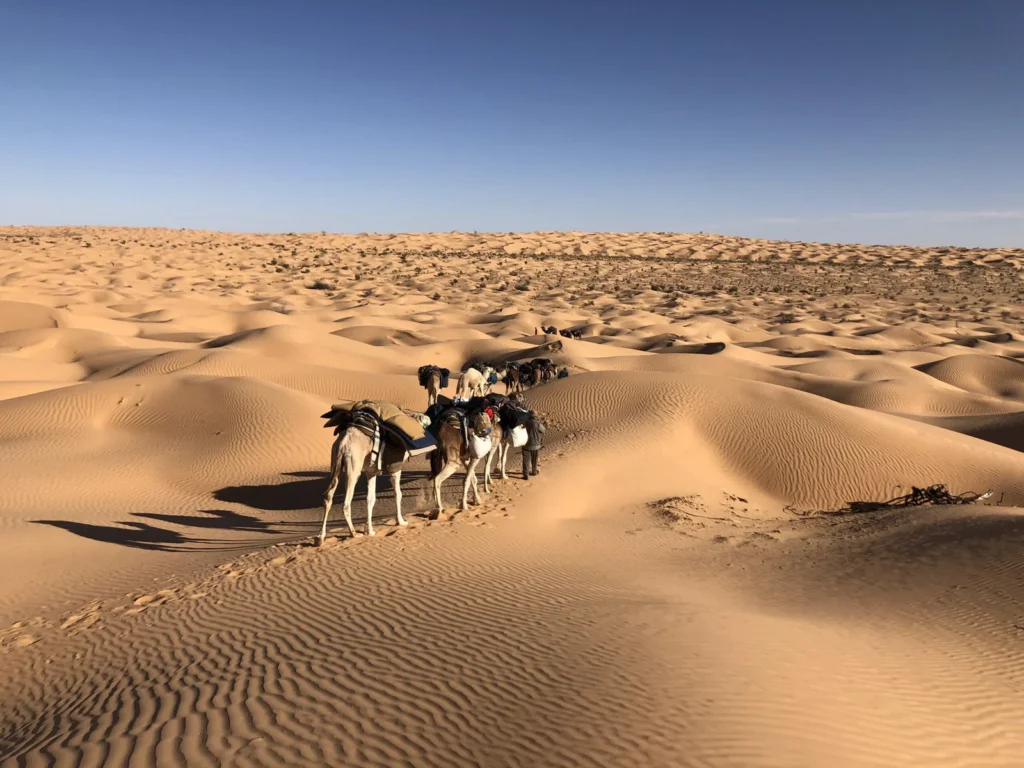
Jebil National Park – Tunisia’s Majestic Sahara Desert Wilderness of Towering Dunes, Fossil Forests, Rare Wildlife, Desert Nomad Culture, and Ancient Saharan Landscapes
Jebil National Park is one of Tunisia’s greatest natural treasures — a sweeping Sahara Desert wilderness where colossal sand dunes, prehistoric stone formations, rocky plateaus, and fragile desert ecosystems come together to form one of North Africa’s most dramatic landscapes. Covering about 1,500 km² on the northern edge of the Grand Erg Oriental, the park represents a spectacular interface between mobile dunes, ancient geological formations, and the migratory routes once used for centuries by nomadic traders. Jebil is part of the UNESCO-recognized Djerid-Nefzaoua Biosphere Reserve, emphasizing its immense ecological importance and irreplaceable role in safeguarding Tunisia’s desert biodiversity.
This remarkable park is a living museum of the Sahara, showcasing landscapes shaped by millions of years of climate shifts, wind erosion, and fossilization. Its silence, vastness, and untouched beauty offer an unparalleled opportunity for scientific research, desert exploration, cultural discovery, and eco-tourism development. Whether you are a biologist studying extreme-environment species, a geologist documenting ancient petrified wood, or a traveler seeking the purest expression of Sahara solitude, Jebil National Park offers an immersive desert experience that few places on Earth can match.
Overview of Jebil National Park
Established in 1994, Jebil National Park was created to protect Tunisia’s most sensitive and ecologically valuable Saharan habitats. The park safeguards a unique combination of shifting dune seas, rocky deserts, fossil beds, ephemeral wetlands, and rare desert wildlife that cannot survive outside protected zones. The park also serves as a critical research base for studying desertification processes, climate variability, and the long-term resilience of Sahara ecosystems in the face of global climate change.
Today, Jebil is a cornerstone of Tunisia’s desert conservation strategy. Its isolation ensures that much of its landscape remains pristine, while strict protection measures help preserve essential wildlife corridors and fossil-rich heritage zones. The park is also used for eco-tourism programs that support local Berber and Arab nomadic communities, providing sustainable livelihoods while protecting the land.
Location and Size
Jebil National Park lies roughly 80 km south of Douz, often referred to as “the Gateway to the Sahara.” Its location at the northern threshold of the Grand Erg Oriental — one of the largest dune seas in the world — makes it a key conservation area for dune systems, wildlife migration, and traditional nomadic travel routes. Few regions in North Africa offer such a seamless transition from rocky desert to immense dunes.
The park extends across approximately 1,500 km², making it one of Tunisia’s largest protected areas. The sheer size of Jebil provides vital ecological connectivity for wide-ranging species, ensures genetic diversity, and maintains the natural dynamics of dune movement, seed dispersal, and wadi flood patterns.
Geography and Geology
Jebil National Park’s landscape is an extraordinary geological showcase representing millions of years of Sahara evolution. Its topography includes:
- Grand Erg Oriental dunes: Massive crescent-shaped dunes sculpted by persistent desert winds, some rising over 100 meters high.
- Hamada plateaus: Vast expanses of hard rock and gravel known as “desert pavements,” some containing rocks hundreds of millions of years old.
- Petrified stone forest: One of the region’s most fascinating features — a field of fossilized wood where ancient trees have been transformed into stone over geological timescales.
- Sebkhas and salt flats: Evaporative basins that collect minerals and support specialized organisms.
- Wadis and shallow valleys: Dry riverbeds that activate briefly during rainfall, channeling water and nutrients through the desert.
These features are not only breathtaking but also scientifically significant, offering insights into ancient ecosystems, prehistoric climates, and geological processes rarely preserved so clearly in desert environments.
Climate
Jebil National Park experiences a classic Saharan hyper-arid climate characterized by intense heat, vast daily temperature fluctuations, low annual rainfall, and exceptionally strong winds. Summer temperatures often exceed 45°C, making survival challenging even for the most adapted desert species. Winters, by contrast, can bring nighttime temperatures near freezing.
Rainfall is sparse — often less than 100 mm per year — and typically arrives in sudden, short-lived storms that dramatically transform the desert landscape, filling wadis, triggering ephemeral vegetation growth, and attracting wildlife. Strong winds sculpt dunes, polish rocks, and generate sandstorms that shape the park’s dynamic character. This harsh climate has played a central role in shaping the unique biodiversity found in Jebil.
Hydrology and Water Systems
Although Jebil National Park appears completely dry at first glance, its hydrological system plays a crucial ecological role. The park’s water sources are subtle but essential:
- Ephemeral wadis: Dry channels that carry flash floods during rare rains, redistributing nutrients across the desert.
- Subterranean aquifers: Hidden groundwater reserves tapped by deep-rooted plants such as acacias and tamarix.
- Sebkhas: Seasonal salt flats that host microorganisms, attract migratory birds, and provide mineral-rich feeding grounds.
These water-dependent habitats allow desert vegetation and wildlife to persist in one of the most extreme climates on Earth, forming small but vital ecological hotspots.
Ecosystems and Habitats
Jebil National Park protects an exceptional range of Sahara ecosystems, each hosting highly specialized life forms:
- Dune ecosystems: Dynamic, wind-driven sand formations inhabited by reptiles, rodents, and rare plant species.
- Hamada plateaus: Rocky habitats offering shade and shelter for foxes, hyenas, and nocturnal mammals.
- Sebkha ecosystems: Saline basins supporting algae, invertebrates, and desert-adapted birds during brief wet periods.
- Wadi corridors: Microhabitats with unique plant communities, herbs, grasses, and seasonal water sources.
These ecosystems create a surprising level of biological richness despite the harsh conditions, making Jebil an important research site for understanding desert biodiversity and climate resilience.
Vegetation
Vegetation in Jebil National Park is sparse yet deeply adapted to drought, sand movement, and intense solar radiation. These plants form the foundation of the desert food chain and prevent erosion:
- Retama raetam: A shrub with deep roots stabilizing dunes and providing shade for insects and mammals.
- Halfa grass: Used locally for weaving and essential for dune stabilization.
- Tamarix species: Salt-tolerant shrubs thriving in sebkhas and wadis.
- Acacia tortilis: One of the only trees in the region, crucial for shade and food.
- Zygophyllum and Salsola shrubs: Water-storing plants feeding gazelles and rodents.
These hardy species demonstrate remarkable evolutionary adaptations, enabling them to endure scorching heat, saline soils, and prolonged drought.
Wildlife of Jebil National Park
Mammals
Jebil National Park is a sanctuary for some of the Sahara’s most iconic wildlife. The mammals found here are masters of desert survival, using burrowing, nighttime activity, and efficient water conservation to endure the harsh environment. Key species include:
- Dorcas gazelle: A desert antelope known for its agility and ability to survive without surface water.
- Fennec fox: Easily recognizable by its oversized ears, which dissipate heat.
- Rüppell’s fox: A swift and elusive predator inhabiting rocky terrain.
- Sand cat: One of the Sahara’s rarest felines, well camouflaged in sandy environments.
- Jerboas and desert hares: Small mammals adapted to extreme heat and scarce resources.
These mammals rely on the park’s protected landscapes for survival, and conservation programs focus heavily on maintaining these fragile populations.
Birds
Despite its aridity, Jebil National Park hosts a rich birdlife community, especially during migration seasons when the Sahara serves as a critical corridor for transcontinental birds. Notable species include:
- Saharan lark: A desert specialist feeding on seeds and insects.
- Hoopoe lark: Known for its melodic song and dramatic display flights.
- Brown-necked raven: Often found near rocky cliffs and plateaus.
- Bar-tailed lark: A common inhabitant of gravel plains.
- Migratory shorebirds visiting sebkhas after rare rainfall.
These birds reveal how even the harshest desert ecosystems play a vital role in global migratory patterns.
Reptiles, Amphibians, and Insects
Reptiles thrive in Jebil’s extreme climate, with many species perfectly adapted to hot, dry conditions. Common desert reptiles include:
- Horned viper: A well-known Sahara snake with excellent camouflage.
- Desert monitor lizard: One of the region’s top reptilian predators.
- Agama lizards: Able to withstand scorching temperatures.
Insects such as beetles, ants, locusts, and dune-specialized spiders play crucial ecological roles, while amphibians appear only after rare rainfall, emerging from dormant underground phases.
Unique Features of Jebil National Park
Jebil stands out for its combination of natural and cultural wonders, many of which are unique in Tunisia:
- The Petrified Forest: A remarkable field of fossilized wood, offering clues to ancient ecosystems.
- Grand Erg Oriental dunes: Iconic dune landscapes ideal for desert photography and exploration.
- Nomadic heritage: A living link to centuries of Sahara caravan life.
- Star-filled skies: With almost no light pollution, Jebil is one of North Africa’s best stargazing destinations.
- Extreme desert silence: A rare refuge of total tranquility and natural purity.
Cultural and Indigenous Communities
For centuries, the area around Jebil has been inhabited by nomadic Berber and Arab tribes skilled in desert navigation, camel herding, traditional medicine, and oral storytelling. Many local families still maintain elements of nomadic culture, offering visitors a chance to learn about ancient caravan traditions, tent craftsmanship, and survival techniques passed down through generations.
Eco-tourism initiatives in the park support these communities by creating jobs as guides, camel handlers, artisans, and cultural ambassadors, ensuring that the region’s intangible heritage remains vibrant and respected.
Conservation Importance
Jebil National Park is essential for conserving Tunisia’s Sahara biodiversity and fragile ecosystems. The park protects:
- Endangered mammals such as dorcas gazelles and sand cats
- Rare desert-adapted reptiles
- Petrified wood formations of immense scientific value
- Critical migratory bird stopover sites
- Vegetation essential for dune stabilization and erosion prevention
The park also helps Tunisia combat desertification by maintaining intact vegetation zones that anchor dunes, support wildlife, and preserve ecological processes.
Threats and Challenges
Jebil faces ongoing threats that require continued management and conservation:
- Climate change accelerating drought and desertification
- Illegal hunting targeting gazelles and foxes
- Overgrazing by livestock at the park’s edges
- Off-road vehicle damage to fragile dunes and fossil zones
- Fossil theft and unauthorized geological extraction
Effective conservation strategies involve community engagement, eco-tourism promotion, ranger patrols, and scientific monitoring.
Research and Monitoring
Jebil National Park serves as a natural laboratory for scientists studying extreme desert environments. Research projects focus on:
- Mapping dune movement and understanding wind patterns
- Monitoring endangered mammal populations
- Studying desert flora adaptations to drought
- Hydrological studies of sebkhas and wadis
- Paleontological research on petrified wood
These studies contribute to global knowledge about desert ecology, climate change adaptation, and fossil preservation.
Tourism Activities
Jebil National Park is ideal for adventurous travelers seeking authentic Sahara experiences. Popular activities include:
- 4×4 desert expeditions across dunes and rocky plains
- Camel trekking led by local nomads
- Hiking and exploration of geological formations
- Fossil tours in the petrified forest
- Birdwatching during migration periods
- Stargazing in one of North Africa’s darkest skies
Access and Getting There
Jebil is reached primarily from Douz, with access requiring a 4×4 vehicle due to soft sand and rugged tracks. Major access routes include:
- The Douz–Jebil Track: The primary entry point for most visitors.
- Nomadic camel routes: Traditional pathways used for multi-day camel journeys.
- Remote desert camps: Serving as staging points for deep-desert excursions.
Travelers should always explore Jebil with experienced guides due to its vastness and lack of marked trails.
Permits, Fees, and Park Rules
Visitors must obtain permits from the park office in Douz. Essential regulations include:
- No collection of fossils or stones
- No off-track driving to prevent dune damage
- No hunting or disturbing wildlife
- No littering or campfire damage
- Respect for cultural sites and nomadic territories
Accommodation
Accommodation options around Jebil National Park include:
- Desert camps: Offering traditional tents, meals, and guided excursions.
- Eco-lodges in Douz: Comfortable bases for day trips into the park.
- Mobile expedition camps: Used for multi-day wilderness journeys.
These accommodations allow visitors to fully immerse themselves in the tranquility of the Sahara while experiencing nomadic hospitality.
Best Time to Visit
The best time to explore Jebil National Park is between October and April, when temperatures are moderate and conditions are ideal for outdoor activities such as camel trekking, dune hiking, and photography. The summer months can be dangerously hot, while winter nights may be cold but pleasant for stargazing.
Why Jebil National Park Is Unique
Jebil National Park stands out as one of Tunisia’s most breathtaking and scientifically important desert landscapes. Its combination of immense sand dunes, fossilized forests, rare Sahara wildlife, and ancient cultural heritage makes it a natural sanctuary of global significance. Nowhere else in Tunisia provides such a complete immersion into the spirit of the Sahara — its silence, beauty, vastness, and timelessness.
For travelers, scientists, and conservationists alike, Jebil offers an experience that is as educational as it is awe-inspiring. It is one of the last places in North Africa where the Sahara can still be experienced in its purest form — untouched, wild, and endlessly fascinating.