
Kisite-Mpunguti Marine National Park
Kisite-Mpunguti Marine National Park Kenya – Best Snorkeling, Dolphin Watching, Coral Reef Diving and Indian Ocean Marine Safaris
Kisite-Mpunguti Marine National Park Kenya – best snorkeling, dolphin watching, coral reef diving, and Indian Ocean marine safaris – is the country’s premier marine destination for travelers seeking healthy coral reefs, crystal-clear turquoise waters, playful dolphins, and colorful tropical fish. Located off the southern Kenyan coast near Shimoni and Wasini Island, this protected marine paradise offers world-class snorkeling and scuba diving in shallow, calm lagoons ideal for beginners, families, and experienced divers alike. With its rich marine biodiversity, vibrant Swahili coastal culture, and easy access from Diani Beach and Mombasa, Kisite-Mpunguti is widely regarded as the best place in Kenya for a marine safari holiday.
Unlike many beach destinations where coral reefs are distant or damaged, Kisite-Mpunguti Marine National Park puts you directly above thriving coral gardens and swirling schools of fish. Snorkeling excursions, dolphin-watching cruises, and traditional dhow trips combine relaxed coastal charm with exceptional marine-life encounters. This makes the park a top choice for travelers searching for snorkeling in Kenya, dolphin watching Kenya, best diving sites in Kenya, Diani snorkeling tours, and Indian Ocean marine parks along the Kenyan coast.
Overview of Kisite-Mpunguti Marine National Park
Kisite-Mpunguti Marine National Park and Reserve is managed by the Kenya Wildlife Service (KWS). It is divided into two zones: Kisite Marine National Park, a fully protected no-fishing sanctuary around Kisite Island, and Mpunguti Marine National Reserve, which surrounds Mpunguti ya Juu and Mpunguti ya Chini islands and allows regulated traditional fishing by local communities. This zoning model protects coral reefs, reef fish, dolphins, and sea turtles while supporting sustainable coastal livelihoods.
The park is renowned for its shallow coral reefs with high coral cover, superb water clarity, and easy snorkeling access. Most day trips include snorkeling stops within Kisite Marine National Park, followed by a Swahili seafood lunch on Wasini Island. As a result, Kisite-Mpunguti has become one of Kenya’s most iconic coastal tourism attractions and ranks highly for Kenya marine parks, Mombasa snorkeling tours, Diani dolphin watching, and best coral reefs in East Africa.
Location and Size – Where Is Kisite-Mpunguti Marine National Park in Kenya?
Kisite-Mpunguti Marine National Park lies in Kwale County along Kenya’s southern coast, close to the Tanzanian border. The main starting point for marine safaris is Shimoni village, approximately 80–90 kilometers south of Mombasa and just beyond Diani Beach. From Shimoni, visitors travel by motorboat or traditional Swahili dhow to Kisite Island and the coral reefs within the park.
The combined area of Kisite Marine National Park and Mpunguti Marine National Reserve totals about 39 square kilometers. Despite its compact size, the park protects some of the most productive and biodiverse coral reef ecosystems in Kenya. Thanks to its location within the Western Indian Ocean current system, it serves as a vital refuge for reef fish, dolphins, sea turtles, and migratory whales, and is a top-rated destination for marine safaris on Kenya’s south coast.
Geography and Seascape of Kisite-Mpunguti
The geography of Kisite-Mpunguti is shaped by shallow coral platforms, rocky islands, dramatic reef walls, and seasonal sandbanks. Kisite Island itself is a rocky coral outcrop surrounded by extensive reef flats that drop into deeper blue waters. These reef slopes create spectacular underwater scenery for divers and attract pelagic fish and dolphins. The nearby Mpunguti islands add rocky shorelines and fringing reefs that become exposed during low tide.
At low tide, bright white sandbanks appear above the water, forming temporary “desert islands” ideal for beach walks, relaxation, and photography. Underwater, coral heads and bommies create complex three-dimensional habitats teeming with fish, rays, and invertebrates. This diversity of depth and structure makes Kisite-Mpunguti one of East Africa’s most visually stunning and biologically productive coral reef systems—perfect for Indian Ocean snorkeling and diving.
Climate – Weather Conditions for Snorkeling and Diving at Kisite-Mpunguti
Kisite-Mpunguti Marine National Park enjoys a warm tropical coastal climate ideal for snorkeling and diving almost year-round. Daytime temperatures range from 26–32°C, while water temperatures remain between 24–29°C, offering comfortable conditions even without a full wetsuit. This makes the park one of the most reliable marine tourism destinations on the Kenyan coast.
Two monsoon seasons shape the weather:
- North-East Monsoon (Kaskazi) – November to March: calm seas and light winds, ideal for snorkeling, dolphin watching, and glass-bottom boat tours.
- South-East Monsoon (Kusi) – May to September: windier, with choppier seas offshore, but still rich in marine life.
Local boat operators adjust routes and timing to ensure safe, enjoyable marine excursions throughout the year.
Hydrology and Ocean Currents
Kisite-Mpunguti’s hydrology is influenced by warm Indian Ocean currents, tides, and wave action. Nutrient-rich waters support plankton blooms—the foundation of the marine food chain—while tidal flushing keeps coral reefs oxygenated and clean. This constant movement of water maintains excellent visibility, making Kisite-Mpunguti one of Kenya’s best snorkeling and diving destinations year-round.
Ecosystems and Marine Habitats
The park protects a mosaic of interconnected habitats that support exceptional biodiversity, including:
- Fringing and patch coral reefs with dense coral cover.
- Shallow lagoons and protected reef flats ideal for snorkeling.
- Seagrass beds serving as nurseries for fish and feeding grounds for turtles.
- Rocky intertidal zones with crabs, shellfish, and invertebrates.
- Pelagic waters where dolphins, whales, and schools of fish roam.
- Mangrove forests on nearby mainland shores and Wasini Island.
This ecological connectivity between reefs, seagrasses, and mangroves drives the park’s productivity and has made Kisite-Mpunguti a leading destination for eco-friendly marine tourism in Kenya.
Vegetation – Corals, Seagrasses and Coastal Plants
Vegetation in marine parks primarily includes corals, seagrasses, algae, and limited coastal plants. Kisite-Mpunguti’s reefs are dominated by hard corals that build massive structures, branching formations, and table-like plates that create shelter for diverse marine life. Soft corals, sea fans, and colorful sponges add complexity to the reef.
- Hard corals providing essential habitat.
- Soft corals and sea fans adding color and movement.
- Seagrasses serving as nurseries and feeding grounds.
- Macroalgae supporting herbivorous fish.
- Scattered shrubs and creeks lined with mangroves on nearby islands.
This vibrant underwater vegetation contributes to the park’s global reputation as one of Kenya’s top coral reef and snorkeling destinations.
Wildlife of Kisite-Mpunguti Marine National Park
Marine Mammals – Dolphins and Whales
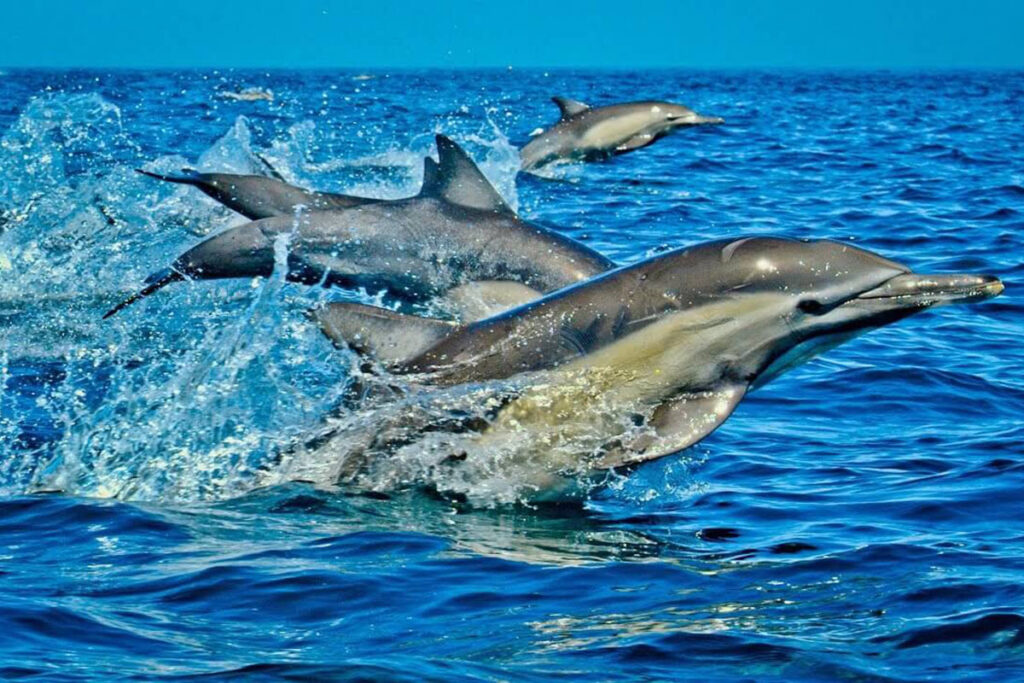
Kisite-Mpunguti is one of the best places in Kenya for dolphin watching. Indo-Pacific bottlenose dolphins often accompany boats heading to the reefs, creating magical encounters for visitors. Spinner and humpback dolphins also make occasional appearances.
From July to October, humpback whales migrate along the East African coastline. During this season, visitors may witness breaching whales, tail slaps, and blow spouts offshore, making whale watching another highlight of Kisite-Mpunguti marine safaris.
Fish and Coral Reef Species
The reefs teem with colorful fish species such as butterflyfish, angelfish, parrotfish, wrasses, damselfish, surgeonfish, and anthias. Deeper reefs attract groupers, snappers, trevally, stingrays, and eagle rays. Moray eels, lionfish, and scorpionfish hide among coral crevices, providing excellent macro photography opportunities.
Marine Reptiles – Sea Turtles
Green and hawksbill turtles frequently forage within the park’s seagrass beds and coral reefs. Kisite-Mpunguti serves as a key feeding and resting habitat for these threatened species, making it a prime location for turtle watching in Kenya.
Birds
Kisite and Mpunguti Islands host seabirds such as terns, gulls, and waders, while nearby mangroves support kingfishers, herons, and egrets. Birdwatchers can combine marine excursions with Wasini Island or mangrove walks for a rewarding experience.
Invertebrates
The reefs and intertidal zones host sea stars, nudibranchs, crabs, lobsters, sea cucumbers, octopuses, and shrimps—fascinating subjects for underwater photographers and marine biology enthusiasts.
Unique Features That Make Kisite-Mpunguti Stand Out
Several features make Kisite-Mpunguti one of Kenya’s best marine parks:
- Shallow, calm reefs ideal for beginners and families.
- High chance of dolphin encounters on most trips.
- Seasonal humpback whale sightings.
- Bright white sandbanks exposed at low tide.
- Traditional Swahili dhow cruises with cultural experiences.
- Easy access from Diani Beach and Mombasa.
Cultural and Coastal Communities
Shimoni and Wasini Island communities—deeply rooted in Swahili and Shirazi culture—play an important role in marine tourism. They operate boats, guide snorkeling trips, and prepare traditional seafood lunches for visitors. Many tours include cultural walks, mangrove boardwalks, and visits to coral-stone villages or historic Shimoni caves.
Conservation Importance
Kisite-Mpunguti is a crucial marine conservation site, protecting coral reefs that serve as breeding grounds for fish populations supporting local fisheries. The park also shelters dolphins, turtles, and whales, strengthens climate resilience along the Kenyan coast, and supports eco-tourism jobs within local communities.
Threats and Challenges
Despite its protection, the park faces threats including:
- Coral bleaching due to rising sea temperatures.
- Plastic pollution and discarded fishing gear.
- Coastal development increasing sediment runoff.
- Potential reef damage from anchoring or inexperienced snorkelers.
KWS, NGOs, and local communities work together to promote responsible tourism, provide mooring buoys, enforce rules, and support alternative livelihoods that reduce pressure on marine resources.
Research and Monitoring
Kisite-Mpunguti serves as an important research hub for studies on coral reef health, dolphin behavior, whale migration, and climate change impacts. Citizen-science collaborations between researchers and boat operators enhance data collection and support effective conservation planning.
Tourism Activities – Things to Do
Popular activities include:
- Snorkeling above vibrant coral gardens.
- Scuba diving along reef walls and channels.
- Dolphin-watching cruises.
- Seasonal whale watching.
- Glass-bottom boat tours.
- Sandbank picnics at low tide.
- Cultural and mangrove tours on Wasini Island.
Access – How to Get to Kisite-Mpunguti
Most visitors stay in Diani Beach, Ukunda, or Mombasa, then travel to Shimoni by road (1.5–2 hours). From Shimoni, boats take 20–45 minutes to reach the reefs. Tours can be booked through hotels, Diani tour operators, or community groups in Shimoni, with packages often including park fees, gear, guiding, lunch, and cultural activities.
Permits, Fees and Park Rules
Entry requires payment of Kenya Wildlife Service marine park fees. Visitors must follow responsible tourism rules:
- No fishing or collecting shells within the park.
- No touching or standing on corals.
- No littering.
- Use designated mooring buoys instead of anchoring.
- Do not chase or disturb dolphins, whales, or turtles.
Accommodation – Where to Stay
While there are no lodges inside the marine park, visitors can stay in:
- Guesthouses and lodges in Shimoni.
- Eco-lodges and homestays on Wasini Island.
- Beach resorts and boutique hotels in Diani Beach and Galu Beach.
Best Time to Visit
Kisite-Mpunguti is a year-round marine destination, but the best conditions are:
- November to March: best snorkeling and diving conditions.
- July to October: best for humpback whale sightings.
- Year-round: excellent chances of seeing dolphins.
Why Kisite-Mpunguti Marine National Park Is Unique
Kisite-Mpunguti offers everything travelers look for when searching for the best marine park in Kenya: healthy coral reefs, reliable dolphin encounters, seasonal whale sightings, shallow snorkeling sites, dhow cruises, and authentic Swahili culture. Unlike crowded resort reefs, Kisite-Mpunguti feels wild, vibrant, and full of life—making it the top choice for travelers seeking unforgettable Indian Ocean marine safaris in Kenya.