
Matusadona National Park
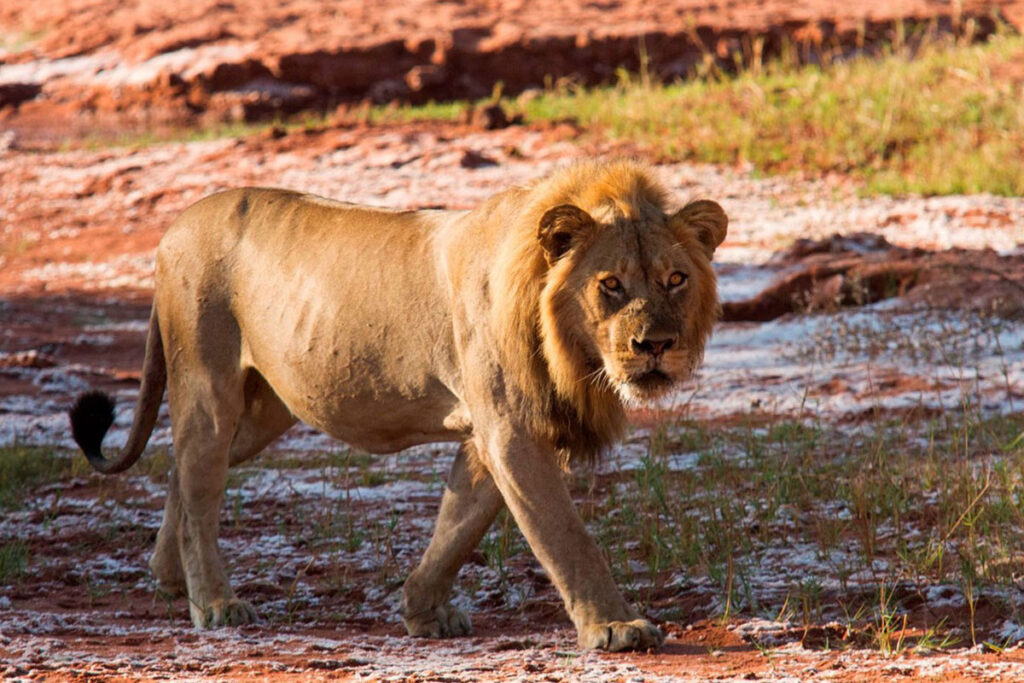
Matusadona National Park, Zimbabwe – Big Five Lake Kariba Safari, Walking Safaris, Houseboat Wildlife Viewing and Untamed Zambezi Wilderness
Matusadona National Park in northern Zimbabwe is one of Africa’s most beautifully wild safari destinations – a place where rugged mountains, open lakeshore plains and thick woodlands meet the vast inland sea of Lake Kariba. Famous for its classic Big Five game viewing, exceptional walking safaris, thriving populations of elephant and buffalo, and unforgettable houseboat safaris, Matusadona offers a more remote and exclusive alternative to busier parks in southern Africa. Set along the southern shore of Lake Kariba with the Zambezi Escarpment rising dramatically behind it, the park combines spectacular scenery with rich wildlife and a sense of old-fashioned, untamed Africa.
For travelers searching online for Lake Kariba safaris, Zimbabwe Big Five parks, uncrowded walking safaris or best places to combine boating and game viewing in Africa, Matusadona National Park is a standout choice. Here, you can watch elephants feeding on the shoreline, cruise past pods of hippos, drift past crocodiles basking on sandbanks, and enjoy golden sunsets over the lake – all in a quiet, low-impact wilderness that feels far removed from mass tourism.
Overview of Matusadona National Park
Matusadona National Park is a key component of Zimbabwe’s protected area network and part of the broader Zambezi Valley safari circuit. Originally declared a non-hunting area in the late 1950s and later gazetted as a national park, Matusadona protects a mosaic of habitats that stretch from the shores of Lake Kariba up into the steep Zambezi Escarpment. The park is renowned for its dramatic views, boat-based game viewing and pioneering conservation work – including past efforts to protect black rhinos and ongoing initiatives to rebuild wildlife populations under modern co-management partnerships.
Although it once held some of Africa’s highest densities of lions and black rhinos, Matusadona has gone through ecological changes following fluctuating Lake Kariba water levels, droughts and periods of limited management. Today, restoration work, improved anti-poaching and a renewed focus on nature-based tourism have put the park back on the radar for safari enthusiasts. It is increasingly recommended for travelers who want an authentic, low-traffic wilderness experience that combines game drives, walking safaris and water-based activities in one diverse landscape.
Location and Size – Where Is Matusadona National Park in Zimbabwe?
Matusadona National Park is located on the southern shore of Lake Kariba in northern Zimbabwe, within the country’s Mashonaland West Province. It lies roughly between the town of Kariba to the east and Binga to the west, forming part of the central section of the vast Zambezi Valley. The park’s northern boundary is the Lake Kariba shoreline, while its southern boundary climbs into the rugged hills and ridges of the Zambezi Escarpment.
Covering an area of about 1,400 square kilometers, Matusadona includes three main landscape zones: lake shore floodplains and grasslands, gently undulating inland woodlands, and steep mountainous escarpment terrain. This mix of habitats supports a wide variety of wildlife and allows visitors to experience different types of safari environments within a single protected area.
Geography and Landscapes of Matusadona National Park
The geography of Matusadona is one of its greatest attractions. Along the Lake Kariba shoreline, broad open plains and former lakebed areas (exposed as water levels changed over the years) create grassy floodplains dotted with dead tree stumps – a visually striking reminder of the valley’s flooding when the Kariba Dam was built. These open areas are key grazing zones for buffalo, impala and other herbivores and provide some of the park’s best wildlife-viewing vistas.
Inland from the lake, the terrain rises gently into mixed woodland and thicket, dominated by Mopane and combretum species. Further south, the Zambezi Escarpment rises sharply, forming a backdrop of steep hills, broken ridges and rocky outcrops. These higher areas are more remote and less accessible, providing important refuge for shy and wide-ranging species. The combination of open lakeshore, wooded plains and rugged escarpment gives Matusadona its distinctive character and offers photographers a wide range of dramatic landscapes.
Climate – Weather in Matusadona National Park
Matusadona National Park has a typical subtropical climate with distinct wet and dry seasons, influenced by its location in the Zambezi Valley and proximity to Lake Kariba. Summers (roughly November to March) are hot and often humid, with afternoon thunderstorms and lush vegetation growth. Daytime temperatures frequently reach 30–35°C, and the combination of heat and moisture can be intense, especially in the valley lowlands.
The dry season (approximately April to October) brings cooler, more comfortable conditions and is the prime time for classic game viewing. Early dry-season months can still be green, while later months (August to October) become hot and dry, concentrating wildlife around remaining water points and the lake shore. Nights in winter months (June–July) can be cool, especially on the water and at higher elevations, so warm layers are recommended for early morning boat trips and game drives.
Hydrology – Lake Kariba, Rivers and Waterholes
The hydrology of Matusadona is dominated by Lake Kariba, one of the world’s largest man-made lakes, created when the Zambezi River was dammed in the 1950s. The lake forms the park’s entire northern boundary, providing a permanent water source for wildlife and underpinning the area’s famous boat-based safaris and houseboat experiences.
Seasonal streams and drainage lines flow from the escarpment through the park toward Lake Kariba during the rainy season, feeding temporary pans, pools and channels. Although many of these smaller water sources dry out during the late dry season, the presence of Kariba ensures that water is always available along the shoreline. This concentration effect draws large numbers of animals to the lake edge in the dry months, making Matusadona a prime destination for close-up game viewing from boats and lakeside viewpoints.
Ecosystems and Habitats in Matusadona National Park
Matusadona contains a rich variety of ecosystems that support high species diversity despite the park’s relatively modest size. The main habitat types include open grasslands on former lakebed areas, mixed Mopane and combretum woodlands, riverine fringes and wetland patches along streams and inlets, and rugged escarpment slopes with thickets and rocky hillsides.
- Lakeshore floodplains and grasslands that provide grazing for buffalo, zebra and other herbivores.
- Mopane woodland and mixed bushveld supporting browsers such as elephants and kudu.
- Riverine thickets and fringes around seasonal streams and gullies.
- Escarpment slopes and rocky hills that offer refuge for shy species and birds of prey.
- Shallow bays and inlets of Lake Kariba that hold hippos, crocodiles and prolific fish life.
The interplay between these habitats and the constant presence of water from Lake Kariba creates excellent conditions for both large mammals and smaller, more specialized species, making Matusadona a rewarding park for keen naturalists.
Vegetation – Woodlands, Grasslands and Escarpment Bush
Vegetation in Matusadona changes noticeably from the lakeshore to the escarpment. Along Lake Kariba, open grassy plains and seasonal floodplains dominate, punctuated by skeletal trees left from the valley’s flooding. These areas produce nutritious grasses and forbs that attract large grazing herds. They also provide relatively unobstructed views, which is ideal for game drives and photography.
Further inland, Mopane woodland becomes more prominent, interspersed with other savanna trees and shrubs. Mopane leaves are an important food source for elephants, and the woodlands support species such as kudu, bushbuck and a variety of birds and smaller mammals. On the escarpment, vegetation thickens into mixed woodland and bush, with hardy shrubs, acacias and other drought-tolerant plants clinging to rocky slopes. This variation in plant communities supports different assemblages of wildlife and adds to the park’s ecological richness.
Wildlife of Matusadona National Park
Matusadona National Park offers classic African safari wildlife viewing in a more secluded, less-visited setting than many other Big Five reserves. While animal densities and species numbers fluctuate over time, the combination of lake, floodplain and woodland habitats typically supports a good variety of large and small mammals, birds, reptiles and other fauna.
Mammals
Matusadona is well-known for its elephant and buffalo populations, which are frequently seen along the lake shore and on the open plains. Buffalo herds in particular can be impressive, and the presence of these large herds contributes to strong predator–prey dynamics, especially for lions. Elephants are commonly observed feeding on Mopane and other vegetation near the water’s edge.
- Elephants often seen drinking, bathing and feeding along Lake Kariba.
- Large herds of buffalo grazing lakeshore grasslands.
- Lions, frequently associated with buffalo herds and open plains hunting grounds.
- Leopards, more elusive, usually found in wooded areas and along drainage lines.
- Plains species such as zebra, impala, waterbuck and other antelope.
- Hippos and crocodiles abundant in the lake’s bays, channels and shorelines.
- Smaller mammals including warthog, baboon, vervet monkey, jackal and nocturnal species such as civets and genets.
Historically, Matusadona was also important for black rhinoceros conservation. Although rhino numbers have declined and management approaches have changed, the park’s legacy as a rhino sanctuary remains an important part of its conservation story.
Birds
Birdwatching in Matusadona National Park is excellent, thanks to the combination of lake, shoreline, woodland and escarpment. Waterbirds thrive along Lake Kariba, while woodland and escarpment species occupy inland habitats. Boat trips and lakeside walks offer some of the best birding vantage points.
- Fish eagles calling and hunting along the lake shore.
- Herons, egrets, storks and other waders around bays and inlets.
- Kingfishers, bee-eaters and swallows around water and open spaces.
- Raptors such as bateleurs, vultures and hawk-eagles over the plains and escarpment.
- Woodland species including hornbills, rollers, barbets and weavers.
For keen birders, visiting in or just after the rainy season can reveal especially active birdlife, with migrants present and the landscape at its greenest.
Reptiles, Amphibians and Insects
As a warm, water-rich ecosystem, Matusadona also hosts many reptiles, amphibians and insects that form the base of its food webs. Nile crocodiles are a prominent sight along the lake shore, while lizards and geckos are common in rocky and wooded areas. Various snake species are present but rarely encountered by casual visitors.
Amphibians such as frogs and toads are especially active during the rainy season, when temporary pools and streams appear. Insects, including butterflies, dragonflies, beetles and a variety of pollinators, help maintain ecological processes and add color and movement to the bush, particularly after rains when vegetation is lush.
Unique Features That Make Matusadona Stand Out
Several characteristics make Matusadona National Park unique among African safari destinations, especially for travelers researching Lake Kariba and Zimbabwe safaris:
- A rare combination of boat-based game viewing, houseboat safaris and traditional game drives.
- Stunning vistas of Lake Kariba framed by the Zambezi Escarpment.
- Excellent opportunities for walking safaris in a relatively uncrowded Big Five area.
- Open lakeshore plains that provide classic “Africa” scenery with dramatic sunsets.
- A strong conservation and restoration story, with new co-management models and anti-poaching efforts.
For visitors who value wilderness feel, scenic variety and mixed-activity safaris, Matusadona offers a distinct and memorable experience.
Cultural and Local Communities Around Matusadona
While Matusadona itself is largely uninhabited wilderness, it is part of a larger Zambezi Valley landscape that has long supported local communities engaged in fishing, small-scale farming and trade along Lake Kariba. Nearby lakeside settlements and fishing villages depend on the lake for livelihoods, and some residents work in tourism as boat operators, lodge staff, guides and houseboat crew members.
Some safari operations support community projects, education initiatives and local employment, linking conservation success in Matusadona with benefits for people living around the park. When you book a responsible safari operator, your visit can contribute directly to these community-based efforts and help incentivize the protection of wildlife and habitats.
Conservation Importance of Matusadona National Park
Matusadona plays a vital role in conserving the wildlife and ecosystems of the central Zambezi Valley. It provides a protected refuge for elephants, buffalo, lions and other large mammals as they move along the Lake Kariba shoreline and within the broader valley. As part of regional conservation initiatives, the park contributes to landscape-level connectivity between protected areas in Zimbabwe and neighboring countries.
The park is also important for maintaining ecological processes associated with Lake Kariba, including herbivore grazing on floodplains, predator–prey dynamics and nutrient cycling between land and water. By protecting intact woodland and escarpment habitats, Matusadona helps conserve biodiversity and supports climate resilience in a region that faces increasing environmental pressure.
Threats and Challenges
Like many protected areas in Africa, Matusadona has experienced challenges over the years, including poaching, habitat degradation and periods of underfunded management. Fluctuating Lake Kariba water levels and droughts have altered shoreline habitats, affecting grazing patterns and wildlife distributions. In some periods, populations of certain species, including rhinos and large predators, have declined due to poaching and broader regional pressures.
- Poaching targeting elephants and other high-value species.
- Ecological changes linked to water-level fluctuations in Lake Kariba.
- Invasive plants in some shoreline or disturbed habitats.
- Limited resources for ongoing law enforcement and ecological monitoring.
Recent co-management initiatives, partnerships with conservation organizations and a renewed focus on tourism-based revenue have helped strengthen protection and begin ecological recovery. Choosing to visit Matusadona with responsible operators directly supports this ongoing conservation work.
Research and Monitoring
Matusadona National Park has been the focus of various research and monitoring projects over the years, ranging from predator–prey studies to vegetation mapping and population counts for key species such as elephants and buffalo. Historic black rhino conservation efforts also generated valuable data and experience that influence current management practices.
Ongoing monitoring programs help park managers track wildlife numbers, identify poaching trends, assess habitat changes and evaluate the impact of restoration and anti-poaching measures. As tourism and conservation partnerships grow, more long-term research and community-based monitoring efforts are likely to be integrated into Matusadona’s management framework.
Tourism Activities – What to Do in Matusadona National Park
Matusadona offers a flexible mix of safari activities that revolve around Lake Kariba and inland habitats. This variety is ideal for travelers who want more than just game drives and enjoy slower, more immersive safari experiences.
- Boat safaris on Lake Kariba, with close-up viewing of elephants, buffalo, hippos and birdlife along the shore.
- Game drives on lakeshore plains and inland tracks in search of lions, elephants, antelope and other wildlife.
- Houseboat safaris that combine overnight stays on the water with daily wildlife viewing and fishing.
- Walking safaris with experienced guides and rangers, focusing on tracks, signs, birds, plants and smaller wildlife.
- Birdwatching from boats, vehicles and viewpoints overlooking Lake Kariba and inland vleis.
- Fishing (where permitted and often from houseboats) for species such as tigerfish and bream.
Because visitor numbers are relatively low compared with more famous parks, you often enjoy sightings with few other vehicles around, adding to the sense of exclusivity and wilderness.
Access and How to Get to Matusadona National Park
Reaching Matusadona National Park can be part of the adventure. Access is possible by boat, light aircraft and sometimes rough road routes, depending on your chosen lodge or houseboat itinerary and seasonal conditions.
- By air: Charter flights from Harare, Victoria Falls or other hubs can land at airstrips serving the Matusadona area, with onward transfers by vehicle or boat.
- By boat: Some visitors travel by boat from Kariba town or other Lake Kariba harbors to lakeside lodges and houseboats near the park.
- By road: Certain lodges may be reachable by 4×4 vehicle via rough roads from Karoi, Kariba or Binga, but conditions vary and journeys can be long and challenging.
Most travelers book a package that includes transfers, whether by boat or air, along with accommodation and activities. This simplifies logistics and ensures smooth access to prime wildlife areas along the lakeshore.
Permits, Fees and Park Rules
Entry to Matusadona National Park requires park fees, typically included in lodge, camp or houseboat rates or paid separately at entry points. These conservation fees support park management, anti-poaching patrols and maintenance of infrastructure.
- Always follow guide and ranger instructions, especially during walking safaris and boat activities.
- Stay inside vehicles unless your guide explicitly allows you to alight in safe areas.
- Do not feed or harass wildlife, and maintain respectful viewing distances.
- Adhere to no-litter policies and leave natural and cultural objects in place.
- Observe any fishing regulations or limits if your safari includes angling on Lake Kariba.
Respecting park rules helps protect wildlife, safeguard habitats and maintain high-quality safari experiences for future visitors.
Accommodation – Where to Stay in Matusadona
Accommodation in and around Matusadona National Park ranges from remote, high-end safari lodges to houseboats and smaller, more rustic camps. Most properties are located along the Lake Kariba shoreline, taking full advantage of the views and access to boat-based activities.
- Lakeside safari lodges offering comfortable rooms or chalets, guided activities and all-inclusive safari packages.
- Intimate tented camps with a focus on walking safaris, birding and low-impact wilderness experiences.
- Houseboats and live-aboard vessels that double as floating safari lodges, ideal for fishing, boating and relaxed game viewing.
Because options can be limited and logistical arrangements complex, it is recommended to book well in advance with experienced Zimbabwe safari operators or directly with established lodges and houseboat companies.
Best Time to Visit Matusadona National Park
Matusadona can be visited year-round, but the dry season offers the most reliable game viewing and easiest access. From about May to October, vegetation thins out, water sources shrink and animals concentrate along the lake shore and remaining inland pans, making wildlife spotting easier. Skies are generally clear, and temperatures more moderate (although late dry season can become hot).
The green season (roughly November to March) brings lush landscapes, baby animals, dramatic clouds and fewer visitors, but also higher temperatures and more challenging access in some areas. For travelers seeking classic big-game viewing, walking safaris and boat-based wildlife viewing under clear blue skies, the dry months are usually the preferred time. For photographers and those interested in birding and dramatic stormy skies, the green season can also be rewarding.
Why Matusadona National Park Is Unique
Matusadona National Park is unique because it combines three elements that are rarely found together at this scale: a massive inland lake, a wild Big Five savanna and a dramatic mountain escarpment – all in a relatively compact, low-traffic park. Few other destinations allow you to watch elephants on a lakeshore from a boat at sunrise, track animals on foot with an experienced guide by mid-morning, and then enjoy a fiery sunset over Lake Kariba from your lodge or houseboat deck.
For travelers searching for a remote but rewarding Zimbabwe safari, Big Five Lake Kariba holidays, walking safaris away from the crowds or classic Zambezi Valley wilderness, Matusadona National Park offers an unforgettable blend of scenery, wildlife and solitude. It is a park for those who appreciate wild edges, varied activities and the feeling of being immersed in a landscape where nature, not people, still sets the rhythm of each day.