
Kruger National Park
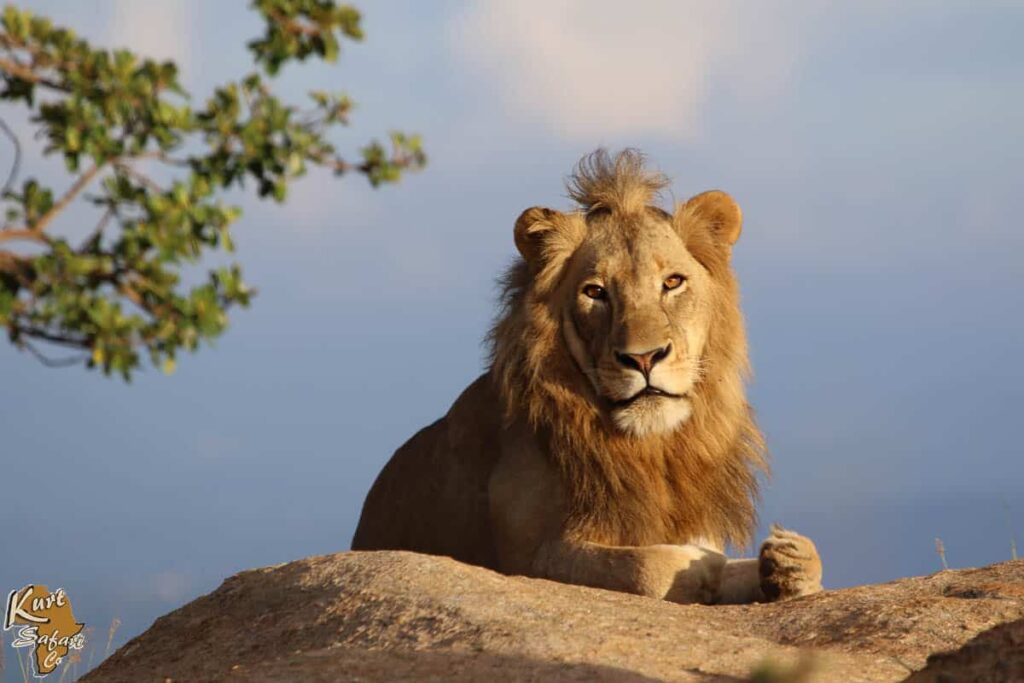
Kruger National Park – South Africa’s Ultimate Big Five Wilderness, Premier Safari Destination, and One of Africa’s Most Important Biodiversity Strongholds
Kruger National Park is South Africa’s most iconic safari destination and one of the greatest wildlife reserves on the African continent. Spanning nearly 2 million hectares of savanna, woodlands, and riverine forests, Kruger is a world-renowned sanctuary for the Big Five—lion, leopard, elephant, buffalo, and rhinoceros—alongside an astonishing variety of mammals, birds, reptiles, and plant species. As one of the largest and most accessible national parks in Africa, it attracts millions of nature lovers, photographers, conservationists, and safari enthusiasts from around the globe.
Kruger’s landscapes are incredibly diverse, ranging from granite koppies and wide grasslands to mopane woodlands, baobab-filled valleys, and lush riverine belts. This ecological richness supports some of the highest wildlife densities in Africa, making Kruger one of the world’s premier wildlife-watching destinations. Whether you are seeking a classic Big Five safari, guided bush walks, photographic tours, luxury lodge experiences, or immersive wilderness adventures, Kruger National Park offers something for every traveler.
Overview of Kruger National Park
Established in 1926 under the presidency of Paul Kruger, the park was created to protect the declining wildlife populations in the Lowveld. Today, nearly 100 years later, Kruger stands as a monumental conservation success story and a flagship model for protected area management across the world. It forms part of the Great Limpopo Transfrontier Park, a massive cross-border conservation area linking South Africa with Mozambique (Limpopo National Park) and Zimbabwe (Gonarezhou National Park). This transboundary ecosystem allows wildlife to move freely across millions of hectares, promoting ecological connectivity, genetic diversity, and regional conservation cooperation.
More than a protected area, Kruger is a living, breathing, evolving wilderness—home to world-leading research programs, anti-poaching initiatives, advanced monitoring systems, and conservation innovations that help shape global strategies for wildlife protection. It is also a major economic driver for South Africa, supporting local communities through ecotourism, job creation, and sustainable development programs.
Location and Size
Kruger National Park is located in northeastern South Africa, extending across two provinces: Limpopo to the north and Mpumalanga to the south. The park measures approximately 360 km from north to south and up to 90 km from east to west, covering an immense area of nearly 19,500 square kilometers. To put this size into perspective, Kruger is larger than many countries and roughly the size of Wales or the state of New Jersey.
The park is bordered by the Lebombo Mountains in the east and several rural communities, private reserves, and agricultural areas in the west. It shares an open, unfenced boundary with the private Sabi Sand Game Reserve and other conservancies, creating a continuous wildlife zone where animals roam freely across multiple protected areas.
Geography and Landscapes
Kruger’s geography is shaped by millions of years of geological activity, erosion, and climate variations. The park is situated on the South African Lowveld, characterized by gently rolling plains, granite outcrops (koppies), dry riverbeds, and fertile valleys. This varied topography contributes to habitat diversity and wildlife distribution across different regions of the park.
The southern region of Kruger is dominated by mixed bushveld, marula trees, and acacia woodlands—an ideal environment for herbivores like impala, giraffe, and white rhinos, and consequently for predators such as lions and leopards. The central region features open savannas and sweet grasses that support some of the largest herds of zebra, wildebeest, and buffalo. The northern region is more rugged and botanically unique, home to rare sandveld vegetation, ancient baobabs, and species such as nyala and eland.
Climate
Kruger National Park has a subtropical climate characterized by warm temperatures, seasonal rainfall, and high humidity during the summer. The wet season typically runs from November to April, bringing heavy showers, thunderstorms, and lush vegetation. This is also the time when migratory birds arrive and many animals give birth, making it a spectacular period for birdwatching and photography.
The dry winter season, from May to September, is cooler and less humid, with temperatures ranging between 10°C in the mornings to 27°C during the daytime. Water sources shrink during the dry months, concentrating wildlife around rivers, dams, and waterholes—creating ideal conditions for outstanding game viewing.
- Wet Season: Excellent for birding, lush scenery, dramatic skies, newborn wildlife.
- Dry Season: Best visibility, prime predator sightings, comfortable safari weather.
Hydrology and River Systems
Kruger’s hydrology is dominated by several major rivers flowing from west to east toward Mozambique. These include the Crocodile, Sabie, Olifants, Letaba, Shingwedzi, and Luvuvhu Rivers. These waterways support some of the most productive ecosystems in the park, particularly along riparian forests that attract elephants, leopards, hippos, waterbirds, and large herbivores.
In addition to the major rivers, Kruger contains numerous seasonal streams, pans, dams, and artificial waterholes that play a crucial role in dry-season survival. The Sabie River is the most reliable and species-rich river system in Kruger, sustaining high densities of predators and herbivores throughout the year.
Ecosystems and Habitats
Few national parks in Africa encompass as many different ecosystems as Kruger. Its ecological variety is a key reason the park is home to one of the highest concentrations of large mammals and bird species on the continent. Kruger contains 16 major vegetation types, each shaping distinct wildlife communities.
- Mixed Acacia Bushveld: Dominant in the south, supporting high densities of browsers and predators.
- Mopane Woodland: Found mainly in the north; a preferred habitat for elephants and buffalo.
- Grassveld and Open Plains: Central Kruger features grassy plains ideal for grazers and cheetahs.
- Baobab Sandveld: The far north hosts iconic baobabs and rare antelope species.
- Riverine Forests: Dense, species-rich habitats along rivers; excellent for birding and leopard sightings.
- Granite Koppies: Rocky outcrops offering refuge for klipspringers, lizards, and predators.
The combination of open grasslands, woodlands, floodplains, and forested valleys creates a dynamic and complex ecosystem where predators, herbivores, and birdlife thrive in abundance.
Vegetation
Kruger’s vegetation includes more than 2,000 plant species, ranging from towering marula trees and knob-thorns to vast mopane forests, red bushwillow thickets, and palm-filled riverbanks. Each vegetation zone forms the foundation of the food web, supporting various herbivores, which in turn sustain large carnivores.
The marula tree is particularly important—its fruits are favored by elephants, monkeys, and various antelope species. The baobab, one of Africa’s most ancient trees, thrives in the northern sections and supports birds, bats, and insects. Mopane woodland, dominant in the north and central regions, provides food for elephants and caterpillars used in local cuisine.
Wildlife of Kruger National Park
Kruger is one of the world’s greatest wildlife sanctuaries, famous for its incredibly rich and diverse fauna. The park is home to more species of large mammals than anywhere else in Africa. Its wildlife spectacles—lion hunts, elephant herds, leopard sightings, massive buffalo groups, and rhino encounters—make it one of the most exciting safari destinations on Earth.
The Big Five
Kruger is one of the best places in Africa to see the Big Five in a single day. The Big Five populations are strong, stable, and well-monitored, thanks to advanced conservation strategies.
- Lion: Over 1,600 lions inhabit the park, with the highest densities found in the central and southern regions.
- Leopard: High concentrations along rivers; sightings are frequent thanks to predictable territories.
- Elephant: One of Africa’s largest wild elephant populations, numbering over 20,000.
- Buffalo: Massive herds roam across Kruger, often seen in groups of several hundred animals.
- Rhino: Both black and white rhinos are present; heavily protected under intensive anti-poaching operations.
Other Mammals
Beyond the Big Five, Kruger boasts an extraordinary range of mammals—including endangered African wild dogs, cheetahs, hippos, giraffes, zebras, warthogs, and 20+ antelope species. The park supports more than 147 mammal species, making it the richest large-mammal ecosystem on the continent.
Birdlife
Kruger is a birding paradise, home to over 500 bird species. The far northern region around Pafuri is one of Africa’s top birding hotspots, hosting rare species such as Pel’s fishing owl, racket-tailed rollers, and crown eagles.
Reptiles and Amphibians
Kruger is home to over 120 reptile species, including Nile crocodiles, rock monitors, skinks, tortoises, and numerous venomous and non-venomous snakes. The park’s wetlands and seasonal pools support dozens of amphibian species that thrive during the rainy season.
Insects and Invertebrates
Insects play vital ecological roles in Kruger’s ecosystems. Termites, butterflies, beetles, and dragonflies are abundant and form essential components of food chains for birds, amphibians, and small mammals.
Unique Features of Kruger National Park
- One of the world’s most accessible Big Five destinations
- Exceptional density of leopards and other predators
- Ancient archaeological and cultural heritage
- Strong research programs and ecological monitoring
- Part of the Great Limpopo Transfrontier Park
Cultural and Indigenous Communities
Kruger’s human history spans thousands of years. Archaeological evidence reveals San hunter-gatherer settlements, Iron Age villages, and ancient trade routes. Several cultural sites within and around the park highlight traditional knowledge, conservation customs, and local community heritage.
Conservation Importance
Kruger is one of Africa’s most important conservation areas, helping protect endangered species such as rhinos, vultures, wild dogs, and ground hornbills. Advanced strategies include anti-poaching operations, scientific monitoring, ranger training, habitat management, and regional collaboration.
Threats and Challenges
- Rhino poaching
- Human–wildlife conflict
- Climate change impacts on river systems
- Invasive alien plants
Research and Monitoring Programs
Kruger hosts some of Africa’s longest-running ecological research projects, including predator-prey studies, elephant population management, vegetation monitoring, genetic analysis, and climate change modeling. It also hosts training centers for conservation professionals.
Tourism Activities
- Self-drive safaris
- Guided game drives
- Wilderness walking safaris
- Birdwatching tours
- Photography safaris
- Night drives
- Scenic viewpoints and hides
- Cultural experiences
Access and Getting There
Kruger is easy to reach by air or road. Key access points include Skukuza Airport, Hoedspruit Airport, and multiple entrances accessible from Johannesburg, Nelspruit, and surrounding towns.
Permits, Fees, and Park Rules
All visitors must pay conservation fees, adhere to speed limits, remain in vehicles except in designated zones, respect wildlife, and follow ranger instructions to ensure safety and ecosystem protection.
Accommodation Options
- Main rest camps with restaurants and shops
- Private concession lodges
- Luxury safari lodges bordering the park
- Bush camps and rustic wilderness facilities
- Camping sites
Best Time to Visit Kruger National Park
- Dry Season (May–September): Best wildlife viewing, comfortable weather.
- Wet Season (November–April): Excellent birding, beautiful scenery, dramatic skies.
Why Kruger National Park Is Unique
Kruger National Park stands out as one of the greatest safari destinations on the planet. Its unparalleled wildlife diversity, extensive landscapes, rich cultural history, exceptional infrastructure, and pioneering conservation efforts make it a must-visit for travelers seeking an unforgettable African wilderness experience. Whether you are visiting for a once-in-a-lifetime Big Five safari, a family adventure, a luxury escape, or a scientific expedition, Kruger offers an extraordinary journey into the heart of wild Africa.