
Kissama (Quiçama) National Park
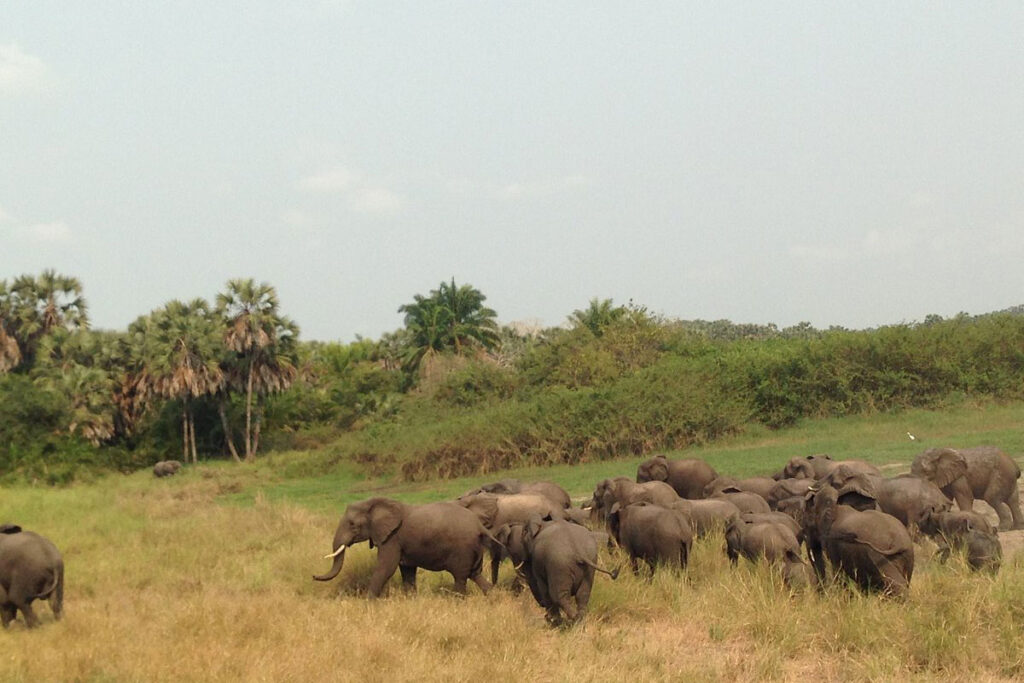
Kissama (Quiçama) National Park – Angola’s Greatest Wildlife Comeback, Coastal Savannah Wilderness, and Iconic Cuanza River Safari Destination
Kissama National Park, also known as Quiçama, stands as one of Angola’s most remarkable conservation success stories and one of Southern Africa’s most unique safari destinations. Situated just south of Luanda, this vast park offers dramatic savanna scenery, palm-dotted plains, riverine wetlands, mangrove forests, and rugged escarpments overlooking the majestic Cuanza River. After decades of conflict that nearly erased its wildlife, Kissama has made a powerful resurgence, becoming a symbol of Angola’s ecological rebirth and a must-visit destination for travelers seeking an authentic, off-the-beaten-path African wilderness experience.
Kissama is especially famous for Operation Noah’s Ark, an ambitious wildlife reintroduction program that helped restore elephants, giraffes, zebras, antelopes, and other species to the park. Today, Kissama continues to evolve as a conservation model, combining ecological recovery, scientific research, community engagement, and nature-based tourism in a landscape unmatched anywhere else in Angola.
Overview of Kissama (Quiçama) National Park
Covering more than 9,600 km², Kissama National Park is one of Angola’s largest and oldest protected areas, originally declared a game reserve in 1938 and upgraded to national park status in 1957. Despite its early protective designation, decades of civil war devastated the park’s wildlife populations, leading to one of the most dramatic declines in African conservation history. However, through strong leadership, strategic partnerships, and Operation Noah’s Ark, Kissama has transformed from a near-empty wilderness into a thriving ecosystem with steadily increasing wildlife numbers.
Today, the park is an incredible blend of ecological revival and tourism potential. Its location—just a short drive from Luanda—makes it one of the easiest safari destinations to access in West and Central Africa. Visitors can enjoy scenic game drives, boat safaris on the Cuanza River, rich birdlife, and encounters with elephants, giraffes, buffalo, antelope, and other iconic species that symbolize the park’s revival.
- Angola’s most accessible safari park
- Home to elephants, giraffes, zebras, and recovering herbivore populations
- Famous for Operation Noah’s Ark wildlife reintroductions
- Diverse ecosystems: savanna, mangroves, coastal dunes, and riverine forests
- A cornerstone of Angola’s national conservation strategy
Location and Size
Kissama National Park is located in northwestern Angola, roughly 70–100 km south of Luanda. It stretches from the Atlantic coastline to the interior savannas, bordered to the north by the wide and dramatic Cuanza River. This strategic location makes Kissama one of the few African national parks within easy reach of a major capital city—an enormous potential advantage for eco-tourism and conservation education.
Spanning approximately 9,600 square kilometers—an area comparable to many small countries—Kissama includes vast savannas, shrublands, flooded valleys, forests, sand dunes, and extensive mangrove networks. Its size and landscape variety make it an important ecological refuge for Angola’s recovering wildlife populations.
Geography and Landscapes
Kissama’s landscapes are stunningly diverse, shaped by coastal influences, seasonal river flooding, escarpments, and inland savanna systems. The park includes towering cliffs above the Cuanza River, open grasslands dotted with palms, baobab-studded woodlands, and expansive wetlands that shimmer in the afternoon light.
This blend of scenery creates exceptional habitats for wildlife. The northern section near the Cuanza River is lush and rich in water, supporting dense vegetation and wetland specialists. The central plains offer classic savanna vistas where antelope and giraffes roam, while the southern portion becomes more arid, featuring resilient shrubs, acacias, and hardy plant species adapted to harsh climates.
Climate
Kissama National Park experiences a warm tropical-to-semi-arid climate influenced by the Atlantic Ocean and the interior savannas. Temperatures remain warm year-round, typically ranging between 22°C and 32°C, though hotter days can exceed 35°C, especially inland.
Rainfall is seasonal and irregular, with most precipitation falling from November to April. During this green season, the park becomes lush and vibrant, migratory birds arrive in large numbers, and wildlife disperses across the landscape. The dry season, from May to October, is characterized by lower humidity, cooler mornings, and excellent wildlife viewing around permanent water sources such as the Cuanza River and wetlands.
- Rainy Season (Nov–Apr): Green landscapes, active birdlife, replenished wetlands.
- Dry Season (May–Oct): Best wildlife sightings and most accessible roads.
Hydrology and River Systems
Hydrology is central to Kissama’s ecological identity. The Cuanza River, one of Angola’s largest and most important waterways, forms the northern boundary of the park. This wide river, with its oxbow lakes, lush banks, and mangrove forests, provides essential habitat for hippos, crocodiles, and hundreds of waterbird species. Its floodplains supply nutrients to the surrounding savannas and sustain wildlife year-round.
Inland areas contain seasonal streams, shallow pans, and depressions that fill during the rainy season and support grazing herbivores and amphibians. Wetlands in the northern region attract migratory birds and serve as breeding grounds for fish and other aquatic life, contributing to the park’s ecological productivity.
Ecosystems and Habitats
Kissama’s remarkable biodiversity is rooted in its ecological variety. The park houses several major habitat types that shift gradually from the coast to the inland savannas, creating a mosaic of interconnected ecosystems.
- Savanna Grasslands: Expansive plains ideal for grazers such as zebra, giraffe, and red hartebeest.
- Miombo and Mopane Woodlands: Wooded habitats supporting elephants, giraffes, kudu, and small mammals.
- Riverine Forests: Dense green corridors rich in monkeys, birds, and shade-loving flora.
- Mangroves and Coastal Wetlands: Critical nurseries for fish, crustaceans, and aquatic birds.
- Coastal Dunes: Unique ecosystems shaped by Atlantic winds and sandy soils.
- Scrublands and Thornveld: Semi-arid vegetation zones favored by eland, kudu, and warthogs.
This ecosystem diversity is one of Kissama’s greatest strengths, allowing it to support a wide range of species and ecological interactions vital to long-term conservation.
Vegetation
Vegetation in Kissama includes lush riparian forests along the Cuanza River, broad-leaf woodlands, arid savanna shrubs, and unique coastal plant species. Palm trees are common along floodplains, while acacias, baobabs, and mopane trees dominate the drier inland regions. Grassy plains host seasonal flowering plants that attract pollinators, butterflies, and grazing herbivores.
Mangroves form one of the most ecologically significant vegetation types in the park, serving as fish nurseries, erosion buffers, and rich feeding grounds for birds. Baobabs provide essential food and shelter for animals and are among Angola’s most iconic plants.
Wildlife of Kissama National Park
Kissama has become internationally famous for its wildlife comeback. After suffering catastrophic losses during Angola’s conflict years, the park’s fauna is steadily recovering, thanks largely to Operation Noah’s Ark and ongoing conservation management. Today, Kissama is once again home to elephants, giraffes, antelope, zebras, and many smaller mammals, making it a vital refuge in Angola’s biodiversity landscape.
Mammals
Kissama’s mammal populations are growing every year. Although predators are still returning slowly, herbivore numbers have increased significantly, creating a foundation for long-term ecological restoration.
- African Elephant: One of Kissama’s flagship species, now thriving after reintroduction.
- Giraffe: Introduced from Namibia, forming stable herds across the savannas.
- Zebra: Common in open plains, grazing in mixed herds.
- Red Hartebeest: Particularly successful in grassland zones.
- Eland: Africa’s largest antelope, now well-established.
- Kudu, Bushbuck, & Reedbuck found near riverine woodland.
- Warthogs: Abundant across savanna and shrubland.
Predators such as hyenas, jackals, and small cats (including servals and caracals) are occasionally observed and are expected to increase naturally as prey populations continue to grow.
Birdlife
Kissama is a birdwatcher’s paradise, home to more than 300 species. Its diverse habitats—from wetlands to woodlands—create ideal conditions for both resident and migratory birds.
- Fish eagles along the Cuanza River
- Pelicans and flamingos in seasonal lagoons
- Herons, storks, ibises, and egrets in wetlands
- Bee-eaters, kingfishers, and hornbills in woodlands
- Palm-nut vultures near coastal and riverine habitats
The river mouth is one of Angola’s most important migratory bird hotspots, especially during the wet season.
Reptiles and Amphibians
Reptile diversity in Kissama includes Nile crocodiles, river turtles, agama lizards, geckos, skinks, and various snake species (mostly shy). Frogs and toads flourish during the rainy months when wetlands expand.
Insects and Invertebrates
Kissama’s ecosystems support a thriving population of butterflies, beetles, dragonflies, spiders, and pollinators. These insects play essential roles in pollination, nutrient cycling, and sustaining bird and amphibian populations.
Unique Features of Kissama National Park
- One of Africa’s greatest wildlife recovery stories
- Operation Noah’s Ark reintroduced key species after the war
- Close proximity to Luanda makes safaris extremely accessible
- Incredible Cuanza River landscapes and mangrove wetlands
- Diverse ecosystems from dunes to savannas
Cultural and Indigenous Communities
Communities surrounding Kissama maintain strong cultural and economic ties to the land. Many local families practice fishing, subsistence farming, and traditional harvesting of forest products. Conservation programs increasingly focus on integrating communities into park management, offering employment opportunities, supporting sustainable livelihoods, and promoting eco-tourism initiatives that benefit both people and wildlife.
Conservation Importance
Kissama is vital to Angola’s national conservation strategy. It preserves threatened ecosystems, protects essential wildlife populations, and serves as a model for post-conflict ecological restoration. The park’s success demonstrates the power of strategic reintroduction, habitat protection, and international cooperation.
- A stronghold for elephants and giraffes
- Critical coastal wetland and savanna refuge
- Key site for climate mitigation and biodiversity protection
- Foundation for Angola’s emerging eco-tourism sector
Threats and Challenges
- Poaching and illegal wildlife trade
- Human–wildlife conflict near park boundaries
- Illegal fishing and exploitation in riverine zones
- Uncontrolled fires and habitat degradation
- Limited funding for long-term conservation
Research and Monitoring
Scientific research in Kissama focuses on mammal population recovery, vegetation regrowth, predator return dynamics, river ecology, and habitat restoration. Partnerships with Angolan universities and international conservation bodies support monitoring programmes and help train young conservationists.
Tourism Activities
Kissama offers a wide range of low-impact tourism activities that showcase its recovering wildlife and spectacular landscapes. Its closeness to Luanda makes it ideal for weekend safaris, family adventures, educational tours, and short nature escapes.
- Guided game drives across savanna and woodland
- Boat safaris on the Cuanza River
- Birdwatching along mangroves and wetlands
- Photography tours and sunset viewpoints
- Visits to Operation Noah’s Ark historic sites
- Walking safaris in designated areas
Access and Getting There
Kissama is one of Africa’s most accessible national parks. From Luanda, visitors travel south along the coastal road to the Cuanza River Bridge—after crossing, the entrance to the park is not far. A 4×4 vehicle is recommended, especially during or after the rainy season.
- Distance from Luanda: 70–100 km
- Best vehicle: 4×4
- Access: Via official park gates with guides available onsite
Permits, Fees, and Park Rules
Visitors must pay entrance fees, follow wildlife viewing guidelines, and remain on designated routes. Boat rides, walking safaris, and specialized activities must be booked with authorized guides to ensure safety and minimize environmental impact.
Accommodation
Several safari lodges, tented camps, and recreational facilities are located within and around the park. Many accommodations overlook the Cuanza River, offering spectacular sunrise and sunset views. Most lodges provide guided activities, meals, and river cruises.
- Riverfront safari lodges
- Tented eco-camps
- Guesthouses near the park boundary
- Picnic and day-visit sites for short excursions
Best Time to Visit
- Dry Season (June–October): Best wildlife viewing conditions, easier road access.
- Wet Season (November–April): Beautiful green scenery, vibrant birdlife, excellent photography.
Why Kissama (Quiçama) National Park Is Unique
Kissama National Park is a shining example of Angola’s commitment to restoring its natural heritage. Its incredible wildlife comeback, breathtaking coastal savanna landscapes, Cuanza River vistas, and diverse ecosystems make it one of the most inspiring conservation destinations in Africa. Whether you come to witness elephants roaming free, cruise along the river, explore mangrove wetlands, or learn about Operation Noah’s Ark, Kissama offers a truly powerful and unforgettable wilderness experience.