
Kitulo National Park
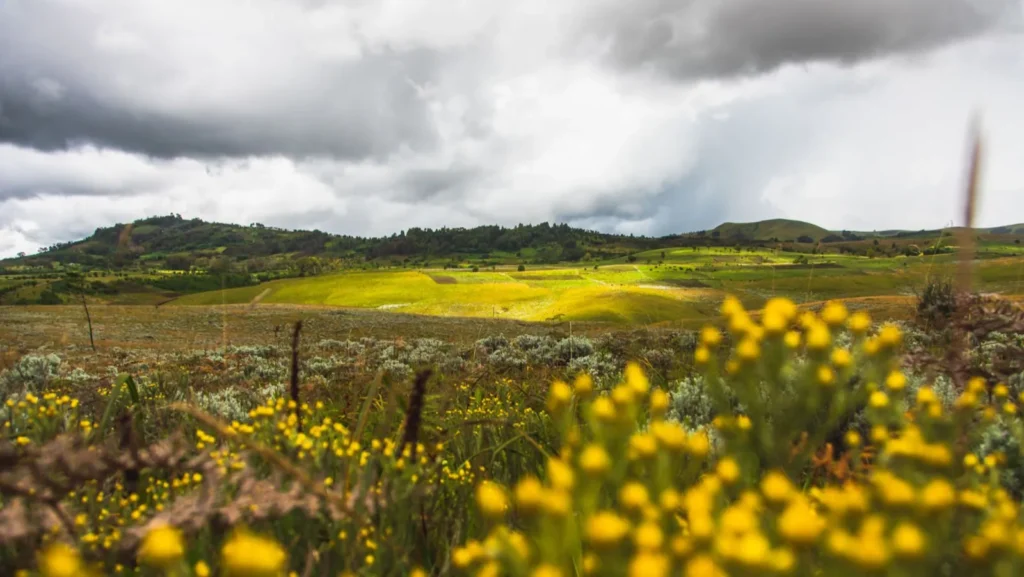
Kitulo National Park – Tanzania’s Garden of God, Alpine Meadows, Orchid Paradise, Montane Biodiversity, and One of Africa’s Most Spectacular High-Altitude Flower Sanctuaries
Kitulo National Park, famously called “The Garden of God,” is one of Africa’s most extraordinary botanical destinations—a vast, elevated plateau where volcanic soils, cool mountain winds, and seasonal rainfall combine to create breathtaking carpets of wildflowers and some of the rarest orchids in the world. Situated in southern Tanzania between the Kipengere and Poroto Mountain ranges, this 412 km² protected area stands as the first national park in tropical Africa formally established to safeguard its floral wealth. Its unspoiled montane grasslands, surreal alpine scenery, endemic flora, and globally significant birdlife make Kitulo National Park a premier destination for eco-tourism, nature photography, botanical research, and high-altitude adventure travel.
During the wet season, Kitulo transforms into one of the most spectacular natural flower displays on the African continent. More than 350 plant species—including lilies, aloes, geraniums, giant lobelias, proteas, and over 45 orchid species—burst into bloom, turning the plateau into a multicolored mosaic of blues, yellows, reds, oranges, and purples. This remarkable floral transformation has earned Kitulo comparisons to world-famous botanical hotspots like South Africa’s Namaqualand or Chile’s Atacama bloom, but Kitulo remains uniquely untouched and far less commercialized. Its peace, purity, and immense natural beauty attract botanists, hikers, birders, and travelers who seek a lesser-known wilderness filled with rare species and otherworldly landscapes.
Overview of Kitulo National Park
Established in 2005, Kitulo National Park is managed by the Tanzania National Parks Authority (TANAPA) and serves as a globally significant refuge for high-altitude flora and montane wildlife. Unlike many East African parks known for lions, elephants, and giraffes, Kitulo is celebrated for its botanical richness and ecological uniqueness, offering a refreshing alternative to traditional savanna safaris. Its creation marked a pivotal moment in African conservation by recognizing that biodiversity is not limited to large animals—plants, birds, amphibians, and alpine habitats are equally vital and deserving of full protection.
The park also protects critical watersheds that feed major rivers flowing into the Ruaha Basin, Lake Nyasa, and numerous agricultural regions across the southern highlands. Through research programs, community partnerships, and sustainable tourism initiatives, Kitulo is increasingly recognized as an important center for climate change monitoring, orchid conservation, and montane ecology.
Location and Size
Kitulo National Park occupies part of the Kitulo Plateau in the Mbeya and Njombe Regions of southern Tanzania. Positioned at elevations between 2,600 and 3,000 meters above sea level, the park lies atop one of Africa’s largest volcanic tablelands. Its location within the highlands ensures cool temperatures, dramatic views of rolling grasslands, and access to remote mountain ridges overlooking the Great Rift Valley.
Covering approximately 412 km², the park is relatively compact by Tanzanian standards but ecologically influential due to its altitude, hydrological importance, and endemic species. Surrounded by fertile valleys, rugged escarpments, and pastoral lands, Kitulo forms part of a wider ecological corridor connecting the Poroto Mountains, Livingstone Range, and Mount Rungwe Forest—creating a crucial sanctuary for wildlife movement and plant evolution.
Geography and Geology
The geography of Kitulo National Park is shaped by millions of years of volcanic activity followed by glacial sculpting and tectonic uplift. The plateau sits upon a volcanic foundation composed of basaltic and igneous rocks, which weather into nutrient-rich soils ideal for supporting large floral communities. Over time, glaciation carved valleys, basins, and ridges that now hold wetlands, marshes, and streams feeding into the Great Ruaha watershed.
The landscape features a series of rolling hills, broad grasslands, rocky escarpments, and isolated forest patches nestled among granite boulders and volcanic outcrops. These geological formations create microclimates that support a wide variety of specialized plants and small mammals uniquely adapted to cold winds and thin mountain air.
Climate
Kitulo experiences a cool, temperate climate typical of East African highlands. Because of its elevation, temperatures remain mild throughout the day but can drop dramatically at night, sometimes reaching near-freezing levels. The high-altitude climate supports vegetation more commonly found in alpine or subalpine ecosystems rather than tropical lowlands.
The climate is defined by two primary seasons:
- Rainy Season (November–April): Heavy rains nourish the plateau, triggering massive blooms of wildflowers and orchids. This is the best time for botanical exploration, photography, and birdwatching.
- Dry Season (May–October): Clear skies and crisp air dominate. The dry season offers the best hiking conditions, though the floral spectacle subsides.
The interplay of rainfall, high-altitude winds, and volcanic soils makes Kitulo one of Africa’s most floristically productive mountain ecosystems.
Hydrology and Water Systems
Kitulo National Park functions as a major hydrological reservoir for southern Tanzania. Its high-altitude wetlands, moist grasslands, and sponge-like soils act as natural water catchments, absorbing rainfall and releasing it slowly into downstream rivers and valleys. This ecological role makes the park essential for local agriculture, livestock, and community water supplies.
- Major rivers such as the Great Ruaha tributaries originate within or near the park.
- Seasonal springs and streams flow across the plateau during the rainy season, forming breeding sites for amphibians.
- Permanent wetlands support aquatic plants and migratory birds.
- Waterfalls and escarpment runoff create scenic viewpoints along the plateau’s edges.
This hydrological network not only maintains regional water security but also supports Kitulo’s exceptional biodiversity.
Ecosystems and Habitats
Kitulo National Park protects one of the most unique alpine ecosystems in East Africa—an expansive mosaic of montane grasslands, wildflower meadows, cold-adapted shrublands, rocky outcrops, and high-altitude wetlands. Each ecosystem supports a distinct assemblage of plants and animals adapted to cooler temperatures and open, windswept conditions.
- Montane grasslands covered with orchids, lilies, daisies, and bunchgrasses.
- Alpine meadows featuring herbaceous plants and low-growing, cold-tolerant flora.
- Subalpine shrublands along ridges and rocky slopes.
- Montane forest fragments sheltering birds and small mammals.
- Wetlands and marshes with sedges, rushes, and amphibians.
- Volcanic rock habitats supporting raptors and endemic plants.
These ecosystems provide essential habitat for rare birds, unique reptiles, and highly specialized flowering plants found nowhere else in Tanzania.
Vegetation
Vegetation is the defining feature of Kitulo National Park. With over 350 plant species—including dozens of endemic varieties—the park is considered one of Africa’s most botanically important high-altitude regions. Scientists often refer to the plateau as “the Serengeti of Flowers” due to its vast, colorful floral displays.
- Orchids: More than 45 species, including the rare Disa stairsii, Satyrium crassicaule, and Habenaria varieties found only in southern Tanzania.
- Aloes and succulents: Adapted to rocky cliffs and sun-exposed slopes.
- Flowering herbs: Geraniums, proteas, kniphofias, balsams, and an array of alpine blossoms.
- Endemic species: Plants uniquely evolved in the Kitulo Highlands.
The floral bloom between December and April is one of the most remarkable natural events in Africa, drawing botanists, scientists, and nature lovers from every corner of the world.
Wildlife of Kitulo National Park
Mammals
While Kitulo is not primarily known for large mammals, it supports several species uniquely adapted to the high-altitude environment. These mammals thrive in open grasslands, rocky escarpments, and cold, windy conditions.
- Mountain reedbuck – the most commonly seen antelope on the plateau.
- Common eland – occasionally sighted in the park’s open areas.
- Serval cats – hunting rodents in the grasslands.
- Forest duikers – living near wooded areas.
- Hyraxes and small mammals – adapted to cold and rocky habitats.
Although predators are few, jackals and mongooses are occasionally spotted patrolling the plateau.
Birds
Kitulo is a world-class birdwatching destination and a crucial breeding ground for rare and threatened bird species. Recognized as an Important Bird Area (IBA), the plateau supports both resident and migratory birds, many of which depend on its grasslands, wetlands, and shrublands for survival.
- Kipengere seedeater – an endemic species restricted to Tanzania’s southern highlands.
- Blue swallow – an endangered migratory species attracted to the plateau’s insect-rich meadows.
- Montane marsh widowbird – thriving in the park’s wet meadows.
- Denham’s bustard – a large and impressive ground bird frequently seen on the plains.
- Raptors including augur buzzards, kestrels, and crowned eagles.
The combination of altitude, open terrain, and abundant insect life makes Kitulo an avian paradise.
Reptiles, Amphibians, and Insects
Reptiles include agama lizards, skinks, and snakes that bask on rocks warmed by the sun. Amphibians flourish in wetlands during the rainy season, especially frogs and toads that synchronize breeding with seasonal rains.
Insects—particularly butterflies, bees, and dragonflies—play a major role in pollinating the park’s expansive floral communities, contributing to the ecological balance and supporting bird populations.
Unique Features of Kitulo National Park
- The Garden of God: One of the most spectacular wildflower displays in Africa.
- Africa’s first botanical-focused national park.
- A major orchid hotspot with globally significant species.
- High-altitude grasslands rare in East Africa.
- A birdwatcher’s sanctuary for rare alpine species.
- Breathtaking panoramic views of valleys, mountains, and the distant Rift Valley.
Cultural and Indigenous Communities
The local communities surrounding Kitulo include the Ndali, Nyakyusa, and Bena people, whose cultural heritage is deeply intertwined with the highlands. Their traditional ecological knowledge contributes to sustainable resource use and local conservation efforts. Communities utilize the land for grazing, medicinal plant harvesting, and seasonal resource gathering.
Cultural practices include:
- Traditional healing using alpine medicinal plants.
- Pastoralism and highland grazing practices aligned with natural cycles.
- Local folklore tied to mountain spirits and weather patterns.
- Community-managed conservation projects that support eco-tourism.
Conservation Importance
Kitulo National Park is one of the most important plant conservation areas in Africa. Its botanical richness, high endemism, and rare orchid species make it a priority site for global biodiversity preservation. Conservation strategies focus on protecting endemic flora, managing grazing, mitigating wildfire threats, and preventing illegal orchid harvesting.
The park also preserves crucial watersheds that supply water to agricultural communities, livestock, and downstream rivers. By protecting high-altitude ecosystems, Kitulo also helps regulate climate patterns and supports resilience against long-term environmental change.
Threats and Challenges
- Illegal orchid collection for international trade.
- Uncontrolled grazing around park borders.
- Seasonal wildfires that threaten grassland regeneration.
- Encroachment from farming expansion in surrounding areas.
Current conservation initiatives emphasize community involvement, strict protection of sensitive habitats, improved tourism management, and educational outreach to local residents.
Research and Monitoring
Kitulo is a major center for alpine ecology research, climate studies, and long-term conservation monitoring. Its scientific value continues to grow as researchers study:
- Orchid diversity and reproductive ecology.
- Impact of climate change on alpine plant communities.
- Bird migration patterns linked to seasonal flowering cycles.
- Hydrology and groundwater dynamics.
- Grassland resilience after wildfires.
Research findings help guide conservation strategies and enhance ecological understanding of East Africa’s montane systems.
Tourism Activities
- Wildflower viewing during peak bloom (December–April).
- Hiking and trekking across expansive alpine meadows.
- Birdwatching for endemic and migratory species.
- Photography of scenic landscapes, valleys, and blooms.
- Village visits for cultural immersion and local experiences.
Access and Getting There
Most visitors reach Kitulo National Park through Mbeya or Njombe. From these towns, the journey continues to Matamba village, serving as the primary entry point. While access roads are improving, a 4×4 vehicle is recommended, especially during the rainy season when roads can be slippery and challenging.
Permits and Park Rules
Park entry fees are set by TANAPA. Visitors must follow guidelines designed to protect sensitive flora and fragile high-altitude habitats.
- No picking or uprooting flowers or plants.
- No off-road driving or trampling of meadows.
- Camping only in designated zones.
- Respect local communities and cultural heritage sites.
Accommodation
Visitors can stay in:
- Guesthouses and lodges in Matamba and nearby towns.
- Community-managed eco-lodges near the park.
- Designated campsites within Kitulo for immersive nature experiences.
- Hotels in Mbeya offering comfort for travelers exploring multiple destinations.
Best Time to Visit
- December–April: Peak flower season and the best time for botanists, photographers, and birdwatchers.
- May–October: Ideal for hiking and enjoying clear mountain views.
Why Kitulo National Park Is Unique
Kitulo National Park is unlike any other protected area in East Africa. With its vast wildflower fields, dazzling orchid displays, sweeping alpine vistas, globally significant birdlife, and peaceful, untouched landscapes, Kitulo stands as a sanctuary for biodiversity and a masterpiece of natural beauty. It is Africa’s first botanical park, a refuge for rare species, and a world-class destination for anyone who seeks the serenity, color, and wonder of high-altitude nature. The Garden of God is not merely a place to visit—it is a living, blooming paradise that must be experienced to be believed.