
Lag Badana–Bushbush National Park
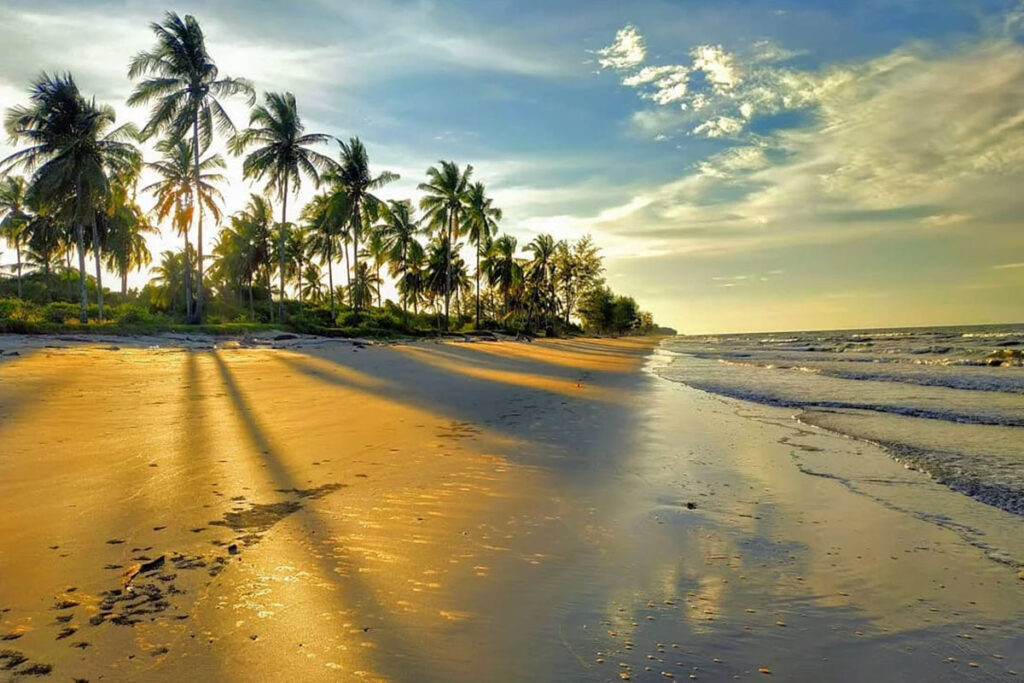
Lag Badana–Bushbush National Park – Somalia’s First National Park, Coastal Forests, Indian Ocean Mangroves, Coral Reefs, and a Biodiversity Hotspot at the Horn of Africa
Lag Badana–Bushbush National Park is one of the Horn of Africa’s most extraordinary yet least-explored protected areas—a rare blend of untouched Indian Ocean coastline, mangrove-lined estuaries, coral-rich marine waters, coastal forests, tropical savannas, and ancient sand dunes. Located in far southern Somalia, this 3,300 km² national park is the country’s first and most biologically significant protected area. It anchors the Somali portion of the East African Coastal Forest Biodiversity Hotspot, a region recognized globally for its exceptional concentration of endemic plant and animal species.
Despite decades of instability that limited research and tourism, Lag Badana–Bushbush remains one of Africa’s last truly undisturbed coastal wildernesses. The park protects more than 200 plant species, intact mangrove systems, rare antelopes such as lesser kudu, and a significant portion of Somalia’s remaining lion habitat. Its Indian Ocean shores include pristine beaches that stretch for kilometers, while coral reefs and seagrass beds offshore serve as nurseries for fish, turtles, crustaceans, and marine invertebrates. With renewed conservation interest and improved governance, Lag Badana–Bushbush is poised to become a shining example of integrated coastal–terrestrial conservation in the Horn of Africa.
Overview of Lag Badana–Bushbush National Park
Established in the 1980s, Lag Badana–Bushbush National Park was created not only to conserve wildlife but also to protect Somalia’s most unique coastal forests and marine ecosystems. It is the first national park ever designated in Somalia and remains the country’s flagship protected area. The park forms part of a massive ecological corridor that connects with Kenya’s Boni and Dodori National Reserves, creating a cross-border mosaic of forest, savanna, mangrove, and marine ecosystems critical for species survival.
The park is globally recognized for its dual significance: as an Important Bird Area (IBA) due to the presence of migratory shorebirds and forest specialists, and as part of a Lion Conservation Unit (LCU), a designation highlighting its role in safeguarding one of East Africa’s most threatened predator populations. Although security challenges have limited scientific work, available research confirms that the park is a stronghold of unique flora, coastal forest structure, and regionally important wildlife populations.
Location and Size
Lag Badana–Bushbush National Park is located in the Lower Juba region (Jubbada Hoose) of southern Somalia, stretching along the country’s southernmost coastline near Ras Kamboni, only a short distance from the Kenyan border. It spans approximately 3,300 to 3,350 km², including vast terrestrial tracts, riverine corridors, tidal wetlands, and Indian Ocean coastline.
The park’s strategic position places it within the East African Coastal Forest Belt, a globally important ecoregion stretching from southern Somalia to northern Mozambique. Its proximity to Kenya makes Lag Badana–Bushbush a critical ecological connector, especially for wide-ranging species such as lions, elephants (historically), buffalo, and migratory birds. The combination of marine and terrestrial ecosystems within a single protected area gives the park unique ecological and conservation importance.
Geography and Geology
Geographically, Lag Badana–Bushbush is a low-lying, gently undulating coastal landscape shaped by millions of years of marine deposition, dune formation, and fluvial activity. The park’s geology consists of coastal sands, limestone substrates, coral-derived soils, and ancient dune systems stabilized by coastal vegetation.
Distinct geomorphological zones include:
- Coastal plains with white sandy beaches extending for kilometers along the Indian Ocean.
- Sand dunes forming parallel ridges inland, created by wind-driven marine processes.
- Alluvial basins fed by seasonal rivers and creeks, supporting riparian forests.
- Limestone outcrops and coral-derived substrates supporting specialized coastal forest species.
- Mangrove-lined estuaries with rich organic soils and tidal channels.
This dynamic interplay of sand, rock, ocean, freshwater, and vegetation fosters a rich mosaic of ecosystems that define Lag Badana–Bushbush’s ecological character.
Climate
Lag Badana–Bushbush National Park experiences a semi-arid coastal climate influenced heavily by monsoon winds and seasonal rainfall patterns. Temperatures remain warm year-round, typically ranging between 26°C and 34°C along the coast, with humidity moderated by ocean breezes.
The climate follows four Somali seasonal cycles:
- Jilal (December–March) – the dry, hot season with minimal rainfall and strong coastal winds.
- Gu’ (April–June) – the main rainy season, transforming the landscape into lush green bushland.
- Haga (June–September) – cool and dry with persistent sea breezes, suitable for wildlife activity.
- Deyr (October–December) – the short rainy season, offering a secondary pulse of vegetation growth.
Rainfall ranges between 400 mm and 600 mm annually, concentrated primarily during the Gu’ season. The Indian Ocean moderates the region’s climate, minimizing extreme temperatures and supporting evergreen coastal vegetation rarely found in inland Somalia.
Hydrology and Coastal-Marine Systems
Water systems in Lag Badana–Bushbush are shaped by seasonal rivers, tidal estuaries, mangrove swamps, and the nearshore Indian Ocean. Freshwater, brackish, and marine environments intersect to create exceptionally productive ecological networks.
Key hydrological features include:
- Seasonal rivers and streams that bring freshwater from inland catchments to the coast.
- Mangrove ecosystems dominated by Avicennia, Rhizophora, and Ceriops species.
- Tidal estuaries serving as nurseries for marine fish, shrimp, crabs, and mollusks.
- Coral reefs offshore, creating natural breakwaters and supporting marine biodiversity.
- Seagrass meadows that stabilize sediments and provide habitat for juvenile fish and turtles.
The connection between terrestrial and marine hydrology makes the park a prime candidate for future integrated coastal–marine conservation initiatives.
Ecosystems and Habitats
Lag Badana–Bushbush is one of the most ecologically diverse protected areas along the Somali coast, housing a remarkable combination of terrestrial, freshwater, estuarine, and marine ecosystems.
Major ecosystems include:
- Coastal forests rich in endemic trees, lianas, and evergreen vegetation.
- Acacia–Commiphora bushland supporting antelopes and browsing species.
- Open wooded savannas with tall grasses and scattered trees.
- Riparian forests along rivers and freshwater channels.
- Mangrove forests supporting birds, crustaceans, and juvenile fish.
- Coastal beaches and dunes used by nesting sea turtles.
- Coral reefs and seagrass beds offshore with spectacular marine diversity.
Vegetation
Lag Badana–Bushbush National Park contains one of Somalia’s richest plant communities, with more than 200 documented vascular plant species, including around 20 believed to be endemic. Much of the park sits within the globally important East African Coastal Forest biodiversity hotspot, known for rare and endangered species.
Vegetation types include:
- Evergreen coastal forest with Terminalia, Garcinia, Ficus, and Diospyros.
- Mixed woodland with Combretum, Delonix, and baobab trees.
- Dry bushland dominated by drought-resistant shrubs and acacias.
- Mangrove communities featuring Rhizophora mucronata, Avicennia marina, and Sonneratia alba.
- Herbaceous meadows influenced by seasonal rains.
This botanical diversity provides critical habitat for birds, insects, and browsing mammals and forms the basis of the park’s ecological resilience.
Wildlife of Lag Badana–Bushbush National Park
Mammals
The park historically supported healthy populations of East African wildlife. While decades of conflict reduced numbers, important species remain and could rebound with protection.
Mammals include:
- Lesser kudu – one of Somalia’s most iconic antelopes.
- Dik-dik – thriving in bushland microhabitats.
- Buffalo – historically abundant near riverine areas.
- Caracals, civets, and genets in wooded zones.
- Lions – the park is part of a designated Lion Conservation Unit.
With structured conservation, many extirpated large species—including giraffes, zebras, and potentially elephants—could someday return through natural dispersal or reintroduction.
Birds
Lag Badana–Bushbush is one of the best coastal bird habitats in the Horn of Africa and is formally classified as an Important Bird Area. The diversity stems from the park’s mixture of coastal forest, estuaries, mudflats, and savannas.
Notable bird groups include:
- Shorebirds such as sandpipers, terns, and plovers.
- Forest specialists including hornbills, turacos, barbets, and greenbuls.
- Raptors including fish eagles, kites, and falcons.
- Waterbirds associated with mangroves, such as herons and kingfishers.
- Palearctic migrants that winter along Somalia’s Indian Ocean coastline.
Reptiles, Amphibians, and Insects
Reptile diversity includes geckos, skinks, monitors, pythons, and non-venomous colubrids. Offshore beaches may serve as nesting grounds for green turtles and hawksbill turtles, both globally threatened species.
Amphibians occur mainly around freshwater channels and temporary pools formed during rainy seasons, while insects—bees, butterflies, beetles, ants, dragonflies—play essential roles in pollination and nutrient cycling across the park.
Unique Features of Lag Badana–Bushbush National Park
- Somalia’s first national park and a cornerstone of national conservation.
- A rare combination of coastal forest, bushland, mangroves, and coral reefs within one protected area.
- High botanical endemism within the East African Coastal Forest hotspot.
- Important Bird Area with globally significant bird populations.
- Lion Conservation Unit status due to its role in regional predator ecology.
- Pristine beaches and undisturbed Indian Ocean coastline stretching for kilometers.
Cultural and Indigenous Communities
The park is surrounded by Somali pastoral and fishing communities who have deep cultural ties to the landscape. Traditionally, these communities practiced sustainable forms of fishing, forest product collection, and livestock grazing tied to seasonal patterns.
Cultural activities include:
- Traditional dhow fishing along the Indian Ocean.
- Handmade canoe and raft construction.
- Use of mangrove poles for coastal architecture.
- Traditional knowledge of medicinal plants.
Future conservation and tourism will depend on empowering these communities through sustainable livelihoods, eco-tourism partnerships, and community-led monitoring.
Conservation Importance
Lag Badana–Bushbush is one of the last strongholds of Somalia’s coastal biodiversity. Its conservation value includes:
- Protection of coastal forests and endemic plant species.
- Safeguarding lion habitat in the Horn of Africa.
- Conserving mangroves crucial to Somali fisheries.
- Maintaining coral reef ecosystems with regional importance.
- Preserving wildlife movement corridors into Kenya.
The park’s large size and diverse ecosystems make it foundational to Somalia’s long-term conservation and climate resilience strategy.
Threats and Challenges
The park faces several threats that require urgent attention:
- Deforestation for charcoal and fuelwood.
- Overharvesting of mangroves.
- Poaching and uncontrolled bushmeat hunting.
- Unregulated livestock grazing.
- Coastal overfishing and destructive fishing practices.
- Past instability leading to limited conservation capacity.
Research and Monitoring
Although limited, existing research identifies Lag Badana–Bushbush as an ecological treasure. Future research priorities include:
- Comprehensive botanical surveys of coastal forest flora.
- Ecological assessment of coral reefs and seagrass beds.
- Population surveys of antelopes, lions, and small carnivores.
- Monitoring of migratory bird routes.
- Community-led conservation research integrating traditional knowledge.
Tourism Activities and Potential
Current tourism is extremely limited due to security constraints, but the park has immense long-term potential once stability and infrastructure improve.
Future tourism opportunities could include:
- Eco-lodge development along pristine beaches.
- Birdwatching tours in coastal forests and mangroves.
- Marine tourism—snorkeling, diving, and boat excursions.
- Cultural tourism with local coastal communities.
- Guided wildlife and botanical walks.
Access and Getting There
The closest major town is Kismayo, with access possible via coastal routes heading south toward Ras Kamboni. In the future, improved infrastructure and security will make the park far more accessible for eco-tourists and researchers.
Permits, Fees, and Park Rules
Formal permit systems are still developing, but future management will likely include:
- Park entry fees to support conservation.
- Research permits for scientific work.
- Fishing regulations to protect marine ecosystems.
- Restrictions on logging, grazing, and resource extraction.
Accommodation
At present, accommodation is minimal within the park boundaries, though community lodges, beach camps, and eco-resorts have strong future potential. Nearby towns could support visitors once tourism infrastructure expands.
Best Time to Visit
- December–March (Jilal): Dry, sunny, excellent for beaches and birdwatching.
- June–September (Haga): Cool, breezy, ideal for hiking and nature walks.
- April–June (Gu’): Lush vegetation after rains—great for botanical exploration.
Why Lag Badana–Bushbush National Park Is Unique
Lag Badana–Bushbush National Park is Somalia’s ecological crown jewel—a rare fusion of Indian Ocean marine life, coastal forests, mangrove ecosystems, coral reefs, and vast savannas. It is one of the few places in East Africa where such diverse habitats exist safely within a single protected area. The park’s isolation has preserved ecosystems found nowhere else in the region, making it a vital sanctuary for wildlife, endemic plants, migratory birds, and marine species.
As Somalia’s first national park and a cornerstone of future conservation and eco-tourism efforts, Lag Badana–Bushbush has immense scientific, ecological, and cultural significance. With appropriate protection and investment, it could become one of Africa’s great undiscovered coastal wilderness destinations—an irreplaceable treasure at the Horn of Africa.