
Kundelungu National Park
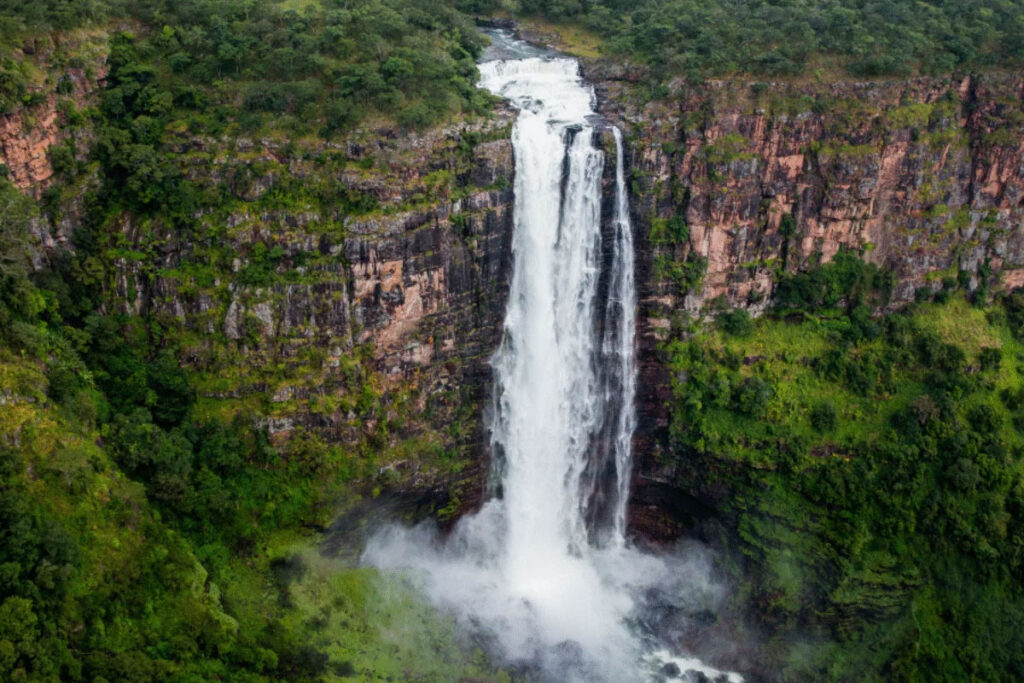
Kundelungu National Park – DR Congo’s Hidden Plateau Wilderness of Lofoi Waterfall, Miombo Woodlands, Scenic Escarpments, and Untouched Savanna Landscapes
Kundelungu National Park, located in southeastern Democratic Republic of Congo, is one of Central Africa’s most dramatic yet least-explored protected areas. This spectacular plateau wilderness is celebrated for its vast open grasslands, ancient miombo woodlands, rugged escarpments, deep valleys, and towering waterfalls—most notably the iconic Lofoi Waterfall, one of Africa’s highest single-drop falls.
Created in 1970 and later expanded to protect over 7,600 km² of pristine habitat, Kundelungu offers an unforgettable blend of breathtaking scenery, geological wonders, rare wildlife, and an off-the-beaten-path safari atmosphere rarely found in modern Africa. For adventurers, photographers, conservationists, and travelers seeking raw natural beauty away from commercial tourism, Kundelungu National Park remains a true hidden gem in DR Congo.
Overview of Kundelungu National Park
Kundelungu National Park is a flagship protected area in Haut-Katanga Province and an essential part of the southern African miombo ecosystem. The park’s expansive high plateaus form a unique ecological bridge between the Congo Basin and the savanna systems of Zambia and Angola. Its habitats include montane grasslands, woodlands, wetlands, rocky escarpments, and river valleys—supporting a surprisingly diverse range of plant and animal species adapted to these high-altitude environments.
The park’s remote character provides a strong sense of wilderness: there are no crowds, no commercial lodges dominating the landscape, and no heavy infrastructure to disturb the silence. Kundelungu is ideal for travelers who value solitude, nature immersion, and authentic, unexplored African landscapes. Conservationists consider this park a biodiversity stronghold, especially as miombo woodlands face increasing threats across southern Africa.
Location and Size
Kundelungu National Park is situated northeast of Lubumbashi, the capital of Haut-Katanga Province and the gateway city for most visitors. The park is close to the Zambian border, forming part of a broader ecological network that includes Upemba National Park and several important watersheds.
Covering approximately 7,600 km², Kundelungu ranks among DR Congo’s larger national parks. Its elevated plateau sits between 1,100 and 1,650 meters above sea level, creating a cooler and more temperate climate than much of the surrounding region. The high altitude also shapes the park’s sweeping vistas—visitors can see expansive rolling grasslands that stretch unbroken to the horizon.
Geography and Landscapes
Kundelungu’s geography is defined by open plateaus, deep erosion valleys, granite outcrops, and dramatic escarpments carved by ancient rivers. These geological formations create a rugged wilderness that is visually striking and ecologically rich. The landscape’s contrasts—flat grassy plains abruptly dropping into rocky gorges—give the park one of the most photogenic topographies in DR Congo.
The most celebrated feature is the Lofoi Waterfall, considered one of the tallest continuous drops in Africa. Standing at approximately 340 meters, it plunges from the plateau into a deep, forested ravine. During the rainy season, the falls surge with enormous power, creating mist clouds and rainbows; during the dry season, the fall is thinner but still striking. Other notable waterfalls include the Masansa and Lutshipuka falls, offering additional scenic attractions for hikers and photographers.
Climate
Kundelungu National Park experiences a subtropical highland climate influenced by both latitude and elevation. Days tend to be warm, nights cool, and temperatures are generally comfortable throughout the year—an appealing climate for hiking and outdoor exploration.
- Rainy Season (November–April): Abundant rainfall transforms the landscape into lush green plains; waterfalls are at their most powerful.
- Dry Season (May–October): Ideal for trekking and wildlife viewing as visibility improves and road access becomes easier.
Because of its elevation, Kundelungu remains cooler than surrounding lowland areas, making it a refreshing highland retreat during the dry months.
Hydrology and River Systems
Water defines many of Kundelungu’s most dramatic natural attractions. Several rivers pass through or originate in the park, carving deep ravines and feeding the region’s spectacular waterfalls. These waterways support wildlife, nourish plants, and create microhabitats essential for amphibians, birds, and aquatic species.
- Lofoi River: Home to Lofoi Waterfall, the park’s signature landmark.
- Lufira River: A major regional river flowing into neighboring Upemba wetlands.
- Masansa and Lutshipuka Rivers: Known for smaller waterfalls and natural swimming pools.
- Seasonal Streams: Create temporary wetlands that support frogs, insects, and migrating birds.
Visitors can enjoy panoramic viewpoints overlooking gorge systems, river valleys, and cascading waterfalls—ideal locations for photography and nature observation.
Ecosystems and Habitats
Kundelungu National Park protects a variety of ecosystems shaped by altitude, climate, and geological history. The combination of miombo woodland, grassland, and riparian forest offers habitats for a rich diversity of fauna and flora.
- Miombo Woodlands: The dominant ecosystem, characterized by Brachystegia and Julbernardia trees supporting diverse birds, insects, and mammals.
- Montane Grasslands: Open, high-altitude plains ideal for grazers and numerous bird species.
- Riparian Forest: Moist, lush vegetation flourishing along streams and waterfall basins.
- Escarpment Cliffs: Vertical habitats for raptors, hyraxes, and cliff-adapted plants.
- Savanna Bushland: Transitional areas offering important browsing habitat for antelope.
This ecological mosaic makes Kundelungu an important refuge for wildlife species typical of southern African plateau systems.
Vegetation
The vegetation of Kundelungu is dominated by the miombo biome, an ecosystem of light, open woodlands found across southern Africa. These woodlands are known for their incredible biodiversity, especially in insect and bird species.
Plant life across the park includes:
- Miombo Trees: Brachystegia, Isoberlinia, and Julbernardia species forming the park’s signature woodlands.
- Montane Grasses: Tall grasses adapted to high-altitude plateaus, vital for grazing herbivores.
- Riparian Vegetation: Ferns, palms, fig trees, and moisture-loving plants near rivers.
- Cliff Vegetation: Succulents and hardy shrubs adapted to rocky escarpments.
The park’s plant diversity creates seasonal spectacles—miombo woodlands turn golden during the dry season and burst into green after the rains, while grasses sway across the plains, creating a mesmerizing highland panorama.
Wildlife of Kundelungu National Park
Although Kundelungu is not as wildlife-dense as savanna parks like Serengeti or Kruger, it supports a rich variety of mammals, birds, reptiles, amphibians, and insects. Efforts to restore species populations are ongoing, and wildlife viewing can be rewarding in open plains and woodland clearings.
Mammals
Kundelungu hosts several large and small mammals typical of the southern African plateau, including:
- Defassa Waterbuck
- Warthogs
- Hippos in major rivers
- Roan Antelope
- Hartebeest
- Buffalo (recovering populations)
- Blue and Red Duikers
- Baboons and Vervet Monkeys
Carnivores such as leopards and servals are present but elusive. Historically, lions and zebras roamed the park, and restoration programs may one day reintroduce these iconic species.
Birds
Birdwatchers consider Kundelungu a paradise thanks to its mix of woodland, grassland, and riparian birds. The open skies and cliffs also attract powerful raptors.
- Secretary Birds
- Martial Eagles and other raptors
- Miombo woodland specialists like the Shelley’s sunbird and miombo rock thrush
- Waterbirds including herons, storks, and kingfishers
Reptiles and Amphibians
- Monitor lizards
- Agamas and geckos
- Snakes (various species)
- Frogs and toads in wetlands
Insects and Invertebrates
- Colorful butterfly species
- Dragonflies near water sources
- Termite mounds that shape savanna habitats
Unique Features of Kundelungu National Park
- Lofoi Waterfall – one of the tallest single-drop waterfalls in Africa.
- Untouched miombo woodlands rarely found in such pristine condition.
- High plateau landscapes offering panoramic views rarely seen in DR Congo.
- Scenic hiking routes through remote savanna and escarpments.
- Exclusive wilderness experience with almost no tourism pressure.
Cultural and Indigenous Communities
The areas surrounding Kundelungu are predominantly inhabited by Luba and other Katangan ethnic groups. These communities maintain traditional agricultural practices, fishing methods, and cultural rituals deeply connected to nature. Their knowledge of local plants, wildlife behavior, and seasonal cycles is invaluable for conservation and eco-tourism development.
Visitors may experience village walks, traditional dances, local cuisine, and storytelling. Responsible tourism helps support sustainable livelihoods and fosters community involvement in protecting the national park.
Conservation Importance
Kundelungu National Park is essential for protecting:
- Miombo woodlands, one of Africa’s most threatened ecosystems.
- High plateau grasslands that support specialized wildlife.
- Escarpment and waterfall ecosystems critical for amphibians and plants.
- River systems feeding the Lufira Basin.
The park’s conservation value extends beyond biodiversity—it plays a vital role in watershed protection and climate regulation for southeastern DR Congo.
Threats and Conservation Challenges
- Poaching targeting antelope, buffalo, and smaller mammals.
- Wildfires during the dry season, sometimes human-induced.
- Illegal grazing by livestock moving into plateau areas.
- Limited tourism revenue slowing conservation investment.
Park authorities, conservation NGOs, and local communities are working together to strengthen anti-poaching patrols, promote sustainable land use, and restore degraded habitats.
Research and Monitoring Programs
Scientific research in Kundelungu focuses on:
- Miombo woodland dynamics and regeneration
- Waterfall ecosystems and hydrological studies
- Bird and raptor monitoring
- Mammal population surveys and recovery strategies
These research programs help guide park management plans and contribute to regional conservation science across southern Africa.
Tourism Activities in Kundelungu National Park
- Waterfall Trekking: Visiting Lofoi, Masansa, and Lutshipuka falls.
- Game Drives: Exploring plateau grasslands for antelope, monkeys, and birdlife.
- Walking Safaris: Guided hikes through woodland and escarpment terrain.
- Birdwatching: Exceptional opportunities to spot miombo specialists and raptors.
- Landscape Photography: Panoramic views, cliffs, and dramatic waterfalls.
- Cultural Encounters: Learning from local Katangan communities.
Because tourism is still in early development, every experience feels private, exclusive, and deeply immersive.
Access and How to Get There
- By Road: Approximately 3–5 hours from Lubumbashi, depending on conditions.
- By 4×4 Vehicle: Essential for reaching remote sectors and waterfall trails.
- By Air: Charter flights available to nearby airstrips for researchers or groups.
Most travelers arrange visits through Lubumbashi-based tour companies to ensure proper vehicles, guides, and navigation support.
Permits, Fees, and Park Rules
- Visitors must pay park entry fees at authorized gates.
- Guides or rangers are required for trekking, waterfall hikes, and wildlife activities.
- Respect safe distances when observing wildlife.
- No littering, off-trail driving, or damaging vegetation.
- Fires and smoking are prohibited due to wildfire risks.
Accommodation in and Around the Park
- Basic Campsites: Available inside the park for adventurous travelers.
- Community-Managed Camps: Simple facilities emerging near villages.
- Hotels & Lodges in Lubumbashi: Most visitors base themselves here for day trips.
As infrastructure improves, eco-lodges and designated campsites are expected to expand, increasing the park’s tourism potential.
Best Time to Visit Kundelungu National Park
- June–September: Best for wildlife viewing, dry hiking routes, and photography.
- November–April: Ideal for waterfall viewing when flows are strongest.
Travelers seeking trekking adventures and clear views should target the dry months, while waterfall enthusiasts may prefer the rainy season.
Why Kundelungu National Park Is Unique
- Home to one of Africa’s tallest single-drop waterfalls—Lofoi Falls.
- A pristine showcase of southern Congo’s miombo and plateau ecosystems.
- Virtually untouched by mass tourism, offering true wilderness solitude.
- Important conservation area supporting rare birds, mammals, and plants.
- Spectacular trekking routes and panoramic views found nowhere else in DR Congo.
For travelers seeking dramatic landscapes, raw wilderness, and authentic adventure, Kundelungu National Park is an unforgettable destination. Its secluded plateaus, thundering waterfalls, and quiet woodlands make it one of DR Congo’s most extraordinary natural settings—an emerging paradise for eco-tourists, nature lovers, and explorers looking for Africa’s hidden wonders.