
Laikipia Plateau
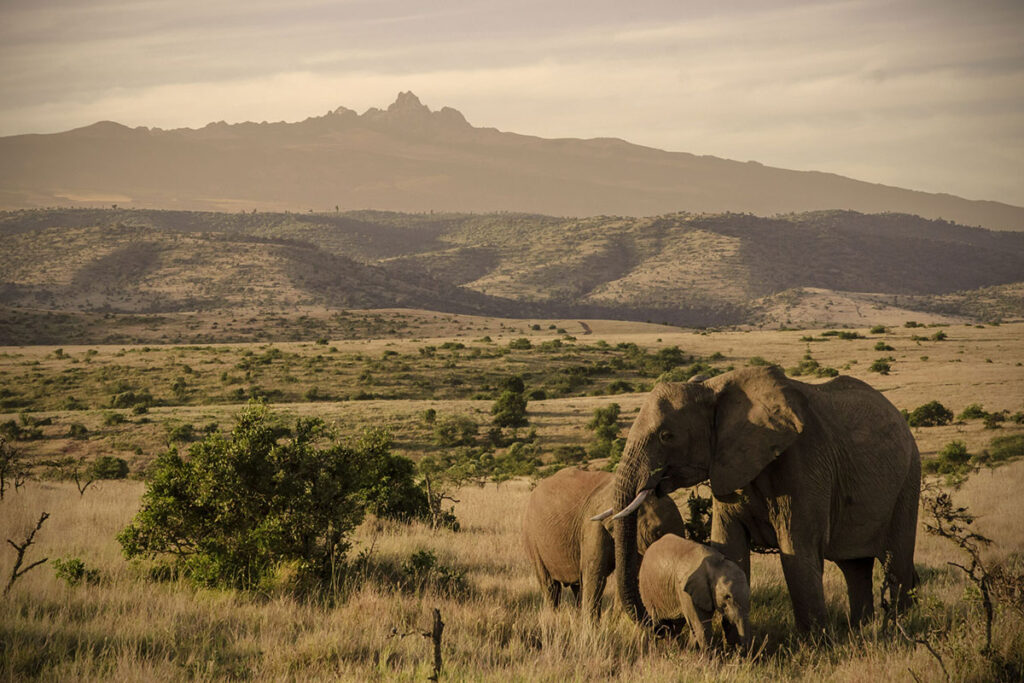
Laikipia Plateau – Kenya’s Premier Wilderness Stronghold of Black Rhinos, Community Conservancies, Big Five Safaris, and African Wild Dog Recovery
The Laikipia Plateau in central Kenya stands as one of Africa’s greatest modern conservation success stories—a vast mosaic of private conservancies, community-owned lands, wildlife sanctuaries, and cattle ranches that together form one of the most thriving, biodiverse landscapes in East Africa. This magnificent plateau is renowned for its world-leading black rhino conservation, high densities of endangered species such as Grevy’s zebra and African wild dogs, and spectacular Big Five wildlife viewing in an uncrowded, exclusive setting far from mass tourism.
Stretching between the snow-capped peaks of Mount Kenya and the rugged deserts of Samburu, Laikipia blends dramatic scenery, rich cultural heritage, abundant wildlife, and luxury safari experiences into one of Kenya’s most rewarding destinations. Its success is built on partnership—between Indigenous pastoralist communities, private landowners, and conservation organizations—making it a living model for how wildlife and people can coexist sustainably. This full, expanded guide provides a complete look at the Laikipia Plateau’s ecosystems, wildlife, communities, research centers, tourism offerings, and conservation value.
Overview of the Laikipia Plateau
Covering more than 9,500 km², the Laikipia Plateau is one of Kenya’s largest and most ecologically significant wildlife landscapes. Unlike traditional national parks, Laikipia’s conservancies combine wildlife tourism, livestock ranching, community land stewardship, and habitat restoration in a shared conservation economy. This unique land-use model has made Laikipia a refuge for more endangered species than any other region in Kenya, including black rhinos, Grevy’s zebras, reticulated giraffes, and African wild dogs.
Laikipia’s wildlife densities rival or exceed those found in major national parks, yet safari experiences here remain intimate, exclusive, and deeply connected to local communities. Its network of conservancies—including Lewa, Ol Pejeta, Loisaba, Borana, Mpala, Ol Jogi, and Il Ngwesi—are globally recognized for pioneering anti-poaching strategies, community partnership programs, and wildlife-livestock coexistence models that have transformed the region into a haven for both people and wildlife.
Location and Size
The Laikipia Plateau lies in central Kenya, bordered by Mount Kenya to the east, the Aberdare Range to the south, Samburu and Isiolo regions to the north, and the Great Rift Valley escarpment to the west. This strategic location places Laikipia at a critical ecological crossroads, linking highland forests, semi-arid savannas, and river valleys that together support extraordinary biodiversity.
Spanning approximately 9,500 km²—larger than some entire countries—Laikipia encompasses a patchwork of habitats across private conservancies, group ranches, community-owned territories, and protected sanctuaries. This vast landscape enables migratory species such as elephants and wild dogs to move freely between conservancies, maintaining ecological balance and genetic diversity.
Geography and Landscapes
The Laikipia Plateau boasts dramatic and varied landscapes that shift from grassy plains to volcanic hills, acacia-dotted savannas, riverine forests, and rugged escarpments sculpted over millions of years. Its elevated position (1,500–2,600 meters above sea level) results in cool climates, crisp air, and clear visibility—ideal conditions for wildlife viewing and photography.
Key geographic features include:
- The Ewaso Ng’iro River: A crucial waterway flowing from Mount Kenya through the northern conservancies, attracting elephants, hippos, and predators.
- The Lolldaiga Hills: Ancient granite outcrops offering panoramic views and habitat for leopards and klipspringers.
- Open Grassland Plains: Found across Loisaba, Ol Pejeta, and Lewa, supporting herds of zebras, oryx, and antelope.
- Mount Kenya Slopes: Fertile forests and high-altitude pastures that feed rivers flowing into Laikipia.
Each conservancy showcases its own unique scenery—from dramatic escarpments to lush river valleys—offering travelers diverse safari experiences within one region.
Climate
Laikipia enjoys a consistently pleasant, semi-arid climate with moderate temperatures year-round due to its altitude. Days are warm, nights are cool, and mornings are crisp—ideal for safari activities. The region receives rainfall from two seasonal patterns, which influence vegetation growth and wildlife behavior.
- Long Rains (March–May): Bring fresh vegetation, newborn wildlife, and dramatic green scenery.
- Short Rains (October–December): Revitalize grasslands and attract browsing herbivores.
- Dry Seasons (January–March & June–September): Peak wildlife viewing as animals gather near rivers and waterholes.
Because wildlife is present throughout the year and conservancies manage water sources strategically, Laikipia is considered a reliable year-round safari destination.
Hydrology and Water Systems
Although Laikipia is semi-arid, it benefits from several permanent and seasonal water systems that sustain both wildlife and local communities. These hydrological resources are central to the region’s ecological resilience.
- Ewaso Ng’iro River: The lifeline of northern Laikipia, supporting riverine forests and wildlife corridors.
- Ngare Ndare Springs: Crystal-clear blue pools feeding Lewa Wildlife Conservancy and surrounding ecosystems.
- Seasonal Rivers: Including the Nanyuki, Timau, and Ewaso Narok rivers.
- Man-made Dams & Waterholes: Carefully maintained to reduce human–wildlife conflict and support drought resilience.
These water systems also support farming, pastoralism, and community water projects, reinforcing the interconnectedness between people and nature on the Laikipia Plateau.
Ecosystems and Habitats
Laikipia’s mosaic of ecosystems supports an extraordinary diversity of flora and fauna. The landscape transitions between savanna, bushland, forests, wetlands, and high-altitude plateaus, creating ideal conditions for varied wildlife populations.
- Acacia Savanna: Dominant habitat featuring umbrella acacias and prime grazing zones.
- Bushland and Scrub: Essential for browsing species such as black rhinos and giraffes.
- Montane Forests: Found near Mount Kenya’s foothills, home to colobus monkeys and forest birds.
- Open Grasslands: Support cheetahs, hartebeest, elands, and large herbivore herds.
- Riparian Forests: Provide cool shade and water-rich ecosystems along the Ewaso Ng’iro.
- Rock Outcrops and Hills: Habitat for baboons, hyraxes, and leopards.
This ecological richness ensures that every conservancy within Laikipia offers a unique wildlife viewing experience.
Vegetation
Laikipia’s vegetation reflects its semi-arid climate and varied elevations. From drought-resistant shrubs to lush riverine foliage, its plant life supports a vast herbivore population and, consequently, a strong predator presence.
- Whistling Thorn Acacia: A keystone species providing browsing material for giraffes and antelopes.
- Olive Trees and Fig Trees: Common in highland zones and riverbanks.
- Red Oat Grass: A preferred grazing species for zebras and wildebeest.
- Montane Flora: Including bamboo belts and cedar patches near Mount Kenya.
The vegetation also plays a crucial role in soil conservation, water retention, and ecosystem stability in this pastoral–wildlife landscape.
Wildlife of the Laikipia Plateau
Laikipia hosts one of Africa’s highest wildlife densities outside a national park system. Its commitment to conservation has enabled endangered species to thrive alongside the Big Five. Many conservancies are fenced, well-protected, and actively monitored, ensuring stable populations and excellent game viewing.
Mammals
Laikipia’s mammal diversity is exceptional, supported by a mix of savanna, bushland, and woodland habitats.
- Black Rhinos: Laikipia holds one of Africa’s largest black rhino populations.
- White Rhinos: Including the last two northern white rhinos in Ol Pejeta.
- Elephants: Frequent seasonal movements across conservancies.
- Lions: Robust populations thriving under strong management.
- Leopards: Regularly sighted on rocky hills and riverine forests.
- Cheetahs: Common in open grasslands and lightly wooded plains.
- African Wild Dogs: One of Kenya’s best regions to see large packs.
- Grevy’s Zebras: The world’s largest remaining population lives here.
- Reticulated Giraffes: A stunning northern species thriving in Laikipia.
- Jackson’s Hartebeest, Oryx, Eland, Impala: Numerous herbivore species across plains.
Night drives reveal nocturnal species such as aardwolves, porcupines, servals, civets, and striped hyenas.
Birds
With over 480 recorded bird species, Laikipia is a top birdwatching region in Kenya. Its variety of habitats attracts both highland and lowland birds.
- Martial eagles, tawny eagles, and bateleurs.
- Vultures including Rüppell’s, lappet-faced, and white-backed.
- Lilac-breasted rollers, bee-eaters, and hornbills.
- Kingfishers and herons along rivers.
- Rare woodland and montane species near forested areas.
Reptiles and Amphibians
- Leopard tortoises and rock pythons.
- Monitor lizards in river areas.
- Tree frogs, toads, and various wetland amphibians.
Insects and Invertebrates
- Butterflies in forest glades.
- Termite mounds dominating savanna landscapes.
- Dragonflies around rivers and springs.
Unique Features of the Laikipia Plateau
- Most important stronghold for black rhinos in East Africa.
- Home to the last northern white rhinos on Earth.
- Premier destination for African wild dog sightings.
- High densities of Grevy’s zebras and reticulated giraffes.
- Luxury, low-impact conservancies offering exclusive safaris.
- World-leading community conservation partnerships.
Cultural and Indigenous Communities
Laikipia is home to several Indigenous pastoralist communities including the Maasai, Samburu, Borana, Pokot, and Turkana. These groups have retained strong cultural identities centered around livestock herding, traditional ceremonies, beadwork, music, and nomadic heritage.
Community-run conservancies such as Il Ngwesi, Lekurruki, and Naibunga form the backbone of Laikipia’s community-driven conservation, allowing local people to benefit from tourism revenue, education opportunities, and natural resource management programs. Visitors can engage in cultural tours, learn about traditional herbal medicine, participate in cattle-herding walks, and experience authentic cultural performances.
Conservation Importance
The Laikipia Plateau is one of Africa’s most important conservation landscapes. Its innovative conservancy system has achieved extraordinary success in protecting endangered species while supporting local livelihoods.
- Stronghold for black rhinos and Grevy’s zebras.
- Critical habitat for African wild dogs and other predators.
- Vital migratory pathways for elephants between Samburu and Mount Kenya.
- Regenerative grazing models integrating wildlife with livestock.
- Habitat connectivity between northern Kenya and central highlands.
Laikipia’s collaborative conservation model is globally recognized and often studied as a blueprint for African wildlife management.
Threats and Challenges
- Climate change reducing water availability in dry years.
- Human–wildlife conflict involving elephants and livestock predators.
- Encroachment and overgrazing on community lands.
- Poaching threats, though reduced significantly by conservancy patrols.
- Land-use pressures from agricultural expansion.
Research and Monitoring Programs
Laikipia hosts several world-class research institutions, including the Mpala Research Centre, Lewa Research Unit, and Ol Pejeta conservation labs. These institutions partner with top universities worldwide to conduct critical studies on:
- Elephant movement and corridor mapping.
- Rhino population genetics and anti-poaching strategies.
- Predator–livestock coexistence models.
- Grassland restoration, fire ecology, and grazing impact.
- Human–wildlife conflict mitigation through technology and planning.
Tourism Activities on the Laikipia Plateau
- Day & Night Game Drives: Exclusive access with low vehicle density.
- Guided Walking Safaris: Track wildlife on foot with expert rangers.
- Horseback Safaris: Unique to Laikipia, allowing close wildlife encounters.
- Camel Treks: Traditional expeditions led by Samburu guides.
- Rhino Tracking: Close-up encounters in Ol Pejeta and Lewa.
- Cultural Visits: Maasai and Samburu homestead experiences.
- Mountain Biking: Adventure trails across the conservancies.
- Fly Camping: Overnight bush experiences under the stars.
Access and How to Get There
- By Air: Daily scheduled flights from Nairobi to Nanyuki, Lewa, Loisaba, and other conservancy airstrips.
- By Road: 4–6 hour drive from Nairobi depending on destination.
- By Helicopter: Scenic transfers and aerial photography experiences.
Permits, Fees, and Park Rules
- Each conservancy charges its own entry and conservation fees.
- Night drives allowed only in designated conservancies.
- Walking safaris require trained guides and advance booking.
- No off-road driving unless authorized by conservancy rules.
- Strict anti-poaching regulations enforced across all conservancies.
Accommodation on the Laikipia Plateau
Laikipia is known for its luxurious and innovative accommodation offerings. Many conservancies feature high-end lodges, eco-conscious camps, and exclusive-use villas that combine comfort with conservation impact.
- Luxury Lodges: Segera Retreat, Ol Jogi, Solio Lodge, Loisaba Tented Camp.
- Midrange Camps: Lewa Safari Camp, Sweetwaters Serena Camp.
- Community Lodges: Il Ngwesi Lodge and Tassia Lodge.
- Fly Camps & Mobile Safaris: For adventurous wilderness explorers.
Best Time to Visit the Laikipia Plateau
- June–October: Dry season, best wildlife sightings and walking safaris.
- January–March: Excellent photography and clear weather.
- November–December: Beautiful green landscapes after short rains.
- April–May: Low season with fewer tourists but lush scenery.
Why the Laikipia Plateau Is Unique
- A world-leading conservation landscape protecting endangered species.
- Home to the last northern white rhinos.
- High densities of African wild dogs and Grevy’s zebras.
- Exclusive, low-impact tourism across private and community conservancies.
- Strong cultural identity rooted in Maasai, Samburu, Borana, and Pokot traditions.
- A living model for wildlife–livestock coexistence in Africa.
For travelers seeking an authentic, conservation-driven, and deeply enriching safari experience, the Laikipia Plateau stands as one of Africa’s true wilderness gems. Its blend of rare wildlife, breathtaking landscapes, pioneering conservancies, and rich cultural heritage makes it one of Kenya’s most rewarding destinations—perfect for photographers, wildlife lovers, luxury safari enthusiasts, and travelers searching for meaningful, sustainable adventures.