
Lake Malawi National Park
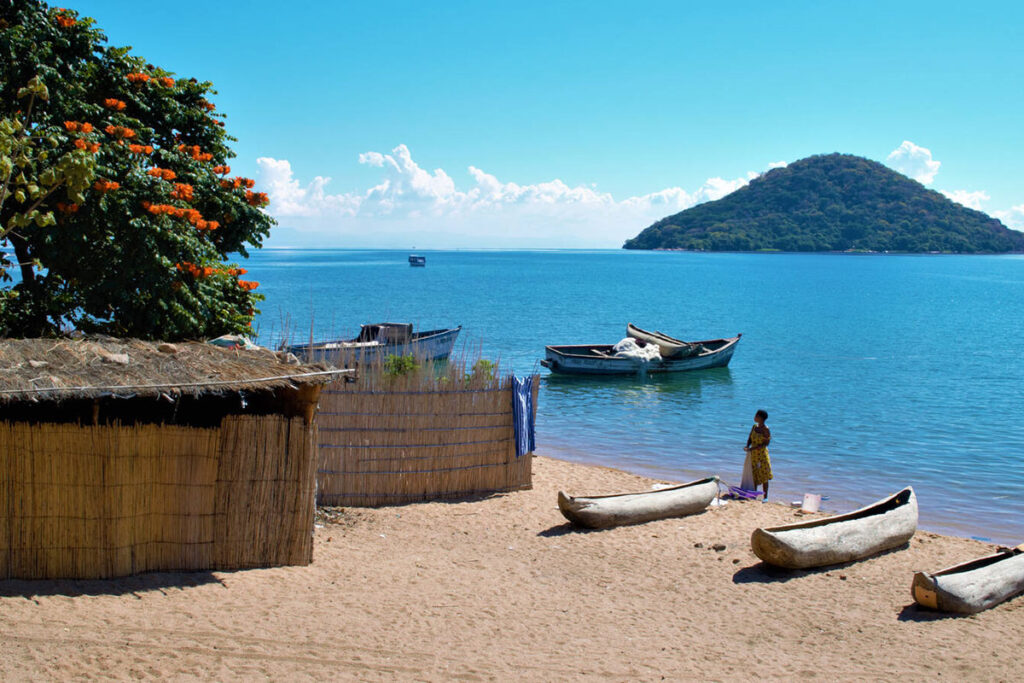
Lake Malawi National Park – Malawi’s UNESCO World Heritage Freshwater Paradise of Cichlid Diversity, Golden Beaches, Island Ecosystems, and Rift Valley Wonders
Lake Malawi National Park is one of Africa’s most spectacular freshwater sanctuaries—a breathtaking fusion of dazzling blue waters, pristine beaches, granite islands, forested hills, and unrivaled aquatic biodiversity. Located at the southern end of Lake Malawi, the third-largest lake in Africa, this UNESCO World Heritage Site protects a globally unparalleled concentration of freshwater fish species, including more than one thousand types of colorful cichlids found almost nowhere else on Earth. This extraordinary diversity, combined with serene tropical scenery, rich birdlife, and an unmatched underwater world, makes Lake Malawi National Park one of the continent’s most enchanting natural destinations for divers, snorkelers, conservation travelers, and nature photographers.
The park is the first protected area in the world established specifically to conserve freshwater habitats and evolutionary processes. It encompasses rocky islands, submerged boulder fields, sandy bays, lush terrestrial forests, and vibrant coastal villages, all of which contribute to a unique ecological and cultural landscape. Whether you seek the thrill of exploring crystal-clear waters, the tranquility of unspoiled beaches, or the wonder of witnessing natural evolution in real time, Lake Malawi National Park offers an unforgettable experience at the heart of the Great Rift Valley.
Overview of Lake Malawi National Park
Gazetted in 1980 and recognized by UNESCO in 1984, Lake Malawi National Park stands as a global symbol of aquatic conservation. Unlike most national parks created to protect terrestrial wildlife, this park was designed to safeguard the diverse fish species and their delicate freshwater habitats that evolved over millions of years within Lake Malawi. This makes it one of the most scientifically significant protected areas on the planet.
The lake’s age—estimated at 1–2 million years—combined with its vast depth, stable warm temperatures, and complex underwater geology, created ideal conditions for explosive speciation. Today, Lake Malawi is often compared to the famous Galápagos Islands because of its extraordinary natural laboratory of evolution. The park supports sustainable tourism, community livelihoods, ecological research, and a flourishing underwater world that continues to attract scientists from around the globe.
Location and Size
Situated in southern Malawi, near Cape Maclear and the town of Monkey Bay, Lake Malawi National Park covers approximately 94 km² of both land and water. It includes wooded peninsulas, offshore islands, rocky reefs, beaches, and sheltered bays. Its location at the southern tip of the lake places it within one of the most scenic sections of the Great Rift Valley, surrounded by rugged hills and mountains that rise dramatically from the lake’s shoreline.
The park’s boundaries encompass several prominent islands—Domwe, Mumbo, Thumbi, Zimbawe, and smaller rocky outcrops—each of which provides unique ecological niches for fish, birds, reptiles, and small mammals. Despite its modest size, the park protects one of the richest freshwater ecosystems in the world, making it a biological treasure of global significance.
Geography and Geology
Lake Malawi National Park lies within the East African Rift System, one of the most geologically active and ancient landscapes on Earth. The granite and metamorphic rock formations that dominate the region date back billions of years. These massive rock outcrops extend into the lake, forming underwater cliffs, narrow fissures, and boulder-strewn slopes that create thousands of microhabitats for endemic fish.
The geology consists of:
- Granite inselbergs rising above the lake surface and forming dramatic island cliffs.
- Underwater rock cathedrals where cichlids shelter, feed, and breed.
- Soft sandy bottoms that support specialized sand-dwelling fish species.
- Deep trenches descending hundreds of meters beneath the surface, maintaining cold-water refuges.
These geological formations are essential for the lake’s evolutionary processes, driving natural selection and speciation that continue to shape new fish lineages today.
Climate
The park enjoys a tropical climate with warm temperatures throughout the year, moderated by the cooling influence of Lake Malawi’s expansive water mass. With daytime temperatures typically between 20°C and 32°C, the region is ideal for swimming, snorkeling, and hiking. The climate is divided into three main seasons:
- Rainy season (December–April): The landscape becomes lush, rivers swell, and birdlife flourishes. Water clarity may vary, but the land vegetation reaches its peak beauty.
- Cool dry season (May–August): Temperatures are comfortable for trekking and outdoor exploration, with reduced humidity and calmer winds.
- Hot dry season (September–November): Clear waters, excellent visibility, and warm conditions make this the best period for aquatic activities.
Seasonal lake breezes and the moderating effect of deep water ensure mild nights and comfortable days, contributing to the park’s appeal as a year-round destination.
Hydrology and Aquatic Systems
Lake Malawi is one of the deepest and clearest freshwater lakes on Earth. With depths exceeding 700 meters, it contains more water than all the other African Rift lakes combined. The lake’s temperature stability, low levels of suspended sediment, and oxygen-rich surface layers create ideal conditions for aquatic life.
Key hydrological features include:
- Crystal-clear visibility often exceeding 20 meters, ideal for underwater photography.
- Thermal stratification that separates warm surface waters from cooler deep zones.
- Gentle lake currents that circulate nutrients essential for algae growth.
- Freshwater springs around Cape Maclear that enrich microhabitats.
These hydrological conditions have helped Lake Malawi become the single most diverse freshwater fish ecosystem in the world, supporting complex food webs and ongoing evolutionary processes.
Ecosystems and Habitats
The park protects a diverse array of interconnected ecosystems that support both aquatic and terrestrial life. Its habitats include:
- Rocky underwater ecosystems where mbuna (rock-dwelling cichlids) dominate.
- Sandy lakebeds supporting burrowing fish and unique breeding displays.
- Riparian forests thriving along freshwater streams.
- Miombo woodlands hosting woodland birds, primates, and small mammals.
- Island ecosystems rich in endemic reptiles, insects, and specialized plants.
- Shallow lagoons serving as nurseries for juvenile fish.
This mosaic of habitats makes the park a top African destination for eco-tourism and wildlife research.
Vegetation
The vegetation within Lake Malawi National Park varies from dense forests to semi-arid woodland. Key vegetation types include:
- Miombo woodland dominated by Brachystegia and Julbernardia trees.
- Ficus and baobab trees perched on rocky hillsides.
- Riparian flora including reeds and papyrus along freshwater inlets.
- Exotic tropical plants introduced around historical settlements.
This vegetation supports a wide diversity of birds, insects, and terrestrial mammals, while providing essential shade and nesting habitat across the park.
Wildlife of Lake Malawi National Park
Freshwater Fish
The fish of Lake Malawi are globally renowned for their beauty, diversity, and evolutionary significance. More than 1,000 species of cichlids—many brilliantly colorful—occupy every ecological niche within the lake. They represent one of the fastest evolutionary radiations in vertebrate history.
Key groups include:
- Mbuna rock-dwelling cichlids with vivid blues, yellows, and stripes.
- Utaka open-water species known for iridescent breeding colors.
- Predatory cichlids such as Nimbochromis, famous for “sleeping” hunting techniques.
- Sand-dwelling cichlids that build intricate crater nests.
These fish attract divers, scientists, and aquarium enthusiasts from around the world, adding to the park’s global importance.
Mammals
While primarily aquatic, Lake Malawi National Park supports several terrestrial mammals that inhabit its forests, rocky slopes, and island areas. Common species include:
- Vervet monkeys and yellow baboons living in coastal woodlands.
- Klipspringers navigating rocky outcrops with ease.
- Duikers found in dense forest thickets.
- Small carnivores such as civets and genets.
These mammals enrich the park’s biodiversity and provide additional wildlife viewing opportunities for visitors.
Birds
With over 350 recorded species, Lake Malawi National Park is one of Malawi’s most rewarding birdwatching destinations. The mix of forest, shoreline, rocky cliffs, and islands supports a wide range of avifauna.
- African fish eagles soaring above the lake.
- Malachite and pied kingfishers diving for fish.
- Reed cormorants and herons wading in shallow waters.
- Green pigeons feeding on fruiting trees.
- Hornbills and woodland specialists in forested zones.
The lake’s abundant fish population supports rich predator-bird interactions rarely seen elsewhere.
Reptiles, Amphibians, and Insects
Reptiles thrive in the warm climate, with species including rock monitors, geckos, skinks, pythons, and harmless colubrid snakes. Amphibians such as tree frogs and toads are abundant during rainy periods, when wetlands and stream edges provide ideal breeding habitats.
Insects—including butterflies, damselflies, bees, beetles, and ants—play crucial roles in pollination, plant reproduction, and nutrient cycling across both land and water ecosystems.
Unique Features of Lake Malawi National Park
- World’s highest concentration of endemic freshwater fish.
- UNESCO World Heritage Site due to its evolutionary significance.
- Crystal-clear waters perfect for diving and snorkeling.
- Island ecosystems with endemic species and stunning scenery.
- Unspoiled beaches surrounded by dramatic Rift Valley mountains.
- Underwater rock formations ideal for scientific exploration.
Cultural and Indigenous Communities
Communities around Lake Malawi have lived harmoniously with the lake for centuries. The Chewa, Yao, and Tonga peoples rely on fishing, canoe building, artisanal crafts, and small-scale agriculture. Their cultural traditions—including folklore, music, and rituals—are deeply tied to the lake’s rhythms.
Visitors can explore cultural villages, interact with local fishermen, participate in community tourism experiences, and learn about traditional conservation practices that have helped maintain lake health for generations.
Conservation Importance
Lake Malawi National Park is essential for preserving one of Earth’s most diverse freshwater ecosystems. Its conservation value includes:
- protection of more than 1,000 endemic fish species
- preservation of evolutionary processes that continue today
- safeguarding critical breeding and nursery grounds
- support for migratory bird species
- maintenance of pristine freshwater quality
The park’s management strategies integrate community involvement, sustainable tourism, research partnerships, and strict protection of aquatic habitats.
Threats and Challenges
- Unsustainable fishing practices outside park boundaries
- Pollution from surrounding settlements
- Climate change influencing lake levels and temperatures
- Deforestation around watersheds
- Invasive species altering ecological balance
Efforts by conservation organizations and local authorities aim to address these threats through education, law enforcement, habitat restoration, and community-supported management.
Research and Monitoring
Lake Malawi National Park is a living research laboratory. Scientists study:
- cichlid genetics, evolution, and speciation
- ecosystem responses to climate patterns
- water chemistry and nutrient cycles
- breeding behavior of endemic fish
- vegetation patterns on islands and peninsulas
This research informs global evolutionary theory and guides conservation strategies for freshwater ecosystems worldwide.
Tourism Activities
- Snorkeling among brilliant cichlid fish.
- Scuba diving along rocky underwater cliffs.
- Kayaking and canoeing between granite islands.
- Boat cruises exploring coves and fish nurseries.
- Hiking scenic trails around Cape Maclear.
- Birdwatching in forest and lakeshore habitats.
- Cultural tours to lakeside villages.
The park’s combination of aquatic adventure and terrestrial exploration makes it one of Malawi’s premier travel destinations.
Access and Getting There
Lake Malawi National Park is easily accessible from major towns such as Mangochi and Monkey Bay. Visitors can travel by:
- Road: from Lilongwe, Blantyre, or Mangochi.
- Boat: transfers to Domwe and Mumbo Islands.
- Air: domestic flights to nearby airstrips.
Clear roads and scenic routes make the journey enjoyable, with plenty of viewpoints overlooking the lake.
Permits, Fees, and Park Rules
Entrance fees are managed by Malawi’s Department of National Parks and Wildlife. Additional permits may be required for:
- scuba diving and snorkeling trips
- research activities
- professional filming
- overnight stays on islands
Visitors are expected to follow sustainable tourism guidelines, including protecting underwater habitats, minimizing waste, and respecting wildlife and cultural sites.
Accommodation
Lake Malawi National Park offers diverse accommodation options, including:
- Mumbo Island Camp – an eco-luxury island retreat.
- Domwe Island Camp – rustic wilderness accommodation.
- Beachfront lodges around Cape Maclear.
- Campsites and self-catering cottages.
Most facilities offer private beaches, lake views, and direct access to snorkeling and swimming areas, creating a peaceful and immersive lakeside experience.
Best Time to Visit
Lake Malawi is a year-round destination with activities suited to every season. However:
- May–October: Best for diving, snorkeling, and clear visibility.
- November–April: Best for birdwatching and lush vegetation.
- July–September: Cooler months ideal for hiking and boat trips.
Why Lake Malawi National Park Is Unique
Lake Malawi National Park stands apart as one of the world’s most important freshwater conservation areas. Its unrivaled cichlid diversity, clear blue waters, ancient Rift Valley landscapes, vibrant local cultures, and exceptional opportunities for ecological tourism make it a natural wonder unlike any other on the African continent. Few places offer such a seamless combination of underwater exploration, tropical beauty, and evolutionary fascination in one protected area.
For travelers seeking unforgettable nature experiences—whether relaxing on pristine beaches, swimming with colorful fish, trekking forested trails, or learning about local traditions—Lake Malawi National Park remains one of Africa’s most extraordinary and irreplaceable destinations.