
Lake Manyara National Park
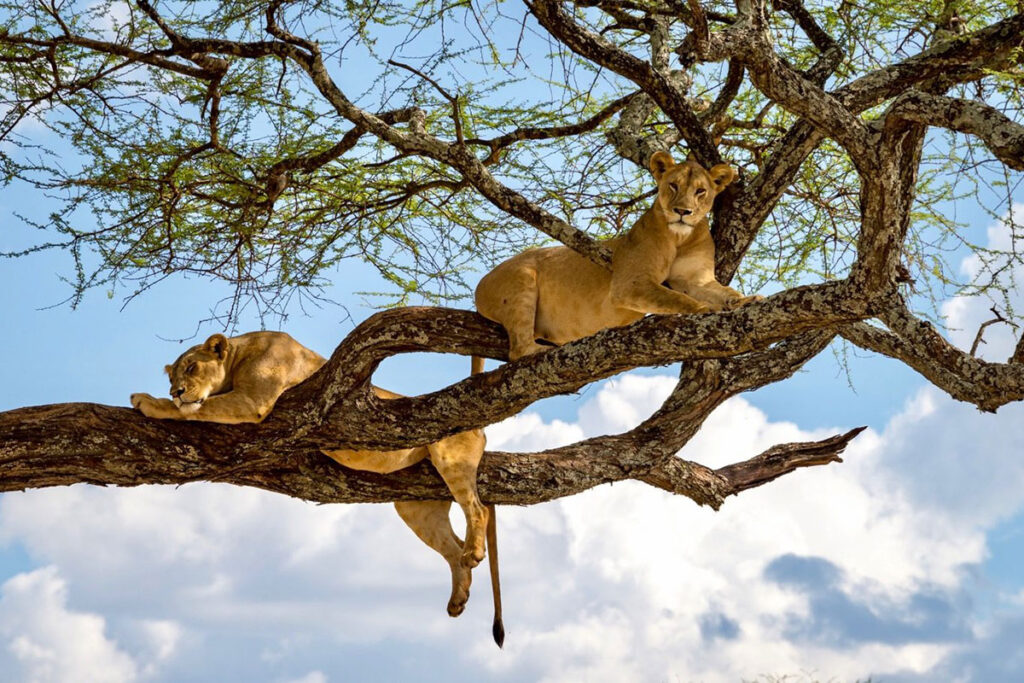
Lake Manyara National Park – Tanzania’s Tree-Climbing Lion Sanctuary, Flamingo-Filled Soda Lake, and Great Rift Valley Forest–Savanna Oasis
Lake Manyara National Park is one of Tanzania’s most visually striking and ecologically diverse safari destinations—an extraordinary wilderness where groundwater forests, alkaline soda lakes, acacia woodlands, bubbling hot springs, and the towering cliffs of the Great Rift Valley combine to create a breathtaking natural masterpiece. Known globally for its iconic tree-climbing lions, enormous elephant herds, huge flocks of pink flamingos, and exceptional birdlife, Lake Manyara offers some of East Africa’s most rewarding wildlife experiences within a remarkably compact and accessible setting. This unique blend of landscape beauty, biodiversity, and cultural richness makes it a must-visit destination on Tanzania’s world-famous northern safari circuit.
Located just a short drive from Arusha, Lake Manyara National Park is ideal for day trips, short safaris, or as a refreshing addition to longer itineraries that include Tarangire, Ngorongoro, and Serengeti. With its lush evergreen forests, sweeping floodplains, dramatic escarpments, and wildlife-filled wetlands, Manyara offers an immersive, photo-perfect safari environment that appeals to adventure travelers, photographers, bird enthusiasts, nature lovers, and families looking for an intimate, crowd-free safari experience.
Overview of Lake Manyara National Park
Established in 1960 and covering approximately 330 km²—two-thirds of which is the lake itself—Lake Manyara National Park protects one of Africa’s most important soda lake ecosystems. Its alkaline waters attract thousands of flamingos and waterbirds each year, while its groundwater forests, grassy floodplains, and acacia woodlands provide shelter for elephants, giraffes, buffalo, primates, hippos, and big cats. Despite its relatively compact footprint, Manyara is one of Tanzania’s richest ecosystems, making it ideal for travelers seeking diverse wildlife encounters in a short timeframe without long drives.
The park is also an important conservation area for iconic Rift Valley habitats, endangered species, and ancient migratory corridors used for centuries by wildlife and Maasai pastoralists. Its protected wetlands support a wealth of aquatic species, while its escarpment cliffs provide nesting areas for raptors, hyraxes, and baboon troops that thrive along the forest edge. Because of this unique ecological blend, Lake Manyara is often considered one of East Africa’s best introductory parks for travelers new to the region.
Location and Size
Lake Manyara National Park lies in northern Tanzania, stretching along the western edge of the Great Rift Valley between Arusha and the Ngorongoro Conservation Area. Its strategic position makes it a convenient and essential stop on most northern circuit itineraries. The park’s 330 km² area is narrow but elongated, creating a corridor of diverse habitats that run between the lake and the steep escarpment. This corridor is crucial for wildlife movement, especially for elephants, giraffes, buffalo, and antelope that migrate seasonally in search of food, minerals, and water.
The lake itself expands and contracts with rainfall, sometimes covering over 200 km², which dramatically influences flamingo populations, waterbird numbers, and aquatic biodiversity. The surrounding region includes Maasai pastoral lands, volcanic highlands, and fertile valleys, creating a rich cultural and ecological landscape beyond the park boundaries.
Geography and Landscapes
Lake Manyara’s geography is dominated by contrasting landscapes that create a dramatic, almost cinematic safari experience. From the moment visitors enter the park, they are greeted by dense, green groundwater forests—towering fig trees, ancient mahoganies, and lush undergrowth supported by year-round springs flowing from the Rift Valley escarpment. These forests are rare ecosystems that remain green even during prolonged dry seasons, making Manyara a critical refuge for elephants and primates.
As travelers continue deeper into the park, the forests open into vast floodplains where wildebeest, zebra, giraffes, and buffalo graze against a backdrop of shimmering lake waters. At the far southern end of the park, Maji Moto hot springs bubble up from geothermal sources, creating colorful mineral pools fringed by steam and algae blooms. The majestic Rift Valley escarpment forms the park’s western boundary, rising more than 600 meters and offering breathtaking viewpoints across the landscape. This combination of forest, savanna, lake, wetland, and volcanic activity makes Lake Manyara one of Tanzania’s most photogenic natural areas.
Climate
Lake Manyara National Park enjoys a mild, tropical climate regulated by its position within the Rift Valley. Temperatures remain warm throughout the year—typically between 22°C and 30°C—making it an ideal year-round safari destination. Rainfall varies seasonally, influencing vegetation patterns, wildlife distribution, and lake water levels.
- Long rainy season (March–May): Lush greenery, full rivers, abundant birdlife, and excellent photography conditions.
- Short rainy season (November–December): Quick showers, vibrant plant growth, and active wildlife along the forest edges.
- Long dry season (June–October): Peak wildlife viewing, shrinking water sources, and concentrated animal sightings.
- Short dry season (January–February): Good game viewing with warm, pleasant temperatures.
The climate also influences flamingo migration, as water alkalinity, lake depth, and food availability fluctuate throughout the year. Birdwatchers and photographers often find the wet season especially rewarding due to dramatic cloudscapes, vibrant vegetation, and active breeding behaviors.
Hydrology and Lake Systems
At the heart of the park is Lake Manyara—a shallow alkaline soda lake fed by underground springs, seasonal rivers, and runoff from the Rift Valley escarpment. Its hydrology changes significantly with rainfall, causing the shoreline to expand or contract dramatically. These shifting water levels influence flamingo populations, fish productivity, and the abundance of aquatic birds.
The park’s groundwater forests are continuously replenished by springs fed from volcanic aquifers deep beneath the escarpment. These springs feed streams and swamps that support hippos, otters, frogs, monitor lizards, and many bird species. The southern geothermal area, Maji Moto, adds an additional layer of ecological complexity, with mineral-rich waters creating unusual microbial habitats and steaming landscapes rarely found elsewhere in Tanzania.
Ecosystems and Habitats
Lake Manyara National Park is famous for its exceptional ecosystem diversity within a small geographic area. This unique blend of habitats supports a tremendous variety of wildlife and plant species, making Manyara one of the most ecologically productive parks in the region.
- Groundwater Forest: Evergreen forest teeming with elephants, baboons, blue monkeys, hornbills, and bushbuck.
- Acacia Woodland: Ideal habitat for giraffes, zebra, impala, and the park’s renowned tree-climbing lions.
- Floodplains: Open grassland supporting wildebeest, buffalo, and large mixed-species herds.
- Soda Lake Ecosystem: Flamingos, pelicans, storks, and colorful waterbirds feed along the shallow alkaline waters.
- Papyrus Wetlands: Hippos, frogs, waterfowl, and aquatic insects thrive in protected swamps.
- Escarpment Cliffs: Home to klipspringers, rock hyraxes, leopards, and nesting raptors.
This mosaic of ecosystems supports diverse wildlife populations and allows visitors to experience multiple habitats and sightings within a single game drive.
Vegetation
Lake Manyara’s vegetation reflects its hydrological richness and volcanic soil fertility. The groundwater forest is especially lush, with monumental fig trees, mahoganies, sausage trees, and giant palm clusters providing deep, shaded cover. These forests are rare in Tanzania and are one of Manyara’s greatest ecological treasures, helping to sustain large elephant populations even during harsh dry seasons.
Beyond the forest, acacia woodlands dominate the midsections of the park, offering some of the most iconic East African savanna scenery. The alkaline shoreline hosts salt-tolerant grasses, sedges, and succulents, while wetlands support papyrus, reeds, and aquatic vegetation. This rich plant diversity ensures a steady food supply for herbivores and creates excellent habitats for bird species ranging from hornbills to storks and kingfishers.
Wildlife of Lake Manyara National Park
Despite its small size, Lake Manyara is one of Tanzania’s most wildlife-rich parks. It hosts an impressive variety of mammals, birds, reptiles, amphibians, and insects, offering excellent safari experiences year-round. Many wildlife species are easily spotted due to the park’s compact layout and open floodplains.
Mammals
Mammal diversity is one of Manyara’s greatest strengths. Visitors regularly encounter:
- Tree-Climbing Lions: A rare behavior that has made Manyara famous worldwide.
- Elephants: Large, relaxed herds thriving in groundwater forests.
- Hippos: Abundant in wetlands and the lake itself.
- Giraffes: Masai giraffes feeding gracefully in acacia woodlands.
- Zebra & Wildebeest: Common on floodplains and open grasslands.
- Buffalo: Large herds grazing along lake edges.
- Baboons: One of Africa’s largest troops can be seen near the entrance gate.
- Leopards & Hyenas: Present but often elusive.
Other notable mammals include warthogs, dik-dik, reedbuck, klipspringers, blue monkeys, vervet monkeys, and nocturnal species such as civets, genets, and porcupines. Night drives—where permitted—reveal the park’s rich after-dark ecosystem.
Birds
Lake Manyara is a birdwatcher’s paradise, with more than 400 species recorded. Its mix of lakeshore, forest, savanna, and wetland habitats creates one of the most diverse birding environments in Africa.
- Flamingos: Sometimes numbering in the tens of thousands along the alkaline lake.
- Pelicans, Storks, and Herons: Abundant along wetlands and river mouths.
- Raptors: Fish eagles, crowned eagles, and augur buzzards.
- Forest Birds: Turacos, barbets, sunbirds, hornbills, and greenbuls.
- Waterbirds: Ducks, teals, waders, and kingfishers.
- Migrants: European and Asian species during peak seasons.
Reptiles and Amphibians
- Nile crocodiles bask along the lake shore.
- Monitor lizards hunt along riverbanks.
- Snakes and geckos inhabit woodlands and rocks.
- Frogs and toads thrive in wetlands and seasonal pools.
Insects and Invertebrates
- Butterflies fill forest clearings after rains.
- Dragonflies swarm over wetlands.
- Termite mounds shape savanna ecosystems.
- Beetles, ants, and spiders enrich soil and vegetation cycles.
Unique Features of Lake Manyara National Park
Lake Manyara stands out as one of Tanzania’s most distinctive wildlife parks due to its rare combination of geography, biodiversity, and wildlife behavior. Visitors encounter unique features found nowhere else in the northern circuit.
- Tree-climbing lions that lounge in acacia branches.
- Massive flamingo colonies creating pink ribbons along the lake.
- Groundwater forests that remain green year-round.
- Close-up elephant encounters in shaded forest trails.
- One of Africa’s largest baboon troops near the park entrance.
- Rift Valley escarpment scenery unmatched in northern Tanzania.
Cultural and Local Communities
The areas surrounding Lake Manyara are home to Maasai and Iraqw communities, whose cultures enrich the region’s human heritage. Visitors can explore Maasai bomas, traditional dance performances, cattle enclosures, and craft markets that showcase beadwork, leatherwork, and cultural artifacts. These experiences highlight the deep relationship between people, wildlife, and landscape across the Rift Valley.
Community tourism projects help support conservation initiatives, reduce human–wildlife conflict, and provide sustainable livelihoods for local families. By participating in cultural tours, visitors contribute directly to the park’s long-term preservation.
Conservation Importance
Lake Manyara National Park plays an essential role in protecting fragile Rift Valley ecosystems and migratory wildlife corridors. Its conservation significance includes:
- Protecting alkaline lake ecosystems that sustain flamingos and waterbirds.
- Preserving groundwater forests threatened elsewhere by settlement and agriculture.
- Maintaining elephant migration pathways between Manyara, Tarangire, and Ngorongoro.
- Safeguarding one of Africa’s richest bird habitats with over 400 species.
- Ensuring long-term survival of Manyara’s famous tree-climbing lions.
These conservation efforts are led by TANAPA (Tanzania National Parks Authority), local communities, and international research institutions committed to the region’s ecological future.
Threats and Conservation Challenges
While Lake Manyara is well protected, it faces several environmental pressures—most related to climate, land use, and regional population growth.
- Lake level fluctuations affecting flamingo feeding zones.
- Agricultural expansion on surrounding lands limiting wildlife migration.
- Human–wildlife conflict especially involving elephants and crop fields.
- Deforestation and charcoal burning near park boundaries.
- Climate change impacts altering rainfall and hydrology.
Conservation programs focus on land-use planning, community integration, anti-poaching patrols, wetland restoration, and wildlife corridor protection to ensure the park remains resilient.
Research and Monitoring
Lake Manyara is an important research hub for scientists studying ecosystems, wildlife behavior, and environmental change. Ongoing projects include:
- Tree-climbing lion behavioral research.
- Elephant movement tracking across migration corridors.
- Bird population monitoring and migration studies.
- Hydrological research on soda lake chemistry.
- Vegetation mapping and forest regeneration studies.
The research findings help TANAPA implement evidence-based conservation strategies that protect both wildlife and human communities.
Tourism Activities in Lake Manyara National Park
Lake Manyara provides a wide array of tourism activities suitable for all types of travelers—from wildlife enthusiasts to cultural explorers. Popular experiences include:
- Game Drives: Discover forest, savanna, and lakeside habitats on morning and afternoon drives.
- Birdwatching Safaris: Explore hotspots around the lake and groundwater forests.
- Canoe Safaris: Seasonal canoeing opportunities offering close views of flamingos and hippos.
- Walking Safaris: Guided nature walks along designated routes.
- Canopy Walkway (Treetop Walk): Elevated bridge walks offering a unique view of the forest canopy.
- Hot Springs Exploration: Visit Maji Moto for geothermal landscapes and scenic views.
- Cultural Tours: Engage with Maasai communities and artisanal craft centers.
Access and How to Get There
Reaching Lake Manyara National Park is quick and convenient, making it an ideal destination for both short excursions and extended northern circuit safaris.
- By Road: A 1.5–2 hour drive from Arusha along a well-maintained highway.
- By Air: Daily flights land at the Lake Manyara Airstrip, connecting to Serengeti, Tarangire, and other parks.
- By Safari Circuits: Easily combined with Tarangire National Park and Ngorongoro Crater.
Permits, Fees, and Park Rules
- Daily TANAPA park entry fees apply.
- Night game drives allowed in designated zones with certified guides.
- No off-road driving unless authorized.
- Stay within vehicles near predators and large wildlife.
- No littering, feeding wildlife, or collecting natural materials.
Accommodation in and Around Lake Manyara National Park
Lake Manyara offers excellent accommodation options both inside and near the park, catering to different budgets and travel styles.
- Luxury Lodges: Scenic hilltop resorts with stunning Rift Valley views.
- Midrange Hotels: Comfortable lodges offering modern amenities and easy park access.
- Budget Campsites: Affordable options for backpackers and overland travelers.
- Tented Camps: Intimate facilities blending wilderness comfort and safari atmosphere.
Due to its popularity and limited lodge capacity, advance booking is recommended, especially during peak seasons.
Best Time to Visit Lake Manyara National Park
Lake Manyara is a rewarding safari destination throughout the year, but the experience varies with the seasons.
- June–October (Dry Season): Best wildlife viewing, clear skies, concentrated animal sightings.
- November–February: Excellent birdwatching, lush scenery, and active primates.
- March–May: Green landscapes, fewer crowds, dramatic photography conditions.
Flamingo numbers fluctuate depending on lake alkalinity and water levels, so sightings vary by season.
Why Lake Manyara National Park Is Unique
Lake Manyara stands out as one of Tanzania’s most distinctive parks thanks to its rare ecological diversity, dramatic Rift Valley scenery, and wildlife behaviors found nowhere else in East Africa.
- A globally recognized habitat for tree-climbing lions.
- One of Africa’s richest locations for viewing flamingos and waterbirds.
- A lush evergreen groundwater forest unlike any other on the northern circuit.
- A compact yet incredibly diverse wildlife sanctuary.
- An ideal starting point for Tanzania’s iconic safari adventures.
For travelers seeking an unforgettable blend of wildlife, landscapes, culture, and photography, Lake Manyara National Park offers one of the most rewarding safari experiences in Tanzania—and a perfect introduction to the wonders of the northern safari circuit.