
Lake Mburo National Park
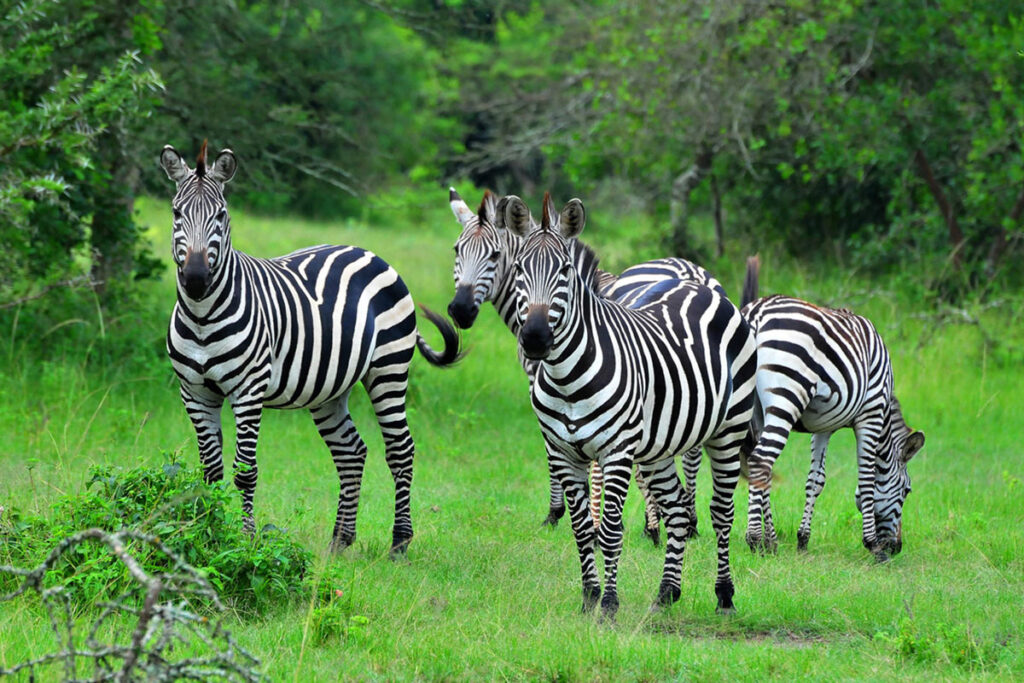
Lake Mburo National Park – Uganda’s Top Zebra Safari Destination, Scenic Cattle Country Wilderness, and Premier Savannah–Wetland Escape
Lake Mburo National Park is one of Uganda’s most beautiful and ecologically important safari destinations—a compact but wildlife-rich wilderness where rolling acacia savannas, forested hills, shimmering lakes, and papyrus wetlands merge to create an enchanting natural landscape. Famous for its thriving zebra population, abundant impala, eland, buffalo, hippos, crocodiles, giraffes, and more than 350 bird species, the park is a haven for travelers seeking intimate wildlife encounters, short safaris from Kampala or Entebbe, and scenic stopovers between Uganda’s major gorilla and wildlife circuits.
Because of its accessibility, rich biodiversity, and variety of activities—including game drives, boat cruises, guided walking safaris, horseback safaris, cycling adventures, and birdwatching—Lake Mburo National Park has become a favorite destination for both local and international visitors. Its mixture of savanna and wetland ecosystems supports species not found in any other Ugandan park, making it a must-visit for safari enthusiasts, photographers, conservation travelers, and anyone exploring western Uganda.
Overview of Lake Mburo National Park
Covering 370 km² in Uganda’s Ankole region, Lake Mburo National Park is the smallest of the country’s savanna parks but one of its most biologically significant. The park forms part of the ancient rangelands of the pastoral Bahima people, whose iconic long-horned Ankole cattle continue to graze outside its boundaries. This cultural landscape—combined with Lake Mburo’s unusual ecological diversity—makes the park a stronghold for wildlife species that thrive in drier savanna environments rare in other parts of Uganda.
As the only national park in Uganda where large herds of zebra and impala can be seen naturally, and one of the few areas home to eland and topi, Lake Mburo plays a critical role in protecting Uganda’s savanna biodiversity. The park’s wetland system, dominated by five lakes inside its boundaries, provides essential habitat for aquatic wildlife, including hippos, crocodiles, waterbirds, and papyrus specialists such as the African finfoot.
Location and Size
Lake Mburo National Park is located approximately 3.5–4 hours southwest of Kampala along the Masaka–Mbarara highway, making it the nearest national park to the capital and one of the easiest to visit. Its strategic position along the main road linking central Uganda with Bwindi Impenetrable National Park, Mgahinga National Park, and Queen Elizabeth National Park makes it a perfect stopover for travelers exploring Uganda’s southwestern safari circuit.
Despite its modest size of 370 km², the park contains one of the highest densities of wildlife per square kilometer in Uganda due to its open savanna ecosystems and permanent waterways. The five lakes inside the park are part of a larger network of thirteen lakes in the region, forming a vital hydrological system that supports both wildlife and surrounding communities.
Geography and Landscapes
Lake Mburo National Park is characterized by undulating savanna plains, acacia forests, rocky ridges, wooded valleys, and a network of lakes and wetlands. This mosaic of landscapes creates a visually stunning environment with remarkable habitat variety in a relatively small area.
Key geographical features include:
- Acacia-Dominated Savannah: Expansive rolling grasslands dotted with acacia trees where zebra, impala, eland, and topi graze in large numbers.
- Papyrus Wetlands: Lush swampy areas surrounding Lake Mburo and smaller lakes, home to hippos, waterbirds, and rare swamp specialists.
- Rocky Outcrops (Kopjes): Scenic granite formations offering panoramic views and habitat for hyrax, leopards, and raptors.
- Valleys and Wooded Slopes: Bushbuck, warthog, and buffalo favor the shaded, fertile valleys.
The diversity of terrain makes the park ideal for photography, scenic drives, and guided nature walks, offering panoramic vistas at almost every turn.
Climate
Lake Mburo National Park has a warm tropical savanna climate with moderate rainfall and pleasant temperatures throughout the year. Compared to other regions of Uganda, the park receives lower rainfall, contributing to its predominantly dry-country vegetation and wildlife species.
- Wet Seasons: March–May and September–November. Lush greenery, active birdlife, and full wetlands.
- Dry Seasons: June–August and December–February. Best wildlife viewing due to lower grass and fewer water sources.
Because Lake Mburo experiences mild weather year-round, the park is an excellent destination in any season, with each offering unique safari experiences.
Hydrology and Water Systems
Water is central to the ecological identity of Lake Mburo National Park. Its complex hydrological system includes Lake Mburo—the park’s main waterbody—and four other lakes connected by seasonal rivers and papyrus wetlands. This network sustains wildlife even during dry seasons and supports a rich diversity of aquatic life.
- Lake Mburo: A freshwater lake supporting hippos, crocodiles, fish, and waterbirds.
- Papyrus Wetlands: Habitat for sitatunga, African finfoot, herons, and swamp specialists.
- Seasonal Streams: Channels that connect lakes and rejuvenate grazing plains after rains.
The wetlands serve as vital breeding grounds for fish and nurseries for waterbirds, contributing to the park’s high biodiversity.
Ecosystems and Habitats
Lake Mburo National Park offers a unique blend of ecosystems rarely found in other Ugandan parks. Its savanna woodlands, forest patches, wetlands, and rocky outcrops provide habitats for a wide range of wildlife and plant species.
- Acacia Savannah: The dominant ecosystem, ideal for grazers and browsers.
- Woodland and Lakeside Forests: Support buffalo, leopard, monkeys, and forest-edge birds.
- Papyrus Swamps: Key wetland habitat for hippos, crocodiles, and specialized birds.
- Kopjes and Rocky Hills: Provide refuge for hyrax, reptiles, and nocturnal predators.
These ecosystems allow the park to sustain species typical of both East African savannas and central African wetlands, making it ecologically significant and uniquely diverse.
Vegetation
Vegetation in Lake Mburo National Park is dominated by acacia woodlands and savanna grasses adapted to the region’s semi-arid conditions. The landscape consists of open plains interspersed with shrubs, thorn bushes, and pockets of woodland around rocky areas and valleys.
- Acacia Species: Including Acacia hockii and Acacia sieberiana, preferred by giraffes and browsers.
- Savanna Grasses: Red oat grass, spear grass, and guinea grass support grazers like zebra and impala.
- Papyrus and Aquatic Vegetation: Found in the lake margins and swamps.
- Drought-Resistant Shrubs: Provide food and shade during dry seasons.
The vegetation composition supports a stable herbivore community, which in turn sustains predators such as leopards, hyenas, and birds of prey.
Wildlife of Lake Mburo National Park
Lake Mburo National Park hosts an impressive array of wildlife, with 68 mammal species and more than 350 bird species. Its open terrain and compact size offer excellent viewing opportunities, making it ideal for short safaris and family travel.
Mammals
The park’s savannas are alive with diverse mammals, including:
- Zebra: The park’s flagship species and Uganda’s largest zebra population.
- Impala: The only park in Uganda home to native impala herds.
- Eland: Africa’s largest antelope, commonly seen in open plains.
- Giraffes: Reintroduced to restore ecological balance; now thriving.
- Buffalo: Frequently seen near wetlands and valleys.
- Hippos and Crocodiles: Common along Lake Mburo and its channels.
- Leopard: Present but mostly nocturnal.
- Bushbuck, Reedbuck, Topi, Waterbuck: Widespread throughout the park.
With no elephants in the park, Lake Mburo offers rare interactive safari activities such as walking and horseback safaris that are not possible in most Ugandan parks.
Birds
Birdwatchers consider Lake Mburo one of Uganda’s top birding destinations due to its mix of wetland, woodland, and savanna species.
- Papyrus gonolek, African finfoot, and shoebill (occasional sightings).
- Brown-chested lapwing (near-endemic to the region).
- Lilac-breasted rollers, bee-eaters, barbets, and hornbills.
- Raptors including martial eagles and bateleurs.
- Numerous lake and wetland birds including cormorants, herons, storks, and kingfishers.
The park’s bird list makes it a must-visit destination for serious birders exploring western Uganda.
Reptiles and Amphibians
- Nile crocodiles and monitor lizards in the lake system.
- Geckos, skinks, and tortoises in rocky and woodland areas.
- Frogs and toads breeding during wet seasons.
Insects and Invertebrates
- Butterflies flourishing in forest-edge habitats.
- Dragonflies thriving around wetlands.
- Beetles, spiders, and termites essential for nutrient cycling.
Unique Features of Lake Mburo National Park
- Uganda’s best and only zebra and impala stronghold.
- One of the few places in East Africa offering horseback safaris alongside wildlife.
- A rare savanna–wetland ecosystem with high biodiversity in a compact area.
- Closest wildlife park to Kampala and Entebbe—perfect for short safaris.
- Exceptional opportunities for walking safaris due to the absence of elephants.
Cultural and Local Communities
The surrounding region is home to the Bahima pastoralists, known for their long-horned Ankole cattle and deep-rooted cattle-keeping traditions. Cultural tours around the park allow visitors to learn about milk processing, grazing practices, traditional homesteads, and Ankole cultural heritage.
Community-based tourism initiatives help reduce human–wildlife conflict and support local livelihoods, encouraging conservation-friendly land use and education.
Conservation Importance
Lake Mburo National Park protects essential savanna ecosystems and wildlife species that are rare or declining in other parts of Uganda. The park contributes to:
- Conservation of Uganda’s only impala population.
- Preservation of eland and other dry-country antelope species.
- Protection of wetland habitats vital for waterbirds and aquatic life.
- Maintenance of the Acacia savanna ecosystem threatened by agricultural expansion.
Conservation programs led by Uganda Wildlife Authority focus on habitat restoration, anti-poaching patrols, community engagement, and wildlife monitoring.
Threats and Challenges
- Encroachment and habitat loss along park boundaries.
- Human–wildlife conflict involving pastoralists and predators.
- Illegal bushmeat hunting and snaring.
- Climate variability affecting water availability.
Collaborative conservation efforts aim to mitigate these threats through community partnerships and sustainable tourism.
Research and Monitoring
Scientific research in Lake Mburo National Park focuses on:
- Zebra and impala population trends.
- Ecological impacts of grazing and fire on savanna ecosystems.
- Bird diversity, especially wetland-dependent species.
- Community interactions and wildlife coexistence.
These studies support evidence-based management and long-term conservation planning.
Tourism Activities
Visitors enjoy a wide variety of safari activities, many of which are exclusive to Lake Mburo National Park.
- Game Drives: Explore open savannas and woodland habitats.
- Boat Cruises: See hippos, crocodiles, and waterbirds on Lake Mburo.
- Walking Safaris: Guided walks among wildlife—safe and unique in Uganda.
- Horseback Safaris: Ride alongside zebra and antelopes.
- Cycling Safaris: Adventure biking through scenic savannas.
- Birdwatching: Excellent throughout the year in wetlands and acacia forests.
Access and How to Get There
- By Road: 3.5–4 hours from Kampala or Entebbe.
- By Air: Domestic charters available to nearby airstrips.
- Main Entrances: Sanga Gate and Nshara Gate.
Permits, Fees, and Park Rules
- Park entry fees are required.
- Guided walks and horseback safaris need advance booking.
- No off-road driving or disturbing wildlife.
- Follow Leave No Trace principles.
Accommodation in and Around Lake Mburo National Park
- Luxury Lodges: Offering stunning views over valleys and lakes.
- Midrange Lodges: Comfortable options inside and near the park.
- Budget Campsites: Affordable stays ideal for backpackers.
- UWA Bandas: Simple but scenic government-run accommodations.
Many lodges are strategically located to maximize wildlife sightings, sunrise views, and access to major safari trails.
Best Time to Visit Lake Mburo National Park
- June–August & December–February: Best for wildlife viewing (dry season).
- March–May & September–November: Best for birding and lush green landscapes.
Thanks to its mild climate, Lake Mburo is a superb year-round safari destination.
Why Lake Mburo National Park Is Unique
- Uganda’s only park with large zebra and impala populations.
- Exclusive horseback and walking safaris among wildlife.
- A stunning mix of lakes, savanna, and rolling hills.
- Perfect stopover between major national parks.
- Rich wildlife diversity in a compact, scenic landscape.
For travelers seeking an accessible, scenic, and wildlife-rich safari experience in Uganda, Lake Mburo National Park stands out as one of the country’s most rewarding destinations—offering incredible biodiversity, a peaceful atmosphere, and unique activities unlike anywhere else in the region.