
Liwonde National Park
Liwonde National Park – Malawi’s Big Five Safari Gem on the Shire River and a Flagship African Parks Conservation Success Story
Liwonde National Park in southern Malawi is one of Africa’s most exciting conservation success stories and one of the best places to go on safari in Malawi. Once heavily poached and struggling with intense human–wildlife conflict, Liwonde has been transformed into a thriving Big Five destination with healthy populations of elephants, black rhinos, buffalo, lions, cheetahs, hippos, and more than 380 bird species. Managed by African Parks since 2015, this compact park along the Shire River combines riverine floodplains, palm-dotted savanna, and mopane woodland to create a classic, yet wonderfully uncrowded, safari experience.
Today, Liwonde National Park offers everything travelers expect from a high-quality southern Africa safari – boat safaris, game drives, walking safaris, rhino tracking, and superb birding – but with far fewer vehicles and a strong focus on conservation and community benefits. For travelers looking for an intimate, sustainable wildlife experience in Malawi, Liwonde should sit at the top of the itinerary.
Overview of Liwonde National Park
Liwonde National Park is a relatively small but exceptionally productive wildlife reserve in Malawi, famous for its dense elephant herds, river-based game viewing, and pioneering conservation work. Covering about 548 km², it lies along the Shire River and includes fertile floodplains, lagoons, and dry woodlands that support large concentrations of big game despite the park’s modest size.
Since African Parks assumed management in 2015, Liwonde has become a model for modern African conservation. Poaching has been dramatically reduced, predators such as cheetahs and lions have been reintroduced, black rhinos have returned in meaningful numbers, and carefully managed elephant translocations have helped restore ecological balance. As a result, Liwonde has rapidly grown into one of the most rewarding and accessible safari destinations in Malawi.
Location and Size
Liwonde National Park is located in southern Malawi, near the town of Liwonde and not far from the border with Mozambique. The park hugs the eastern bank of the Shire River, Malawi’s only outlet from Lake Malawi and a lifeline for wildlife throughout the region. Its position makes it easy to combine with Lake Malawi, Zomba Plateau, or Majete Wildlife Reserve on a wider Malawi safari itinerary.
The core park covers approximately 548 km² of protected habitat. In 2018, the adjacent Mangochi Forest Reserve to the north also came under African Parks’ management, effectively extending the wider conservation landscape and creating a larger, connected wildlife area. For visitors, this means more space for wildlife, healthier ecosystems, and a greater feeling of wilderness.
Geography and Landscapes
Liwonde’s geography is dominated by the Shire River and its associated floodplain. Along the river, wide grassy banks, reedbeds, and palm islands create a lush, green corridor where animals congregate throughout the year. Inland from the river, the landscape transitions into gently undulating mopane woodland, mixed acacia woodland, and open plains dotted with baobabs and termite mounds.
The combination of permanent water, rich alluvial soils, and diverse vegetation zones makes Liwonde exceptionally productive. Even in the dry season, the Shire River ensures reliable grazing and drinking areas, concentrating wildlife and delivering outstanding game viewing from both land and water.
Climate
Liwonde National Park has a warm, subtropical climate typical of lowland southern Malawi. Temperatures are generally hot in the wet season and pleasantly warm in the dry months, making it a comfortable year-round safari destination with some seasonal variation in wildlife viewing conditions.
Broadly, the climate follows this pattern:
- Rainy Season (roughly November to April): Hot and humid, with regular afternoon storms that turn the park green and fill waterholes and lagoons.
- Dry Season (May to October): Cooler nights and warm, sunny days. Water becomes more concentrated along the Shire River and permanent lagoons, making this the best time for game viewing.
Most visitors choose to travel to Liwonde in the dry season for easy access, excellent visibility, and spectacular boat safaris on the Shire River, although the green season offers beautiful scenery and fantastic birding.
Hydrology and the Shire River
The Shire River is the beating heart of Liwonde National Park and the main reason this relatively small area supports such high densities of wildlife. Flowing south from Lake Malawi, the river creates a permanent ribbon of water lined with floodplains, lagoons, and backwaters teeming with life.
Along the riverbanks, visitors see:
- Large pods of hippos resting in the water or grazing on sandbanks.
- Nile crocodiles sunning themselves along the shores.
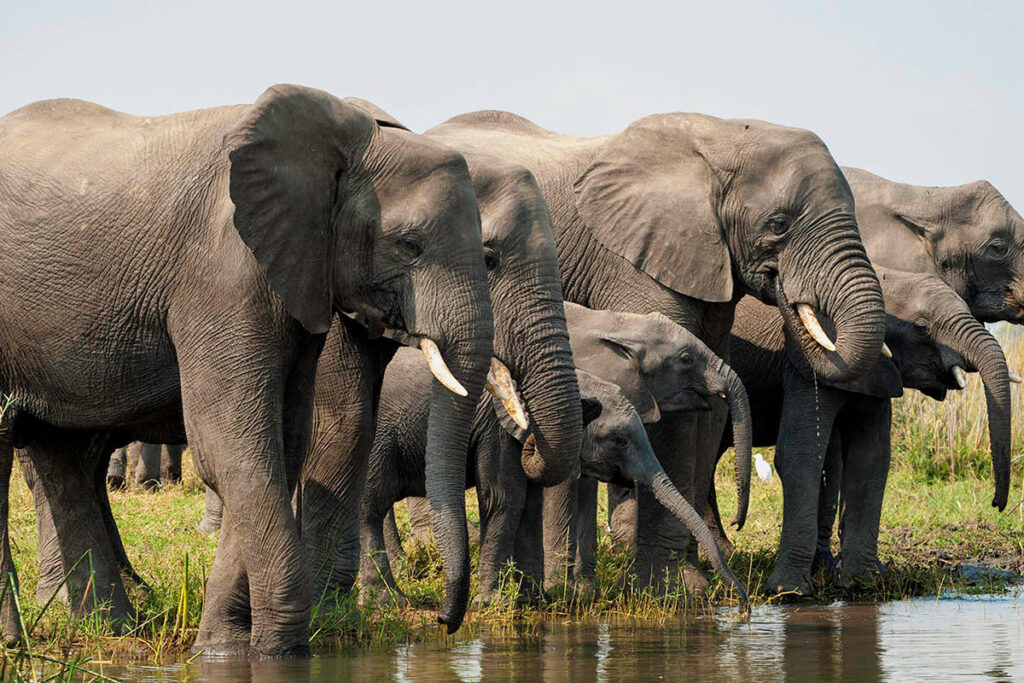
- Elephants coming down to drink and bathe.
- Waterbirds, kingfishers, fish eagles, and bee-eaters in huge numbers.
Boat safaris along the Shire are a signature Liwonde experience, offering a different perspective from traditional game drives and allowing guests to get close to wildlife without disturbing it.
Ecosystems and Habitats
Despite its compact size, Liwonde National Park contains a variety of ecosystems that support diverse wildlife and excellent safari experiences:
- Riverine Floodplains: Open grassy areas along the Shire River, regularly flooded and incredibly rich in grazing and birdlife.
- Wetlands and Lagoons: Backwaters and oxbow lakes filled with hippos, crocodiles, and aquatic birds.
- Mopane Woodland: Dominant inland habitat with mopane trees, supporting browsers like elephants and kudu.
- Miombo and Mixed Woodland: Areas of mixed woodland and thickets that provide cover for buffalo, sable, and shy antelope.
- Seasonal Grasslands and Termite Mounds: Open patches that attract grazers and serve as vantage points for predators and raptors.
This mosaic of habitats creates strong predator–prey dynamics and gives visitors the chance to experience multiple landscapes in a single day of game viewing.
Vegetation
Liwonde’s vegetation is typical of lowland southern Malawi, heavily influenced by the Shire River and the region’s warm, semi-arid climate. Mopane woodland is particularly widespread, interspersed with acacia species, baobabs, and patches of miombo woodland. Along the riverbanks, fever trees, palms, reeds, and riverine shrubs dominate the vegetation.
Key vegetation features include:
- Extensive mopane woodland, a key food source for elephants and other browsers.
- Riverine forest and reeds along the Shire River, providing nesting sites and shade for birds and mammals.
- Baobab and palm-dotted plains, iconic silhouettes for sunset photography.
- Miombo patches supporting a different plant and bird community than the mopane areas.
This varied vegetation not only supports a rich diversity of wildlife but also adds visual interest to game drives and walking safaris.
Wildlife of Liwonde National Park
Liwonde National Park is now recognized as one of Malawi’s premier Big Five safari destinations thanks to intensive conservation work and predator reintroductions. Large mammal populations have rebounded dramatically, and the park is famed for its elephant density, rhino sightings, and river-based game viewing.
Mammals
Liwonde’s mammal populations are a major drawcard for visitors. The park supports thousands of large mammals and an impressive diversity of herbivores and predators.
- Elephants: Large herds of African elephants are commonly seen along the Shire River and in the mopane woodland.
- Black Rhinos: Black rhinos were reintroduced to Liwonde, making it one of the few places in Malawi where travelers can track these critically endangered animals.
- Buffalo: Breeding herds of African buffalo move between floodplains and woodlands.
- Hippos: Some of the highest hippo densities in Malawi, especially visible on boat safaris.
- Antelope: Waterbuck, impala, kudu, sable antelope, eland, bushbuck, and others are regularly seen.
- Predators: Cheetahs were reintroduced in 2017 after a long absence, followed by lions in 2018 and, more recently, efforts to restore populations of other carnivores such as hyenas and African wild dogs.
- Other Mammals: Warthogs, baboons, vervet monkeys, and smaller nocturnal species add to the diversity.
Because of the park’s structure and the visibility offered by floodplains and open woodland, wildlife viewing in Liwonde is often easier and more reliable than in heavily forested areas.
Birds
With over 380 bird species recorded, Liwonde National Park is one of Malawi’s best birding destinations. The combination of river, woodland, and wetland habitats creates an ideal setting for birdwatchers of all levels.
- Fish eagles, kingfishers, and bee-eaters along the Shire River.
- Colonies of weavers, herons, and cormorants near lagoons and reedbeds.
- Lilian’s lovebirds and other specials of the region in woodlands and riverine thickets.
- Vultures, storks, and raptors soaring over open plains and floodplains.
Boat safaris in particular allow for close, relaxed bird viewing and outstanding photography opportunities.
Reptiles and Amphibians
The warm, water-rich environment of Liwonde supports a healthy community of reptiles and amphibians:
- Nile crocodiles in the Shire River and lagoons.
- Various lizards, skinks, and geckos in woodland areas.
- Snakes typical of lowland savanna and riverine systems (usually secretive and rarely seen).
- Frogs and toads that become especially vocal and active after rains.
For visitors interested in herpetology, night drives and walks around wet areas in the green season can be particularly rewarding.
Insects and Other Invertebrates
Insects and invertebrates play a vital role in Liwonde’s ecosystems. Butterflies, dragonflies, beetles, and countless other small creatures are abundant, especially after the rains. They are key pollinators, decomposers, and food sources for birds, bats, and reptiles, contributing to the park’s overall productivity and biodiversity.
Unique Features of Liwonde National Park
Several features make Liwonde National Park stand out within Malawi and the wider southern African safari circuit:
- A successful transformation from heavily poached reserve to thriving Big Five park under African Parks.
- Spectacular boat safaris on the Shire River, offering close-up views of elephants, hippos, crocodiles, and waterbirds.
- Important black rhino reintroduction and monitoring programs.
- Cheetah and lion reintroductions that have restored natural predator–prey interactions.
- High wildlife densities in a relatively compact and easy-to-explore park.
Cultural and Local Communities
Communities living around Liwonde National Park have long depended on the Shire River and surrounding lands for farming, fishing, and natural resources. Before African Parks’ intervention, high levels of human–wildlife conflict and poaching were common. Today, community engagement, employment, and benefit-sharing initiatives are central to the park’s success.
Many staff at Liwonde – including rangers, lodge employees, and guides – come from neighboring villages. Conservation education programs, livelihood projects, and tourism-related income help build local support for protecting wildlife and maintaining the park’s long-term sustainability.
Conservation Importance
Liwonde National Park is crucial for conservation in Malawi and the broader region for several reasons:
- It protects one of Malawi’s most important elephant and hippo populations.
- It serves as a stronghold for reintroduced black rhinos and predators such as cheetahs and lions.
- It safeguards a biologically rich stretch of the Shire River and its associated floodplains and wetlands.
- It demonstrates how effective management, strong law enforcement, and community engagement can reverse decades of decline.
The park also plays a key role in regional translocation and rewilding projects, supplying elephants and other species to restore wildlife in other protected areas.
Threats and Ongoing Challenges
Despite impressive progress, Liwonde still faces conservation challenges:
- Potential future poaching pressure for ivory, rhino horn, and bushmeat.
- Human–wildlife conflict along park boundaries if fencing or land-use planning is not maintained.
- Habitat pressure and climate-related changes that could affect water levels and vegetation.
- Need for long-term funding and political support to sustain intensive management and law enforcement.
African Parks and partners address these challenges with robust ranger forces, electric fencing, community programs, scientific monitoring, and adaptive management, making Liwonde a leading example of modern park recovery in Africa.
Research and Monitoring Programs
As a flagship African Parks site, Liwonde is at the center of multiple research and monitoring efforts that guide conservation strategies:
- Elephant, buffalo, and hippo population surveys and movement studies.
- Black rhino monitoring using tracking, telemetry, and patrol data.
- Cheetah and lion population tracking to understand predator dynamics.
- Bird monitoring, especially for key species and vulture populations.
- Socioeconomic and community impact studies to guide local development and benefit-sharing.
These programs ensure that conservation decisions are data-driven and that Liwonde continues to improve as a safe, thriving habitat for wildlife.
Tourism Activities in Liwonde National Park
Liwonde offers a wide range of safari activities, with an emphasis on intimate, high-quality experiences rather than mass tourism. Typical activities include:
- Boat Safaris: Morning and afternoon cruises on the Shire River to view elephants, hippos, crocodiles, and prolific birdlife.
- Game Drives: Daytime and, where permitted, night drives in open 4×4 vehicles to search for lions, cheetahs, buffalo, antelope, and smaller nocturnal species.
- Walking Safaris: Guided bush walks with armed rangers for an immersive, on-foot experience of the bush.
- Rhino Tracking: Specialist activities to track black rhinos with expert guides and trackers in designated zones.
- Birding Safaris: Bird-focused outings tailored to keen birders, especially along river corridors and wetlands.
- Cultural Visits: Trips to nearby communities to learn about local culture and the role of conservation in people’s lives.
Because visitor numbers are still relatively low compared to more famous safari destinations, Liwonde retains a peaceful, uncrowded atmosphere that appeals to travelers who value exclusivity and authenticity.
Access and How to Get There
Liwonde National Park is one of Malawi’s more accessible parks, making it an ideal choice for both first-time visitors and seasoned safari-goers:
- By Road: The park is reachable by road from Malawi’s main cities, including Lilongwe and Blantyre, with journey times typically between 3 and 5 hours depending on your starting point.
- By Air: Light aircraft and charter flights can be arranged to airstrips serving Liwonde or nearby areas, especially for high-end itineraries or time-sensitive travelers.
- Safari Transfers: Most lodges and tour operators provide road transfers from major hubs or arrange private transfers as part of a Malawi safari package.
Because access routes and travel times can vary with weather and road conditions, it is best to plan logistics through a reputable Malawi safari operator or lodge.
Permits, Fees, and Park Rules
As a protected national park, Liwonde operates with conservation-focused rules and regulations. Visitors can expect:
- Park entry and conservation fees, typically collected by lodges or operators and paid to park authorities.
- Required use of certified guides and vehicles for activities inside the park.
- Strict guidelines for wildlife viewing, including no off-road driving and respect for viewing distances.
- Prohibition on littering, feeding wildlife, collecting natural materials, or disturbing animals.
Following these rules helps protect Liwonde’s wildlife and ensures a safe, enjoyable experience for all guests.
Accommodation in and Around Liwonde National Park
Liwonde National Park offers a selection of intimate lodges and camps that cater for different budgets and travel styles, from classic tented camps to more luxurious riverside lodges. Most accommodations focus on sustainability, community involvement, and high-quality guiding.
- Riverside Lodges: Properties overlooking the Shire River, offering easy access to boat safaris and beautiful views of passing wildlife.
- Tented Camps: Comfortable, often semi-permanent tented camps that deliver a traditional safari feel with modern comforts.
- Mid-Range and Eco Options: Lodges that balance affordability with comfort and strong conservation ethics.
Because the number of beds is limited and demand is growing as Liwonde’s reputation increases, it is wise to book accommodation well in advance, especially for peak dry-season travel.
Best Time to Visit Liwonde National Park
Liwonde is a year-round destination, but certain seasons offer particularly good conditions for specific experiences:
- May to October (Dry Season): Best overall time for game viewing. Grass is shorter, animals concentrate along the Shire River, and roads are dry and accessible.
- November to April (Green Season): Lush landscapes, dramatic skies, and excellent birding. Some roads may be more challenging, but scenery and photographic opportunities are outstanding.
For most visitors seeking classic big-game safaris and river-based wildlife viewing, the dry season is ideal. Birders and photographers may also appreciate the green season for its rich colors, migrant species, and dramatic light.
Why Liwonde National Park Is Unique
Liwonde National Park stands out as one of Africa’s most inspiring park recovery stories. In a relatively short time, it has transformed from a heavily poached landscape into a secure, wildlife-rich Big Five destination that benefits both nature and local communities.
For travelers, Liwonde offers:
- Outstanding elephant, hippo, rhino, and predator sightings in a compact, easy-to-explore park.
- World-class boat safaris along the Shire River, one of Malawi’s most scenic waterways.
- High-quality guiding and conservation-focused lodges with low visitor densities.
- A chance to directly support one of Africa’s most positive conservation success stories.
For anyone planning a safari in Malawi, combining Liwonde National Park with Lake Malawi and other reserves creates a diverse, memorable, and impactful African adventure.