
Matobo National Park
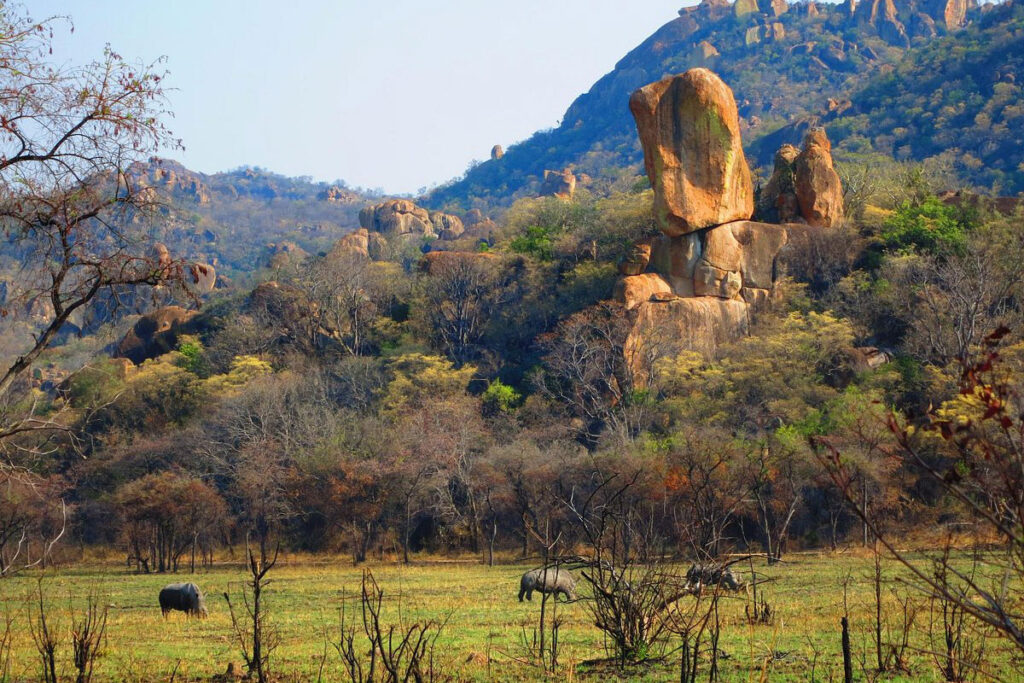
Matobo National Park, Zimbabwe – Granite Landscapes, Rhino Tracking, Rock Art Caves and Sacred Cultural Heritage
Overview of Matobo National Park
Matobo National Park in southern Zimbabwe is one of Africa’s most distinctive and atmospheric protected areas. Part of the wider Matobo Hills UNESCO World Heritage Site, the park is celebrated for its towering granite kopjes, smooth “whaleback” domes, intricate San rock art, rhino conservation success stories and a deep spiritual connection that continues to shape local culture today. It is a place where dramatic geology, ancient history and modern conservation come together in one compact, easy-to-access destination.
For travelers searching online for Matobo National Park safaris, Matobo Hills rock art tours, white rhino tracking in Zimbabwe, Bulawayo day trips or sacred cultural landscape experiences, this park offers far more than a standard wildlife reserve. You can walk among giant balancing rocks, visit caves painted thousands of years ago, learn about Ndebele and liberation history, and then track rhinos on foot with highly trained rangers, all within the same day. This blend of activities makes Matobo ideal for adventurous couples, photographers, cultural travelers and families looking for something deeper than a typical game drive.
Location and Size
Matobo National Park is located in Matabeleland South Province, about 35 km south of Bulawayo, Zimbabwe’s second-largest city and a key hub for regional travel. The short drive from Bulawayo along the tarred Matopos Road makes Matobo one of the most accessible national parks in the country, ideal for day trips and short overnights as well as longer stays.
The broader Matobo Hills region covers more than 3,000 km² of granite scenery and rural communities, while the officially proclaimed national park protects roughly 424 km² at the heart of the hills. Within this area lies a fenced game park and Intensive Protection Zone where black and white rhinos are carefully monitored and guarded. This mixture of general parkland, cultural sites and tightly managed game areas allows Matobo to function as both a wildlife sanctuary and a cultural heritage landscape.
Geography and Granite Landscapes
The geography of Matobo National Park is dominated by ancient granite, shaped over billions of years into a surreal landscape of domed hills, cliffs and boulder piles. Weathering and erosion have produced iconic formations where huge rocks appear to balance on tiny contact points, and rounded domes rise like stone waves from the surrounding plains. These kopjes and whaleback hills are not only visually striking but also important ecological islands, offering shade, shelter and nesting sites for many species.
Between the granite ridges lie valleys and vleis filled with deeper, more fertile soils. These areas support woodland, grassland and wetland vegetation, creating natural corridors for wildlife to move between water, grazing and shelter. The park’s dams and reservoirs, including Maleme and Toghwana, punctuate this landscape with open water that reflects the rocky skyline and provides essential habitat for aquatic life and waterbirds. The contrasts between harsh, sun-baked rock and green, life-filled valleys make Matobo especially rewarding for landscape photographers and hikers.
Climate – Weather Throughout the Year
Matobo National Park has a generally mild, pleasant climate with distinct wet and dry seasons, making it a viable year-round destination. From November to March, the summer rains transform the hills into a lush, green environment. Afternoon thunderstorms build over the granite domes, bringing dramatic skies and refreshing downpours that fill vleis and rivers. This is a beautiful time for travelers who enjoy vivid landscapes, wildflowers and active birdlife.
The dry season extends from about April to October. In the early dry months, days are warm but not harsh, nights are cool, and visibility is excellent for photography. As the dry season progresses into September and October, temperatures rise and water becomes more limited, drawing wildlife to dams and permanent rivers. This is one of the best times to see rhinos and other game concentrated near reliable water sources. Winter months (June–August) bring cool mornings and evenings, often with crisp air and clear blue skies—perfect conditions for walking safaris, rock art hikes and long days out exploring the hills.
Hydrology – Rivers, Vleis and Dams
Water in Matobo is shaped by the granite hills. Rainfall quickly runs off the smooth rock surfaces, channeling into natural depressions, valley-bottom vleis and small streams. These seasonal streams feed rivers such as the Maleme and Mtsheleli, which in turn supply dams and reservoirs that are central to the park’s ecology and tourism.
Dams like Maleme and Toghwana form permanent water bodies that host fish, amphibians, aquatic invertebrates and an impressive range of waterbirds. They act as vital dry-season refuges for wildlife and are focal points for activities such as walking, birdwatching and gentle boating where permitted. Around these dams, lush riparian vegetation contrasts with the drier hillsides, creating visually attractive and biologically rich microhabitats.
Ecosystems and Habitats
Matobo National Park supports an intricate mosaic of ecosystems, each shaped by slope, soil depth, drainage and exposure. This diversity underpins the park’s high biodiversity and its appeal to nature lovers and scientists alike.
- Granite Kopjes: Rocky outcrops and cliff faces providing habitat for hyrax, leopards, nesting raptors, reptiles and rock-loving plants.
- Wooded Slopes and Valleys: Mixed woodland with hardwoods and shrubs, home to antelope, primates and a range of birds.
- Grasslands and Vleis: Seasonal wetlands and grazing lawns that attract plains game such as zebra, wildebeest and antelope.
- Riparian Zones: Vegetation along streams and dams, offering shade and dense cover for birds, amphibians and small mammals.
- Game Park Savanna: Managed savanna in the Intensive Protection Zone, designed to support rhinos and other large herbivores.
Because these habitats are so closely interwoven within a relatively small area, visitors often experience a rich variety of scenery and wildlife during even short visits, moving quickly from rocky viewpoints to woodland shade and open water.
Vegetation – Trees, Grasses and Rock Flora
The vegetation of Matobo National Park is remarkably varied. On the hillsides and in the valleys you’ll find a blend of miombo and savanna woodland species, including acacias, combretums, figs and wild pears. Many of these trees have adapted to shallow, rocky soils and periodic fires, giving the hills a resilient, weathered character.
Granite surfaces host specialized flora such as aloes, succulents, lichens and small, hardy shrubs that root in narrow cracks and pockets of soil. After good rains, these rock gardens burst into bloom, adding splashes of red, orange and yellow against the grey granite. In the vleis and valley bottoms, taller grasses and sedges thrive, providing nutritious grazing for zebra, antelope and other herbivores. Around dams and streams, reeds and riverine trees create thick, green ribbons of vegetation that are especially attractive to birds and aquatic species.
Wildlife of Matobo National Park
While Matobo is not a classic “big herd” savanna like some larger parks, it has an impressive diversity of wildlife concentrated in and around its game park and water sources. Its particular strengths are rhino conservation, leopard-friendly terrain and outstanding birdlife, especially raptors.
Mammals
The star mammals of Matobo National Park are undoubtedly its rhinos. The park’s Intensive Protection Zone hosts both white and black rhinos under high levels of security and monitoring. Guided rhino tracking on foot has become one of the most sought-after wildlife experiences in Zimbabwe and a major draw for visitors who want to see these iconic animals in a way that feels personal and meaningful.
- White Rhino: Often viewed in open areas, grazing on short grasses.
- Black Rhino: More secretive browsers, associated with thicker bush.
- Leopard: Well suited to the rocky terrain, using kopjes and cliffs as hunting and resting sites.
- Plains Game: Including sable antelope, kudu, impala, zebra and wildebeest in the game park and surrounding savanna.
- Smaller Mammals: Rock hyrax, warthog, baboons, monkeys, jackals and various nocturnal species like civet and genet.
The presence of hyrax and other small mammals in the rocky terrain helps support healthy predator populations, especially leopards and raptors, creating a dynamic food web within the park.
Birds
Matobo National Park is a top-tier birding destination and particularly famous for birds of prey. The cliffs, domes and valleys provide excellent nesting and hunting grounds for raptors, and the combination of rocky and aquatic habitats supports a wide mix of species.
- Black Eagles: Often seen soaring around cliff faces and granite domes.
- Other Raptors: Bateleurs, hawk-eagles, buzzards and vultures frequently patrolling the skies.
- Waterbirds: Fish eagles, herons, storks, kingfishers and cormorants around dams and vleis.
- Woodland Birds: Hornbills, rollers, barbets, shrikes and weavers in valley woodlands.
- Smaller Species: Bee-eaters, sunbirds, swallows and warblers adding color and sound, especially in the green season.
For keen birders, a few days in Matobo can yield an impressive species list, with excellent photographic opportunities from dam shores, viewpoints and even around rest camps.
Reptiles, Amphibians and Insects
Matobo’s warm, rocky environment is ideal for reptiles and invertebrates. Visitors often spot lizards basking on sun-warmed boulders, while snakes, including pythons and smaller species, inhabit rocky crevices and thick vegetation. Although snakes are rarely seen by casual visitors, they play an important ecological role in controlling rodents and small mammals.
Amphibians such as frogs and toads become particularly active in the rainy season, when vleis and temporary pools form in valley bottoms and on the edges of dams. Insects—from brightly colored butterflies and dragonflies to beetles and pollinators—are abundant after rainfall, contributing to pollination, decomposition and the overall health of the ecosystem. Nighttime in the green season can be alive with the chorus of frogs and the hum of insect life.
Unique Features of Matobo National Park
Several key features make Matobo National Park stand out among African safari destinations and cultural landscapes:
- Iconic Granite Geology: World-class scenery featuring balancing rocks, domes and boulder piles sculpted by deep time.
- Outstanding Rock Art: Thousands of San rock paintings in caves and shelters, many remarkably well preserved and richly symbolic.
- Living Sacred Landscape: Active shrines and sacred hills still used by local communities for ceremonies, especially rainmaking rituals.
- Rhino Conservation Hub: A critical sanctuary for endangered black and white rhinos, where visitors can track them on foot with trained rangers.
- Raptor Stronghold: Exceptional densities of black eagles and other birds of prey, making it a dream destination for birders.
- Layered History: Sites that reflect Stone Age occupation, San hunter-gatherer life, Ndebele history, colonial conflict and modern nation-building.
Cultural and Indigenous Communities
The cultural dimension of Matobo is a major part of its appeal. For thousands of years, the hills have been a place of spiritual power and refuge. San hunter-gatherers left behind intricate rock paintings that depict animals, hunters, dances and abstract symbols. These paintings are not simply decorations; they are believed to record spiritual experiences and rituals, often linked to trance and healing.
Later, Shona and Ndebele communities adopted the hills as sacred territory, associating them with powerful spiritual beings and ancestral spirits. Shrines such as Njelele and other local sites continue to serve as centers for rainmaking ceremonies, offerings and communal gatherings. Many local people view the hills as a living spiritual entity, and this belief deeply influences how they interact with the landscape.
In the 19th and early 20th centuries, Matobo also became a stage for colonial and anti-colonial history. The hills were associated with the First Chimurenga (uprisings against colonial rule), with the Mlimo oracle, and later with prominent colonial figures. Today, this layered history—spanning San, Ndebele, colonial and modern Zimbabwean narratives—makes Matobo a powerful place to explore questions of identity, memory and reconciliation.
Conservation Importance
Matobo National Park is vital for both biodiversity and cultural heritage conservation. Ecologically, it protects a representative slice of southern African granite koppie ecosystems, including rare and endemic plants, reptiles and invertebrates. Its rhino populations contribute to continental efforts to save these species from poaching and habitat loss, while its raptor populations indicate a relatively healthy food web.
Culturally, the park forms the core of a UNESCO World Heritage cultural landscape, helping to safeguard rock art, shrines, archaeological sites and living traditions that are unique in their continuity and richness. Protection efforts aim not only to preserve physical sites but also to support the cultural practices and community relationships that give them meaning.
Threats and Challenges
Despite its protected status, Matobo National Park faces several ongoing challenges that require careful management and collaboration with local communities and conservation partners:
- Poaching: Threats to rhinos and other high-value species demand constant anti-poaching patrols and monitoring.
- Rock Art Damage: Vandalism, unregulated access, smoke and natural weathering can degrade fragile rock paintings.
- Uncontrolled Fires: Intense or poorly timed fires can alter vegetation patterns, harm wildlife and damage cultural sites.
- Human–Wildlife Conflict: In surrounding communal lands, crop damage and livestock predation can create tension with conservation goals.
- Climate Stress: Shifts in rainfall and temperature patterns may affect water availability, fire regimes and vegetation composition.
Addressing these challenges involves integrated approaches: working with local communities, enhancing livelihood options linked to tourism, improving law enforcement, and investing in research and education that build support for long-term conservation.
Research and Monitoring
Matobo National Park has long attracted scientists and heritage specialists. Current and past research topics include rhino behavior and habitat use, leopard ecology, raptor breeding success, vegetation dynamics on granite hills, and the documentation and conservation of rock art and sacred sites. Archaeological work has uncovered evidence of ancient human occupation, providing valuable insights into how people have lived in and used this landscape over tens of thousands of years.
Ongoing monitoring programs track rhino populations, record new rock art sites, assess fire and vegetation patterns, and collect data on visitor use and impacts. This information helps managers adapt strategies so that tourism, conservation and cultural protection reinforce rather than undermine one another.
Tourism Activities
Matobo National Park is an excellent choice for travelers who enjoy a blend of outdoor activity, wildlife encounters and cultural learning. Unlike purely vehicle-based safari destinations, Matobo invites visitors to get out of the car and engage with the landscape on foot.
- Rhino Tracking: Guided walks with expert rangers to track white and black rhinos and learn about their behavior and conservation.
- Game Drives: Vehicle-based safaris in the game park to see rhinos, antelope, zebra, wildebeest and other wildlife.
- Rock Art Tours: Visits to painted caves and shelters, combined with explanations of San culture, symbolism and spiritual beliefs.
- Hiking and Viewpoints: Trails and routes leading to spectacular viewpoints over granite domes and valleys, including popular sunset lookouts.
- Birdwatching: Targeted outings for raptors and general birding, especially around dams, cliffs and woodland edges.
- Boating and Fishing: Relaxed activities at dams such as Maleme and Toghwana where permitted, often combined with birdwatching and photography.
- Cultural and Historical Tours: Visits to shrines, historical battle sites, cemeteries and local communities for a deeper understanding of Matobo’s human story.
Many safari operators and local guides offer tailor-made itineraries that combine these activities, allowing visitors to focus on wildlife, culture, photography or a balanced mix of experiences.
Access – How to Get There
Reaching Matobo National Park is straightforward. From Bulawayo, travelers follow the main Matopos Road to the park entrance, a journey of about 30–40 minutes by car depending on traffic and stops. The road is tarred, suitable for standard two-wheel-drive vehicles. A short branch road continues to Maleme Rest Camp and other key park facilities, also on tar.
Beyond the main routes, many internal roads are gravel or earth tracks. During the dry season, these are typically passable for careful drivers in regular vehicles, though a high-clearance or 4×4 vehicle is more comfortable and useful for exploring smaller side routes. In the rainy season, certain roads can become slippery or temporarily impassable, and travelers are advised to check local conditions or arrange guided transport through a tour operator or lodge.
Permits and Park Rules
Visitors pay a daily conservation fee to enter Matobo National Park, which helps fund wildlife protection, infrastructure maintenance and heritage conservation. Additional fees may apply for camping, vehicle entry, boating, fishing or specialized filming and research activities. When joining guided rhino tracking walks or rock art tours, fees are usually built into the activity price.
Key rules for visitors include:
- Remain on designated paths and viewpoints, especially near rock art and cliff edges.
- Do not touch, wet, chalk or otherwise interfere with rock paintings.
- Maintain respectful distances from wildlife and follow guide instructions at all times.
- Respect sacred sites and cultural locations; avoid loud or disruptive behavior.
- Dispose of all litter properly and observe fire regulations.
Adhering to these rules helps protect Matobo’s fragile cultural and natural heritage and ensures a safe, high-quality experience for all visitors.
Accommodation Options
Matobo National Park and its surroundings offer accommodation options for a range of budgets and travel styles. Staying for at least one or two nights allows you to fully enjoy sunrise walks, sunset viewpoints and the park’s quiet night skies.
- Maleme Rest Camp: The main park camp offers self-catering lodges, chalets and a campsite overlooking Maleme Dam, with simple facilities and easy access to hiking trails, game drives and rock art sites.
- Other Park Camps: Smaller, more rustic camping areas near dams and in quieter corners of the park, ideal for travelers seeking a closer-to-nature experience.
- Private Lodges and Guesthouses: A range of mid-range to upmarket lodges, farmstays and guesthouses are located in the greater Matobo Hills area, often offering full-board stays with guided activities, cultural visits and transfers from Bulawayo.
For an ultra-premium experience, many visitors opt for professionally guided safaris that combine Matobo with other Zimbabwe highlights such as Hwange National Park, Victoria Falls or the Eastern Highlands, creating a varied and well-rounded itinerary.
Best Time to Visit
Matobo National Park is a viable destination at any time of year, but different seasons offer different advantages depending on your interests.
- May–October (Dry Season): Ideal for wildlife viewing, rhino tracking and hiking. Vegetation is thinner, animals are easier to spot, and temperatures are generally comfortable, particularly from May to August.
- June–August (Cool Dry): Crisp mornings and clear days are perfect for long walks, rock art excursions and photography from hilltop viewpoints.
- September–October (Late Dry): Hotter days but excellent wildlife sightings as animals concentrate around permanent water, making it especially good for rhino viewing and waterhole birding.
- November–March (Green Season): Lush landscapes, dramatic storm clouds, active birdlife and thriving amphibians and insects. This period is particularly rewarding for photography, birdwatching and travelers who appreciate vibrant greenery, though some roads may be muddy or challenging.
Shoulder months like April and early November can offer a balanced combination of pleasant weather, good visibility and fewer visitors, making them attractive times for a quieter visit.
Why Matobo National Park Is Unique
Matobo National Park is unique because it offers much more than a conventional safari. Nowhere else in Zimbabwe—and very few places in Africa—combine such a powerful mix of ancient granite landscapes, world-class rock art, living spiritual traditions and modern rhino conservation within such a compact and accessible area. You can greet the dawn from a rocky summit, walk in the footsteps of San artists, learn about Ndebele and liberation history, and then end your day tracking rhinos or watching black eagles circle the cliffs.
For travelers looking for an ultra-premium, meaningful African experience that blends wildlife, culture, hiking and photography, Matobo National Park Zimbabwe stands out as a truly exceptional destination. It is a place where the past is written on the rocks, the present is alive with conservation and community, and every viewpoint reveals not just a beautiful scene but a story that stretches back through deep time.