
Minkébé National Park
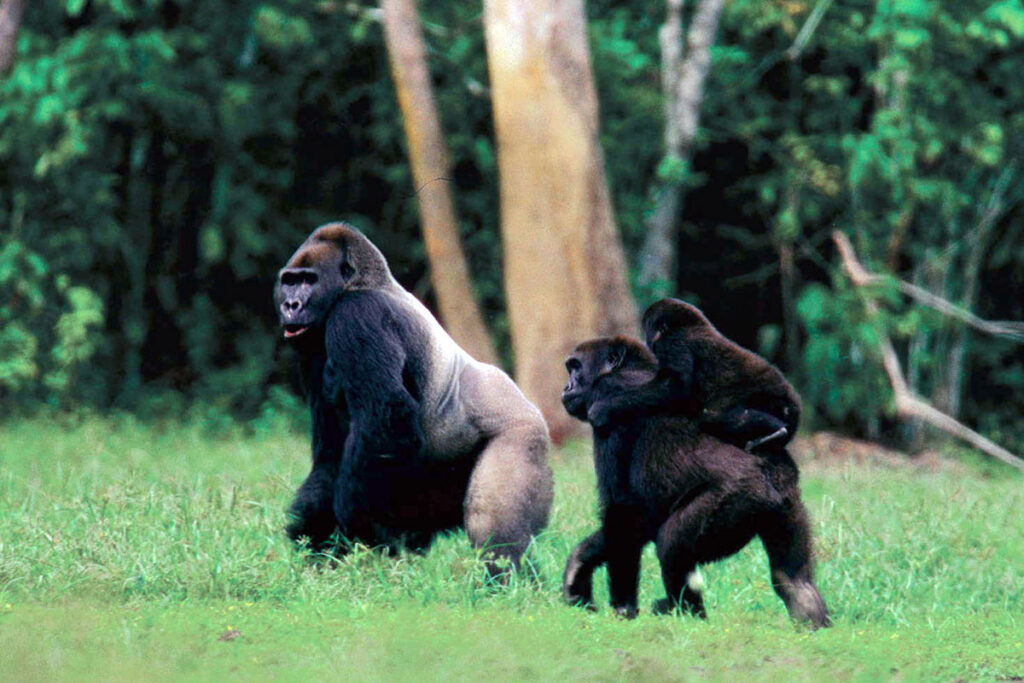
Minkébé National Park, Gabon – Untouched Congo Basin Rainforest, Forest Elephants, Gorillas, Swamps and Pristine Central African Wilderness
Minkébé National Park is one of the last truly wild rainforests on Earth, a colossal and untouched expanse of the Congo Basin located in northeastern Gabon. This vast, remote protected area is internationally celebrated for its extraordinary wildlife, towering rainforest canopy, swamp systems, granite inselbergs, and some of the most intact ecosystems in Central Africa. Minkébé represents the Congo Basin in its purest form—a place where forest elephants still move freely across unbroken forest, where western lowland gorillas forage in pristine habitat, and where the dense canopy hides species that have barely been documented. For conservationists, scientists and intrepid nature lovers, Minkébé National Park is a sanctuary of extraordinary ecological value and one of the world’s most remarkable rainforest destinations.
Overview
Minkébé National Park spans approximately 7,570 km² of near-pristine rainforest, swamps, marshes and inselbergs that anchor the northeastern corner of Gabon’s protected area network. Established in 2002, the park forms a critical component of the TRIDOM conservation landscape—linking Gabon with Cameroon and the Republic of the Congo in one of Africa’s largest transboundary ecological corridors. The park was created to safeguard some of Africa’s largest remaining populations of forest elephants, as well as gorillas, chimpanzees and numerous endemic and threatened species. Its extreme remoteness, absence of permanent settlements and limited access make it one of the most intact tropical wilderness areas on the continent.
Location and Key Facts
This rainforest giant lies deep within the Congo Basin, far from Gabon’s urban centres and surrounded by dense forests and sparsely inhabited landscapes. Its geographical isolation plays a major role in protecting its wildlife and maintaining its ecological integrity.
- Country: Gabon
- Region: Northeastern Gabon
- Area: 7,570 km²
- Ecoregion: Central African Lowland Rainforest
- Elevation: 460–950 metres
- Established: 2002
- Conservation Network: TRIDOM transboundary landscape (Gabon–Cameroon–Congo)
History and Establishment
Minkébé’s ecological significance was recognised in the late 20th century when surveys revealed one of the most intact blocks of primary rainforest remaining in Central Africa. Scientists discovered unusually high densities of forest elephants and great apes, along with vast tracts of forest untouched by logging or agricultural expansion. In response to increasing threats across the Congo Basin, the Gabonese government declared Minkébé a national park in 2002 as part of a bold conservation initiative. Since then, the park has become one of the cornerstones of Gabon’s protected area network and a crucial refuge for wildlife under pressure elsewhere in Central Africa.
Geography and Landscape
The geography of Minkébé National Park is incredibly varied, comprising rugged inselbergs, dense rainforest, sprawling swamp systems, and wide river valleys. The park’s granite inselbergs rise sharply above the canopy, providing breathtaking views and creating microhabitats that host unique, rock-adapted plant species. Below, the rainforest dominates: a thick, multi-layered canopy of towering emergent trees, lianas, epiphytes and mosses that block sunlight from reaching the forest floor.
The low-lying areas around the park’s many rivers and streams form extensive swamp forests and marshlands that fill during wetter periods, becoming vital habitat for amphibians, fish, aquatic reptiles and semi-aquatic antelopes. The combination of rugged terrain, swampy basins and dense canopy creates one of the most ecologically complex landscapes in Central Africa—difficult for humans to access, but ideal for wildlife.
Climate
Minkébé’s climate is equatorial and humid, with rainfall spread throughout the year and relatively stable temperatures. Although the park does not experience extreme seasonal shifts, its alternating wet and moderately dry periods dramatically shape the movement and behaviour of wildlife. The persistent humidity and warmth foster lush vegetation and ensure that the park’s rivers and wetlands remain active year-round.
- Average Temperature: 25°C–31°C
- Humidity: Very high, often above 85%
- Rainfall: Heavy rainfall throughout the year, supporting evergreen forests and swamp ecosystems
Seasonal Variations
During wetter periods, forest floors flood and river levels rise, creating ideal breeding conditions for amphibians and attracting elephants to swampy mineral-rich sites. Bird activity peaks, and the rainforest becomes especially vibrant. During moderately drier periods, trails become slightly more accessible, river crossings stabilise, and wildlife such as gorillas and buffalo may become easier to track along clearer pathways. These subtle cycles create a dynamic rainforest system with rich ecological activity throughout the year.
Hydrology
Hydrology plays a crucial role in Minkébé’s ecological functioning. A vast network of rivers, tributaries and wetlands flows through the park, feeding into major Congo Basin waterways. These rivers support rich aquatic biodiversity and sustain swamp forests, marshes and wetland grasslands. The waterlogged soils of swamp forests create habitats for sitatunga antelope, amphibians, crocodiles and a variety of aquatic birds.
The park’s wetlands also provide essential water sources for elephants, buffalo, red river hogs and other mammals. Riparian forests along riverbanks act as natural wildlife corridors, guiding herds and primates safely across the landscape. This complex water system is one of the defining ecological engines of Minkébé.
Ecosystems and Habitats
Minkébé is home to one of Central Africa’s most diverse arrays of ecosystems. These include:
- Primary lowland rainforest with towering trees and rich understory vegetation.
- Swamp forests that remain flooded for large portions of the year.
- Marshes and swamp grasslands used by sitatungas, buffalo and waterbirds.
- Riparian forests that stabilise riverbanks and act as wildlife corridors.
- Inselbergs that create unique rocky ecosystems above the forest canopy.
- Forest clearings where elephants and other herbivores gather for minerals and vegetation.
The mixture of rainforest, wetlands, open marshes and rocky outcrops gives Minkébé an unusually high degree of ecological complexity, supporting species from multiple ecological niches.
Vegetation
Minkébé’s vegetation mirrors the lush biodiversity expected of a thriving equatorial rainforest. The canopy reaches impressive heights, sheltering an understory of palms, shrubs, tree seedlings, herbs and ferns. Mosses, orchids, lichens and epiphytes cling to branches and trunks, thriving in the constant humidity. Swamp forests feature tree species adapted to waterlogged soils, with dramatic root structures that allow oxygen intake even when submerged.
In contrast, inselbergs host completely different vegetation: drought-resistant shrubs, succulents, grasses and hardy plants that cling to cracks in exposed granite. This range of vegetation types enriches the park’s biodiversity and provides a wide array of habitats for specialist species.
Wildlife of Minkébé National Park
Mammals
Minkébé is globally renowned for its forest elephants, which use a network of ancient migration routes, waterholes and mineral-rich clearings known as “bais.” These elephants serve as ecosystem engineers, shaping forest composition through seed dispersal and vegetation clearing. Western lowland gorillas occur throughout the park, feeding on fruits, leaves and shoots while maintaining critical ecological functions.
Chimpanzees travel in family groups along river corridors and forest paths, while elusive species such as the African golden cat, leopard, giant pangolin and bongo antelope roam the dense forest. Other mammals include forest buffalo, sitatunga, giant forest hogs, red river hogs and several duiker species. Minkébé’s relatively undisturbed ecosystems allow these species to thrive.
Birds
The park supports an exceptional diversity of birdlife, with species spanning canopy specialists, understory birds, riverine birds and wetland-associated species. Hornbills, kingfishers, bee-eaters, turacos, barbets, weavers, greenbuls and raptors are abundant. Wetland zones host herons, ibises and other waterbirds, making the park an excellent destination for ornithologists and birding enthusiasts.
Reptiles and Amphibians
Minkébé’s forest and wetlands host crocodiles, turtles, aquatic snakes, chameleons and geckos. The amphibian diversity is particularly rich, with frogs and toads exhibiting explosive breeding behaviour after heavy rains. Many reptile and amphibian species remain poorly studied, highlighting the park’s scientific importance.
Invertebrates
A vast variety of butterflies, beetles, dragonflies, ants, termites and spiders fill the park’s ecosystems. These invertebrates are fundamental to ecological processes such as pollination, nutrient cycling and decomposition, supporting the food web that sustains the park’s larger wildlife species.
Unique Features of Minkébé National Park
- One of the largest remaining intact rainforest landscapes in the Congo Basin.
- Globally important populations of forest elephants and great apes.
- Dramatic granite inselbergs rising above the canopy.
- Extensive swamp systems that support rare wetland species.
- Extremely low levels of human disturbance and infrastructure.
Cultural and Indigenous Context
While Minkébé has no permanent settlements, its surrounding forests have been used for centuries by Indigenous and forest-dependent peoples, particularly the Fang and traditional hunter-gatherer communities. Their knowledge of medicinal plants, wildlife behaviour, seasonal patterns and forest geography contributes significantly to conservation planning. Collaborative initiatives aim to integrate community participation in monitoring, anti-poaching and sustainable development in buffer zones.
Conservation Importance
Minkébé’s ecological importance is enormous. The park protects expansive blocks of untouched rainforest that serve as vital carbon sinks, helping regulate global climate. As part of TRIDOM, it ensures cross-border ecological connectivity for wide-ranging species such as elephants, gorillas and leopards. This connectivity is crucial for maintaining genetic diversity and long-term ecological resilience across Central Africa.
Threats and Challenges
- Poaching: Illegal hunting for ivory and bushmeat remains a threat, especially in areas bordering logging concessions.
- Logging near the park: Transport routes can facilitate access for illegal hunters and traders.
- Habitat pressure: Expansion of human activities in buffer zones may disrupt wildlife corridors.
- Climate instability: Changing rainfall patterns may alter swamp dynamics and forest composition.
- Limited enforcement: The park’s vast size makes patrolling challenging.
Research and Monitoring
Minkébé is a premier research site for studying forest elephants, gorilla ecology, rainforest vegetation, amphibian diversity, hydrology and long-term climate effects. Camera traps, acoustic monitoring, transect surveys and drone imagery are used to track wildlife movements, biodiversity patterns and ecosystem health. The park’s near-pristine nature offers rare insights into undisturbed rainforest dynamics.
Tourism Activities
Minkébé is ideal for travellers seeking deep nature immersion rather than luxury. Activities include guided gorilla and primate tracking, elephant viewing at natural clearings, birdwatching in swamp forests, hiking to inselberg viewpoints and canoeing along rivers when water levels allow. Visits require stamina, flexibility and an appreciation for true wilderness conditions.
Access and How to Get There
Accessing Minkébé requires coordination with licensed guides or research teams. Trips typically begin in Libreville and continue via regional transport to northeastern Gabon. From there, expeditions rely on 4×4 vehicles, river navigation and multi-day treks through dense forest. There are no internal roads or public transport services.
Permits and Park Rules
All visitors must obtain official permits through Gabon’s national parks authority. Entry without authorised guides is prohibited. Hunting, disturbing wildlife, extracting plants, leaving waste or operating vehicles off designated paths are strictly forbidden.
Accommodation
There are no tourist lodges inside Minkébé. Visitors stay at ranger camps, research posts or basic guesthouses in nearby towns. Expeditions must bring food, camping gear and all supplies required for extended rainforest travel.
Best Time to Visit
Minkébé can be visited year-round. The drier months offer slightly easier trekking and more stable river crossings, while wetter periods enhance amphibian activity, birdlife and the overall vibrancy of the rainforest. The best season depends on your wildlife interests and expedition goals.
Why Minkébé National Park Is Unique
Minkébé is a rare surviving example of an untouched rainforest ecosystem—vast, wild and bursting with biodiversity. Its elephant herds, great apes, wetlands, granite domes and immense forest canopy form a landscape of staggering ecological importance. For those seeking the Congo Basin as it once was, Minkébé National Park stands unmatched, offering a profound and unforgettable journey into the heart of Central Africa’s last great wilderness.