
Meru National Park
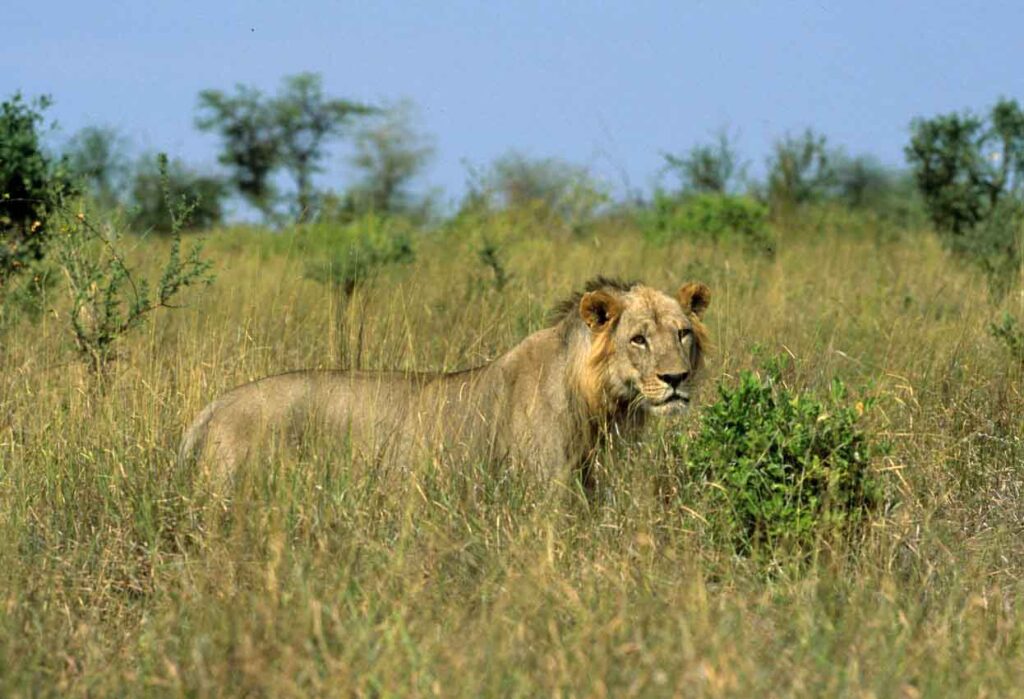
Meru National Park, Kenya – Big Five Safari Wilderness, Rhino Sanctuary, Adamson Legacy and Kenya’s Most Beautiful Underrated Park
Meru National Park is one of Kenya’s most extraordinary wildlife destinations—rugged, scenic, uncrowded and bursting with iconic East African biodiversity. Situated east of Mount Kenya, this vast wilderness seamlessly blends riverine forests, acacia-dotted savannas, rolling grasslands, volcanic formations, swamps and palm-lined riverbanks. Meru is a place where elephants gather in river channels, lions patrol golden plains, rhinos thrive in one of Kenya’s most successful sanctuary zones, and birds fill the forests with constant movement and color. Known internationally as the home of Elsa the lioness from the “Born Free” story, Meru offers not only historical depth but also ecological richness unmatched by many other Kenyan parks. Its landscapes feel wild, untouched and peacefully remote—making it a prime destination for travelers seeking a true, authentic African safari away from crowds.
Overview
Covering approximately 870 km², Meru National Park is an ecological treasure managed by the Kenya Wildlife Service. The park plays a crucial role in Kenya’s conservation network thanks to its diverse habitats, abundant water sources and high densities of wildlife. Unlike busier safari areas, Meru maintains an atmosphere of solitude and raw wilderness—ideal for safari enthusiasts, photographers, naturalists and researchers seeking an undisturbed wildlife-viewing experience. Its thriving rhino sanctuary, exceptional predator populations, rare northern Kenya species and variety of habitats make it a top-tier destination for those seeking both classic savanna experiences and unique wildlife encounters.
Location and Key Facts
Meru National Park lies on the northeastern foothills of Mount Kenya, straddling a dynamic ecological transition zone where central highland vegetation meets the more arid landscapes of northern Kenya. This natural transition contributes to the park’s exceptional biodiversity, with species from both ecosystems thriving within its boundaries. Meru’s location makes it accessible yet beautifully remote, offering visitors the perfect balance of convenience and wilderness isolation.
- Country: Kenya
- County: Meru County
- Coordinates: Eastern Kenya, northeast of Mount Kenya
- Area: Approximately 870 km²
- Altitude: 600–900 metres above sea level
- Established: 1966
- Main Rivers: Tana River, Rojewero, Ura River, Kinna River and several perennial streams
Geology and Soils
Meru’s dramatic landscapes are steeped in geological history. The park features ancient volcanic lava flows, basaltic ridges, scattered granite outcrops and fertile volcanic soils that support dense vegetation. These geological formations are remnants of past volcanic activity associated with the Great Rift Valley’s tectonic dynamics. The rocky outcrops—rugged and visually striking—provide elevated vantage points used by predators such as lions and leopards, as well as habitat for klipspringers and hyraxes. The fertile volcanic soils along the riverbanks allow for tall, lush vegetation, while the more arid sections with sandy or rocky soils sustain drought-resistant shrubs and grasses. This geological variety underpins Meru’s impressive ecological diversity and contributes to its scenic beauty.
Climate
Meru National Park experiences a warm, semi-arid to sub-humid equatorial climate that varies with altitude and season. Its proximity to Mount Kenya influences local weather patterns, bringing more rainfall than is typical for parks in northern Kenya. This consistent availability of water helps sustain the park’s dense wildlife populations, especially during dry periods.
- Average Temperature: 20°C–30°C
- Rainfall: 600–800 mm per year
- Wet Seasons: March–May (long rains) and October–December (short rains)
- Dry Seasons: January–March and June–September
Seasonal Climate Pattern
During the rainy seasons, Meru transforms into a vibrant green sanctuary, with swelling rivers, thriving vegetation and abundant grazing. Wildlife disperses across the rejuvenated plains, while migratory birds arrive in large numbers. In the dry seasons, wildlife congregates around the perennial rivers and wetlands, making animal sightings easier and more predictable. The interplay between wet and dry periods creates strong ecosystem dynamics, supporting the cycles of plant growth, grazing patterns, predator-prey interactions and bird migrations that define Meru’s ecological richness.
Hydrology
Meru is one of Kenya’s most water-rich protected areas, distinguished by its network of 13 permanent rivers and numerous seasonal streams. The Tana River—the longest river in Kenya—forms the park’s southern boundary, while the Rojewero River and Ura River flow through the interior, creating lush riverine forests and supporting a wide range of wildlife. The consistent water supply attracts elephants, buffaloes, black rhinos, hippos, crocodiles, giraffes, antelopes, primates and numerous bird species. Wetlands like Murera and Bwatherongi form critical dry-season grazing zones and nursery habitats for young animals. These hydrological systems are the lifeblood of Meru, differentiating it from Kenya’s drier parks and contributing to its lushness.
Ecosystems and Habitats
Few parks in East Africa offer the ecological variety found in Meru. The park encompasses multiple interconnected ecosystems that support a wide range of wildlife species. This ecological diversity is one of Meru’s defining strengths, creating a mosaic of landscapes that cater to different animal preferences and seasonal movements.
- Acacia and commiphora savanna: Ideal habitat for herbivores such as zebras, oryx, kudu and hartebeest.
- Riverine forests: Thick belts of doum palms, figs and tamarinds that attract elephants, rhinos and primates.
- Open grasslands: Preferred hunting grounds for lions, cheetahs and jackals.
- Wetlands and swamps: Breeding grounds for amphibians and feeding zones for hippos, crocodiles and waterbirds.
- Rocky hills and lava flows: Home to klipspringers, hyraxes and leopards.
- Bushland and scrub habitats: Excellent browsing areas for giraffes and browsing antelopes.
This diverse tapestry of ecosystems ensures that visitors experience constant changes in scenery and wildlife encounters, making a safari in Meru incredibly dynamic and rewarding.
Vegetation
The vegetation of Meru National Park reflects its hybrid ecological character. Along the Tana and Rojewero Rivers, lush riverine forests dominate, featuring towering doum palms, banana palms, acacia species, sycamore figs, baobabs and dense undergrowth. These green corridors provide essential cover and forage for elephants, rhinos, monkeys and numerous bird species. The plains, in contrast, consist of open savannas dotted with acacia trees, shrubs and hardy grasses that attract grazers and browsing wildlife. In wetter years, wildflowers and newly sprouting grasslands transform Meru into a colourful panorama that supports expansive herds of herbivores. Meanwhile, the rocky outcrops and drier patches hold drought-resistant shrubs and scattered vegetation adapted to arid conditions.
Park Zoning and Management
Meru National Park is zoned to protect wildlife while offering controlled tourism experiences. The Kenya Wildlife Service manages the park’s zoning system, which balances conservation, research and visitor use.
- Rhino Sanctuary Zone: A fenced, heavily patrolled area dedicated to black and white rhino conservation. One of Kenya’s top rhino strongholds.
- Wilderness Zone: Areas with minimal roads and human impact, reserved for ecological protection and research.
- Tourism Zone: Road networks, lodges and campsites are concentrated here to prevent widespread disturbance to wildlife.
- Community Buffer Zones: Surrounding landscapes where conservation partnerships help reduce human–wildlife conflict.
This structured management approach has been vital for Meru’s revival, allowing wildlife to flourish while supporting sustainable tourism and community involvement.
Wildlife of Meru National Park
Mammals
Meru National Park boasts more than 60 mammal species, including the Big Five: lions, leopards, elephants, buffaloes and both black and white rhinos. The rhino sanctuary within the park is one of Kenya’s most successful conservation initiatives. Lions thrive across the savannas, hunting zebras, warthogs and buffalo calves. Cheetahs use the open plains for high-speed chases, while leopards hide among the rocky hills and dense forests. Elephants roam freely through the river valleys, often appearing in large family groups. Buffaloes are abundant and frequently seen around wetlands.
Meru is also remarkable for its populations of northern Kenya specialist species, including:
- Grevy’s zebra
- Reticulated giraffe
- Beisa oryx
- Gerenuk (giraffe gazelle)
- Lesser kudu
These species, typically associated with more arid northern reserves, coexist with classic savanna animals thanks to Meru’s transitional environment. Other mammals include hippos, hyenas, aardwolves, servals, elands, waterbuck, hartebeest, dik-diks and primates such as vervet monkeys and baboons.
Birdlife
Birdwatchers consider Meru a paradise thanks to its more than 400 recorded bird species. The mix of rivers, forests, wetlands, grasslands and scrub creates ideal bird habitats. Notable species include:
- Pel’s fishing owl
- African finfoot
- Somali ostrich
- Golden-breasted starling
- Martial eagle
- Secretary bird
- Speckle-fronted weaver
- White-faced whistling duck
- Malachite kingfisher
- Grey-headed kingfisher
The wetlands also attract herons, storks, egrets, ibises and ducks. The variety of habitats ensures excellent birdwatching year-round, especially during migratory seasons.
Reptiles, Amphibians and Invertebrates
Meru’s numerous rivers are home to many Nile crocodiles and hippos. Reptiles such as monitor lizards, tortoises, chameleons and various snakes thrive across the park. Amphibians flourish during rainy periods, with frogs and toads initiating vibrant nighttime choruses. Invertebrates, especially butterflies, dragonflies and beetles, are abundant and play essential roles in pollination and nutrient cycling.
Unique Features of Meru National Park
- One of Kenya’s top rhino sanctuaries with both black and white rhinos.
- The home of Elsa the lioness and the iconic Adamson conservation story.
- Thirteen permanent rivers—making it one of East Africa’s most water-rich parks.
- Diverse wildlife including rare northern species and classic savanna animals.
- Uncrowded safari environment ensuring intimate wildlife encounters.
Visitor Experience
A safari in Meru National Park feels raw, immersive and deeply connected to nature. Unlike more visited parks, Meru offers peaceful game drives where vehicles are rare and wildlife sightings feel personal. The shifting landscapes—lush riverine forests, glowing savannas, palm-fringed waterways and rugged rock formations—create a constantly changing backdrop. Road conditions vary with the season; the dry months offer smoother driving, while the green season brings some muddy patches but also vibrant scenery and spectacular birdlife. The atmosphere is serene, idyllic and perfect for travelers who love wilderness without crowds.
Photography Highlights
Photographers find Meru one of Kenya’s most rewarding locations. The contrast between riverine greenery and golden plains creates dramatic compositions. Key photography hotspots include:
- Elsa’s Kopje: A hilltop with sweeping sunrise and sunset views across the plains.
- Rojewero River: Ideal for capturing elephants, hippos, crocodiles and waterbirds.
- Wetland areas: Perfect reflections and wildlife interactions during dry seasons.
- Lava flows: Unique rocky foregrounds for predator and landscape shots.
The low visitor numbers allow for uninterrupted photography sessions, making Meru a favourite of professional and enthusiast photographers.
Cultural and Indigenous Communities
The surrounding areas of Meru National Park are inhabited by the Meru, Borana, Somali and Tharaka communities. Their cultural traditions include pastoralism, beekeeping, shifting agriculture and artisanal crafts. Community-based tourism initiatives in buffer zones help integrate local people into conservation efforts, while conflict mitigation programmes reduce tension between farmers and elephants or predators. Cultural visits, dances, handicrafts and storytelling provide visitors with meaningful insights into local traditions.
Conservation Importance
Meru’s conservation significance cannot be overstated. After severe poaching in the 1980s and 1990s, wildlife populations in the park were drastically reduced. However, strong government intervention, dedicated anti-poaching initiatives, improved ranger training and community participation led to one of Africa’s most successful wildlife recoveries. Today, Meru stands as a symbol of resilience and effective conservation management. The rhino sanctuary contributes significantly to Kenya’s national rhino population, while predator numbers have steadily increased thanks to habitat protection and lower human pressure.
Threats and Challenges
- Historical poaching: Now under control but left lasting ecological effects.
- Human–wildlife conflict: Elephants occasionally damage crops near park edges.
- Climate change: Prolonged droughts affect vegetation and grazing patterns.
- Invasive species: Require active management to prevent the spread of non-native plants.
Research and Monitoring
Meru National Park hosts long-term research on rhino ecology, elephant migration, predator dynamics, vegetation changes and avian diversity. Partnerships between KWS, conservation NGOs and international researchers help guide park management. Camera traps, aerial surveys, GPS collaring, vegetation mapping and population monitoring play key roles in sustaining Meru’s ecological integrity.
Safety and Health Tips
Visitors should be well-prepared for the conditions in Meru:
- Malaria prevention: Recommended due to the warm climate.
- Tsetse flies: Present in woodland areas; wear neutral colours to avoid attracting them.
- Heat management: Carry plenty of water and avoid midday hikes.
- Wildlife safety: Keep distance, remain in vehicles and follow guide instructions.
- Rainy season caution: Tracks can become muddy and challenging.
Tourism Activities
Meru offers an exciting range of safari activities:
- Game drives across diverse habitats
- Guided walking safaris with trained rangers
- Birdwatching in forests, wetlands and plains
- Photographic safaris
- Visits to Elsa’s Kopje and Adamson conservation sites
Nearby Attractions
Meru combines perfectly with neighbouring protected areas to create multi-destination safaris:
- Kora National Park: A rugged wilderness and home of George Adamson’s legacy.
- Bisanadi National Reserve: Semi-arid landscapes supporting arid-adapted species.
- Mwingi National Reserve: Rocky terrain and desert flora.
- Samburu & Buffalo Springs: Northern Kenya’s iconic wildlife species.
- Mount Kenya National Park: Alpine forests, moorlands and snow-capped peaks.
Access and How to Get There
Meru National Park is accessible via well-maintained highways from Nairobi, with travel times of approximately 5–6 hours depending on route. For visitors preferring air travel, several airstrips within and around the park—such as Elsa’s Kopje Airstrip—accommodate charter and scheduled flights. This makes Meru an excellent destination for travelers seeking a quick yet immersive safari experience.
Permits and Park Rules
Entry fees for Meru National Park are administered by the Kenya Wildlife Service. Visitors must stay on designated tracks, avoid littering, and refrain from disturbing wildlife. Night drives and walking safaris may only be conducted with licensed guides or lodges authorized by KWS.
Accommodation
Meru offers a range of accommodation options, including:
- Luxury lodges: Elsa’s Kopje, known for its iconic location and panoramic views.
- Mid-range tented camps: Offering immersive natural surroundings and excellent guiding.
- Public campsites: Ideal for adventurous travelers with their own equipment.
These accommodation choices allow visitors to enjoy comfort, exclusivity or adventure depending on their preference.
Best Time to Visit
The best time to visit Meru is during the dry seasons from June to September and January to March, when wildlife gathers around rivers and wetlands. However, the green season (October to December) brings lush landscapes, beautiful light for photography and excellent birdwatching opportunities, making the park rewarding year-round.
Why Meru National Park Is Unique
Meru National Park stands out as one of Kenya’s most ecologically rich and visually stunning wilderness areas. Its rare combination of Big Five wildlife, thriving rhino sanctuary, northern specialist species, volcanic landscapes, riverine forests and low visitor density makes it a truly exceptional safari destination. Coupled with its historical link to the beloved “Born Free” story, Meru offers an unmatched blend of natural beauty, wildlife diversity and emotional connection to Kenya’s conservation legacy. For travelers seeking an authentic, wild and profoundly rewarding safari, Meru National Park is simply unforgettable.