
Mont Péko National Park
Mont Péko National Park, Côte d’Ivoire – Granite Mountain Landscapes, Upper Guinean Rainforest Wildlife, Forest Elephants and Sacred Cultural Heritage
Mont Péko National Park is one of Côte d’Ivoire’s most ecologically important and visually striking protected areas—an exceptional landscape where ancient Guinean rainforests, dramatic granite mountains, sacred cultural sites and rare wildlife converge. Covering around 340 km² in the western highlands near Duékoué, the park safeguards one of the most threatened stretches of the Upper Guinean Forest, a biodiversity hotspot of global significance. Its defining feature is the imposing Mont Péko, a towering granite inselberg rising close to 900 meters above sea level and offering panoramic views of forest canopies, sunlit valleys and surrounding farming communities. Despite its relatively modest size, Mont Péko shelters an astonishing array of wildlife including forest elephants, chimpanzees, pangolins, duikers, hornbills, rare amphibians and countless endemic plant species—making it a treasure of West African ecology.
For travelers seeking authentic rainforest adventures in Côte d’Ivoire, Upper Guinean biodiversity hotspots, forest elephant habitats or less-visited nature destinations in West Africa, Mont Péko offers an experience that blends nature, culture and conservation. Its remote forest trails, sacred mountain viewpoints and vibrant wildlife make it one of Ivory Coast’s most rewarding conservation landscapes.
Overview of Mont Péko National Park
Gazetted in 1968, Mont Péko National Park was established to preserve the country’s rapidly diminishing Guinean rainforest, an ecosystem once spanning vast portions of West Africa. The park sits at the heart of the Upper Guinean Biodiversity Hotspot—one of the most species-rich but critically endangered forest systems globally. It is renowned for its ecological complexity, from multilevel forest canopies to riverine ecosystems, granite rocky slopes and high-altitude vegetative pockets that support specialized flora and fauna.
The park is managed by the Office Ivoirien des Parcs et Réserves (OIPR), which implements anti-poaching patrols, reforestation programs, wildlife surveys and community outreach initiatives. After periods of illegal settlement and unsustainable farming activities, conservation authorities—with support from international partners—have restored degraded areas, strengthened boundary enforcement and reestablished ecological corridors vital to the movement of elephants, primates and forest carnivores.
Location, Size and Key Facts
Mont Péko National Park is located in western Côte d’Ivoire, spanning the Guémon and Haut-Sassandra regions, a landscape characterized by rolling hills, dense forests and fertile agricultural zones. With approximately 340 km² of protected forest and mountainous terrain, it is one of the most significant ecological refuges in the country.
Key facts at a glance:
- Established: 1968
- Protected area: approx. 340 km²
- Main peak: Mont Péko (approx. 900 m)
- Elevation range: 300–900 m
- Biome: Upper Guinean Rainforest
- Conservation value: habitat for endangered elephants, chimpanzees and endemic birds
Historical and Cultural Background
Long before its designation as a national park, Mont Péko held deep spiritual significance for Indigenous Wê (Guéré) communities. The mountain’s granite summit and surrounding forests were believed to be homes of ancestral spirits and protective supernatural forces. Cultural taboos restricted hunting, logging and farming in sacred areas, inadvertently contributing to early conservation of the forest and wildlife.
During the 20th century, agricultural expansion—especially cocoa and coffee farms—led to intense deforestation across western Côte d’Ivoire. The national park became one of the last intact forest refuges. Periods of civil instability later intensified illegal land occupation and wildlife decline. In recent years, restored government control and targeted conservation interventions have reduced encroachment, revitalized degraded zones and encouraged local participation in protecting the park’s natural and cultural heritage.
Geography and Major Landscapes
Mont Péko National Park stands out for its striking topographical variety. Its landscapes alternate between dense rainforest, steep hillsides, rocky outcrops, deep river valleys and expansive forest plateaus. The dominant geological feature—the granite Mont Péko massif—is an ancient inselberg created through long-term erosion and tectonic uplift. From its summit, vast views reveal an ocean of green tree canopies stretching into the horizon.
These landscapes provide an ideal mosaic of habitats for wildlife. The lower slopes are blanketed in evergreen and semi-deciduous forest, while mid-elevations feature cooler, moister submontane forests. The rocky summit supports drought-tolerant plants, lichens, grasses and specialized flowering species. Such environmental gradients enhance biodiversity and influence the distribution of plant and animal species across the park.
Climate of Mont Péko National Park
The park experiences a humid tropical climate dominated by heavy rainfall and warm temperatures typical of the Upper Guinean forest zone. Rainfall averages 1,500–2,000 mm annually, with the wettest period occurring from April to October. This abundant moisture supports a thriving rainforest ecosystem characterized by dense tree cover, mosses, fungi and amphibians.
Temperatures typically range from 22°C to 30°C, but high-altitude areas such as Mont Péko’s summit offer cooler conditions and frequent fog banks. These microclimates are crucial for the survival of moisture-dependent species such as orchids, lichens, epiphytic plants and endemic amphibians found nowhere else in Côte d’Ivoire.
Hydrology and Water Systems
Mont Péko acts as an essential water tower for surrounding agricultural communities. Numerous permanent streams originate within its forested mountains, feeding into larger river basins that supply water for drinking, irrigation and fisheries. The park’s intact forest canopy regulates rainfall absorption, slows surface runoff and protects soils from erosion.
Riparian corridors—lush riverine forests lining streams—support some of the park’s highest biodiversity concentrations. These areas host amphibians, freshwater crabs, insects, reptiles and birds that rely on the continuous presence of water. During the dry season, these streams provide vital habitat refuges for wildlife as surrounding areas experience water scarcity.
Ecosystems and Vegetation Zones
Mont Péko’s plant life reflects the rich ecological character of the Upper Guinean rainforest system. Its vegetation zones vary depending on altitude, soil depth, moisture levels and exposure to sunlight.
Lowland Rainforest
Lower elevations are dominated by tall evergreen and semi-deciduous tree species such as Terminalia, Celtis, Triplochiton, Uapaca and the towering Ceiba pentandra (kapok). Dense canopy layers shade thick undergrowth composed of ferns, palms, lianas and medicinal plants traditionally used by local communities.
Submontane Moist Forest
Mid-elevation forests contain cooler, more humid conditions ideal for mosses, bromeliads, lichens, orchids and shade-loving shrubs. These forests are among the park’s richest in terms of amphibian species and forest birds.
Granite Inselberg Vegetation
The Mont Péko summit hosts plant species adapted to shallow soil, intense sunlight and irregular moisture availability. These include succulents, aromatic shrubs, grasses, drought-tolerant flowers and unique lichens that adhere to exposed granite surfaces.
Riverine and Wetland Vegetation
Along streams grow bamboo clusters, raffia palms, water-tolerant hardwoods and dense vines. These riverine forests support amphibians, reptiles, invertebrates and birds that depend on moist habitats.
Wildlife of Mont Péko National Park
Mammals
Despite its small size, Mont Péko supports notable mammal diversity, including species that are increasingly rare across West Africa. Key mammals include:
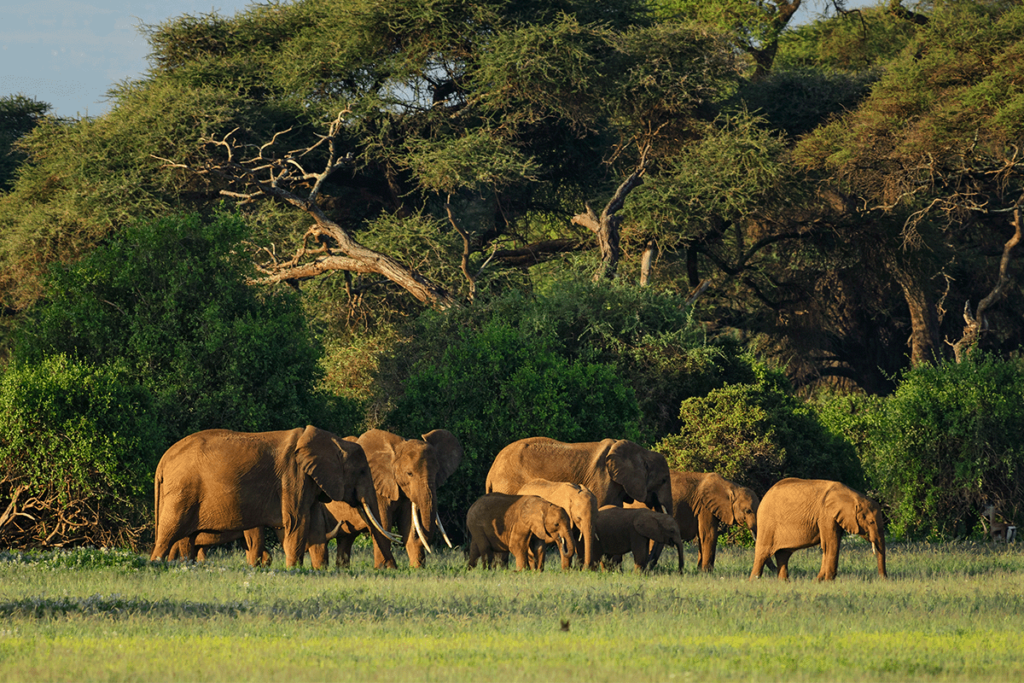
- Forest elephants – vulnerable and highly threatened; occasional signs indicate ongoing use of forest corridors
- West African chimpanzees – shy primates inhabiting remote forest patches
- Pangolins – including the white-bellied and black-bellied species
- Duikers – such as Maxwell’s duiker and the bay duiker
- Forest buffalo
- Bats, rodents and small carnivores that contribute to seed dispersal and insect control
Birdlife
Mont Péko is one of Côte d’Ivoire’s best birding destinations, hosting over 200 species. Its forests provide refuge for rare and endemic birds such as:
- White-breasted guineafowl – a Near-Threatened forest specialist
- Black-casqued hornbill
- Yellow-casqued hornbill
- African grey parrot
- Nimba flycatcher – near-endemic to the Upper Guinean Forest
- Sunbirds, kingfishers, barbets and numerous greenbuls
Reptiles and Amphibians
Chameleons, geckos, monitor lizards, forest cobras, tree frogs and endemic toads thrive in the park’s moist and shaded environments. Amphibians, in particular, are important ecological indicators of healthy rainforest systems.
Invertebrates
Mont Péko teems with butterflies, dragonflies, snails, beetles, ants, spiders and freshwater invertebrates. Rare butterflies, in particular, attract researchers and nature photographers.
Unique Features of Mont Péko
Mont Péko’s uniqueness lies in its combination of granite mountain summits, pristine rainforest, cultural sanctity and concentrated wildlife diversity. Its dramatic inselberg is one of Côte d’Ivoire’s most visually striking natural formations. The park also protects species that have disappeared from heavily deforested surrounding regions.
Cultural and Indigenous Importance
For Wê (Guéré) communities, Mont Péko is not merely a mountain but a spiritual symbol. Sacred groves, traditional rituals and ancestor veneration play important roles in shaping local relationships with nature. Cultural values emphasize forest protection and sustainable use of natural resources.
Conservation Significance
Mont Péko is essential for maintaining Ivory Coast’s forest biodiversity, protecting endangered wildlife, supporting regional climate stability and safeguarding water resources. As a carbon-rich rainforest ecosystem, it also contributes to climate mitigation and ecological resilience.
Major Threats
The park faces ongoing threats from illegal farming, poaching, logging pressure, land encroachment, bushfires and climate change. The expansion of cocoa and coffee production remains a significant concern for long-term forest integrity, requiring continuous enforcement and community collaboration.
Research, Monitoring and Restoration Programs
Current research focuses on chimpanzee conservation, elephant movement patterns, amphibian diversity, plant regeneration and ecosystem restoration. Collaborative projects support ecological monitoring, reforestation and the protection of wildlife corridors. Restoration programs target former agricultural lands, helping rebuild key habitats.
Tourism Activities
Hiking and Forest Exploration
Visitors can explore forest trails leading to scenic viewpoints, river valleys, waterfalls and Mont Péko’s summit. These hikes offer rewarding photography opportunities and immersive rainforest experiences.
Wildlife Observation
While dense vegetation makes sightings unpredictable, patient visitors may observe duikers, primates, hornbills, parrots, butterflies and signs of elephants or chimpanzees.
Birdwatching
Mont Péko is a paradise for birding enthusiasts, offering strong chances to encounter rare Upper Guinean forest species across multiple habitat types.
Cultural Encounters
Nearby villages offer authentic cultural experiences including traditional dances, local crafts, ancestral stories and community conservation projects.
Access and Getting There
The park can be reached from Duékoué, Bangolo or Man. A 4×4 vehicle is recommended, particularly during the rainy season. Guided excursions ensure visitor safety, proper route navigation and compliance with conservation protocols.
Permits and Regulations
Entry requires authorization from OIPR. Visitors must follow designated routes, respect wildlife, avoid disturbing sacred sites and refrain from harvesting plants. Research and filming require special permits.
Accommodation Options
There are no lodges inside the park, but Duékoué, Bangolo and nearby towns offer guesthouses, budget hotels and community-run accommodations that serve as excellent bases for exploring Mont Péko.
Best Time to Visit
The dry season (November–February) provides ideal hiking and wildlife viewing conditions. The rainy season (April–October) offers lush scenery, brilliant forest colors and increased bird activity but can make trails more challenging.
Why Mont Péko National Park Is Unique
Mont Péko National Park is a rare blend of unspoiled rainforest, sacred cultural heritage, towering granite mountains and extraordinary wildlife diversity. Its ecological role, scenic landscapes and cultural importance make it one of Côte d’Ivoire’s most valuable protected areas—a place where nature conservation, mythology and scientific discovery come together in one remarkable West African sanctuary.