
Morne Seychellois National Park
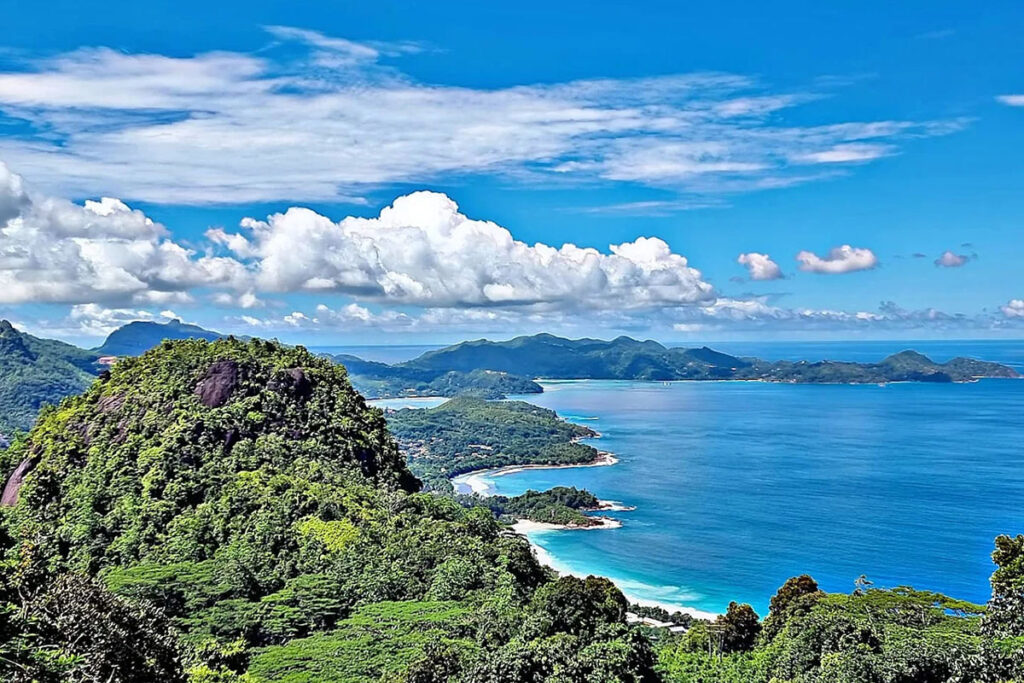
Morne Seychellois National Park, Seychelles – Cloud Forest Peaks, Granite Mountains, Endemic Wildlife and the Scenic Hiking Trails of Mahé
Morne Seychellois National Park is the largest and most ecologically valuable terrestrial protected area in Seychelles. Covering 30.45 km²—nearly one-third of Mahé Island—it is a breathtaking mountain wilderness defined by cloud-covered summits, ancient granite ridges, dense montane rainforests, and rare endemic species found nowhere else on Earth. The towering 905-meter Morne Seychellois, the highest point in Seychelles, lies at the heart of the park, surrounded by winding hiking trails, lush valleys, freshwater rivers, and pristine forest ecosystems that make this park the premier nature destination for travelers seeking adventure, biodiversity, and world-class scenery in the Indian Ocean.
For nature lovers, hikers, birdwatchers, eco-tourists, and conservation-minded travelers, Morne Seychellois National Park offers an immersive experience into Seychelles’ mountainous interior. While the country is famous for its beaches, this park reveals a different, wilder side of the islands—misty summits, moss-draped trees, cloud forest orchids, rare carnivorous plants, and sweeping viewpoints overlooking turquoise bays and forested ridges. With over 15 established trails, rich cultural history, and unique plant and animal life, the park stands as a living example of the archipelago’s prehistoric past and ecological future.
Overview of Morne Seychellois National Park
Established in 1979, Morne Seychellois National Park was created to protect Mahé’s rapidly disappearing native forests, conserve the island’s freshwater sources, and preserve the habitats of endemic species threatened by development and invasive plants. It remains one of Seychelles’ most important protected areas, both for biodiversity and for the ecological services it provides—including climate regulation, cloud moisture capture, soil stabilization, and water purification. The Seychelles National Parks Authority manages the park and oversees conservation initiatives such as invasive-species removal, forest restoration, and scientific monitoring of endemic wildlife and vegetation.
Because much of the park consists of steep and rugged terrain, large areas remain untouched by development, making them crucial refuges for native flora and fauna. These forests are among the last places in the tropics where visitors can walk through pristine cloud forest ecosystems on an oceanic island. The park’s isolation and protection have allowed species like the Seychelles scops owl, Seychelles bronze gecko, and the critically endangered jellyfish tree to survive in otherwise fragile conditions.
Location, Size and Key Facts
Morne Seychellois National Park stretches across Mahé’s central and western highlands. Its diverse landscapes range from coastal wetlands and mangroves to steep granite cliffs and cloud forest-covered peaks. Situated around 4.63°S and 55.43°E, the park’s terrain forms a natural barrier that shapes the island’s weather patterns, river systems, and forest distribution.
Key facts at a glance:
- Established: 1979
- Protected area: 30.45 km²
- Peak: Morne Seychellois (905 m)
- Ecosystems: cloud forest, montane rainforest, mangroves, wetlands
- Trails: Over 15 marked hiking routes
- Importance: largest terrestrial protected area in Seychelles
Geography and Landscapes
The park’s dramatic landscapes are shaped by ancient granite formations that date back more than 650 million years—some of the oldest exposed rock on Earth. These rugged mountains were formed during the breakup of Gondwana and carved into sharp ridges, steep cliffs, rounded domes, and massive boulder fields through millions of years of tropical weathering. This striking geology creates countless microhabitats, each with unique conditions for plants and animals.
The lower slopes are dominated by secondary forest reclaiming former cinnamon and copra plantations. As altitude increases, the vegetation becomes denser and more diverse, transitioning into tall rainforest filled with palms, screw pines, tree ferns, and epiphytes. Near the highest elevations, cool temperatures and constant moisture give rise to rare cloud forests—one of the most fragile and ecologically significant habitats in the Seychelles.
Climate of the Park
The climate in Morne Seychellois National Park is tropical but heavily moderated by altitude. While temperatures on Mahé’s beaches often reach 30°C, conditions within the park can be several degrees cooler, especially within cloud forest zones where mist and wind reduce temperatures significantly. The cooler temperatures and high humidity create ideal conditions for mosses, lichens, orchids, and other moisture-loving plants.
The southeast monsoon (May–September) brings dry, windy weather, making it the best time for hiking and clear viewpoints. Conversely, the northwest monsoon (October–April) delivers warm, humid conditions and heavy rainfall that nourish the park’s rivers, wetlands, and forests. This season is vital for maintaining the hydrological systems that supply Mahé’s freshwater.
Hydrology and Freshwater Systems
Morne Seychellois National Park functions as Mahé’s primary watershed. Its mountain forests capture rainfall and cloud moisture, funneling water into freshwater rivers, streams, and wetlands that sustain the island’s communities and ecosystems. Without the park’s forest cover, Mahé would be at severe risk of water shortages, soil erosion, and ecological instability.
Main river systems include:
- Rivière Mare aux Cochons – flowing through a lush wetland valley
- Rivière Cocos Marron – feeding eastern catchments
- Rivière Baie Lazare – supporting southern wetlands
- Rivière d’Anse Etoile – draining northern slopes
Ecosystems and Vegetation
Morne Seychellois contains the richest forest gradient in Seychelles, shifting rapidly from coastal habitats to high-altitude cloud forest. This vertical diversity is one of the reasons the park supports such high levels of endemism and ecological uniqueness.
Lowland and Mid-Elevation Forests
These forests include a mix of native and introduced species, with cinnamon, takamaka, jackfruit, albizia, and screw pines dominating the landscape. Although influenced by historical plantation activity, these zones are recovering and provide essential habitat for birds, reptiles, and invertebrates.
Montane Rainforest
Higher elevations feature dense montane forest characterized by tall hardwood trees, palms, moss-covered trunks, ferns, orchids, and thick undergrowth. The humidity and shade create ideal conditions for amphibians, endemic shrubs, and cloud-forest specialists. This ecosystem is key to stabilizing steep slopes and preventing erosion.
Cloud Forest
Cloud forests begin above 600 meters and are among the rarest habitats in the Indian Ocean. Constant moisture supports delicate species such as:
- Seychelles pitcher plant (Nepenthes pervillei)
- Seychelles jellyfish tree (Medusagyne oppositifolia)
- High-altitude orchids and mosses
- Rare shrubs adapted to cool, windy conditions
Mangroves and Coastal Wetlands
Mangrove systems along the coastline act as nurseries for juvenile fish and crustaceans, stabilize sediment, and protect against erosion. They also serve as feeding grounds for waterbirds.
Wildlife of Morne Seychellois National Park
Mammals
While Seychelles has few native mammals, the park shelters species of significant conservation interest. The Seychelles fruit bat is common across the island, while the Seychelles sheath-tailed bat—one of the rarest mammals in the world—persists in remote forest pockets.
Birdlife
The park is an exceptional birdwatching destination, offering sightings of:
- Seychelles scops owl – once thought extinct
- Seychelles kestrel – the country’s only endemic raptor
- Seychelles blue pigeon – a striking endemic frugivore
- Seychelles bulbul – active and loud in forest canopy
- White-tailed tropicbirds and swiftlets
Reptiles and Amphibians
Reptiles include green day geckos, Seychelles bronze geckos, wolf snakes, and tree frogs that rely on cool, moist environments. These species add to the park’s biological richness and are indicators of forest health.
Invertebrates
Insects and invertebrates thrive in sheltered, mossy environments. Butterflies, beetles, spiders, giant millipedes, freshwater shrimps, and endemic snails play crucial ecological roles and reflect the island’s evolutionary isolation.
Unique Geological Features
The park’s granite mountains are among the oldest geological formations in the world and are central to Seychelles’ natural identity. Weathered by rain and tropical conditions, they form dramatic cliffs, towering domes, and boulder fields that support rare vegetation and offer breathtaking viewpoints across Mahé.
Cultural and Historical Significance
The park protects historically important sites such as Mission Lodge, an elevated viewpoint and the former location of a school for liberated slave children during the 19th century. This site, recognized by UNESCO, blends cultural heritage with natural beauty. Other historical features include abandoned cinnamon plantations, tea trails, and remnants of colonial-era settlements now reclaimed by forest.
Conservation Importance
Morne Seychellois is critical for conserving Seychelles’ biodiversity, protecting freshwater resources, stabilizing mountain ecosystems, and maintaining forest corridors essential for wildlife. Cloud forests regulate rainfall and moisture, while montane forests prevent soil erosion and landslides—making the park vital for the island’s long-term environmental health.
Main Threats
Threats include invasive plants such as cinnamon and albizia, climate change impacts on cloud forest moisture, soil erosion during heavy rains, and potential wildfires during the dry monsoon. Conservation work focuses on habitat restoration, invasive control, and ecological monitoring.
Research and Monitoring
Scientific research in the park focuses on endemic plants, climate resilience, cloud forest hydrology, amphibian populations, rare invertebrates, and the recovery of species like the jellyfish tree and scops owl. New species are occasionally discovered in isolated cloud forest pockets, highlighting the park’s scientific importance.
Tourism Activities
Hiking and Trekking
The park offers Seychelles’ best hiking experiences. Popular routes include:
- Morne Seychellois Summit Trail – the most challenging route, offering unmatched views
- Morne Blanc Trail – dramatic west-coast panoramas
- Coppolia Trail – overlooking Victoria and St. Anne Marine Park
- Mare aux Cochons – wetlands, forest villages, and multi-habitat exploration
- Anse Major Trail – a scenic coastal path leading to one of Mahé’s most beautiful beaches
Birdwatching
Early morning and late afternoon offer the best chances to spot endemic species. The cloud forest near the summit is a prime location for owl sightings.
Photography
The park’s rugged mountains, misty forests, dramatic cliffs, river valleys, and sweeping coastal views make it one of the most photogenic landscapes in Seychelles.
Cultural Visits
Visitors can explore Mission Lodge, old plantation ruins, and forest trails that highlight Seychelles’ human history and cultural resilience.
Access and Getting There
The park is accessible from Sans Souci Road, Victoria, Beau Vallon, Bel Ombre, and Port Glaud. Many trailheads are reachable by bus or taxi, though guided tours offer deeper insight into the park’s biodiversity and history. Comfortable footwear, hydration, and preparation for changing weather are essential.
Permits and Regulations
Most trails are free to access. Restricted areas, research activities, and certain conservation zones require permits from the Seychelles National Parks Authority. Visitors must stay on marked trails and avoid disturbing wildlife.
Accommodation
There are no lodges within the park, but nearby areas such as Beau Vallon, Bel Ombre, Victoria, and Port Glaud offer eco-lodges, guesthouses, boutique hotels, and luxury beach resorts that serve as ideal bases for exploring the park.
Best Time to Visit
The best time for hiking is during the dry southeast monsoon (May–September) when trails are less slippery and visibility is excellent. The northwest monsoon (October–April) brings lush scenery, flowing streams, and atmospheric cloud forests perfect for photography and nature observation.
Why Morne Seychellois National Park Is Unique
Morne Seychellois National Park is the wild, ancient, and irreplaceable mountain heart of Mahé. With its cloud forests, endemic wildlife, granite peaks, freshwater sources, and scenic hiking trails, the park represents the most complete immersion into Seychelles’ natural heritage. Its landscapes, biodiversity, and cultural history make it one of the most extraordinary national parks in the Indian Ocean and a must-visit destination for travelers seeking authentic nature experiences.