
Moremi Game Reserve
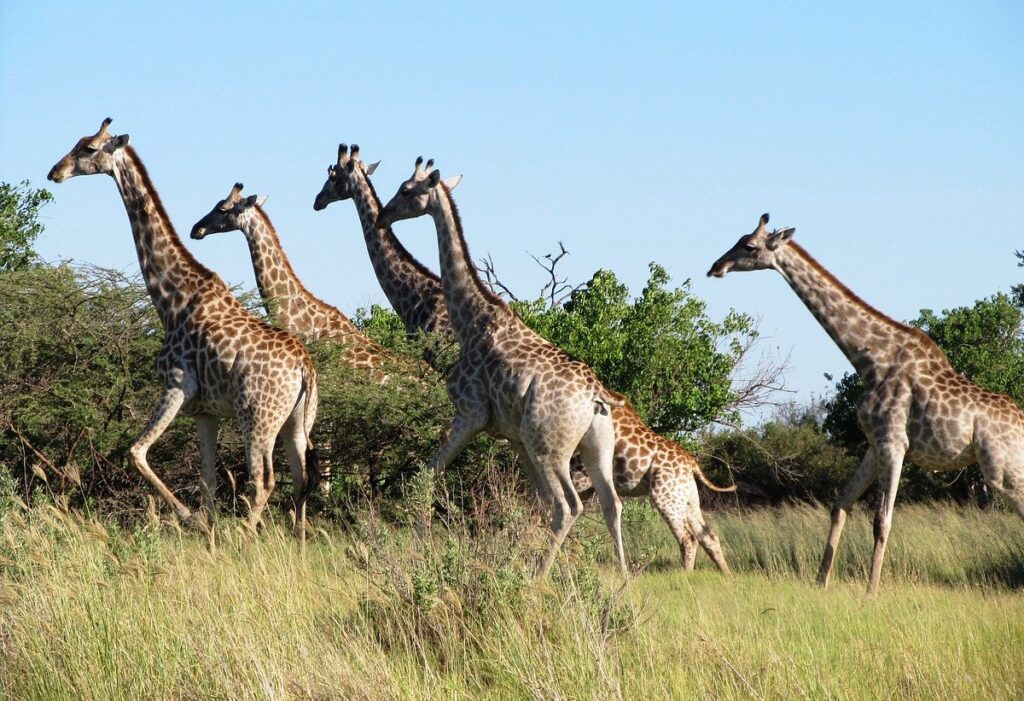
Moremi Game Reserve – Okavango Delta Safari Paradise, Floodplains, Islands, Woodlands and Botswana’s Most Iconic Wilderness
Moremi Game Reserve is one of the most celebrated wildlife sanctuaries in Africa, protecting the eastern section of the Okavango Delta—a vast inland oasis of waterways, floodplains, islands and forests set deep within Botswana’s Kalahari Basin. Covering approximately 5,000 km², Moremi stands as a mosaic of diverse habitats: shimmering lagoons filled with water lilies, papyrus-lined channels, seasonally flooded plains, mopane forests, acacia savannas and towering island woodlands. This complex landscape supports extraordinary wildlife densities, including elephants, lions, leopards, cheetahs, African wild dogs, buffalo, giraffes, hippos, crocodiles, red lechwe, sitatunga and more than 400 bird species. For travelers seeking an authentic Botswana safari, few destinations match the richness, diversity and natural drama of Moremi Game Reserve.
The reserve was established in 1963 by the BaTawana people—the first protected area in Africa declared by an indigenous community. Their foresight preserved one of the continent’s most ecologically valuable regions and ensured that the Okavango Delta would remain a thriving natural wonder for generations. Today, Moremi forms the beating ecological heart of the Okavango Delta UNESCO World Heritage Site, offering unforgettable wildlife encounters, mokoro safaris, game drives, boat cruises and wilderness experiences unmatched anywhere else on the continent.
Location, Size and Geographic Setting
Moremi Game Reserve is located in northern Botswana, covering the eastern and central sections of the Okavango Delta. It stretches across a patchwork of landscapes shaped by water flows arriving from the Angolan highlands. Moremi is bordered by community-managed wildlife areas such as Khwai and Mababe, and it forms an ecological corridor with Chobe National Park, allowing large-scale wildlife movements across the northern Botswana ecosystem.
- Area: Approximately 5,000 km².
- Main regions: Chief’s Island, Xakanaxa, Third Bridge, Mboma Island, Khwai, mopane forests, Andoni plains.
- Proximity to Maun: About 100 km to South Gate.
Moremi’s position at the crossroads of floodplain and woodland ecosystems makes it one of Africa’s most ecologically dynamic reserves. Depending on the season, vast tracts of land may lie underwater or stand dry and open, redirecting wildlife migrations and transforming the scenery from shallow lagoons to grass-covered plains.
Geology and the Formation of the Okavango Ecosystem
The Okavango Delta exists because of a rare geological configuration. Moremi lies in the Kalahari Rift Zone, a system of ancient faults and subsiding basins that trap the Okavango River’s flow rather than allowing it to reach the sea. These fault lines shaped the delta into a vast alluvial fan, while sediment deposition, tectonic uplift, erosion and termite activity created islands and ridges across the landscape.
Key geological features shaping Moremi include:
- Alluvial floodplains: Formed by centuries of sediment distribution from seasonal floods.
- Termite mounds: Mounds built by termites often become elevated enough to host strangler figs, jackalberries and woodlands, eventually forming islands.
- Tectonic uplift: Chief’s Island, the largest island in the delta, was raised slightly above surrounding floodplains due to geological forces.
- Ancient dunes: Remnants of prehistoric Kalahari winds now stabilized by mopane woodland.
Because even a few centimeters of elevation can determine whether land becomes submerged or dry, the delta’s mosaic of islands, plains and channels is incredibly intricate and ever-shifting.
Climate and Seasonal Patterns
The climate of Moremi Game Reserve features warm, wet summers and dry, mild winters—but the key driver of ecological change is the Okavango floodpulse, not local rain. Water from the Angolan highlands arrives months after the rainy season ends in Botswana, creating a unique cycle where peak flooding occurs during the dry season.
- Rainy Season (Nov–Mar): Afternoon thunderstorms, lush vegetation, newborn animals and plentiful food resources.
- Early Dry Season (Apr–Jun): Rainfall fades and the first signs of the floodpulse begin to appear.
- Peak Flood Season (Jun–Aug): A spectacular time for mokoro safaris and boating, with the delta full of water.
- Late Dry Season (Sep–Oct): Wildlife concentrates around permanent water; ideal for predator sightings.
This inverted flood cycle sustains wildlife during the driest months of the year and gives Moremi its global ecological importance.
Hydrology – The Life-Giving Waters of the Okavango Delta
Moremi Game Reserve’s hydrology is defined by the Okavango River, which flows south from Angola and spreads out into a labyrinth of channels, lagoons, marshes and floodplains. Instead of flowing to the ocean, the water evaporates or sinks into the Kalahari sands, creating one of the world’s largest inland deltas.
The annual floodpulse is essential to Moremi’s health:
- Permanent channels: Deep waterways like those in Xakanaxa and Mboma, home to crocodiles, hippos and abundant fish.
- Seasonal floodplains: Vast expanses that fill with water for months, later becoming rich grazing lawns.
- Lagoons and pans: Shallow basins attracting elephants, buffalo, giraffes and antelope.
- Swamps and marshes: Dense papyrus and reed belts supporting sitatunga and countless birds.
As floodwaters move through Moremi, they bring nutrients that rejuvenate soils, stimulate plant growth and trigger breeding cycles for fish, frogs, birds and insects. This hydrological rhythm underpins the entire ecosystem, making Moremi one of the most productive wildlife habitats in Africa.
Ecosystems and Habitat Diversity
Moremi is renowned for its extraordinary range of ecosystems, each offering habitat for different wildlife and plant communities. The interplay of water, land and vegetation creates a constantly changing environment.
- Permanent Swamps: Papyrus, water lilies and deep channels forming the delta’s aquatic core.
- Seasonal Marshes: Productive areas where red lechwe, buffalo, cranes and other species thrive.
- Mopane Woodlands: Dominant in eastern Moremi, heavily utilized by elephants.
- Riparian Forests: Large trees such as jackalberry, sausage tree and mangosteen stabilizing riverbanks and providing shade for wildlife.
- Acacia Savannas: Open plains ideal for cheetahs, giraffes and antelope.
- Sandveld Woodlands: Drier, nutrient-poor soils supporting adapted flora.
This diversity supports intense wildlife densities and offers exceptional year-round safari opportunities.
Vegetation – From Floodplain Grasses to Island Woodlands
Moremi’s vegetation evolves seasonally with water levels. Floodplains erupt with grasses and sedges during the wet season, attracting grazing herbivores. As water recedes, nutrient-rich grasses create green carpets across former wetlands.
Key vegetation types include:
- Floodplain grasses: Vital food sources for buffalo, red lechwe, wildebeest and impala.
- Papyrus and reeds: Classic wetland vegetation supporting sitatunga and aquatic birds.
- Water lilies: Creating vibrant islands of color and shade for fish and amphibians.
- Mopane forests: Drought-tolerant woodlands forming elephant corridors.
- Acacia species: Providing browse for giraffes and shelter for birds.
Island vegetation, composed of jackalberries, sycamore figs and forest trees, is especially important for nesting birds, leopards, monkeys and fruit-eating wildlife.
Wildlife of Moremi Game Reserve
Mammals
Moremi ranks among Africa’s finest destinations for large mammal viewing. Its ecosystems support exceptional populations of herbivores and carnivores, especially during the dry season when wildlife congregates around permanent water.
- Elephants: Thousands move between mopane woodlands and delta channels.
- Lions: Large prides often seen hunting buffalo or red lechwe in open floodplains.
- Leopards: Common along riverine forests and island edges.
- African wild dogs: One of the world’s best places to see this endangered species.
- Cheetahs: Predators of open plains, frequently seen hunting for antelope.
- Buffalo: Massive herds roam the plains and islands.
- Sitatunga: Rare swamp antelope hiding in papyrus channels.
- Red lechwe: Iconic and numerous in shallow floodplains.
- Hippos and crocodiles: Dominant in lagoons and channels.
Moremi’s wildlife density, diversity and predator-prey interactions make it a top-tier safari destination recognized globally.
Predator Behavior Ecology
Moremi’s predators display remarkable behavioral patterns influenced by water, prey availability and seasonal movements.
- Lions: Buffalo hunters on Chief’s Island; also ambush prey near water boundaries.
- Leopards: Wide-ranging, using forested islands as core territories.
- Cheetahs: Fast, daylight hunters favoring open savannas east of the reserve.
- Hyenas: Scavengers and hunters that compete directly with lions and wild dogs.
- Wild dogs: Known for high hunting success, denning close to islands and woodlands.
These dynamics contribute to some of the most dramatic wildlife viewing opportunities in Africa, particularly during the dry season.
Birdlife
Moremi Game Reserve is a world-class birding destination, with more than 400 species inhabiting its wetlands, woodlands and floodplains. The wide range of ecosystems supports both resident and migratory birds.
- Pel’s fishing owl: A delta icon often seen along quiet channels.
- Wattled crane: Rare and elegant, dependent on shallow wetlands.
- Slaty egret: One of the Okavango’s special species.
- Heronry colonies: Seasonal nesting sites for storks, herons and egrets.
- Bee-eaters and kingfishers: Abundant along waterways.
- Fish eagles: Calling across the waterways.
- African skimmers: Nesting on sandbanks during low-water months.
Reptiles, Amphibians and Aquatic Life
Moremi’s aquatic ecosystems support a wide variety of reptiles and amphibians. Nile crocodiles thrive along the channels, while monitor lizards patrol riverbanks. Frogs and toads breed in shallow pools after summer rains, producing a chorus that fills the night air. Fish species include tilapia, catfish, bream and tigerfish, forming a crucial food resource for birds and aquatic predators.
Insects also play an essential ecological role. Dragonflies and damselflies hover above water lilies, while seasonal hatches of midges and aquatic larvae fuel bird migrations and fish breeding cycles.
Chief’s Island – Moremi’s Premier Wildlife Destination
Chief’s Island is the largest and most iconic island in the Okavango Delta. Raised slightly by tectonic activity, it remains dry even during peak floods, providing refuge for enormous concentrations of wildlife. During the dry season, animals move here in large numbers, making Chief’s Island one of Africa’s most productive and reliable safari destinations.
The island is famously known for:
- High predator densities: Lions, leopards, wild dogs and hyenas.
- Huge elephant herds: Especially in late dry season.
- Buffalo concentrations: Often hunted by lions.
- Rhino reintroduction: The core site of Botswana’s successful rhino program.
Chief’s Island is also home to some of Botswana’s most luxurious safari lodges, offering exclusive guided experiences, mokoro excursions and boat safaris.
Cultural Heritage and BaTawana History
The creation of Moremi Game Reserve in 1963 by the BaTawana tribe was a groundbreaking moment in African conservation. Instead of following colonial or government mandates, the community voluntarily protected the land to ensure long-term ecological and cultural survival.
Today, communities around Moremi—such as Khwai, Mababe and Sankoyo—manage wildlife areas adjacent to the reserve. They operate lodges, campsites, guiding services and anti-poaching patrols, ensuring conservation benefits flow directly to local households.
Conservation Importance
Moremi Game Reserve is critical to the ecological health of the Okavango Delta and the broader KAZA transfrontier conservation landscape.
- Stronghold for endangered African wild dogs.
- Major refuge for sitatunga and red lechwe.
- High-density lion and leopard populations.
- Vital breeding ground for rare birds.
- Dry-season sanctuary for thousands of elephants and buffalo.
The floodpulse system maintained within Moremi also supports biodiversity far beyond Botswana, influencing ecosystems throughout the region.
Threats and Environmental Pressures
- Climate change: Affecting flood volumes and timing.
- Elephant over-browsing: Concentrated impacts on mopane forests.
- Human–wildlife conflict: Crop damage and livestock predation on community edges.
- Poaching: Controlled but still a threat in surrounding regions.
- Tourism pressure: Increased vehicle traffic in sensitive areas.
Conservation strategies include adaptive management, ecological monitoring, community empowerment and strong anti-poaching enforcement.
Research and Monitoring Programs
Moremi is at the forefront of African wildlife research, with long-term studies providing crucial data for conservation.
- Predator collaring programs tracking lions, leopards, cheetahs and wild dogs.
- Elephant movement studies revealing long-distance migration routes.
- Floodpulse modelling using satellite imagery and hydrological data.
- Bird breeding monitoring in heronries and wetland areas.
- Vegetation succession studies linked to flood and fire cycles.
- Rhino monitoring on Chief’s Island.
These studies inform regional conservation planning and help maintain the long-term health of Moremi’s ecosystems.
Tourism Activities in Moremi Game Reserve
- Game Drives: Outstanding predator sightings and large herbivore encounters.
- Mokoro Safaris: Traditional dugout canoe trips through shallow channels and lily-filled lagoons.
- Boat Safaris: Accessible in deep-water areas such as Xakanaxa and Mboma.
- Walking Safaris: Guided experiences focusing on tracks, plants and small animals.
- Birdwatching: Pel’s fishing owl, cranes, skimmers and summer migrants.
Access – How to Reach Moremi Game Reserve
- By Air: Charter flights from Maun or Kasane to private and public airstrips.
- By Road: 4×4 access from South Gate or via Khwai; sandy and flooded roads require experience.
- By Boat: Some lodges and delta areas are accessed by speedboat or mokoro.
Permits and Visitor Regulations
- Park fees required at gates.
- Driving restricted to marked tracks.
- Camping only in designated campsites.
- No feeding wildlife.
- Respect wildlife viewing distances.
Accommodation Options in Moremi Game Reserve
- Luxury Lodges: Chief’s Island, Xakanaxa and Khwai.
- Mobile Safari Camps: Seasonal setups offering immersive experiences.
- Public Campsites: Third Bridge, South Gate, Xakanaxa and Khwai.
Accommodation ranges from rustic bush camps to some of the most exclusive lodges in Africa, allowing visitors to tailor their safari to their preferred style and comfort level.
Best Time to Visit Moremi Game Reserve
- July–October: Peak wildlife viewing; dry-season concentration around water.
- June–August: Ideal for mokoro and boating; comfortable temperatures.
- November–March: Green-season beauty, excellent birding, dramatic skies.
Moremi offers exceptional safari experiences year-round, but the best time depends on whether travelers prefer water-based safaris, lush scenery or dense wildlife gatherings.
Why Moremi Game Reserve Is Unique
Moremi Game Reserve stands out as one of Africa’s most extraordinary wildlife destinations—a place where water shapes every aspect of life, from vegetation cycles to predator movement. Its floodpulse ecosystem creates fertile floodplains, thriving islands, teeming channels and grasslands that support huge herds and rare species. Moremi’s predator-prey dynamics are among the most intense on the continent, making it a top safari destination for visitors seeking lions, leopards, wild dogs and cheetahs.
From tranquil mokoro journeys through lily-covered waters to dramatic lion hunts on Chief’s Island, sunsets over Xakanaxa lagoons and birdlife that fills every habitat, Moremi offers a safari experience that is authentic, immersive and unforgettable. It remains the heart of the Okavango Delta and one of the greatest wilderness sanctuaries in the world.