
Mont Sangbé National Park
Mont Sangbé National Park, Côte d’Ivoire – Mountains, Chimpanzees, Forest Elephants and West Africa’s Hidden Biodiversity Haven
Mont Sangbé National Park is one of Côte d’Ivoire’s most remarkable protected areas, blending rugged mountain ranges, mist-covered valleys, dense forest–savanna mosaics and wildlife-rich river systems into a single breathtaking wilderness. As one of West Africa’s last remaining ecologically intact mountain landscapes, the park shelters thriving populations of western chimpanzees, forest elephants, rare antelopes, elusive carnivores, hundreds of bird species and some of the region’s most diverse amphibian communities. Its dramatic scenery, isolated location and outstanding biodiversity make Mont Sangbé a dream destination for ecotourists, wildlife photographers, scientists and adventurous travellers seeking an untouched West African national park far from the beaten path.
Overview
Covering approximately 97,500 hectares, Mont Sangbé National Park sits in western Côte d’Ivoire within the Montagnes District. Since its establishment in 1976, the park has played a crucial role in protecting the Toura Mountains and the highly diverse Guinean forest–savanna transition ecosystem. Its location between humid forest zones and the drier northern savannas allows the park to support species from both habitats, making it one of the most ecologically important protected areas in the region. Managed by the Office Ivoirien des Parcs et Réserves (OIPR), the park remains lightly visited, allowing wildlife to thrive and landscapes to stay remarkably pristine.
Location and Key Facts
- Country: Côte d’Ivoire (Ivory Coast)
- Region: Montagnes District
- Nearest major town: Man
- Coordinates: Approximately 7.98° N, 7.25° W
- Area: Around 97,500 hectares (975 square kilometres)
- Established: 1976
- Ecoregion: Guinean Forest–Savanna Mosaic
- Governing authority: Office Ivoirien des Parcs et Réserves (OIPR)
History and Establishment of the Park
Mont Sangbé National Park was formally established in 1976 during a period when Côte d’Ivoire sought to secure its remaining natural landscapes in response to rapid agricultural expansion and growing pressure on wildlife. Before designation, the Toura Mountains and surrounding valleys were home to traditional communities who relied on small-scale farming, hunting and forest product gathering. As settlement increased and wildlife populations declined, the government recognised the ecological importance of the region and officially protected it to conserve its biodiversity for future generations.
During Côte d’Ivoire’s civil conflict, access to the park became difficult, and poaching increased. However, conservation efforts have since regained momentum. OIPR strengthened ranger patrols, increased ecological monitoring and collaborated with local communities to promote sustainable living practices. Today, Mont Sangbé stands as a symbol of both natural beauty and resilience, maintaining its position as one of the country’s most vital conservation landscapes.
Geography and Landscape
The park’s landscape is dominated by the impressive Toura Mountains, a rugged highland chain that rises abruptly from the forest–savanna plains. These mountains form part of a larger West African geological system stretching across Guinea and Liberia. Mont Sangbé’s terrain features steep granitic ridges, rolling plateaus, deep river valleys, boulder-strewn slopes and dramatic inselbergs. Fourteen mountain peaks exceed 1,000 metres, with the highest reaching about 1,052 metres, offering spectacular views of the surrounding wilderness.
This varied topography creates numerous ecological niches. Exposed peaks support hardy grasses and shrubs adapted to wind and direct sunlight, while sheltered slopes host lush submontane forests. Valley bottoms collect moisture, creating fertile zones for gallery forests and seasonal wetlands. The rugged terrain has helped shield wildlife from human disturbance and allowed the park to remain one of Côte d’Ivoire’s most intact habitats.
Climate
Mont Sangbé experiences a tropical climate characterised by a marked rainy season and a clear dry season. Rainfall averages around 1,300–1,400 millimetres annually. The climate varies according to altitude, with higher elevations enjoying cooler temperatures and more moisture. Misty mornings are common in montane zones, while afternoons may bring warm sunlight across the savannas and valleys.
- Rainy Season: April to October, with peaks in May–June and again in September.
- Dry Season: November to March, with the driest months in December and January.
- Temperature Range: Between 20°C and 31°C depending on season and altitude.
The seasonal shifts shape wildlife behaviour, vegetation patterns and accessibility. During the rainy season, amphibians thrive, rivers swell and the landscape becomes lush and green, while the dry season offers better visibility for game viewing and easier road access.
Month-by-Month Climate Overview
- January–February: Hot, dry and ideal for wildlife viewing; vegetation thins, making animals easier to spot.
- March: Transitional month; isolated showers begin; forest blossoms reappear.
- April–June: Heavy rains bring dramatic greenery, vibrant amphibian activity and flowing rivers.
- July–August: Slight lull in rains; mild temperatures; good for birdwatching.
- September–October: Second rainfall peak; excellent for river photography and forest bird species.
- November–December: Dry season returns; best time for hiking, camping and elephant sightings.
Hydrology
The Bafing River, a major tributary of the Sassandra River Basin, flows across Mont Sangbé from west to east and is joined by numerous smaller streams originating in the surrounding mountains. These waterways create a network of life-supporting habitats. During the rainy season, they form temporary wetlands, floodplains and shallow pools used by amphibians for breeding and by mammals for drinking. In the dry season, deeper pools and shaded streams remain vital sources of water.
Gallery forests along the rivers sustain a wide variety of wildlife. These evergreen corridors are cooler, more humid and ecologically richer than surrounding savannas, providing refuge for primates, birds, amphibians and reptiles. The hydrological system also supports local communities outside the park, supplying water for agriculture, fishing and daily use.
Ecosystems and Habitats
Mont Sangbé National Park contains an exceptional blend of ecosystems. Its position in the forest–savanna mosaic means it hosts species and vegetation typical of both humid forests and dry savannas. This diversity makes the park especially valuable for ecological research and biodiversity conservation.
- Montane habitats: High-altitude grasslands and rocky outcrops that support hardy mountain flora and unique animal communities.
- Submontane forests: Lush forests on sheltered slopes with high moisture retention.
- Wooded savannas: Characterised by tall grasses, open canopies and grazing herbivores.
- Sudanian woodlands: Dominant in the northern part of the park with drought-tolerant trees.
- Gallery forests: Dense evergreen vegetation alongside rivers and streams.
- Wetlands and floodplains: Seasonal wet habitats forming during rains.
- Salt licks: Mineral-rich patches attracting elephants, antelopes and other mammals.
This mosaic of habitats supports a wide range of ecological processes including seed dispersal, nutrient cycling, predation and pollination. The presence of both forest and savanna species in one park creates an unusually rich wildlife community.
Vegetation
The vegetation of Mont Sangbé is shaped by rainfall, altitude, soils and fire. Savanna vegetation dominates the northern and central parts of the park, featuring grasses such as Loudetia and Andropogon species. Scattered trees including Isoberlinia doka and Daniellia oliveri provide shade and essential food resources for herbivores.
In the southern sections, higher rainfall and favourable soils support dense submontane forests with tall evergreen trees and a multi-layered canopy. These forests harbour epiphytes, ferns, lianas and shade-tolerant understory plants. Along rivers, gallery forests remain green throughout the year and serve as crucial ecological corridors.
Fire plays an important role in maintaining savanna ecosystems. Natural and human-set fires clear old grasses, prevent woody encroachment and stimulate fresh growth beneficial to herbivores. However, uncontrolled fires can degrade forests and reduce habitat quality if not managed properly.
Wildlife of Mont Sangbé National Park
Mammals
The mammal population of Mont Sangbé includes some of West Africa’s most iconic and endangered species. Western chimpanzees inhabit the forested slopes and riverine corridors, living in social groups that depend on fruiting trees and riparian vegetation. Forest elephants move between savannas and wooded valleys, visiting salt licks for essential minerals. These elephants are smaller and more elusive than their savanna relatives, making sightings especially rewarding.
- Western chimpanzee (critically endangered)
- Forest elephant
- African buffalo
- Bongo
- Roan antelope
- Kob and waterbuck
- Bohor reedbuck
- Diana monkey and sooty mangabey
- Colobus monkeys
- Duikers including Maxwell’s, red-flanked and yellow-backed species
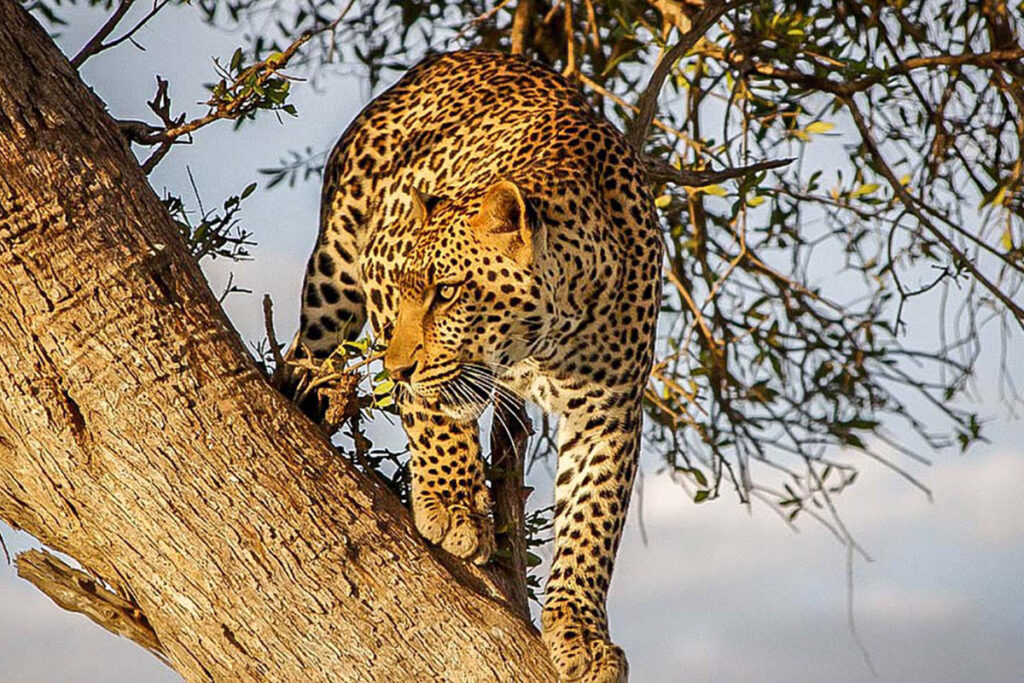
- Leopard, civet, genet and mongoose
The park’s salt licks are hotspots for observing wildlife, attracting a wide variety of herbivores and providing unique opportunities to study species interactions. Camera traps reveal nighttime visits by carnivores, while grazing antelopes, primates and elephants frequently appear during the day.
Birds
Mont Sangbé National Park is a birdwatcher’s paradise, offering a mix of forest, savanna and wetland species. The park is recognised as an Important Bird Area due to its rich avifauna and the presence of several species restricted to the Upper Guinean forest belt. Birdwatching is particularly rewarding during the rainy season when migrants arrive and forest species display peak activity.
- Hornbills
- Turacos
- Barbets
- Greenbuls
- Malimbes
- Weavers
- Kingfishers
- Bee-eaters
- Raptors including forest eagles
Open savannas host starlings, shrikes and seed-eating birds, while wetlands attract herons, egrets, jacanas and kingfishers. The diversity of birdlife makes Mont Sangbé a valuable destination for ornithological surveys and birding safaris.
Reptiles and Amphibians
Mont Sangbé is considered a regional hotspot for reptiles and amphibians. Seasonal rains trigger explosive breeding among frogs, toads and salamanders, filling the park with sound and movement. The park contains numerous frog species that thrive in forest pools, stream edges and temporary puddles.
Reptiles include the West African slender-snouted crocodile and dwarf crocodile, as well as monitor lizards, geckos, skinks and various snakes. Rocky hillsides and forest floors provide shelter for many of these species, while rivers remain essential for crocodiles and aquatic reptiles.
Insects and Invertebrates
The invertebrate diversity in Mont Sangbé is immense, although not fully documented. Butterflies and moths are abundant, especially during the rainy season when flowers bloom and humidity rises. Dragonflies patrol streams, while beetles, ants and termites perform vital ecological functions. Insects form the basis of many food chains and support bird, amphibian and primate populations.
Flagship Species of Mont Sangbé
- Western chimpanzee – critically endangered, keystone species
- Forest elephant – essential for seed dispersal and habitat formation
- Bongo – rare and elusive forest antelope
- Roan antelope – iconic savanna grazer
- Slender-snouted crocodile – conservation priority
- Sooty mangabey – important seed disperser
- Variety of endemic amphibians and forest birds
Cultural and Indigenous Communities
The Toura (Tura) people and neighbouring ethnic groups inhabit the areas around Mont Sangbé. These communities maintain rich cultural traditions including weaving, carving, mask dances, agriculture and the use of medicinal plants. Sacred forests, ancestral shrines and traditional land-management practices contribute to the area’s cultural landscape.
Community–park partnerships have become essential in promoting coexistence. Conservation programs support sustainable farming, environmental education, conflict mitigation and alternative livelihoods such as beekeeping or eco-guiding. Local knowledge plays a critical role in monitoring wildlife and protecting forest resources.
Park Zoning and Management
Mont Sangbé National Park is organised into zones to balance conservation and sustainable use:
- Core Zone: Strict protection with no human settlement or resource extraction.
- Ecological Monitoring Zone: Used for research, surveys and controlled scientific access.
- Ranger Operations Zone: Hosting guard posts, patrol routes and communication points.
- Buffer Zone: Surrounding areas where communities farm and engage in controlled resource use.
OIPR manages the park through ranger patrols, anti-poaching operations, conservation planning and community engagement. Management priorities include preventing illegal hunting, maintaining wildlife corridors, protecting river systems and strengthening ecological monitoring.
Threats and Conservation Challenges
Despite its ecological importance, Mont Sangbé faces several conservation challenges:
- Poaching and bushmeat hunting: A major threat to chimpanzees, antelopes and small mammals.
- Agricultural expansion: Cocoa cultivation and small-scale farming exert pressure on the park’s boundaries.
- Human–wildlife conflict: Elephants raid crops, leading to tensions with farmers.
- Uncontrolled fires: Common in the dry season; can degrade woodland and forest patches.
- Climate change: Alters rainfall patterns, affecting vegetation and water availability.
- Limited accessibility: Challenging road conditions hinder surveillance and tourism.
Conservation strategies include improving ranger capacity, enhancing community benefits, restoring degraded habitats and developing sustainable ecotourism.
Research and Monitoring Programs
Mont Sangbé is increasingly recognised as a reference site for conservation science. Key research activities include:
- Long-term chimpanzee monitoring
- Camera trap surveys for large mammals
- Amphibian and reptile biodiversity studies
- Vegetation mapping and fire ecology analysis
- Studies on human–wildlife conflict and mitigation
- Bird inventories and migratory species monitoring
Researchers from Côte d’Ivoire and international institutions regularly collaborate with OIPR to advance conservation knowledge and improve park management practices.
Tourism Activities
Wildlife Viewing
Mont Sangbé’s remote nature offers rewarding opportunities for wildlife viewing. Elephants, buffalo and antelopes often gather at salt licks and water sources, especially during the dry season. Guided tours along park tracks increase the chances of spotting primates, grazing herds and forest birds.
Birdwatching
The park’s combination of forest, savanna and wetland habitats creates a paradise for birdwatchers. Migrant species arrive seasonally, and rare forest species may be observed in gallery forests. Photographers can capture both colourful savanna birds and secretive forest residents.
Hiking and Mountain Exploration
Mont Sangbé’s mountains offer excellent hiking routes. Trails lead through savannas, forests and rocky ridges to viewpoints with sweeping vistas of the Toura Mountains. These hikes provide exceptional opportunities for photography and immersion in the park’s serene landscapes.
Cultural Visits
Travellers can visit nearby communities to experience Toura cultural practices, traditional music, mask dances and local artisanal crafts. Cultural tours deepen understanding of the region’s heritage and the relationship between people and the landscape.
Photography Highlights
- Sunrise views from mountain peaks
- Wildlife congregating at salt licks
- Misty gallery forests along rivers
- Night photography of frogs and nocturnal mammals
The diversity of habitats and wildlife provides endless opportunities for both amateur and professional photographers.
Safety and Health Tips
- Use a 4×4 vehicle for all travel within or around the park.
- Carry sufficient water, first aid supplies and insect repellent.
- Malaria prophylaxis is recommended.
- Travel with authorised rangers or guides at all times.
- Maintain safe distance from elephants and other wildlife.
- Avoid hiking alone or at night.
Fees and Permits
Visitors must obtain entry permits through the Office Ivoirien des Parcs et Réserves. Fees vary depending on the activity and may include:
- Park entry fees
- Guided tour fees
- Vehicle access fees
- Camping fees (if permitted)
- Research permits for scientists
It is recommended to confirm updated fees with OIPR or a licensed tour operator before travel.
Access and How to Get There
- By Road: Most visitors arrive via Man, which is accessible from Abidjan through Yamoussoukro or Daloa. From Man, laterite roads lead toward the park’s entry points.
- By Air: Limited domestic flights to Man may be available, but schedules vary. Road travel remains the most reliable option.
- Vehicle Requirements: A four-wheel-drive vehicle is essential year-round, particularly during the rainy season.
Accommodation
Although tourism infrastructure is limited, visitors can choose from:
- Basic ranger camps (by arrangement)
- Research stations with minimal amenities
- Hotels and guesthouses in Man
- Community-run guesthouses in nearby villages
Supplies, Fuel and Preparation
Travellers should prepare thoroughly before entering Mont Sangbé. Purchase all supplies, food and fuel in Man or Biankouma. There are no shops, fuel stations or ATMs near the park. Bring adequate drinking water, spare tires, recovery equipment and navigation tools. Prepare for remote travel and ensure your vehicle is in excellent condition.
Nearby Attractions
- Mount Tonkoui: Côte d’Ivoire’s highest peak, offering spectacular views.
- La Cascade de Man: A scenic waterfall and popular relaxation site.
- Mount Nimba Strict Nature Reserve: UNESCO World Heritage Site known for exceptional biodiversity.
- Taï National Park: One of West Africa’s most important primary rainforests.
- Man’s cultural attractions: Traditional masks, weaving and local festivals.
Best Time to Visit
The dry season from November to March is the best time for hiking, wildlife viewing and photography. Roads are more accessible, and animals gather around remaining water sources. The rainy season is ideal for birdwatchers and amphibian enthusiasts, offering lush scenery and vibrant biodiversity.
Why Mont Sangbé National Park Is Unique
- A rare, intact forest–savanna mountain ecosystem in West Africa
- Home to critically endangered western chimpanzees and forest elephants
- High amphibian and bird diversity across multiple habitats
- Magnificent mountain views and dramatic scenery
- Low visitor numbers, ensuring a true wilderness experience
Conclusion
Mont Sangbé National Park stands as one of Côte d’Ivoire’s most magnificent natural treasures, offering unmatched biodiversity, striking landscapes and a deep sense of remoteness sought by true nature lovers. Its forested river valleys, rugged mountains, wildlife-rich savannas and thriving amphibian habitats create an unforgettable experience for travellers seeking authenticity and adventure. With ongoing conservation efforts and increasing interest in eco-friendly tourism, Mont Sangbé has the potential to become one of West Africa’s premier destinations for wildlife exploration, scientific research and immersive nature travel.