
Mount Kenya National Park
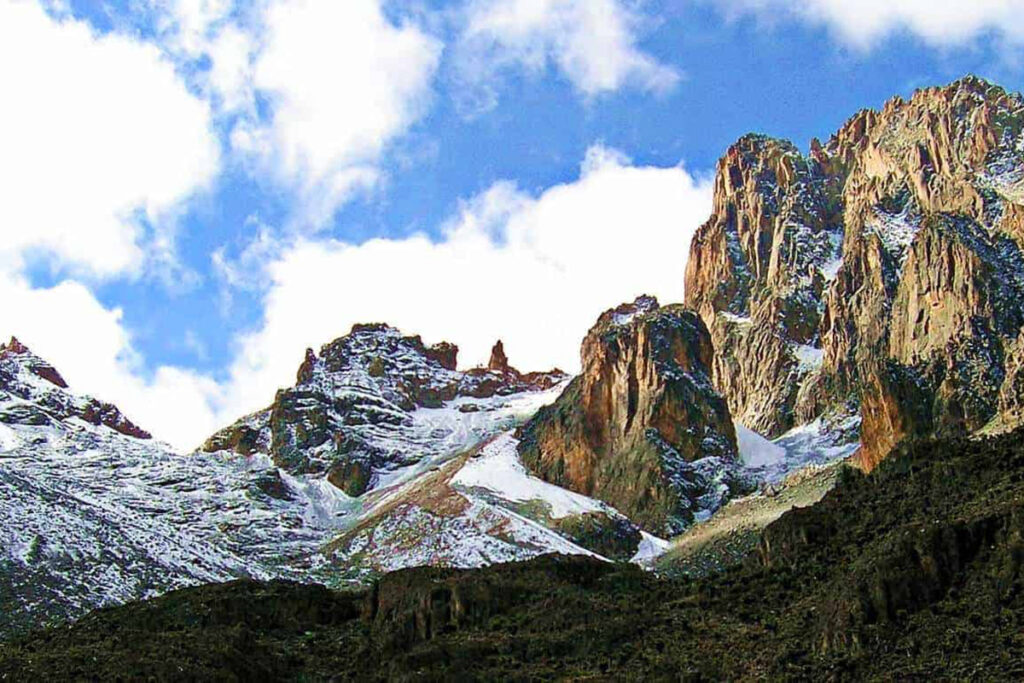
Mount Kenya National Park – Afro-Alpine Peaks, Ancient Glaciers, Sacred Landscapes and East Africa’s Iconic Mountain Wilderness
Mount Kenya National Park is one of Africa’s most dramatic and ecologically significant mountain environments. Centered around the 5,199 m summit of Mount Kenya—Africa’s second-highest peak—the park protects a stunning volcanic massif carved by ancient glaciers and wrapped in rich montane forests, bamboo belts, heathlands and unique Afro-alpine ecosystems found nowhere else on Earth. Established in 1949 and covering approximately 715 km², this UNESCO World Heritage Site is a sanctuary of biodiversity, cultural heritage, scientific importance and breathtaking natural beauty. Its jagged peaks, equatorial glaciers, high moorlands, alpine lakes and sacred significance to local communities make Mount Kenya one of the continent’s most remarkable protected landscapes.
This fully integrated article provides a comprehensive examination of the park’s geology, climate, hydrology, ecosystems, flora, fauna, cultural significance, conservation importance, threats, research programs, climbing routes, access, visitor activities and accommodations—expanded in depth to reflect the full richness and uniqueness of Mount Kenya National Park.
Overview and Key Facts
Mount Kenya is an ancient stratovolcano composed of layers of lava, ash and fragmented volcanic rock. Over millions of years, erosion and repeated glacial activity sculpted its once massive cone into the dramatic crags visible today. The peak complex now includes three major summits: Batian (5,199 m), Nelion (5,188 m) and the trekking summit Point Lenana (4,985 m). These summits rise above a mosaic of forests, valleys, rocky ridges and alpine vegetation that changes with every meter of elevation.
- Location: Central Kenya
- Size: 715 km²
- Elevation Range: 1,800–5,199 m
- Established: 1949
- UNESCO World Heritage Site: Since 1997
- Main Peaks: Batian, Nelion, Point Lenana
Its equatorial position combined with extreme altitude creates one of the world’s most dramatic ecological gradients—from tropical forest to permanent ice within just 30 km.
Geography and Geological Formation
Mount Kenya is the eroded core of a stratovolcano formed between 3.1 and 2.6 million years ago. The volcano once rose over 6,500 m high, but erosion, volcanic collapse and extensive glaciation reduced it to its present form. Today, cliffs, ridges, buttresses and spires dominate the summit area, exposing volcanic rock types such as basalt, trachyte, phonolite and nepheline-rich lavas.
The central peaks are composed largely of resistant volcanic plugs—solidified magma that once filled the mountain’s main vents. Surrounding these are thick layers of volcanic debris, lava flows and pyroclastic deposits that give the lower slopes their undulating form. Glacial erosion during past ice ages carved U-shaped valleys, moraine fields, cirques and polished bedrock surfaces. These ancient glacial features are among the most significant in East Africa.
Climate and Altitudinal Zones
The climate of Mount Kenya varies dramatically with altitude. The lower slopes are warm and moist, while temperatures drop sharply in the bamboo and heath zones. Above 3,500 m, nightly freezing and intense UV radiation shape the landscape. Near the summit, the climate resembles that of the Arctic, despite being almost exactly on the equator.
- Lower Montane Forest (1,800–2,400 m): High rainfall and humidity with warm daytime temperatures.
- Upper Montane Forest (2,400–3,000 m): Cooler cloud forest with moss-covered trees.
- Bamboo Zone (3,000–3,500 m): Dense bamboo stands influenced by seasonal flowering cycles.
- Heathland and Moorland (3,500–4,200 m): Heather, tussock grasses, proteas and open moorland.
- Afro-Alpine Zone (4,000–4,800 m): Unique plants such as giant lobelia and giant senecio with remarkable adaptations.
- Nival Zone (Above 4,800 m): Glaciers, snowfields and exposed rock.
Mount Kenya’s climate follows a daily freeze–thaw rhythm: freezing temperatures at night followed by rapid warming during the day. This cycle shapes the Afro-alpine vegetation and contributes to rock weathering and soil formation.
Hydrology – rivers, lakes and glaciers
Mount Kenya is one of Kenya’s most important water catchments, feeding major rivers including the Tana and Ewaso Nyiro. These rivers support agriculture, wildlife reserves and millions of people far downstream. The mountain’s glaciers, though now shrinking, continue to release meltwater that sustains river flow during dry periods.
- Major Rivers: Tana, Ewaso Nyiro, Nithi, Rongo and Thuchi.
- Lakes and Tarns: Lake Michaelson, Lake Alice, Lake Ellis, Simba Tarn, Mintos Tarn.
- Glaciers: Lewis Glacier, Diamond Glacier, remaining icefields near Batian and Nelion.
At the end of the 19th century, Mount Kenya had over a dozen glaciers. Today, only a handful remain, and scientists estimate that the ice could disappear entirely within decades due to rising temperatures and changing precipitation patterns. The hydrological implications make Mount Kenya one of East Africa’s most watched climate indicators.
Ecosystems and Habitat Diversity
The park contains an astonishing array of ecosystems compressed into a small area due to drastic altitude changes. Each habitat supports distinct wildlife and plant communities adapted to temperature, oxygen levels and moisture availability.
- Montane forest: Elephants, monkeys, forest hogs and lush vegetation.
- Bamboo forests: Hideouts for buffalo and rare species like bongo antelope.
- Heath and moorland: Heather, proteas, tussock grasses and open highland plains.
- Afro-alpine valleys: Home to giant lobelia and giant senecio, an ecosystem that feels almost extraterrestrial.
- Nival zone: A stark landscape of ice, glaciers and frozen rock, visited mainly by climbers.
These ecosystems form an ecological staircase from warm tropical forests to icy summit peaks—the only example of such a complete equatorial mountain gradient in Kenya.
Afro-Alpine Ecology and Plant Adaptations
Mount Kenya’s Afro-alpine zone is one of the most unique ecological environments in Africa. Plants here must endure freezing temperatures at night and strong equatorial sunlight during the day. Giant senecios trap dead leaves around their stems to insulate their cores, while giant lobelias hold water in central reservoirs that freeze at night but protect internal tissues from frost damage. Tussock grasses grow in dense clumps to conserve heat and minimize exposure to cold winds.
Daily freeze–thaw cycles shape soil formation and influence plant distribution. This zone supports an “island” of biodiversity, with species found only on high East African mountains such as Mount Kenya, Kilimanjaro and the Rwenzori Mountains.
Vegetation – stratified plant communities
The vegetation of Mount Kenya is arranged in distinct altitudinal belts, each with its own species composition and ecological characteristics. This layering creates exceptional botanical diversity and provides crucial habitats for wildlife moving across the mountain.
- Lower Montane Forest: Yellowwood, cedar, fig trees, olive, camphor and tree ferns.
- Upper Montane Forest: Moss-covered branches, orchids, hardwoods, wild banana and dense undergrowth.
- Bamboo Forest: Towering bamboo stands that expand or contract after flowering cycles.
- Heathland: Heather, ericaceous shrubs and protea species.
- Afro-Alpine Zone: Giant lobelia, giant senecio, tussock grasses, everlasting flowers and alpine mosses.
Seasonal changes dramatically alter vegetation structure, with rains bringing bursts of color and wildlife activity across all elevations.
Wildlife of Mount Kenya National Park
Despite steep slopes and challenging terrain, Mount Kenya supports a rich variety of wildlife. Animal distribution changes seasonally as species follow water, vegetation and temperature gradients along the mountain.
Mammals
- Elephants (seasonal migration across forest belts)
- Bongo antelope (one of Africa’s rarest)
- Buffalo
- Baboons and colobus monkeys
- Forest hogs
- Bushbuck and duiker species
- Leopard (including high-altitude individuals)
- Hyenas
- Rock hyraxes
- Side-striped jackals
Elephants carve ancient migration routes through the forests, while bongos remain elusive and inhabit dense bamboo thickets. Leopards roam widely across altitudes, sometimes seen above 4,000 m. Rock hyraxes flourish on cliffs and boulders near the Afro-alpine zone, forming the foundation of a significant predator–prey relationship with large raptors.
Birdlife
More than 160 species inhabit Mount Kenya’s many ecological layers. Forest birds, alpine specialists, raptors and equatorial endemics all find refuge here due to the diversity of vegetation and altitude.
- Lammergeier (bearded vulture)
- Crowned eagle
- Hartlaub’s turaco
- Mountain buzzard
- Scarlet-tufted malachite sunbird
- Alpine swift
- Jackson’s francolin
- Augur buzzard
- Tacazze sunbird
- Rüppell’s robin-chat
Lammergeiers are among the most distinctive birds, soaring over cliffs in search of bones to drop and crack open for their marrow. Sunbirds congregate around giant lobelia flowers in the high Afro-alpine valleys, creating some of the mountain’s most iconic wildlife scenes.
Reptiles, Amphibians and Insects
- Chameleons
- Skinks
- Rock agamas
- Tree frogs and stream frogs
- Dragonflies, butterflies and high-altitude beetles
Reptiles are found primarily in warmer lower zones, while amphibians depend on montane streams and high-altitude wetlands. Insects flourish after rains, providing food for birds and small mammals.
Unique Features of Mount Kenya National Park
- One of the world’s few equatorial ice-capped mountains.
- Dramatic Afro-alpine landscapes found nowhere else on Earth.
- Sacred significance to local communities for centuries.
- Rugged volcanic peaks sculpted by ancient glaciers.
- High-altitude lakes and glacier-carved valleys.
- Home to rare animals like the bongo antelope.
- An unparalleled altitudinal gradient from forest to ice.
These features combine to create a mountain environment unmatched in diversity, beauty and scientific significance.
Cultural and Indigenous Significance
To the Kikuyu, Embu and Meru communities, Mount Kenya—called Kirinyaga or “Place of Brightness”—is the sacred dwelling place of Ngai, the supreme God. Prayer ceremonies traditionally face the mountain, and sacred groves, springs and forest sites remain important spiritual centers. Many clans trace their origins to specific slopes or foothill regions, linking cultural identity directly to the mountain’s landscape.
Traditional practices emphasize protection of forest springs, respect for wildlife and maintaining the mountain’s purity. These cultural values have historically contributed to the conservation of Mount Kenya’s forests and water sources.
Conservation Importance
Mount Kenya National Park is one of Kenya’s most important conservation regions for multiple ecological, hydrological and cultural reasons:
- It is a major water catchment supporting millions of people.
- It protects Afro-alpine species adapted to extreme conditions.
- It provides habitat for rare mammals like bongos and forest hogs.
- It safeguards ancient forests with critical biodiversity.
- It preserves sacred cultural landscapes of high spiritual value.
- It supports scientific monitoring of climate change impacts.
The mountain’s ecological health influences agricultural productivity, hydropower generation and wildlife conservation across large parts of Kenya.
Threats and Environmental Pressures
- Glacial retreat: Rapid ice loss threatens hydrological stability.
- Forest degradation: Illegal logging and charcoal production on lower slopes.
- Water extraction: Intensive irrigation downstream affecting river flow.
- Climate change: Shifts in temperature and rainfall patterns affecting sensitive species.
- Human-wildlife conflict: Crop raiding by elephants and buffalo in fringe areas.
These pressures require long-term management strategies involving government agencies, local communities and international conservation partners.
Research and Scientific Monitoring
Mount Kenya is a major center for high-altitude scientific research. Its glaciers, meteorological patterns, vegetation zones and wildlife movements provide valuable data for global studies.
- Long-term glacier monitoring programs.
- GPS tracking of elephant migration routes.
- Vegetation mapping and forest restoration studies.
- High-altitude climate and soil monitoring stations.
- Bongo antelope tracking and population analysis.
- Bird surveys in montane and Afro-alpine belts.
University researchers and conservation groups continue to study ecosystem changes to guide future protection efforts.
Tourism Activities and Mountain Adventures
- Climbing: Technical routes to Batian and Nelion; trekking to Point Lenana.
- Trekking: Sirimon, Naro Moru and Chogoria routes with diverse landscapes.
- Wildlife viewing: Elephants, primates, antelope and forest species.
- Birdwatching: Raptors, montane forest birds and Afro-alpine specialists.
- Photography: Peaks, valleys, glaciers, forests and wildlife.
- Cultural visits: Nearby communities with rich mountain traditions.
Main Climbing Routes
- Sirimon Route: Gradual ascent, beautiful alpine scenery, popular for trekking.
- Naro Moru Route: Shortest but steep; includes the infamous “Vertical Bog.”
- Chogoria Route: Considered the most scenic with lakes and dramatic valleys.
Point Lenana is accessible to fit trekkers, while Batian and Nelion require technical climbing skills.
Night Sky and High-Altitude Atmosphere
Clear, thin mountain air and high altitude make Mount Kenya one of the best stargazing locations in East Africa. Stars appear intensely bright, and constellations are sharply defined. On moonlit nights, glaciers glow faintly against the volcanic cliffs, creating a surreal nighttime landscape. Summit nights are extremely quiet except for wind sounds, creating an unforgettable high-altitude wilderness experience.
Access – How to Reach Mount Kenya National Park
- By Road: Accessible from Nanyuki, Meru, Embu and Chogoria towns.
- Gate Entrances: Sirimon, Naro Moru, Chogoria, Kamweti and Kihari.
- By Air: Nanyuki Airport for regional flights.
- Internal Roads: Require 4×4 vehicles, especially in wet months.
Each gate provides access to distinct landscapes and trekking routes, making planning essential for climbers and hikers.
Permits and Park Rules
- Park entry fees are required for all visitors.
- Climbing permits needed for technical summits.
- Guides mandatory for Batian and Nelion ascents.
- Camping allowed only at designated sites.
- Fires prohibited except in authorized areas.
- Respect cultural sites and water sources.
Rules help protect fragile habitats, ensure safety and preserve sacred landscape elements.
Accommodation Options
- Mountain Huts: Shiptons, Mackinders, Austrian Hut, Kami Hut and others.
- Tented Camps: Along Chogoria, Sirimon and Naro Moru routes.
- Bandas and Cottages: Basic facilities near gates.
- Lodges: Available in nearby towns such as Nanyuki and Meru.
Accommodation ranges from basic alpine huts for climbers to comfortable lodges for visitors exploring forest and foothill zones.
Best Time to Visit
- January–March: Clear skies and stable weather for climbing.
- July–October: Cool, dry and ideal for trekking.
- Wet Seasons: Lush vegetation, scenic waterfalls but challenging trails.
Weather is unpredictable at high elevations, so good preparation is essential for all visitors.
Why Mount Kenya National Park Is Unique
Mount Kenya National Park combines extraordinary landscape diversity, ancient glacial features, rich montane forests, Afro-alpine plant life, sacred cultural traditions and challenging climbing routes into a single, breathtaking environment. Its dramatic volcanic peaks, equatorial glaciers, wildlife habitats and spiritual significance make it one of Africa’s most extraordinary mountain destinations. Visitors encounter environments that change at every altitude, from tropical forest to alpine desert and icy summit zones, offering a journey unlike any other on the continent.
Mount Kenya stands as a symbol of natural beauty, cultural identity, ecological importance and scientific value—an unforgettable wilderness for climbers, trekkers, naturalists and cultural travelers alike.