
Mount Elgon National Park
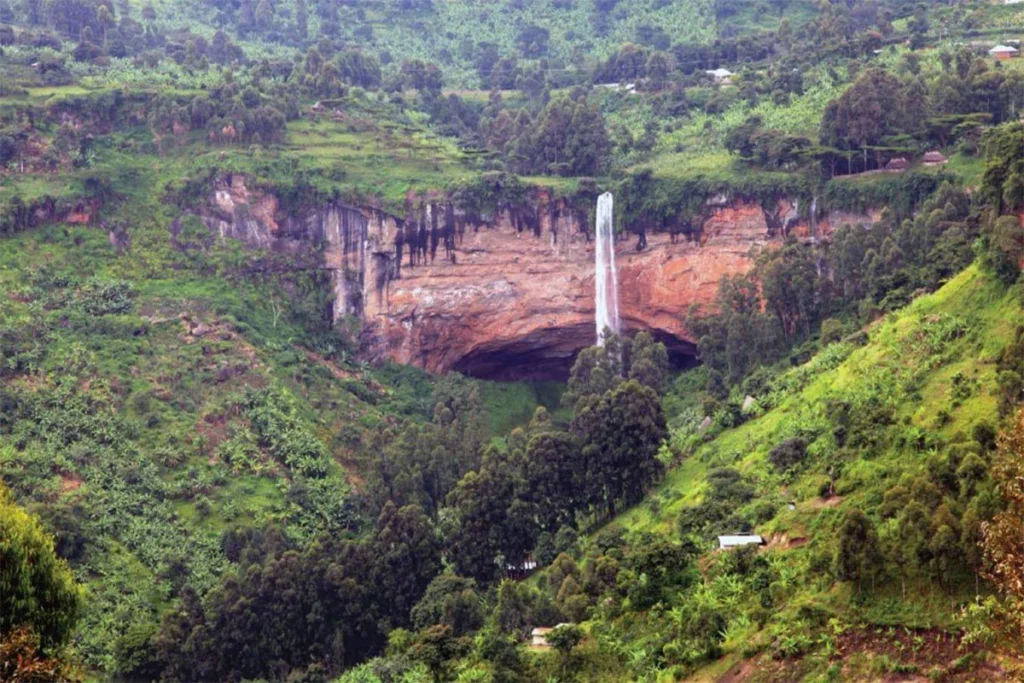
Mount Elgon National Park Uganda & Kenya – Trekking Routes, Wildlife, Waterfalls and Afro-Alpine Wilderness
Mount Elgon National Park is one of East Africa’s most underrated but spectacular highland wilderness areas. Shared between Uganda and Kenya, the park is centered on Mount Elgon, an ancient extinct shield volcano with the world’s largest known volcanic base. Rising to 4,321 meters at Wagagai Peak, Mount Elgon offers breathtaking scenery, rich biodiversity, dramatic waterfalls, volcanic caves, and some of the finest high-altitude trekking routes in Uganda and Kenya. For travelers seeking Mount Elgon hiking tours, Sipi Falls adventures, or an alternative to Mount Kenya and Kilimanjaro, this remarkable park delivers an unforgettable mountain experience without crowds.
Covering about 1,279 km²—roughly 1,110 km² in Uganda and 169 km² in Kenya—the park protects a diverse range of ecosystems including montane forests, bamboo zones, heathlands, and expansive afro-alpine moorlands. At the summit lies a vast 8-kilometer-wide caldera surrounded by jagged peaks, crater lakes, rocky outcrops, and high-altitude wetlands. With an estimated age of over 20 million years, Mount Elgon is older than many East African volcanic giants, and its long erosion history has produced some of the region’s most unique geological and ecological features.
Overview of Mount Elgon National Park
Mount Elgon National Park is jointly managed by the Uganda Wildlife Authority (UWA) and Kenya Wildlife Service (KWS). It was established to protect the mountain’s rich biodiversity, its vital role as a water catchment system, and its cultural and ecological importance to communities living on its slopes. The Ugandan section was declared a national park in 1992, following decades as a forest reserve, while the Kenyan side has been protected since 1968.
The park is famous for its scenic trekking routes, towering waterfalls like Sipi Falls, dramatic caves such as Kitum Cave, bird-rich forests, and high-altitude moorlands filled with giant lobelias and groundsels. Its quieter, less commercialized nature makes it ideal for travelers seeking a peaceful, immersive wilderness experience.
Location, Size and Key Facts
Mount Elgon straddles the Uganda–Kenya border, about 140 kilometers northeast of Lake Victoria. It spans multiple districts in Uganda (Kapchorwa, Sironko, Mbale, Bulambuli, Bukwo) and the Trans Nzoia and Bungoma counties in Kenya. Elevations range from roughly 1,200 meters at the foothills to 4,321 meters at Wagagai Peak.
Key facts that highlight the importance of Mount Elgon include its massive volcanic base (80 km by 50 km), its vast ancient caldera, and its role as a vital source of rivers feeding Lake Victoria, the Nile Basin, and Kenya’s Nzoia and Turkwel river systems. The mountain’s unique structure makes it one of Africa’s most important montane ecosystems and a key water tower for millions of people.
Geography and Topography
Mount Elgon is a huge, gently sloping shield volcano shaped by millions of years of erosion. Unlike steep stratovolcanoes, Elgon spreads widely across the landscape, creating broad valleys, deep gorges, sheer cliffs, plateaus, and dramatic waterfalls. The summit region is dominated by the caldera, an immense volcanic depression dotted with crater lakes, wetlands, rock pinnacles, and alpine vegetation.
Surrounding the caldera are several major peaks including Wagagai (4,321 m), Sudek (4,302 m), Koitobos (4,222 m), Mubiyi (4,211 m), and Masaba Peak (4,161 m). These features create a rugged skyline that makes the mountain a dream for trekkers, photographers, and geologists. The complex topography also generates microclimates that support diverse flora and fauna.
Climate of Mount Elgon National Park
Mount Elgon’s climate varies with altitude, creating distinct ecological zones. Lower slopes experience a mild, moist tropical climate ideal for coffee, banana, and vegetable farming. As elevation increases, temperatures drop and humidity rises. The cloud forest belt is cool, misty, and dense with mosses and epiphytes, while the upper moorlands experience much colder conditions, occasional frost, and intense sunshine.
The drier months—June to August and December to March—are considered the best for trekking, photography, and summit attempts. The wet seasons (April–May and October–November) bring lush green landscapes and strong waterfall flows but make trails muddier and more challenging. Regardless of the season, Mount Elgon’s weather can change rapidly, so visitors should prepare for rain, wind, and cold, especially at higher elevations.
Hydrology and Water Resources
Mount Elgon is a major water catchment area supplying vital water resources to communities in Uganda and Kenya. Its forests, wetlands, and peat bogs capture rainfall and release it gradually into rivers and groundwater systems. This steady flow supports agriculture, hydropower, livestock, domestic use, and wetland ecosystems downstream.
Some of the rivers originating from Mount Elgon include the Nzoia and Suam/Turkwel in Kenya, and several tributaries flowing into the Lake Victoria and Nile Basin systems. Because the mountain’s vegetation plays a critical role in maintaining water quality and stability, conservation of the park’s forests is essential for regional water security and climate resilience.
Ecosystems and Vegetation Zones
Mount Elgon contains one of East Africa’s most impressive sequences of vegetation zones. Each zone reflects unique climatic conditions and supports different plant and animal species.
Montane Forest
The lower slopes host lush montane forests with broadleaf trees, vines, and dense undergrowth. Dominant tree species include Elgon olive, fig trees, red stinkwood, African juniper, and podocarpus. These forests support primates, forest antelopes, hornbills, turacos, and countless insects. They also serve as carbon sinks and protect soils from erosion.
Bamboo Belt
Above the forest lies a thick bamboo zone, a key habitat for primates, duikers, rodents, and many forest birds. The bamboo forest is visually striking and acts as an ecological bridge between the dense forest and the open heathlands.
Heath and Hagenia-Hypericum Zone
This mid-elevation zone features tree heathers, Hagenia trees, Hypericum shrubs, and other hardy vegetation adapted to cool temperatures and stronger winds. It forms a patchwork of shrubs, grassland, and rocky ground where unique highland birds thrive.
Afro-Alpine Moorland
The afro-alpine zone—starting around 3,000 meters—is one of Mount Elgon’s most iconic landscapes. Giant lobelias, groundsels, everlasting flowers, tussock grasses, and moss fields dominate this surreal, high-altitude environment. These plants are specially adapted to freezing nights and strong solar radiation, making this zone a highlight for trekkers and botanists.
Wildlife of Mount Elgon National Park
Mammals
Mount Elgon hosts over 40 mammal species, including forest and highland specialists. Large mammals include buffalo, bushbuck, giant forest hog, bushpig, and duikers. Elephants historically frequented Kitum Cave and surrounding forests to mine salt from cave walls, although they are now more elusive.
Primates are commonly seen, especially black-and-white colobus monkeys, blue monkeys, red-tailed monkeys, vervets, and olive baboons. Smaller mammals—shrews, rodents, mole-rats, and nocturnal carnivores—add to the park’s biodiversity significance.
Birds
With more than 300 bird species, Mount Elgon National Park Uganda is a top African birding destination. Its altitudinal range supports highland specialists such as Jackson’s francolin, Elgon francolin, Tacazze sunbird, moorland francolin, Alpine chat, Hartlaub’s turaco, African goshawk, white-starred robin, and mustached green tinkerbird.
The combination of forest edge, bamboo thickets, heathland, and moorland habitats allows birders to record dozens of species in a single day, making Mount Elgon an essential stop on Uganda–Kenya birding circuits.
Reptiles and Amphibians
The park’s cool, moist habitats support frogs, toads, salamander-like caecilians, and small reptiles such as skinks, chameleons, geckos, and non-venomous snakes. These species thrive in wetlands, streambanks, rock crevices, and forest floors.
Unique Geological and Natural Features
Mount Elgon is renowned for its massive volcanic caldera, one of the largest intact calderas in the world. The caldera is filled with moorlands, wetlands, crater lakes, rocky towers, and rolling plateaus that offer spectacular scenery for hikers and photographers. The crater rim provides panoramic views into Kenya, Uganda, and across the vast high-altitude basin.
Several volcanic caves—such as Kitum, Chepnyalil, Ngwarisha, and Makingeny—were formed by ancient lava flows and later enlarged by erosion and salt-mining wildlife. These caves contain mineral deposits, bat colonies, and fascinating geological formations that attract geologists, photographers, and adventurous travelers.
Cultural and Indigenous Communities
The slopes of Mount Elgon are home to culturally rich communities. In Uganda, the Bagisu (Bamasaba) revere the mountain as the origin of their people. They are famous for the Imbalu circumcision ritual, performed every even-numbered year, which draws thousands of spectators. The Sabiny in Kapchorwa maintain agricultural traditions and cultural beliefs closely tied to Elgon’s highland environment.
In Kenya, the Ogiek and Sabaot have ancient histories linked to the forests, caves, and highland pastures. These groups traditionally practiced beekeeping, hunting, and small-scale forest use. Many sacred sites and cultural traditions remain deeply connected to Mount Elgon.
Conservation Importance
Mount Elgon National Park is essential for biodiversity conservation, landscape stability, and climate resilience. It protects habitats for numerous plant and animal species, including several highland endemics. The park’s forests also stabilize soils, protect slopes from landslides, store carbon, and regulate water flow.
As climate change alters East Africa’s weather patterns, high-altitude ecosystems like Mount Elgon serve as refuges for species migrating upward to escape rising temperatures. Protecting these ecosystems ensures long-term ecological balance in the region.
Main Threats and Conservation Challenges
Despite its protected status, the park faces pressures from agricultural encroachment, deforestation, charcoal burning, land degradation, and human–wildlife conflict. Encroachment along the park’s boundary leads to habitat loss and erosion. In some areas, steep slopes cleared for farming have become prone to landslides.
Poaching—especially trapping of small mammals and hunting of duikers—remains a threat near some community boundaries. Climate change also threatens vegetation zones and water cycles, making conservation efforts increasingly urgent.
Research, Monitoring and Transboundary Collaboration
Mount Elgon is a key research site for studying Afro-montane ecology, hydrology, soil systems, climate change, and community-based conservation. Researchers monitor wildlife populations, forest cover, rainfall patterns, fire regimes, erosion risks, and carbon storage. Many studies focus on how shifting climate patterns affect afro-alpine vegetation and water systems.
UWA and KWS collaborate on transboundary patrols, joint monitoring, fire management, invasive species control, and community engagement. These efforts help maintain ecological stability across the entire mountain.
Tourism Activities
Trekking and Hiking
Mount Elgon is one of the best trekking destinations in East Africa. Uganda’s Sasa, Sipi, and Piswa Trails offer 3–5 day summit expeditions, passing through multiple vegetation zones, waterfalls, and scenic viewpoints. The trails are less crowded than Kilimanjaro or Mount Kenya, offering a peaceful and authentic trekking experience.
Sipi Falls
On the western slopes, Sipi Falls features three massive waterfalls surrounded by coffee farms, dramatic cliffs, and panoramic views. Travelers often combine trekking with waterfall hikes, coffee tours, abseiling, or community walks.
Cave Exploration
Visitors can explore legendary volcanic caves such as Kitum, Ngwarisha, and Chepnyalil, which reveal unique rock formations and historic elephant activity. These caves offer exciting geological and wildlife experiences.
Birdwatching
Birding in Mount Elgon is exceptional year-round. Forest edges, bamboo zones, and moorlands provide habitats for highland specialties and rare forest birds, making it a key stop for Uganda–Kenya birding safaris.
Access and How to Get There
Access from Uganda is easiest via Kampala–Jinja–Mbale, then onward to Budadiri, Sipi Falls, Kapkwai, or Kapchorwa depending on the trailhead. Roads are generally good.
From Kenya, travelers reach the park via Kitale, accessing Chorlim Gate and other KWS entry points.
Guides and porters are recommended for multi-day treks.
Park Fees, Permits and Regulations
Visitors must pay daily entry fees, trekking fees, and camping fees. UWA and KWS maintain updated tariff structures for citizens, residents, and international tourists.
Regulations include staying on designated trails, avoiding littering, respecting wildlife, and not removing plants or rocks from the park.
Accommodation
Around Sipi Falls and Kapchorwa, travelers can stay in eco-lodges, mid-range lodges, coffee-farm cottages, and guesthouses with spectacular views. Mbale and Budadiri have hotels for all budgets.
Inside the park, designated campsites and mountain huts accommodate trekkers.
On the Kenyan side, Kitale offers lodges and hotels near the park gates.
Best Time to Visit
The best time for trekking and scenic photography is during the drier seasons: June–August and December–March.
The wet seasons (April–May and October–November) offer lush green landscapes and powerful waterfalls but require more caution on the trails.
Why Mount Elgon National Park Is Unique
Mount Elgon stands out as a peaceful, scenic, and culturally rich mountain destination. Its vast volcanic base, massive caldera, diverse ecosystems, waterfalls, caves, and highland communities create a world-class trekking and nature experience. Less commercialized than other major East African mountains, Mount Elgon is perfect for travelers seeking a quieter, more authentic adventure.
With its unmatched blend of geological wonders, rich biodiversity, cultural heritage, and accessible trekking routes, Mount Elgon National Park remains one of East Africa’s greatest natural treasures and a must-visit destination for nature lovers, hikers, and adventure travelers.