
Moukalaba-Doudou National Park
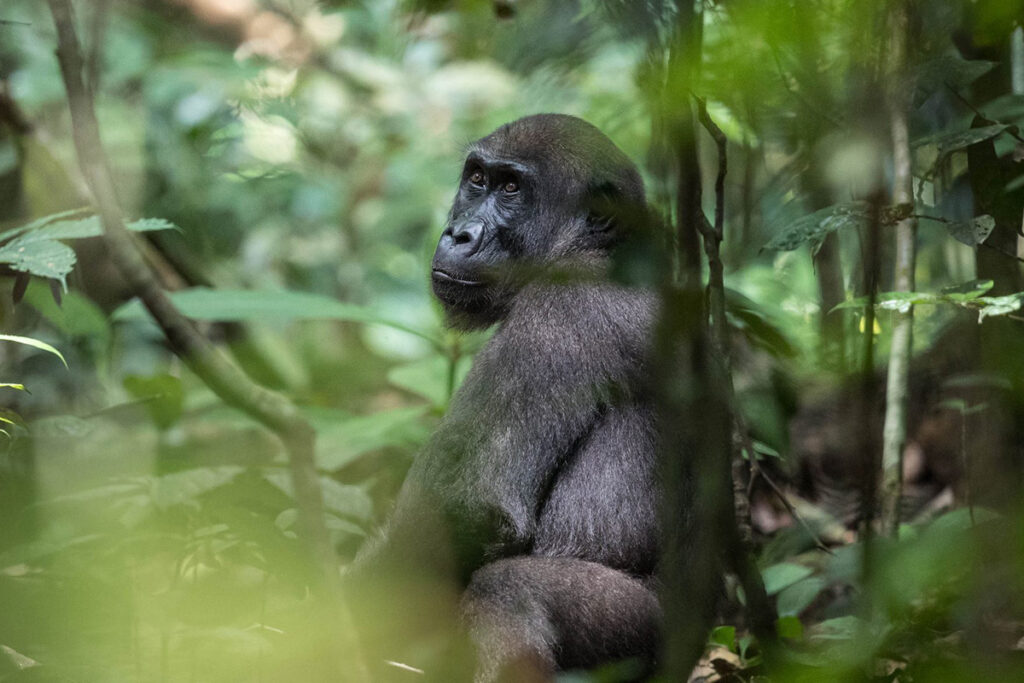
Moukalaba-Doudou National Park, Gabon – Western Lowland Gorillas, Forest Elephants, Congo Basin Rainforest Wildlife and Pristine Wilderness Landscapes
Moukalaba-Doudou National Park is one of Gabon’s most ecologically remarkable wilderness destinations—an immense 5,028 km² sanctuary that protects some of the richest tropical rainforest ecosystems in the entire Congo Basin. Located in southwestern Gabon near Tchibanga and forming part of the iconic Gamba Complex of Protected Areas, the park stands out as a premier destination for viewing western lowland gorillas, forest elephants, chimpanzees, bongos, forest buffalo, rare antelopes, colorful birds, reptiles, amphibians and a vast range of endemic plant and insect species. For nature lovers, wildlife researchers, conservation travelers and adventure photographers, Moukalaba-Doudou National Park is an extraordinary place where biodiversity, cultural heritage and pristine landscapes converge to form one of Central Africa’s most unique protected areas.
Designated as a national park in 2002 under Gabon’s visionary conservation reforms, Moukalaba-Doudou is a flagship site for the country’s commitment to protect more than 11% of its land. The park’s ecological diversity is driven by its dramatically varied terrain—ranging from lowland rainforests and seasonally flooded wetlands to rolling savannas, river valleys and the ancient Doudou Mountains. These contrasting habitats support some of the highest primate densities ever recorded in Gabon, making it a crucial stronghold for great ape conservation. Despite its global significance, the park remains one of Gabon’s quietest and least disturbed wilderness regions, giving visitors a rare opportunity to explore the Congo Basin in its most natural and untouched form.
Overview of Moukalaba-Doudou National Park
Created as part of Gabon’s landmark national parks system, Moukalaba-Doudou National Park was selected for protection due to its exceptionally high wildlife abundance, its intact rainforest systems and its importance as a refuge for threatened species. Its name is derived from its two defining natural features—the Moukalaba River, which flows through its eastern section, and the Doudou Mountains, an ancient chain of forested hills that dominates the park’s western skyline.
Today, the park is managed by the National Agency for National Parks (ANPN) in collaboration with local communities and international conservation partners such as WWF, WCS and multiple Japanese research institutions renowned for decades-long gorilla and chimpanzee studies. Their combined efforts have helped establish effective anti-poaching patrols, gorilla habituation programs, wildlife monitoring systems and community-based conservation initiatives. This cooperative management approach ensures that conservation, scientific research and sustainable tourism all play a role in safeguarding the park’s future.
Location, Size and Key Facts
Moukalaba-Doudou National Park lies between 2° and 3° South latitude and 10° to 11° East longitude, stretching across Ngounié Province. Its eastern boundary approaches the town of Tchibanga, while its western limits come close to the Gamba region along Gabon’s Atlantic coastline. With its enormous 5,028 km² area, the park forms a critical ecological link between the interior rainforests of Gabon and coastal mangrove systems.
The park’s terrain ranges from 30 meters above sea level in river valleys to more than 700 meters at the peaks of the Doudou Mountains. These topographic transitions create a remarkable range of ecosystems and microclimates that support diverse wildlife, including species that depend on swamp forests, montane habitats, grassland edges and dense rainforest interiors. The park also acts as a major carbon sink, contributing significantly to global climate stability.
Geography and Landscapes
What makes Moukalaba-Doudou especially unique is its dramatic blend of lowland and upland environments. The eastern section surrounding the Moukalaba River is dominated by lush lowland rainforests, wetlands, swamps and gallery forests. These areas remain green and productive throughout the year, offering excellent wildlife viewing opportunities along rivers, mineral licks and open forest clearings.
In contrast, the western part of the park is defined by the rugged Doudou Mountains, a series of ancient Precambrian hills covered in towering hardwood forest, cloud forest pockets, waterfalls and fern-filled ravines. The elevation creates cooler temperatures, dense mist, and unique flora found only in montane environments. The mountains also provide breathtaking viewpoints overlooking vast expanses of untouched forest stretching to the horizon.
Climate in Moukalaba-Doudou National Park
Moukalaba-Doudou has a humid equatorial climate characterized by warm temperatures, consistent rainfall and high humidity throughout the year. Average temperatures range between 24°C and 30°C, with cooler climates in the Doudou Mountains. Annual rainfall averages between 1,800 and 2,200 mm, supporting the park’s lush vegetation and ensuring abundant water for wildlife.
The long rainy season lasts from October to May, renewing river floodplains, stimulating fruiting cycles and supporting amphibian and insect breeding. The dry season, from June to September, is the optimal period for wildlife viewing, trekking, gorilla tracking and river exploration because the trails are more accessible and animals gather near permanent water sources.
Hydrology and River Systems
The Moukalaba River is the heart of the park’s ecosystem. Flowing through multiple habitat zones, it acts as a migration corridor for elephants, antelopes, primates and predators. Its riparian forests are rich in fruit trees and vegetation favored by gorillas, chimpanzees and numerous monkey species. The river also supports hippos, crocodiles, waterbirds and a large number of aquatic species that rely on clean, oxygenated water.
Numerous tributaries originating from the Doudou Mountains feed into the Moukalaba, creating a network of streams, oxbow lakes, wetlands and swamp forests. These hydrological systems moderate the park’s climate, support biodiversity and prevent soil erosion. During the rainy season, floodplains become wildlife-rich feeding zones, while in the dry season they serve as vital refuges for many species.
Ecosystems and Vegetation Zones
Moukalaba-Doudou contains an outstanding array of habitats, each supporting different wildlife communities. Its vegetation zones reflect the complex interplay between altitude, soil type, rainfall and geology.
Lowland Rainforest
Dense lowland rainforests dominate most of the park. These forests contain some of the Congo Basin’s tallest hardwood trees, including Okoumé, Aningeria, Azobé and various species of lianas, palms and epiphytes. The understory is rich in medicinal plants, mushroom species, herbs and shrubs that play a role in local traditional medicine and cultural practices. These forests provide crucial feeding and nesting sites for gorillas, chimpanzees, elephants and forest buffalo.
Flooded and Gallery Forests
Floodplain and gallery forests occur along major rivers and seasonal watercourses. These habitats include fruiting trees that attract primates and frugivorous birds during peak fruiting seasons. They are also hotspots for sitatunga, duikers, wetland birds, and river-adapted amphibians.
Forest–Savanna Mosaic
The central region of the park includes open grassy savannas interwoven with forest patches and thicket zones. This mosaic supports elephants, bongos, leopards, red river hogs, and grazing antelopes that move seasonally between grassland and forest. Raptors and savanna birds thrive in this habitat as well.
Montane Forests of the Doudou Mountains
Higher elevations contain montane forests with cooler temperatures, cloud cover, thicker moss growth and unique plant species not found in lowland zones. These forests serve as climate refuges for animals during hotter months and provide waterfalls, streams, and rich botanical diversity that attract botanists and trekkers.
Wildlife of Moukalaba-Doudou
Western Lowland Gorillas
Moukalaba-Doudou is one of Gabon’s finest destinations for western lowland gorillas. Scientific surveys show exceptionally high gorilla densities in the park, largely due to intact habitat, rich fruit availability and effective anti-poaching measures. Long-term habituation programs run by Japanese researchers and conservation partners allow visitors to track select gorilla groups on guided treks—offering one of Central Africa’s most authentic gorilla experiences.
Forest Elephants
African forest elephants are widespread throughout the park. These powerful ecosystem engineers maintain forest structure by knocking down trees, dispersing seeds and creating pathways used by other species. They are frequently observed in forest clearings, riverbanks and salt-rich mineral licks.
Other Mammals
With over 40 mammal species, the park hosts an incredible range of wildlife, including:
- Chimpanzees (Endangered)
- Bongo antelopes
- Forest buffalo
- Giant pangolins and tree pangolins
- Red river hogs
- Sitatunga
- Leopards and African golden cats
- Blue, black-fronted and yellow-backed duikers
- Talapoins, mangabeys and guenons
Birdlife
Moukalaba-Doudou is a paradise for birders, hosting more than 300 species across forest, savanna and wetland habitats. Species include hornbills, turacos, bee-eaters, kingfishers, African grey parrots, raptors and numerous forest specialists. Mixed habitats give birdwatchers excellent chances of recording large species lists in a single outing.
Reptiles, Amphibians and Insects
The park supports diverse reptiles including chameleons, geckos, monitors and both venomous and non-venomous snakes. Amphibian life thrives in wetlands and streams, while beetles, butterflies, moths and dragonflies reveal the richness of the rainforest’s insect world.
Unique Geological Features
The Doudou Mountains are among the oldest geological formations in Central Africa, composed of ancient Precambrian rock layers. Over millions of years, erosion has sculpted dramatic landscapes of cliffs, boulders, waterfalls and hidden high-altitude valleys. These formations offer exceptional trekking opportunities and help create unique montane ecosystems.
Cultural and Indigenous Communities
Local communities—primarily the Bapunu, Bavove and Nzebi—live around the park and maintain traditions deeply tied to the forest. Practices such as beekeeping, herbal medicine, fishing and forest gathering have been passed down for generations. The forest also contains sacred sites, ceremonial areas and ancestral lands where cultural rituals are performed.
Community involvement plays a major role in conservation, with ecotourism cooperatives, community forests and sustainable resource-use programs helping to reduce reliance on hunting while generating income from tourism.
Conservation Importance
Moukalaba-Doudou is essential for protecting endangered wildlife, maintaining rainforest integrity and regulating regional climate systems. Its forests are part of one of Earth’s largest carbon sinks, playing a key role in global climate mitigation. The park also safeguards watersheds, protects against soil erosion and ensures ecological connectivity across the wider Gamba Complex.
Main Threats
Key threats include poaching, bushmeat hunting, illegal logging, habitat disturbance and potential mining pressures near the Doudou Mountains. Climate change also threatens hydrological cycles, vegetation patterns and animal migration routes. Disease transmission from humans to great apes remains a serious concern, making strict tourism protocols essential.
Research and Monitoring
The park is a major center for primate research, long-term gorilla and chimpanzee observation, camera-trap studies, vegetation surveying and hydrological monitoring. Japanese researchers have worked in the park for decades, giving Moukalaba-Doudou one of the most detailed wildlife datasets in Gabon. Their work informs conservation strategies and helps guide gorilla habituation programs.
Tourism Activities
Gorilla Tracking
Guided gorilla treks allow visitors to observe habituated gorilla groups in their natural habitat. These treks provide one of Gabon’s most immersive wildlife encounters and follow strict health guidelines to protect the apes.
Wildlife Viewing
Riverbanks, savannas and forest clearings offer excellent chances to see elephants, antelopes, monkeys and forest buffalo. Wildlife densities are higher than in many other Gabonese parks.
Birdwatching
Birders can explore forest trails, river corridors and savanna edges where hornbills, parrots, kingfishers, raptors and forest songbirds thrive.
Trekking in the Doudou Mountains
Mountain treks reveal waterfalls, cloud forests, panoramic viewpoints and rare plants. These treks appeal to photographers, botanists and travelers seeking remote, dramatic scenery.
Cultural Tours
Nearby villages offer cultural experiences such as honey harvesting, traditional dance, forest craft demonstrations and storytelling about ancestral customs.
Access and Getting There
Most visitors access the park from Tchibanga or Gamba. Roads can be challenging, especially in the rainy season, making 4×4 vehicles essential. Flights from Libreville to Tchibanga or Gamba significantly shorten travel time.
Permits and Regulations
Park entry and gorilla-tracking permits must be arranged through ANPN. Regulations require visitors to stay on designated trails, respect wildlife, avoid littering and follow primate health protocols such as maintaining distance and wearing masks when necessary.
Accommodation
Accommodation options include eco-lodges in Tchibanga, guesthouses, community camps and facilities in the Gamba area. Research stations and ranger posts serve as bases for trekking and scientific visits. Future plans include dedicated eco-camps for gorilla tourism.
Best Time to Visit
The dry season (June–September) is ideal for trekking, gorilla tracking and wildlife viewing. The rainy season (October–May) offers lush vegetation, strong river flows and excellent birdwatching but may limit access to certain areas.
Why Moukalaba-Doudou National Park Is Unique
Moukalaba-Doudou National Park stands out as one of the Congo Basin’s most wildlife-rich, scientifically significant and culturally vibrant protected areas. Its combination of high gorilla densities, forest elephants, ancient mountains, pristine rivers, cultural heritage and low-impact tourism opportunities make it a world-class destination for travelers seeking an authentic rainforest adventure. In this quiet, untouched landscape, visitors experience Gabon’s natural beauty at its most powerful and pristine.