
Mount Cameroon National Park
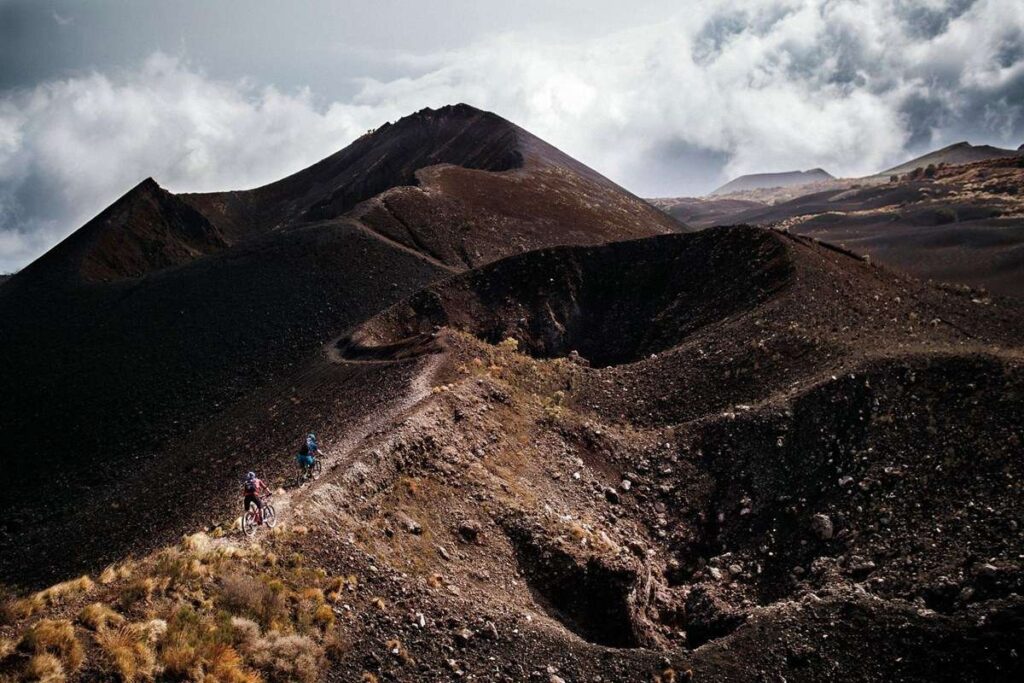
Mount Cameroon National Park – Volcanic Landscapes, Rainforest Biodiversity, Ancient Cultural Heritage and the Highest Peak in West and Central Africa
Mount Cameroon National Park is one of the most striking natural environments in Africa—a towering stratovolcano that rises dramatically from the Atlantic coastline to 4,095 meters. The park covers an estimated 580 km² of pristine rainforest, submontane cloud forest, montane vegetation, volcanic slopes, crater landscapes and alpine grasslands. As the tallest mountain in West and Central Africa, Mount Cameroon dominates the skyline of southwestern Cameroon and serves as a biological refuge, cultural landmark and geological wonder. Its steep altitudinal gradient, frequent eruptions, endemic species and deep-rooted spiritual significance make it one of the continent’s most extraordinary protected areas.
This expanded article presents a comprehensive guide to Mount Cameroon National Park, integrating geology, ecology, cultural relevance, wildlife behavior, environmental threats, scientific research and tourism experiences into a single, richly detailed resource. Every component of the park—its fire-shaped terrain, diverse forests, volcanic cycles, ecological succession and centuries-old human traditions—contributes to its remarkable uniqueness.
Overview and Key Facts
Mount Cameroon National Park was established in 2009 to protect the ecosystems surrounding one of Africa’s largest and most active volcanoes. The park contains habitats ranging from sea-level lowlands to icy summit slopes, creating one of the continent’s steepest continuous elevational gradients. This extreme transition supports a wide array of plants and animals, many of which occur nowhere else on Earth. It is also a vital water catchment area, a cultural stronghold for indigenous communities and a major site for scientific research.
- Country: Cameroon
- Region: Southwest Region
- Park Size: About 580 km²
- Established: 2009
- Highest Elevation: 4,095 m (Mount Cameroon)
- Landscape Identity: Active stratovolcano with rainforest-to-alpine ecosystems
Mount Cameroon’s height, volcanic energy, environmental gradients and cultural heritage collectively create a protected landscape found nowhere else in West or Central Africa.
Location and Geographic Setting
The park is located in southwestern Cameroon, near the coastal cities of Buea and Limbe. Rising almost directly from the Gulf of Guinea, the mountain creates one of the most dramatic altitudinal climbs in Africa—from sea level to over 4,000 meters in less than 30 kilometers. The western slopes face the Atlantic, receiving extremely high rainfall, while the eastern slopes lie in a rain shadow, creating distinct climatic zones.
This geographical setting results in unique ecological contrasts: lush rainforests thrive on the wet western face, while drier, open vegetation dominates the opposite side. These contrasts make the mountain a natural boundary, influencing local climate, vegetation patterns and wildlife distribution throughout the region.
Geology – Volcanic Power, Eruptive History and Landscape Formation
Mount Cameroon is a massive, still-active stratovolcano formed along the Cameroon Volcanic Line, a geologic chain stretching from the ocean floor through mainland Africa. The volcano’s structure consists of overlapping lava flows, ash layers, pyroclastic rock, volcanic cones and fissures that have accumulated over millions of years.
The mountain has erupted repeatedly throughout recorded history. Modern eruptions took place in:
- 1922: Violent lava flows threatening villages on the western slopes.
- 1959: Explosive summit events ejecting ash and volcanic material.
- 1982: Large lava flows and significant ash production.
- 1999: A major eruption that crossed the coastal highway near Limbe.
- 2000: Renewed lava flows reshaping the southwestern slopes.
These eruptions form the backbone of the park’s landscape. Hardened lava fields, some only a few decades old, contrast sharply with ancient forests. Crater rims, parasitic vents, ash plains, volcanic cones and lava tubes create a rugged topography that constantly evolves with each new eruption. This dynamic nature makes Mount Cameroon a globally significant volcanic research site.
Vegetation slowly reclaims volcanic rock through a visible ecological succession process. First, algae and bacteria colonize new ash fields. Mosses and lichens follow, binding soil particles together. Over time, herbaceous plants establish themselves, gradually giving way to shrubs and eventually trees. This natural rebuilding process is a central feature of Mount Cameroon’s ecology.
Climate and Weather Conditions
Mount Cameroon exhibits extreme climatic variation due to its steep elevation and coastal proximity. The west-facing slopes receive some of the highest rainfall totals in Africa—over 10,000 mm annually in the wettest areas. This constant moisture feeds lush rainforests and ensures rich biodiversity across lower altitudes.
- Lowland Zones: Hot, humid and rainy throughout the year.
- Submontane Forest: Cool, misty conditions ideal for mosses and epiphytes.
- Montane Forest: Windy slopes with cooler temperatures and reduced rainfall.
- Alpine Zone: Cold, with frequent fog, strong winds and nighttime freezing.
The dry season, typically from November to February, features clearer skies and stable weather, making it the preferred period for summit expeditions. The rainy season brings lush vegetation but slippery trails and reduced visibility. Weather changes rapidly on the mountain, especially above the forest line, requiring climbers to be well-prepared.
Hydrology – Mountain Springs, Streams and Volcanic Water Systems
Mount Cameroon is a crucial water source for surrounding communities, feeding rivers, springs and numerous mountain streams. Moist ocean winds condense on the volcanic slopes, providing consistent water through both wet and dry seasons. Volcanic rock, being porous, absorbs rainfall and slowly releases it as mineral-rich springs lower along the slopes.
These springs form essential water supplies for towns like Buea and Limbe and sustain wildlife across the park. The mountain’s hydrological network also supports riparian forests, amphibian habitats, and diverse aquatic insects adapted to cool, fast-flowing streams emerging from underground aquifers.
Ecosystems and Habitat Diversity
Mount Cameroon’s ecosystems shift dramatically with altitude, rainfall patterns and volcanic influence. Distinct habitat zones form from sea level to the summit, each hosting species specially adapted to its unique conditions.
- Lowland Rainforest: Warm, dense forests teeming with primates, elephants and large birds.
- Submontane Cloud Forest: Moss-covered trees, epiphytic orchids and rich undergrowth.
- Montane Forest: Cooler forests with bamboo pockets and colorful understory plants.
- Montane Grasslands: Fire- and wind-shaped vegetation on open high-altitude slopes.
- Afro-Alpine Zone: Sparse shrubs, tussock grasses and hardy plants adapting to extreme cold.
Frequent volcanic disturbances create a patchwork of old-growth forest, young regrowth, burnt vegetation and ash-covered plains. This mosaic pattern allows for high biodiversity across even small areas, as species colonize new or regenerating habitats at various stages of succession.
Vegetation – From Lush Rainforest to Alpine Shrubs
The vegetation of Mount Cameroon reflects both the region’s fertility and the mountain’s harsh volcanic forces. Lower forests contain towering hardwoods and climbers, while the higher slopes transition into cloud forests wrapped in mist and covered with mosses and epiphytes. Bamboo stands appear in mid-level zones, providing cover for animals such as duikers and monkeys.
- Rainforest Trees: Mahogany, iroko, ebony, oil palms, strangler figs.
- Cloud Forest Flora: Orchids, ferns, mosses and lichens thriving in constant humidity.
- Bamboo Zones: Dense stands supporting forest antelope and primates.
- Grasslands: High-altitude vegetation shaped by fire and wind.
- Alpine Plants: Hardy shrubs and pioneer species colonizing volcanic deposits.
On recent lava flows, plant succession is particularly evident. Lichens and mosses stabilize the rock, followed by small plants that trap soil particles. Over decades, shrubs and trees gradually reclaim once-barren lava, demonstrating nature’s resilience in this volcanic landscape.
Wildlife of Mount Cameroon National Park
Mammals
Mount Cameroon supports a rich community of mammals, including rare primates, large herbivores and species that have adapted to rugged volcanic terrain. The mountain acts as both a refuge and a corridor for species moving between lowland and montane habitats.
- Forest elephants (seasonal ridge and valley movements)
- Drill (a rare and threatened primate)
- Preuss’s monkey (endemic to the region)
- Chimpanzees
- Forest buffalo
- Duikers (red, blue and black-fronted)
- Porcupines
- Bush pigs
- Rock hyrax
- Endemic cave-dwelling bats in volcanic tubes
Forest elephants follow ancient migratory paths carved into the mountain’s slopes, while drills inhabit deep forest interiors. Preuss’s monkeys occupy the submontane forest, often forming small, agile groups. Chimpanzees move through mid-elevation habitats to forage on fruits and construct nests in tall forest trees.
Birdlife
Mount Cameroon is one of the most important birding destinations in West Africa, especially for endemic highland species that exist only on this massif. Bird diversity increases at the transition between forest and grassland zones, where different vegetation types overlap.
- Mount Cameroon francolin (endemic)
- Mount Cameroon speirops (endemic)
- Cameroon olive pigeon
- White-throated mountain babbler
- Green longtail
- Sunbirds at various altitudes
- Peregrine falcons, booted eagles and other raptors
Birdwatchers often find the highest diversity around forest edges, volcanic caves and alpine meadows, where species forage, nest and move between vegetation layers.
Reptiles, Amphibians and Insects
- Chameleons, including local subspecies
- Agamas and skinks
- Tree frogs and montane amphibians
- Butterflies and moths in rainforest zones
- Endemic beetles and other insects on volcanic substrates
Insects play a crucial ecological role, especially in newly formed volcanic areas where pioneer vegetation depends on them for pollination and soil creation. Amphibians thrive in the cool, moist microhabitats provided by the cloud forests and mountain streams.
Unique Features of Mount Cameroon National Park
- An active volcano with one of the most dramatic elevation gradients in Africa.
- High endemism in birds, mammals, plants and insects.
- Visible ecological succession on recent lava flows.
- A complex mosaic of habitats shaped by fire and eruptions.
- Deeply rooted cultural heritage, including spiritual sites.
- A globally recognized environment for geological and ecological research.
No other protected area in West or Central Africa combines volcanic activity, rainforest biodiversity, alpine ecosystems and cultural significance in such a compact and striking landscape.
Cultural and Indigenous Heritage
Mount Cameroon has enormous cultural importance for the Bakweri people, who regard the mountain as sacred. The name “Mongo ma Ndemi” reflects its perceived spiritual power. Local traditions speak of ancestral spirits living within the mountain, and many rituals involve facing the peak or protecting specific springs and forest sites.
Indigenous communities historically avoided certain sacred groves and high-altitude areas, which contributed to long-term conservation. Stories passed down through generations describe volcanic eruptions as moments of communication between the physical and spiritual worlds. Traditional practices emphasize nature protection, water source conservation and respect for wildlife, reflecting a deep connection between culture and environment.
Conservation Importance
Mount Cameroon National Park plays a critical role in biodiversity conservation, climate regulation and hydrological stability in the region. It preserves habitats that support endemic species, many of which are highly specialized and adapted to volcanic soils and highland environments. The park also serves as a major water catchment, ensuring clean water for both wildlife and communities.
The park acts as a natural refuge for species affected by surrounding agricultural expansion. Its forests store significant carbon, help stabilize soil on steep slopes and support ecological processes that extend beyond the protected area’s boundaries.
Threats and Environmental Challenges
- Agricultural expansion: Cocoa, plantain and palm cultivation encroaching on forest edges.
- Deforestation: Logging and firewood collection reducing forest cover.
- Poaching: Targeting elephants, drills, duikers and other wildlife.
- Unregulated burning: Fires used to clear land spreading into park vegetation.
- Invasive species: Non-native plants altering natural vegetation patterns.
- Climate change: Shifting rainfall patterns destabilizing ecosystems.
- Volcanic hazards: Lava flows threatening settlements and wildlife corridors.
Conservation strategies focus on community engagement, anti-poaching patrols, habitat restoration, environmental education and sustainable livelihood programs that reduce reliance on forest resources.
Research and Scientific Monitoring
Mount Cameroon is a vital site for scientific research due to its volcanic activity, ecological diversity and rich endemic fauna. Researchers from universities and international institutions conduct long-term studies on geology, biodiversity, climate and vegetation dynamics.
- Volcanology programs monitoring gas emissions, seismic activity and lava flow paths.
- Endemic species surveys mapping distribution, population trends and ecological needs.
- Forest elephant movement monitoring using GPS collars.
- Vegetation succession studies on new lava fields.
- Biodiversity mapping across altitudinal gradients.
- Climate monitoring stations measuring temperature, rainfall and humidity.
The mountain’s unique ecological transitions make it an ideal location for studying adaptation, resilience and ecosystem regeneration.
Tourism Activities and Visitor Experiences
- Summit Hiking: Multi-day treks to the 4,095 m peak.
- Volcanic Landscape Tours: Lava fields, crater rims and ash plains.
- Birding: Searching for endemic highland species.
- Wildlife Viewing: Primates, elephants, buffalo and rare forest species.
- Cultural Interaction: Visiting Bakweri communities and local cultural sites.
- Nature Photography: Capturing forests, volcanic terrain, wildlife and sweeping coastal views.
Main Trekking Routes
Several trekking routes lead to the summit, each offering distinct scenery and levels of challenge.
- Guinness Route: The classic climb used during the annual Race of Hope, known for its direct ascent.
- Coke Route: A scenic trail passing through diverse vegetation zones.
- Southern Route: Features dramatic recent lava flows and open volcanic slopes.
- Etinde Route: Leads to the summit of Little Mount Cameroon, a challenging alternative with panoramic forest views.
The trekking experience includes transitions from humid rainforest to cool cloud forest, open grasslands, volcanic deserts and summit craters. The final ascent offers breathtaking views over the Atlantic coast and the rolling landscapes of Cameroon.
Access – How to Reach Mount Cameroon National Park
- Main Access Town: Buea
- Nearby Cities: Limbe, Mutengene, Idenau
- By Road: Good road networks connect Buea to Douala and Limbe.
- By Air: Douala International Airport is the nearest major airport.
Most treks and tours begin in Buea, where guides, porters and logistical support services are readily available.
Permits and Park Regulations
- Park entry fees apply to all visitors.
- Certified guides are required for summit climbs.
- Camping is permitted only at designated sites.
- Collecting rocks, plants or wildlife is prohibited.
- Open fires are not allowed unless in designated facilities.
- Visitors must respect cultural heritage sites and sacred areas.
These regulations support conservation, community safety and responsible tourism practices.
Accommodation Options
- Mountain Huts: Basic shelters located along major trekking paths.
- Campsites: Designated spots for overnight stays during multi-day trekking.
- Eco-Lodges: Community-run lodges promoting sustainable tourism.
- Guesthouses and Hotels: Available in Buea, Limbe and surrounding areas.
Accommodation options vary from rustic to comfortable, ensuring availability for climbers, researchers and general visitors.
Best Time to Visit
- November–February: Peak trekking season with clear skies and stable weather.
- March–May: Increasing rainfall; lush vegetation but more challenging hiking conditions.
- June–September: Heavy rainfall; generally unsuitable for climbing.
- October: Transitional period with improving conditions.
Despite seasonal patterns, weather on the mountain can change rapidly, especially at higher altitudes, requiring proper preparation and experienced guides.
Why Mount Cameroon National Park Is Unique
Mount Cameroon National Park stands as a rare combination of volcanic power, rainforest biodiversity, alpine ecosystems, cultural depth and panoramic natural beauty. Nowhere else in West or Central Africa offers such dramatic elevation changes, active volcanic landscapes and endemic species richness within a single protected area. The mountain’s rainforest-to-summit gradient, recurring eruptions, sacred heritage and sweeping views create an environment of extraordinary scientific, cultural and ecological value.
From trekking across lava fields to encountering rare primates, experiencing cloud-shrouded forests or standing on a windswept summit overlooking the Atlantic Ocean, visitors encounter an unforgettable wilderness that reflects both the creative and destructive forces of nature. Mount Cameroon National Park remains one of the most iconic and irreplaceable landscapes in Africa—an enduring testament to the continent’s volcanic history, biological diversity and cultural heritage.