
Niokolo-Koba National Park
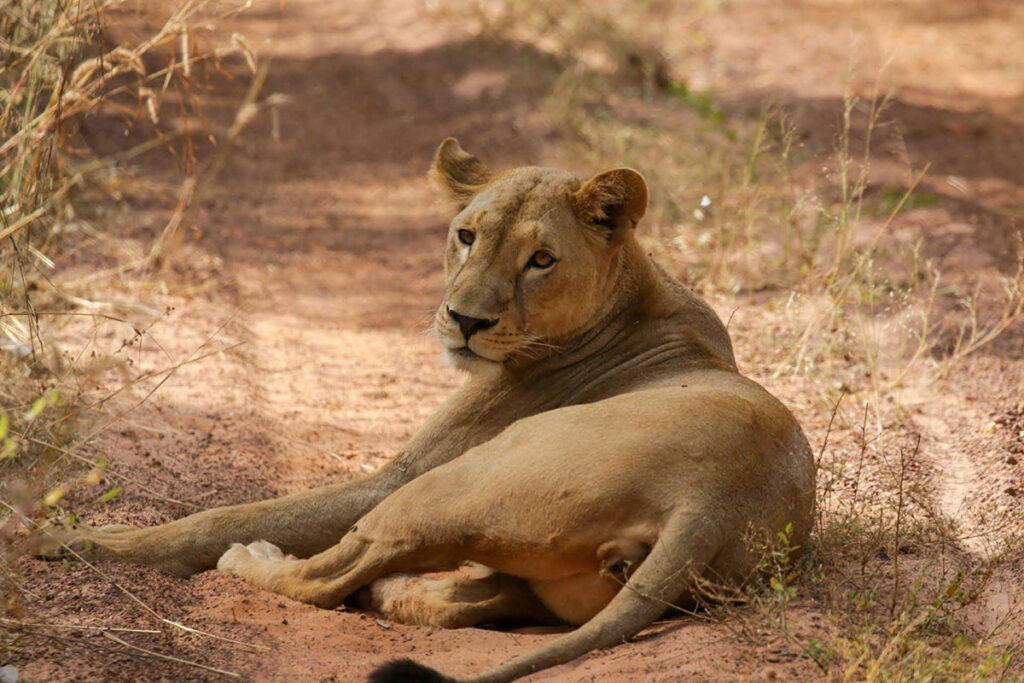
Niokolo-Koba National Park – West African Lions, Giant Elands, Hippos, Riverine Forests, Wetlands and UNESCO’s Largest Protected Savannah Landscape in Senegal
Niokolo-Koba National Park is Senegal’s most iconic protected area and one of the last great refuges of West African wildlife. Spanning a vast 9,130 km² along the upper basin of the Gambia River, this UNESCO World Heritage Site preserves a mosaic of savannahs, forests, woodlands, wetlands and rolling hills that host an extraordinary array of species, including the critically endangered West African lion, giant eland, chimpanzee, hippopotamus, elephant and over 330 species of birds. As one of the largest and most biologically important national parks in West Africa, Niokolo-Koba offers one of the purest representations of the region’s natural heritage—an expansive wilderness where river, forest and savannah ecosystems merge to create one of Africa’s most diverse landscapes.
The park’s ecological richness stems from its position at the transition zone between Sudanian and Guinean ecosystems, making it a meeting place for species and vegetation types characteristic of both dry savannah and humid forests. From open grasslands grazed by antelope to shady riverine forests where primates shelter from the heat, the diversity of habitats supports complex food webs and seasonal wildlife movements that once defined much of West Africa. For researchers, conservationists and wildlife enthusiasts, Niokolo-Koba stands as a living museum of West African biodiversity and a keystone of Senegal’s natural conservation strategy.
Location, Size and Geographic Setting
Located in southeastern Senegal near the border with Guinea, Niokolo-Koba forms part of the wider Niokolo-Koba–Badiar transboundary conservation landscape. It stretches across parts of the Tambacounda and Kédougou regions, encompassing vast plains, river valleys, gallery forests and isolated hills that create topographic and ecological diversity. The park’s sheer size makes it one of the largest national parks in all of West Africa, and its boundary with Guinea’s Badiar National Park enhances cross-border wildlife movement and genetic connectivity.
- Country: Senegal
- Regions: Tambacounda and Kédougou
- Total Area: 9,130 km²
- Bordering Reserve: Badiar National Park (Guinea)
- UNESCO Status: Designated World Heritage Site for outstanding biodiversity
Its remote location, combined with extensive wilderness zones and limited human settlement, gives Niokolo-Koba the ecological integrity necessary to sustain large mammal populations, rare savannah species and unique communities of woodland and riparian wildlife.
Geology and Landscape Formation
The landscape of Niokolo-Koba is shaped by ancient Precambrian formations that have withstood millions of years of erosion and weathering. This geological foundation forms a series of plateaus, ridges, hills and floodplains that define the movement of rivers and the distribution of vegetation. The park’s soils range from nutrient-rich alluvial deposits along riverbeds to coarse lateritic soils typical of the Sudanian savannah.
- Precambrian bedrock: Underlies much of the park’s rocky terrain.
- Lateritic soils: Support dominant savannah grass species.
- Alluvial plains: Found along the Gambia and Koulountou rivers.
- Floodplain depressions: Seasonal wetlands critical for waterbirds and grazing animals.
The highlands and rocky hills create natural lookouts for predators such as lions and leopards, while the valleys and plains provide essential grazing areas for herbivores during the dry season. This geological and topographic mixture contributes directly to the park’s ecological diversity.
Climate and Seasonal Patterns
Niokolo-Koba experiences a tropical semi-arid climate with clearly defined seasons that strongly shape wildlife behavior and plant growth cycles. The rainy season from June to October brings heavy showers, filling rivers and wetlands, while the dry season from November to May brings long periods of intense sunlight, high temperatures and reduced vegetation moisture.
- Rainy season: June–October
- Dry season: November–May
- Annual rainfall: 800–1,200 mm
- Temperatures: 18°C–42°C, with the hottest months in March–May
Wildlife movements follow these seasonal rhythms. During the rainy season, animals disperse across the park as water becomes abundant. In contrast, during the dry season, large numbers of animals congregate along the Gambia River and permanent water channels, making this the prime time for wildlife viewing.
Hydrology – The Gambia River and Life-Sustaining Wetlands
The Gambia River is the hydrological lifeline of Niokolo-Koba National Park. Flowing across the park from east to west, it nourishes lush gallery forests, wetlands, marshes and floodplains that support some of the park’s richest biodiversity. Numerous tributaries—including the Koulountou, Niokolo and Sansanding rivers—feed the Gambia and create a constant supply of water, even during the long dry season.
- Gambia River: Core freshwater system supporting hippos, crocodiles and aquatic birds.
- Koulountou River: Important water source during the driest months.
- Niokolo River: Seasonal tributary feeding marshlands and floodplains.
- Oxbow lakes and marshes: Provide refuge for fish and amphibians.
The wetlands created by these waters form one of West Africa’s most important ecological zones. Hippos bask in deep pools, crocodiles patrol riverbanks and animals such as buffalo, waterbuck, kob and elephants come to drink and graze along moist edges. The stability of the Gambia River system is fundamental to the survival of wildlife in this region.
Ecosystems and Habitat Diversity
Niokolo-Koba is characterized by a broad spectrum of ecosystems that reflect the park’s position at the crossroads of multiple ecological zones. These ecosystems support specialized wildlife species and contribute to the park’s reputation as one of West Africa’s premier biodiversity hotspots.
- Wooded savannah: Dominated by acacia and Combretum species, home to lions and antelope.
- Grasslands: Large open plains supporting grazers such as hartebeest and kob.
- Gallery forests: Dense riverine forests harboring primates, birds and forest specialists.
- Wetlands and marshes: Habitat for hippos, crocodiles and wading birds.
- Rocky outcrops: Provide shelter for small antelope, hyraxes and raptors.
These varied ecosystems ensure that animals with vastly different ecological requirements can all thrive within the park.
Flora – Botanical Diversity of Niokolo-Koba
The park’s flora includes more than 1,500 recorded plant species, many of which are adapted to the seasonal changes of the Sudanian savannah. Grasses flourish after rains, while deep-rooted trees and shrubs withstand dry months, offering shade and food sources for wildlife year-round.
- Dominant grasses: Andropogon, Hyparrhenia and Loudetia species.
- Savannah trees: Acacia seyal, Combretum glutinosum, Terminalia macroptera.
- Riverine trees: Mahogany, kapok trees, oil palms.
- Wetland vegetation: Papyrus, reeds and aquatic plants.
The presence of both savannah and forest elements makes the park’s plant life particularly rich. During dry months, animals rely heavily on riverine vegetation for shade, food and cover. Many trees flower or fruit at different times of the year, supporting bird species and primates when other food sources become scarce.
Wildlife of Niokolo-Koba National Park
Niokolo-Koba is one of the last refuges for many large mammals in West Africa. The diversity of species found here reflects the park’s ecological integrity and its role as a stronghold for endangered wildlife.
West African Lions
The critically endangered West African lion population in Niokolo-Koba is one of the most significant remaining in the region. Unlike their East African counterparts, these lions live in smaller prides and exhibit unique adaptations such as long-distance roaming and a preference for woodland-savannah landscapes. Conservation efforts focus heavily on protecting this fragile population.
Giant Elands (Derby Elands)
Niokolo-Koba is a globally important sanctuary for the western giant eland, the world’s largest antelope species. These immense animals depend on large tracts of savannah and open woodland, making the park’s vastness ideal for their survival. Their striking spiral horns and powerful build make them one of West Africa’s most sought-after wildlife sightings.
Elephants, Hippos and Buffalo
Elephants roam the park’s woodlands and riverine forests, especially during the dry season when water sources shrink. Hippos are abundant along the Gambia River, forming family groups that spend most of the day submerged in deep pools. Buffalo graze the open grasslands and wetlands, often forming substantial herds.
Primates
Niokolo-Koba supports an impressive variety of primates, particularly in gallery forests and wooded valleys.
- Guinea baboons
- Patas monkeys
- Green monkeys
- Chimpanzees
- Colobus monkeys
The presence of chimpanzees highlights the park’s importance as one of the few remaining strongholds for this species in Senegal.
Antelope Species
The park hosts a wide variety of antelope species, making it one of the richest antelope habitats in West Africa.
- Giant eland
- Roan antelope
- Kob
- Hartebeest
- Bushbuck
- Dik-dik
- Waterbuck
Birdlife
With more than 330 species, Niokolo-Koba is a premier birding destination. The park’s wetlands, savannah and forests support raptors, waterbirds, migratory species and colorful forest birds.
- Saddle-billed storks
- African fish eagles
- Egyptian geese
- Goliath herons
- Hornbills
- Sunbirds
Birdwatching along the Gambia River is especially rewarding, with species concentration around oxbow lakes and marshes.
Reptiles, Amphibians and Fish
The park’s aquatic ecosystems support Nile crocodiles, monitor lizards, pythons and numerous amphibian species. Seasonal rains create temporary pools that serve as breeding grounds for frogs and toads. The fish diversity of the Gambia River ensures plentiful food for birds, mammals and local communities.
Unique Features – UNESCO Status, Transboundary Corridor and Scenic Landscapes
Niokolo-Koba National Park is distinguished by its UNESCO World Heritage Site designation, reflecting its outstanding universal value. Its position along the Gambia River and connection to Guinea’s Badiar National Park make it a vital transboundary ecosystem. The park’s landscapes—ranging from golden savannah plains to lush river forests and dramatic cliffs—are among the most scenic in West Africa.
- UNESCO recognition: Acknowledges the park’s global ecological significance.
- Transboundary corridor: Supports wide-ranging mammals like lions and elephants.
- Wetland systems: Among West Africa’s richest for hippos, crocodiles and birds.
- Historic sites: Cultural and archaeological relics from ancient West African societies.
Cultural and Indigenous Communities
Surrounding Niokolo-Koba are communities of Fulani pastoralists, Malinké farmers and Bedik peoples, each with deep cultural connections to the landscape. Their traditions include knowledge of rainfall cycles, medicinal plants, wildlife tracking and sustainable resource use passed down through generations. These communities play key roles in conservation, tourism and wildlife monitoring.
Local guides often bring invaluable insight into wildlife behavior, seasonal movements and river dynamics, enriching conservation programs and tourism experiences.
Conservation Importance
Niokolo-Koba is a cornerstone of conservation in West Africa. Its importance goes beyond national borders, serving as a refuge for species that have vanished from much of the region. Without strong protection, many of these species—including lions, chimpanzees and giant elands—would face even greater risk of extinction.
- One of West Africa’s last viable lion populations.
- Essential sanctuary for giant elands.
- Major water and wetland system in a semi-arid region.
- Critical link in the Niokolo-Koba–Badiar transboundary ecosystem.
The park’s ecological integrity ensures the survival of countless species and stabilizes regional climate, soil health and water systems.
Threats and Environmental Challenges
- Poaching: Targeting antelope, lions and elephants.
- Bushfires: Frequent in the dry season, altering vegetation structure.
- Illegal grazing: Livestock intrusion in buffer zones.
- Human-wildlife conflict: Tension near park edges.
Conservation programs and ranger patrols continue to combat these threats through training, community partnership and improved surveillance systems.
Research and Monitoring Programs
Niokolo-Koba serves as a scientific hub for studying large mammals, avifauna, fire ecology and river systems. Long-term monitoring programs contribute to understanding population dynamics and ecosystem health.
- Camera trap programs for lions, leopards and chimpanzees.
- Elephant and giant eland surveys.
- Biodiversity inventories for birds, insects and plants.
- Hydrological studies of the Gambia River basin.
Tourism Activities in Niokolo-Koba National Park
- Game drives: Explore savannah plains, floodplains and woodlands.
- Boat safaris: View hippos, crocodiles and waterbirds along the Gambia River.
- Birdwatching: Exceptional opportunities across diverse habitats.
- Nature walks: Discover flora, insects and primates with experienced guides.
The park provides a rare chance to witness authentic West African wildlife in a landscape still governed by natural cycles.
Access – How to Reach Niokolo-Koba
- By road: From Tambacounda or Kédougou, accessible during dry season.
- By air: Charter flights to Kédougou.
- Park entrances: Main gateways include Dar Salam and Simenti.
Road conditions vary seasonally, making dry season travel easier for visitors.
Permits and Regulations
- Entrance fees apply for all visitors.
- Off-road driving is strictly prohibited.
- Rangers accompany most wildlife activities for safety.
- Research permits required for scientific studies.
Accommodation Options
- Simenti Hotel: Historic lodge overlooking the Gambia River.
- Dar Salam Camp: Located near the main park entrance.
- Tented safari camps: Rustic accommodation for expedition groups.
These accommodations offer access to wildlife hotspots, riverfront views and authentic Senegalese hospitality.
Best Time to Visit Niokolo-Koba National Park
- December–April: Excellent wildlife viewing during the dry season.
- June–October: Lush landscapes and abundant birdlife during the rainy season.
Dry season visits offer the best chance to view large mammals concentrated near permanent water sources.
Why Niokolo-Koba National Park Is Unique
Niokolo-Koba National Park is a West African wilderness of global significance—a place where lions still roam free, giant elands traverse open savannahs, hippos wallow in the Gambia River, and hundreds of bird species fill the wetlands with color and sound. Its UNESCO designation, transboundary ecological role, and unmatched biodiversity make it a crown jewel of Senegal’s natural heritage.
For travelers, scientists and conservationists alike, Niokolo-Koba offers a rare glimpse into the ancient landscapes of West Africa—vast, wild and irreplaceably rich in life.